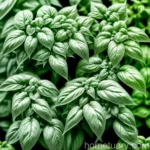
Plant Name: Ocimum basilicum ‘Persian’ (Persian Basil)
In this comprehensive guide, we will dive into the world of Ocimum basilicum ‘Persian’, commonly known as Persian Basil. We will explore its characteristics, care tips, uses, and much more. Whether you are a seasoned gardener or just starting out, this guide will equip you with the knowledge to cultivate and appreciate this aromatic and versatile herb.
What is Ocimum basilicum ‘Persian’?
Ocimum basilicum ‘Persian’, or Persian Basil, is a delightful herb that is beloved for its distinct flavor, aromatic foliage, and versatile uses. As a member of the mint family, Lamiaceae, basil is renowned for its culinary, medicinal, and ornamental properties. ‘Persian’ is a specific variety of basil that has its origins in the Middle East, particularly Iran. It is characterized by its tender, green leaves and an intense, sweet fragrance that sets it apart from other basil varieties.
Key Takeaways – Ocimum basilicum ‘Persian’ (Persian Basil)
Persian Basil is a versatile plant with various culinary, medicinal, and ornamental uses. It offers a unique flavor profile and aromatic qualities that make it a favorite among gardeners and cooks alike. Let’s explore the key takeaways in more detail:
Culture
- Hardiness: Annual herb (grown as an annual in most climates).
- Height: Typically reaches a height of 12-18 inches.
- Growth Habit: Bushy and compact.
- Lifespan: Annual – completing its life cycle within a year.
- Flowering: Produces small white flowers in favorable conditions.
Uses
- Culinary: Adds a sweet, slightly spicy flavor to dishes.
- Medicinal: Used in traditional medicine for its potential health benefits.
- Ornamental: Adds aesthetic appeal to gardens and landscapes.
Water
- Watering Frequency: Prefers moderately moist soil.
- Soil Moisture: Well-draining soil is essential to prevent waterlogging.
Sunlight
- Light Requirements: Thrives in full sun to partial shade.
- Optimal Exposure: Requires at least 6 hours of direct sunlight.
Fertilizer
- Nutrient Needs: Benefits from a balanced, all-purpose fertilizer.
- Application: Apply fertilizer sparingly to avoid excessive foliage growth.
Soil
- Preferred Soil Type: Well-draining, loamy soil.
- pH Level: Neutral to slightly acidic soil pH (6.0-7.5).
Pruning
- Pruning Method: Regularly pinch off the top growth to encourage bushier plants.
- Timing: Prune before the flowering stage for optimal flavor and foliage production.
Propagation
- Propagation Methods: Easily propagated from seeds or stem cuttings.
- Seed Germination: Germinates within 5-10 days under suitable conditions.
- Cutting Propagation: Rooting occurs within 2-3 weeks with appropriate care.
Container Popularity
- Container Suitability: Well-suited for container gardening.
- Compact Growth: Thrives in small to medium-sized containers.
Container Common Diseases
- Damping Off: A common seedling disease that affects basil in containers.
- Preventative Measures: Ensure proper drainage and ventilation in containers.
Disease Diagnosis
- Signs of Disease: Yellowing, wilting, or spotted leaves.
- Common Diseases: Fusarium wilt, downy mildew, and botrytis.
- Prompt Action: Swift diagnosis and treatment are crucial for disease management.
Common Pests
- Pest Types: Aphids, spider mites, and whiteflies.
- Natural Predators: Encouraging beneficial insects for pest control.
- Organic Solutions: Neem oil and insecticidal soap for pest management.
Botanist’s Tips
- Companion Planting: Pair with tomatoes, peppers, and oregano for mutually beneficial interactions.
- Harvesting Technique: Regularly harvest leaves to promote new growth and prevent flowering.
Fun Facts
- Historical Significance: Used in ancient civilizations for its aromatic and medicinal properties.
- Symbolism: Associated with love, protection, and culinary expertise in various cultures.
Now, equipped with the key takeaways, let’s delve into each aspect to gain a deeper understanding of cultivating and enjoying Persian Basil.
Persian Basil Characteristics
Ocimum basilicum ‘Persian’ exhibits several distinct characteristics that set it apart from other basil varieties. Understanding these traits is essential for successfully growing and appreciating this herb.
Leaf Structure
The leaves of Persian Basil are smooth, tender, and ovate-shaped. They have a rich green color and are slightly smaller in size compared to other basil varieties. The unique shape and texture of the leaves contribute to the herb’s ornamental appeal and culinary suitability.
Aroma and Flavor
One of the most prominent characteristics of Persian Basil is its intense, sweet fragrance. When the leaves are gently bruised or crushed, they release a delightful aroma that combines elements of sweetness and warmth. In terms of flavor, Persian Basil offers a slightly spicy, yet sweet taste with subtle undertones of clove, making it a versatile herb in culinary applications.
Growth Habit
This basil variety is characterized by its compact and bushy growth habit. It forms dense foliage, making it an ideal candidate for container gardening and ornamental displays. The compact growth also contributes to its suitability for indoor cultivation, provided it receives adequate sunlight.
Now that we’ve explored the unique characteristics of Persian Basil, let’s shift our focus to the essential care tips for cultivating this herb.
Persian Basil Care Tips
Successful cultivation of Persian Basil relies on providing the optimal growing conditions, attentive care, and timely maintenance. Follow these care tips to ensure vigorous growth and abundant harvests of this aromatic herb.
Growing Persian Basil
- Location: Select a sunny, well-ventilated location for outdoor cultivation.
- Soil Preparation: Ensure well-draining soil with organic matter for improved fertility.
- Seed Sowing: Plant seeds indoors 6-8 weeks before the last frost for early germination.
- Transplanting: If starting from seedlings, transplant them outdoors after the last frost date.
- Spacing: Space the plants 8-12 inches apart to allow for adequate air circulation.
Persian Basil Plant Varieties
- Traditional Persian Basil: O. basilicum ‘Persian’ – classic variety with intense fragrance.
- Dark Opal Basil: A visually striking variety with deep purple foliage.
- Lemon Basil: Exhibits a citrusy aroma and pairs well with seafood and salads.
- Thai Basil: Known for its anise-like flavor, often used in Asian cuisine.
Persian Basil in the Garden
- Companion Plants: Pair with tomatoes, peppers, and marigolds to deter pests and boost growth.
- Pollinator Attraction: Basil flowers attract beneficial pollinators like bees and butterflies.
- Edging and Borders: Incorporate basil plants as decorative edging for vegetable and herb gardens.
Persian Basil Health Benefits
- Antioxidant Properties: Contains essential oils and compounds with potential antioxidant effects.
- Anti-inflammatory Effects: Certain constituents may exhibit anti-inflammatory properties.
- Digestive Aid: Traditionally used to aid digestion and alleviate mild gastrointestinal discomfort.
Persian Basil Culinary Uses
- Fresh Garnish: Finely chopped leaves add a refreshing and aromatic touch to various dishes.
- Pesto Preparation: Key ingredient in classic basil pesto, combined with pine nuts and olive oil.
- Infused Oils and Vinegars: Adds a delightful flavor to homemade infused oils and vinegars.
- Herb-Infused Butters: Incorporate into herb-infused butter for savory spreads and sauces.
Persian Basil Medicinal Properties
- Aromatherapy: Distilled basil essential oil is used in aromatherapy for its uplifting properties.
- Topical Applications: Infusions and poultices for minor skin irritations and insect bites.
- Respiratory Support: Traditional uses include steam inhalation for respiratory comfort.
Now that we are well-versed in the care tips, uses, and characteristics of Persian Basil, it’s crucial to delve into the specific care requirements for optimal growth and maintenance.
Persian Basil Plant Care Guide
Ocimum basilicum ‘Persian’ (Persian Basil)
1. Ocimum basilicum Persian Basil
The genus name “Ocimum” refers to the scientific classification of basil, while “Persian Basil” designates the specific variety or cultivar within the species.
2. Persian Basil Plant Facts
Origin
Persian Basil has its origins in the Middle East, particularly Iran, where it has been cultivated and cherished for its culinary and medicinal properties for centuries. It has since gained popularity and recognition in various culinary traditions worldwide.
Growth Cycle
As an annual herb, Persian Basil completes its life cycle within a year. From germination to seed production, the entire growth cycle is condensed into a single growing season.
Flavor Profile
The distinct flavor profile of Persian Basil sets it apart with its sweet, slightly spicy taste and intense aromatic qualities. It offers a unique addition to culinary creations, distinguishing itself from other basil varieties.
3. Persian Basil Plant Care Tips
Watering
Frequency: Water the plants when the top inch of soil becomes dry, aiming for consistent moisture without waterlogging.
Water Quality: Use room temperature or tepid water to avoid shock to the delicate basil plants.
Morning Watering: Water in the morning to allow excess moisture to evaporate during the day, reducing the risk of fungal diseases.
Sunlight
Optimal Exposure: Provide at least 6 hours of direct sunlight for healthy growth and robust foliage production.
Indoor Cultivation: If cultivating indoors, supplement with grow lights to provide adequate light exposure.
Fertilizer
Balanced Fertilization: Apply a balanced, all-purpose fertilizer at half strength every 3-4 weeks during the growing season.
Nutrient Requirements: Basil has moderate nutrient needs and benefits from periodic fertilization to support vigorous growth.
Soil
Well-Draining Soil: Ensure the soil is well-draining to prevent waterlogging, which can lead to root rot and other moisture-related issues.
Potting Mix: Use a high-quality potting mix with good aeration and moisture retention for container cultivation.
Pruning
Pinching Technique: Regularly pinch the top growth to encourage branching and bushier growth, promoting a more abundant harvest.
Flower Removal: Prune off flower buds to redirect the plant’s energy into foliage production and prevent early flowering.
Propagation
Seed Germination: Start seeds indoors in seedling trays or small pots with a sterile seed-starting mix for optimal germination.
Cutting Propagation: Take stem cuttings from healthy, established plants and root them in a well-draining rooting medium.
With the comprehensive care guide, we can ensure that our Persian Basil plants receive the attention they need to thrive and offer bountiful yields of aromatic foliage. Let’s explore the cultivation techniques and planting guide for Persian Basil to further enrich our understanding of its growth requirements.
Persian Basil Cultivation Techniques
Persian Basil Planting Guide
Growing Ocimum basilicum ‘Persian’
- Selecting a Planting Site: Choose a location with well-draining soil and ample sunlight exposure.
- Soil Preparation: Amend the soil with organic matter such as compost or aged manure to improve fertility and structure.
- Sowing Seeds: Plant basil seeds 1/4 inch deep in well-prepared soil after the last frost date in your region.
- Seedling Care: Keep the soil consistently moist until the seedlings emerge, and then gradually taper watering as they establish.
Persian Basil Plant Varieties
- Cultivar Selection: Consider planting a variety of basil types to introduce diversity and unique flavors to your herb garden.
- Succession Planting: Sow seeds or transplant seedlings at intervals to stagger the harvest and extend the availability of fresh basil.
Persian Basil Plant Care Requirements
- Cultural Preferences: Persian Basil thrives in warm, sunny conditions and well-draining soil with adequate moisture.
- Mulching: Apply a layer of organic mulch around the base of the plants to retain soil moisture and deter weeds.
Soil Moisture Management
- Watering Practices: Adopt a consistent watering schedule, aiming to keep the soil evenly moist without overwatering.
- Mulch Benefits: Mulching helps regulate soil moisture levels and reduces the frequency of irrigation during hot and dry periods.
Persian Basil Plant Maintenance
- Regular Inspection: Monitor the plants for signs of pests, diseases, and nutrient deficiencies, addressing any issues promptly.
- Weed Control: Remove weeds from the vicinity of the basil plants to minimize competition for water and nutrients.
Persian Basil Pest Control Methods
- Natural Solutions: Employ natural pest control measures such as introducing beneficial insects and practicing companion planting.
- Organic Remedies: Utilize organic insecticidal soaps and neem oil to manage pest infestations without harmful chemical residues.
Persian Basil Harvest Season
Optimal Harvest Time
- Leaf Harvesting: Begin harvesting leaves once the plants have reached 6-8 inches in height, typically within 6-8 weeks from planting.
- Continual Harvesting: Regularly harvest the outer leaves to encourage new growth and deter premature flowering.
Harvesting Techniques
- Leaf Removal: Pinch or snip individual leaves or small clusters near the stem for a tidy and productive harvest.
- Harvest Frequency: Harvest small quantities frequently rather than a large quantity all at once to promote ongoing leaf production.
Now equipped with the cultivation techniques and planting guide, we are prepared to embark on the journey of growing and nurturing our Persian Basil plants. However, it’s essential to remain vigilant against common diseases and potential pest infestations that can affect the health and productivity of our basil plants.
Persian Basil Plant Diseases
Common Diseases
Fusarium Wilt
Symptoms: Yellowing and wilting of the lower leaves, progressing to the upper foliage. Discoloration and stunted growth are common signs.
Preventative Measures: Plant basil in well-draining soil and avoid overwatering to deter the development of this fungal disease.
Downy Mildew
Signs: Grayish-purple patches on the undersides of leaves, accompanied by yellowing and distortion of the foliage.
Preventative Measures: Provide adequate air circulation and avoid overhead watering to reduce humidity around the plants.
Botrytis (Gray Mold)
Indications: Gray fuzzy mold growth on leaves, stems, or flowers, often following periods of high humidity or moisture.
Control Measures: Improve air circulation and spacing between plants, and promptly remove affected plant parts to limit the spread.
Disease Diagnosis
- Visual Assessment: Regularly inspect the foliage for discoloration, wilting, or unusual patterns.
- Leaf Examination: Check the undersides of leaves and close to the stem for signs of fungal growth or discoloration.
Disease Management
- Cultural Practices: Implement proper cultural practices such as spacing, watering, and soil management to reduce disease pressure.
- Natural Remedies: Treat early-stage infections with natural fungicides like copper-based sprays or horticultural oils.
Persian Basil Plant Diseases
Given the specific disease susceptibility of basil plants, it’s important to remain vigilant and proactive in disease management to ensure the health and vitality of our Persian Basil crops. With proper diagnosis and timely intervention, we can mitigate the impact of common diseases on our basil plants.
Persian Basil Pest Management
Common Pests
Aphids
Identification: Small, soft-bodied insects often found on the undersides of leaves, causing yellowing and distortion of foliage.
Control: Use a strong jet of water to dislodge aphids, or apply insecticidal soap for persistent infestations.
Spider Mites
Symptoms: Fine webbing on the undersides of leaves and stippling or discoloration of the foliage due to mite feeding.
Management: Increase humidity and employ natural predators such as predatory mites or lacewings to control spider mite populations.
Whiteflies
Signs: Small white insects fly up in clouds when the foliage is disturbed, while their nymphs feed on the undersides of leaves.
Control Methods: Introduce natural enemies like parasitic wasps and use yellow sticky traps to reduce whitefly populations.
Pest Control Strategies
- Integrated Pest Management: Implement a holistic approach that includes cultural, biological, and natural control methods to manage pests effectively.
- Beneficial Insects: Encourage the presence of ladybugs, lacewings, and predatory insects to keep pest populations in check.
Botanist’s Tips for Pest Management
- Early Intervention: Promptly address signs of pest infestations to prevent population explosions and damage to the plants.
- Companion Planting: Utilize aromatic herbs and flowers to repel pests and attract beneficial insects for natural pest control.
Persian Basil Pest Control Methods
It’s crucial to incorporate effective pest management strategies to safeguard the well-being of our Persian Basil plants. By understanding the characteristics and behaviors of common pests, we can proactively protect our basil crops and preserve their vitality.
Botanist’s Tips
Amidst our efforts to cultivate and nurture Persian Basil, it’s valuable to consider additional tips from botanists and seasoned gardeners for optimal results and a rewarding gardening experience.
Companion Planting
- Tomatoes: Planting basil alongside tomatoes can enhance the flavor of the tomatoes and repel certain pests that affect both plants.
- Marigolds: Interspersing marigolds with basil can deter nematodes and other soil-borne pests while adding a vibrant touch to the garden.
Harvesting Technique
- Regular Harvests: Continual leaf harvesting encourages branching and leaf production, preventing premature flowering and promoting robust growth.
- Preventative Pruning: Regularly pinch the top growth to discourage flowering and redirect the plant’s energy into foliage production.
Fun Facts
- Historical Significance: Basil has been revered for its aromatic and medicinal properties in ancient civilizations, including Egypt and Greece.
- Cultural Symbolism: In various cultures, basil is associated with love, protection, and culinary mastery, often featuring in folklore and traditions.
The insights offered by experienced botanists and gardeners can enhance our approach to cultivating Persian Basil and enrich our understanding of the plant’s behavior and interactions in the garden ecosystem.
Fun Facts & History of Persian Basil
Basil, including the beloved Persian variety, is steeped in rich history and cultural significance, with fascinating anecdotes and uses that span centuries. Let’s explore the captivating history and cultural influence of Persian Basil.
Persian Basil Plant History
- Cultural Origins: Persian Basil has its cultural roots in the Middle East, particularly Iran, where it has been cherished for its culinary and ornamental importance in traditional cuisine and daily life.
- Historical Usage: Basil, in general, has