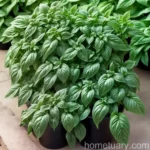
Plant Scientist’s Guide to Ocimum basilicum ‘Dolce Fresca’ (Sweet Basil)
In the realm of herbs, few plants hold as much cultural, culinary, and medicinal significance as the sweet basil, scientifically known as Ocimum basilicum. Among the vast array of basil cultivars, one variety that stands out for its exceptional qualities is the Ocimum basilicum ‘Dolce Fresca’ or Sweet Basil. This aromatic herb is renowned for its vibrant green leaves, distinct flavor profile, and various applications in cooking, traditional medicine, and gardening. In this comprehensive guide, we will delve into the intricacies of Ocimum basilicum ‘Dolce Fresca’, exploring its cultural background, uses, care requirements, and propagation techniques. Whether you are a seasoned gardener, a culinary enthusiast, or an aspiring plant scientist, this detailed account aims to provide invaluable insights into unlocking the full potential of this beloved member of the Lamiaceae family.
What is Ocimum basilicum ‘Dolce Fresca’ (Sweet Basil)?
Ocimum basilicum ‘Dolce Fresca’ is a variety of sweet basil that epitomizes the essence of the species. It is characterized by its compact growth habit, luscious foliage, and an intense aroma that sets it apart from other basil cultivars. With its origins deeply rooted in the Mediterranean region, Sweet Basil has transcended geographical boundaries to become a staple herb in cuisines around the world. Beyond its culinary significance, this basil cultivar holds a special place in horticulture, with its ornamental appeal and versatility in both outdoor and indoor settings.
Key Takeaways – Ocimum basilicum ‘Dolce Fresca’ (Sweet Basil)
Before delving into the specifics of growing and caring for Ocimum basilicum ‘Dolce Fresca’, let’s briefly outline the key takeaways associated with this remarkable plant.
- Distinctive aroma and flavor profile
- Compact growth habit and ornamental foliage
- Various culinary, medicinal, and aromatic uses
- Adaptable to container and garden cultivation
- Cultural significance and historical relevance
With these key points in mind, let’s embark on a detailed exploration of the culture, uses, and care requirements of Sweet Basil, shedding light on its role as a cherished herb in gardens and kitchens worldwide.
Culture
The cultural significance of Ocimum basilicum ‘Dolce Fresca’ extends beyond its botanical traits, encompassing historical, culinary, and traditional dimensions. Understanding the cultural context surrounding this basil cultivar adds depth to its allure and fosters a deeper appreciation for its unique attributes.
Historical Context
The cultivation of sweet basil, including the Dolce Fresca variety, traces back to ancient civilizations where it was revered for its aromatic properties and revered as a symbol of love, protection, and prosperity. Throughout history, basil has been intertwined with various cultural, spiritual, and culinary practices, featuring prominently in rituals, remedies, and as a flavor-enhancing herb in regional cuisines.
Culinary Significance
In the culinary domain, Sweet Basil holds a revered status, particularly in Mediterranean, Thai, and Italian cuisines. Its fresh, slightly peppery flavor with subtle hints of clove and mint adds depth to dishes, ranging from salads and pasta to sauces and soups. A key ingredient in classic dishes like Caprese salad, pesto, and Margherita pizza, Sweet Basil’s culinary versatility knows no bounds, making it an indispensable herb in kitchens worldwide.
Medicinal and Aromatic Uses
Beyond its culinary applications, basil, including Ocimum basilicum ‘Dolce Fresca’, has a long-standing history in traditional medicine and aromatherapy. Its essential oils are valued for their aromatic properties and potential health benefits, ranging from stress relief and relaxation to respiratory support and insect repulsion. The medicinal uses of basil span diverse cultures and traditions, underscoring its multifaceted nature and therapeutic potential.
Uses
The uses of Ocimum basilicum ‘Dolce Fresca’ are multifaceted, encompassing culinary, medicinal, and aromatic dimensions. Understanding the diverse applications of this basil cultivar sheds light on its significance and potential in various contexts.
Culinary Applications
As a culinary herb, Sweet Basil is prized for its ability to infuse dishes with a distinct, sweet, and slightly peppery flavor. Its vibrant green leaves are a hallmark of Italian cuisine, where it is used fresh in salads, pasta dishes, and as a key component in the iconic pesto sauce. Beyond Italian fare, Sweet Basil finds its way into Thai curries, Vietnamese pho, and a myriad of international dishes, adding a refreshing herbal note that complements a wide range of ingredients and flavors.
Medicinal and Aromatic Uses
In traditional medicine and aromatherapy, Ocimum basilicum ‘Dolce Fresca’ holds esteemed status for its potential health benefits and aromatic properties. The essential oils extracted from its leaves possess antibacterial, anti-inflammatory, and antioxidant properties, making them valuable for topical and aromatic use. Basil’s aromatic profile lends itself to diffusing for a calming atmosphere, blending with massage oils, or incorporating into natural skincare products, harnessing its soothing and invigorating attributes.
Water
Establishing a well-defined watering routine is crucial to maintaining the health and vitality of Ocimum basilicum ‘Dolce Fresca’. Proper watering practices ensure that the plant receives adequate moisture without becoming waterlogged, a delicate balance that fosters robust growth and vibrant foliage.
Guidelines for Watering Sweet Basil
-
Consistent Moisture: Sweet Basil thrives in evenly moist soil, necessitating regular watering to sustain optimal growth. While the top layer of soil should dry out slightly between waterings, it is essential to avoid prolonged dry spells that can stress the plant and compromise its flavor and aroma.
-
Avoid Waterlogging: Basil is susceptible to root rot if subjected to waterlogged conditions, necessitating well-draining soil and careful monitoring of moisture levels. Overly soggy soil can lead to diminished root health and hinder the plant’s ability to uptake essential nutrients, emphasizing the importance of proper drainage and watering practices.
-
Morning Watering: As a best practice, water Sweet Basil in the morning to allow foliage and soil to dry before nighttime, reducing the risk of moisture-related diseases and promoting a balanced moisture regime.
-
Container Considerations: If growing Sweet Basil in containers, ensure that the pots have drainage holes to prevent water accumulation at the bottom, promoting airflow and preventing waterlogged conditions.
By adhering to these watering guidelines, you can provide Ocimum basilicum ‘Dolce Fresca’ with the consistent moisture it requires, fostering robust growth and ensuring the plant’s overall well-being.
Sunlight
Sunlight plays a pivotal role in the growth and development of Ocimum basilicum ‘Dolce Fresca’, influencing its flavor, aroma, and overall vigor. Understanding the sunlight requirements of this basil cultivar is essential for optimizing its growth and harnessing its full potential in various settings.
Sunlight Requirements for Sweet Basil
-
Full Sun: Sweet Basil thrives in full sun, requiring at least 6-8 hours of direct sunlight per day to flourish. Adequate sunlight is crucial for promoting robust foliage, intensifying the plant’s flavor profile, and stimulating essential oil production, all contributing to its culinary and aromatic appeal.
-
Optimal Growing Conditions: When cultivating Sweet Basil outdoors, select a well-lit, sunny location with exposure to the morning sun and partial shade in the afternoon, especially in regions with intense heat. By providing the plant with ample sunlight, you can foster strong, compact growth and vibrant foliage, enriching its aromatic and culinary qualities.
-
Indoor Considerations: For indoor cultivation, position Sweet Basil near a south-facing window or under full-spectrum grow lights, simulating the light intensity and duration it would receive outdoors. Adequate indoor lighting is essential for ensuring healthy, productive growth and sustaining the plant’s flavor and aroma in an indoor environment.
By prioritizing optimal sunlight exposure, whether outdoors or indoors, you can harness the full potential of Ocimum basilicum ‘Dolce Fresca’, fostering robust growth and enhancing its culinary and aromatic attributes.
Fertilizer
Fertilization plays a pivotal role in sustaining the vigor and productivity of Ocimum basilicum ‘Dolce Fresca’, supplying essential nutrients that support its growth, flavor development, and overall well-being. By adhering to appropriate fertilization practices, you can ensure that the plant receives the nourishment it requires to thrive in various cultivation settings.
Guidelines for Fertilizing Sweet Basil
-
Balanced Fertilizer: Select a well-balanced, water-soluble fertilizer with a formulation such as 10-10-10 or 20-20-20, providing essential macro and micronutrients for robust growth. A balanced fertilizer helps sustain healthy foliage, promote essential oil production, and enhance the overall flavor and aromatic qualities of Sweet Basil.
-
Frequency of Application: When growing Sweet Basil in containers or garden beds, apply fertilizer every 3-4 weeks during the growing season, adjusting the frequency based on the specific formulation and plant response. Avoid over-fertilization, which can lead to excessive vegetative growth at the expense of essential oil production and flavor intensity.
-
Dilution and Application: Dilute the fertilizer according to the manufacturer’s instructions and apply it during the cooler hours of the day to minimize potential leaf burn and optimize nutrient uptake. Water the plant thoroughly after fertilization to distribute the nutrients evenly and prevent salt buildup in the soil.
-
Organic Alternatives: For those prioritizing organic cultivation, consider using natural fertilizers such as compost, organic fish emulsion, or seaweed extract, enriching the soil with organic matter and trace elements that sustain the health and vitality of Sweet Basil.
By adopting a balanced approach to fertilization, you can fortify Ocimum basilicum ‘Dolce Fresca’ with the essential nutrients it requires, fostering robust growth, and enriching its culinary and aromatic qualities.
Soil
Selecting the appropriate soil type and composition is pivotal to the successful cultivation of Ocimum basilicum ‘Dolce Fresca’, influencing its moisture retention, nutrient availability, and overall growth and productivity. By understanding the soil preferences of Sweet Basil, you can create an optimal growing environment that supports its vigor and enhances its flavor and aromatic attributes.
Ideal Soil Characteristics for Sweet Basil
-
Well-Draining Composition: Sweet Basil thrives in well-draining, loamy soil that maintains consistent moisture levels without becoming waterlogged. Aeration and moisture retention are pivotal for sustaining the health of the plant’s root system and promoting robust growth.
-
Organic Enrichment: Incorporate organic matter such as compost, aged manure, or coconut coir into the soil to improve its structure and fertility, fostering a nutrient-rich growing medium that sustains the health and vitality of Sweet Basil.
-
Neutral to Slightly Alkaline pH: Aim for a soil pH range of 6.0 to 7.5, providing a slightly acidic to neutral environment that promotes nutrient uptake and supports the plant’s overall well-being. Soil testing kits can help assess the pH of the growing medium, allowing for adjustments as needed to create an optimal environment for Sweet Basil.
-
Container Considerations: When cultivating Sweet Basil in containers, select a high-quality, well-draining potting mix specifically formulated for herbs and vegetables, ensuring that the soil provides the necessary support and nutrition essential for robust growth and productivity.
By prioritizing these soil characteristics, you can create an optimal growing environment for Ocimum basilicum ‘Dolce Fresca’, fostering healthy, vibrant foliage and enhancing its culinary and aromatic qualities.
Pruning
Pruning is a fundamental aspect of Sweet Basil care, influencing its growth habit, foliage production, and overall productivity. By employing proper pruning techniques, you can enhance the compactness and robustness of Ocimum basilicum ‘Dolce Fresca’, while stimulating essential oil synthesis and sustaining its culinary and aromatic qualities.
Guidelines for Pruning Sweet Basil
-
Regular Maintenance Pruning: Pinch off the terminal growth tips of Sweet Basil regularly to encourage lateral branching and compact growth. This practice promotes a bushy, well-branched habit, enriching the plant’s foliage density and overall vigor.
-
Flower Removal: Remove flower buds promptly to prevent the plant from transitioning into the reproductive phase, diverting its energy and resources towards prolonged foliage production and essential oil synthesis. Continual removal of flowering stems sustains the potency of the leaves and prolongs the plant’s productive lifespan.
-
Leaf Harvesting: Harvest the leaves regularly, particularly before the plant reaches its flowering stage, to maintain the plant’s vigor and flavor intensity. Prune the stems just above a pair of healthy leaves, encouraging regrowth and maintaining the overall health and productivity of Sweet Basil.
-
Culinary Pruning: When using Sweet Basil for culinary purposes, prune the plant judiciously, ensuring that it maintains a robust, healthy growth habit while providing a consistent supply of fresh, aromatic leaves for culinary applications.
By incorporating these pruning practices into your cultivation routine, you can optimize the growth and productivity of Ocimum basilicum ‘Dolce Fresca’, sustaining its flavor and aromatic attributes while promoting a compact, ornamental growth habit.
Propagation
Propagation is a fundamental aspect of cultivating Ocimum basilicum ‘Dolce Fresca’, allowing for the expansion of plant inventory and the perpetuation of desirable traits across multiple generations. By exploring the various propagation techniques, you can harness the inherent potential of Sweet Basil, ensuring its continuity and diversity in culinary, medicinal, and ornamental contexts.
Propagation Techniques for Sweet Basil
-
Seed Propagation: Prominent among propagation methods, seed sowing enables the generation of new basil plants with diverse genetic traits. Sow seeds in well-draining, moistened soil, maintaining consistent moisture and warmth to facilitate germination and seedling establishment.
-
Cutting Propagation: Propagate Sweet Basil through stem cuttings, selecting healthy, non-flowering stems and removing lower leaves to create cuttings. Place the cuttings in water or a rooting medium, ensuring adequate moisture and warmth to facilitate root development, leading to the establishment of new, genetically identical plants.
-
Division: Divide mature basil plants to create new individuals, separating the root system and establishing independent plants with established root systems. This technique enables the propagation of specific cultivars, fostering genetic continuity and the perpetuation of desirable traits across successive generations.
-
Asexual Propagation: Employ asexual propagation techniques such as layering or tissue culture to multiply desirable basil cultivars, ensuring genetic uniformity and the perpetuation of specific traits in subsequent plant generations.
By leveraging these propagation techniques, you can expand the presence of Ocimum basilicum ‘Dolce Fresca’, perpetuating its culinary, medicinal, and ornamental attributes while fostering genetic diversity and continuity.
Container Popularity
Sweet Basil’s adaptability to container cultivation contributes to its popularity, offering a feasible and versatile option for growing this aromatic herb in various settings. Whether in small urban spaces, balconies, or indoor environments, container gardening enables individuals to cultivate Ocimum basilicum ‘Dolce Fresca’ with ease, accessibility, and bountiful rewards.
Advantages of Container Cultivation
-
Space Efficiency: Container gardening allows individuals with limited outdoor space to grow Sweet Basil, maximizing vertical and horizontal space while fostering a thriving herb garden.
-
Portability: Containers provide the flexibility to relocate Sweet Basil, optimizing its light exposure and microclimate conditions, especially in regions with variable weather patterns and seasonal fluctuations.
-
Aesthetic Appeal: Sweet Basil’s compact, ornamental growth habit makes it an attractive addition to container gardens, enhancing the visual appeal of outdoor spaces, patios, and windowsills.
-
Accessibility: Container-grown Sweet Basil is easily accessible, facilitating convenient harvest for culinary, aromatic, and medicinal uses, ensuring a fresh and readily available supply of aromatic leaves.
By embracing container gardening, individuals can cultivate Ocimum basilicum ‘Dolce Fresca’ with ease and flexibility, allowing for an abundant harvest of fresh, aromatic leaves in diverse environments and settings.
Container Common Diseases
While container cultivation offers numerous advantages for growing Ocimum basilicum ‘Dolce Fresca’, it is essential to be mindful of common diseases that can affect the plant in a confined growing environment. Understanding these diseases and their management is pivotal for maintaining the health and vitality of Sweet Basil in containers.
Common Diseases in Container-Grown Sweet Basil
-
Powdery Mildew: A fungal disease that manifests as a powdery white coating on the leaves, stems, and flowers of Sweet Basil, compromising its vigor and flavor. Powdery mildew thrives in warm, humid conditions, necessitating proper air circulation and moisture management to prevent its occurrence.
-
Downy Mildew: This fungal disease presents as yellow or brown patches on the upper surface of the leaves, accompanied by a fuzzy, purplish growth on the undersides. Downy mildew thrives in moist, cool conditions, necessitating proper watering practices and appropriate fungicidal treatments to mitigate its impact on container-grown Sweet Basil.
-
Fusarium Wilt: A soil-borne fungal disease that affects Sweet Basil’s root system, leading to wilting, yellowing, and stunted growth. Fusarium wilt thrives in damp, poorly drained soil, emphasizing the importance of well-draining containers and soil composition to prevent its occurrence.
-
Bacterial Leaf Spot: Characterized by dark, water-soaked lesions on the leaves of Sweet Basil, bacterial leaf spot can compromise the plant’s overall health and productivity. Minimize the risk of bacterial leaf spot by avoiding overhead watering and providing adequate airflow around container-grown basil plants.
By prioritizing disease prevention and adopting proactive management strategies, individuals can safeguard container-grown Ocimum basilicum ‘Dolce Fresca’ from common diseases, ensuring its long-term health and productivity.
Disease Diagnosis
Effectively diagnosing diseases in Ocimum basilicum ‘Dolce Fresca’ is essential for implementing targeted management strategies and fostering the plant’s recovery and overall resilience. By recognizing the symptoms and signs of common basil diseases, individuals can take timely action to mitigate the impact and prevent the spread of detrimental pathogens.
Symptom Identification
-
Foliar Symptoms: Examine the leaves of Sweet Basil for discoloration, wilting, spots, and distortion, indicative of various fungal, bacterial, or viral diseases. Note the specificity of the symptoms and their distribution across the plant’s foliage.
-
Stem and Root Symptoms: Evaluate the stems and root system for signs of decay, discoloration, and reduced turgor, indicating potential fungal or bacterial infections affecting the vascular system and overall health of the plant.
-
Aerial Symptoms: Observe the aerial parts of the plant, including flowers and inflorescence, for abnormal growth, discoloration, and irregular patterns, indicative of viral infections or environmental stressors affecting the reproductive vigor of Sweet Basil.
Diagnostic Tools and Resources
-
Plant Pathology Guides: Consult plant pathology resources and guides to compare the observed symptoms with diagnostic images and descriptions of common basil diseases, facilitating accurate identification and targeted management.
-
Local Extension Services: Reach out to local agricultural extension services or plant clinics to seek guidance and expert assistance in diagnosing potential diseases affecting Sweet Basil and implementing appropriate control measures.
-
Laboratory Analysis: For persistent or ambiguous symptoms, consider sending plant samples to diagnostic laboratories for pathogen identification and comprehensive disease diagnosis, enabling tailored management strategies based on conclusive