Iris Ensata ‘Coho’ (Japanese Iris)
Iris ensata ‘Coho’, more commonly known as Japanese Iris, is a stunning and graceful perennial plant that belongs to the genus Iris. With its striking.
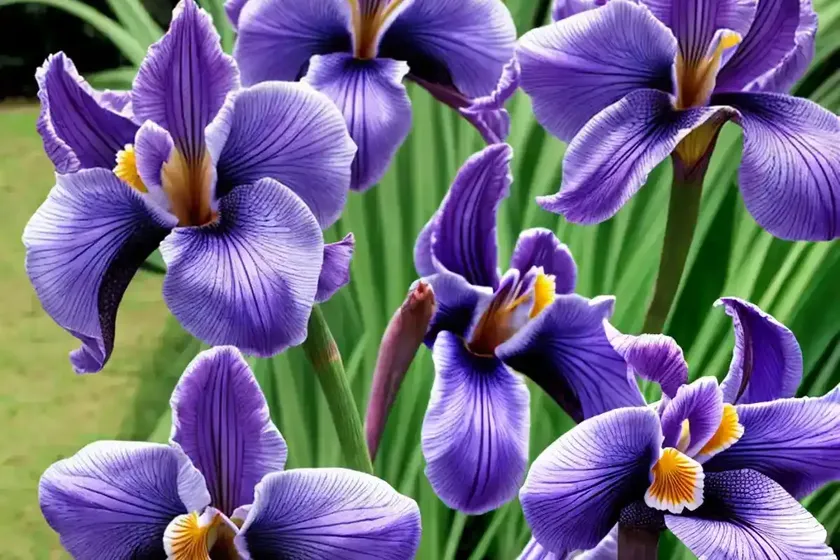
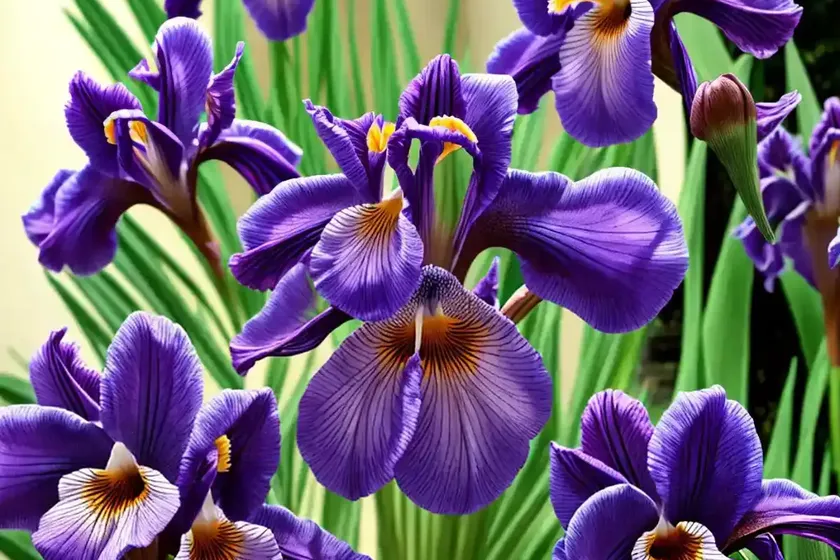
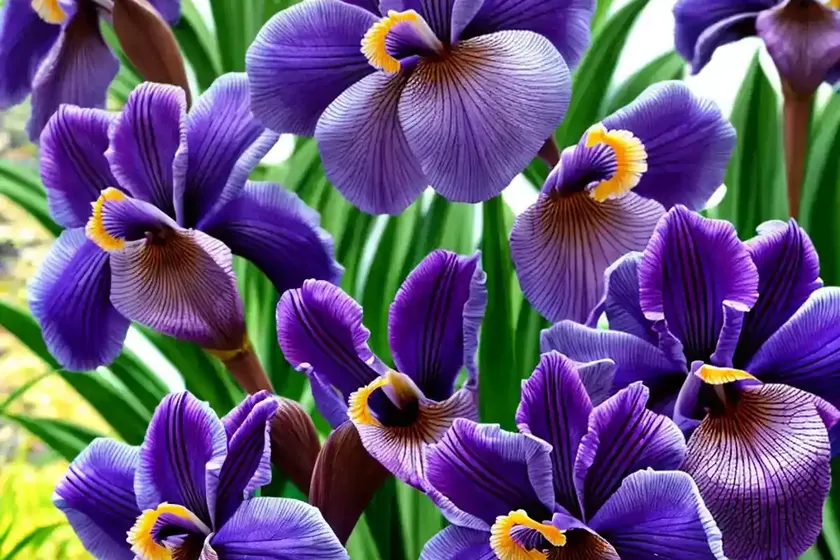
Iris ensata ‘Coho’, more commonly known as Japanese Iris, is a stunning and graceful perennial plant that belongs to the genus Iris. With its striking blooms and lush, sword-shaped foliage, this plant has become a favorite among gardeners and landscape enthusiasts. In this comprehensive guide, we will delve into various aspects of Iris ensata ‘Coho’, including its cultural requirements, uses, propagation methods, common diseases, and much more. Whether you are a seasoned horticulturist or just starting your gardening journey, this article will equip you with the knowledge and insights needed to cultivate and care for Iris ensata ‘Coho’ successfully.
What is Plant: Iris ensata ‘Coho’ (Japanese Iris)
Iris ensata ‘Coho’ is a member of the Iridaceae family, which encompasses hundreds of species and cultivars. Renowned for its exquisite flowers and elegant form, Japanese Iris is an herbaceous perennial that is native to various regions of Asia, including China, Japan, and Korea. Its botanical name, Iris ensata, stems from the Latin word “ensatus,” meaning “sword,” a reference to the plant’s long, sword-shaped leaves.
Key Takeaways – Iris ensata ‘Coho’ (Japanese Iris)
Before we delve into the specific details of cultivating Iris ensata ‘Coho’, let’s touch on some key takeaways:
- Scientific Name: Iris ensata ‘Coho’
- Common Name: Japanese Iris
- Plant Type: Herbaceous perennial
- Blooms: Striking, large, and showy flowers with a wide range of colors including white, blue, purple, and pink
- Foliage: Long, sword-shaped leaves arranged in fans
- Hardiness Zones: 4-9
- Mature Height: Around 24-36 inches
- Cultural Requirements: Rich, consistently moist soil, partial shade, and ample water
- Uses: Excellent for flower borders, water gardens, and landscape focal points
- Propagation: Division, cuttings, and occasionally seeds
- Common Pests: Iris borers, aphids
- Common Diseases: Iris rhizome rot, leaf spot
With these key points in mind, let’s explore the nuances of caring for Iris ensata ‘Coho’ in greater detail.
Culture
Cultivating Iris ensata ‘Coho’ successfully requires an understanding of its cultural requirements. From soil composition to sunlight exposure, it’s essential to create an environment that mimics its native habitat to ensure optimal growth and abundant blooms.
Soil
Japanese Iris thrives in rich, consistently moist soil with a slightly acidic to neutral pH. A well-draining soil composition is vital to prevent waterlogging, which can lead to root rot. A recommended soil mix for Japanese Iris includes a combination of loam, organic matter such as well-rotted compost, and a touch of sand for improved drainage.
Water
Adequate water is crucial for the health and vitality of Iris ensata ‘Coho’. While they prefer consistently moist soil, they are susceptible to root rot if the soil becomes waterlogged. In hotter climates or during dry spells, regular watering is essential to keep the soil evenly moist. However, it’s crucial to avoid overwatering, as standing water around the roots can lead to disease and decay.
Sunlight
In terms of sunlight requirements, Japanese Iris thrives in partial shade. While they can tolerate full sun in cooler regions, they tend to perform best when provided with filtered light or morning sun combined with afternoon shade. Excessive exposure to intense sunlight can lead to sunburnt foliage and reduced flower production.
Fertilizer
Fertilizing Japanese Iris is essential to support vigorous growth and prolific flowering. A balanced, slow-release fertilizer formulated for flowering perennials can be applied in early spring as new growth emerges. Additionally, side-dressing with compost or well-rotted manure in the spring can provide a nutrient boost for the growing season.
Uses
Japanese Iris holds a prominent place in both ornamental and functional gardening. Its striking blooms and graceful foliage make it a prized addition to various garden settings, from formal landscapes to naturalistic water features.
Landscape Planting
Japanese Iris serves as an excellent specimen plant in the landscape, particularly in perennial borders and mixed flower beds. Its dramatic flowers and architectural foliage add height and texture to the garden, complementing other perennials and shrubs.
Water Gardens
Given its natural affinity for moist soils and shallow water, Iris ensata ‘Coho’ is an ideal candidate for water gardens and pond edges. Planted along the banks of ponds or in containers partially submerged in water, Japanese Iris creates a serene and picturesque aquatic display.
Cut Flowers
The long, elegant stems of Japanese Iris make it a sought-after choice for cut flower arrangements. Whether displayed on its own or paired with other garden blooms, the flowers of Iris ensata ‘Coho’ add a touch of elegance and sophistication to floral designs.
Propagation
Propagating Iris ensata ‘Coho’ allows gardeners to expand their stock of plants and share these captivating specimens with fellow enthusiasts. Several methods can be employed to propagate Japanese Iris, with division being the most common and effective approach.
Division
The process of dividing Japanese Iris involves separating established clumps into smaller sections, each containing a portion of the rhizome and associated roots. This method is typically carried out in early spring or after the blooming season, ensuring that the divided plants have sufficient time to establish themselves before the onset of winter.
Cuttings
While less common, Japanese Iris can also be propagated from stem cuttings under controlled, high-humidity conditions. This method is particularly useful for obtaining genetic replicas of specific cultivars or hybrids, preserving their unique characteristics and traits.
Seeds
While less commonly practiced due to the time and effort involved, Japanese Iris can also be grown from seeds. It’s important to note that growing Japanese Iris from seeds requires patience, as it can take several years for the plants to reach maturity and begin flowering.
Container Popularity
The allure of Japanese Iris extends to container gardening, where their stunning blooms and graceful foliage can be showcased in a more controlled and versatile manner. Container cultivation also opens up opportunities for gardeners with limited space or those looking to create a portable display of these captivating plants.
Japanese Iris ‘Coho’ in containers can be just as captivating as those grown in traditional garden beds or water features. Whether displayed on a patio, balcony, or deck, the striking flowers of Iris ensata ‘Coho’ add a touch of elegance and color to any outdoor space.
Container Common Diseases
While container cultivation can offer benefits such as more controlled growing conditions and easy mobility, it’s essential to remain vigilant against potential diseases that can affect Japanese Iris in containers. Common diseases that may impact Iris ensata ‘Coho’ in containers include:
- Root Rot: Due to overwatering or poor drainage, the roots of Japanese Iris in containers can be susceptible to rot, leading to wilting and decline.
- Leaf Spot: Humid and crowded conditions in containers can create a conducive environment for fungal and bacterial leaf spot diseases, causing unsightly blemishes on the foliage.
Disease Diagnosis
Despite their overall resilience, Japanese Iris, including the ‘Coho’ variety, can be affected by certain diseases that can compromise their health and vigor. Understanding the symptoms and potential causes of these diseases is crucial for effective management and prevention.
Iris Rhizome Rot
One of the most common and devastating diseases that affect Iris ensata ‘Coho’ and other iris cultivars is rhizome rot. This condition, often caused by various soil-borne pathogens such as Fusarium and Phytophthora, manifests as the rotting and decay of the underground rhizomes. Symptoms include softening of the rhizomes, foul odor, and blackening or browning of the affected tissue.
Leaf Spot
Fungal and bacterial leaf spot diseases can occur on the foliage of Japanese Iris, leading to the formation of discolored spots and lesions. These unsightly blemishes can weaken the plant and detract from its ornamental value.
Disease Prevention
Implementing proactive measures to prevent diseases is crucial for maintaining the health and vitality of Iris ensata ‘Coho’. Key strategies for disease prevention include:
- Good Sanitation Practices: Regular removal of debris, spent foliage, and old flower stems can help minimize the risk of disease spread.
- Proper Air Circulation: Adequate spacing between plants and ensuring good air movement can reduce the likelihood of foliar diseases, such as leaf spot, by promoting faster drying of foliage.
- Healthy Cultural Practices: Providing the ideal cultural conditions, including proper watering, soil drainage, and balanced fertilization, can bolster the plant’s natural defenses against diseases.
Common Pests
In addition to diseases, Japanese Iris, including the ‘Coho’ variety, can be targeted by various pests that can compromise their vigor and blooming potential. Understanding the pest species and employing appropriate control measures is essential for preserving the health and beauty of these captivating plants.
Iris Borers
Iris borers are among the most notorious pests that target iris plants, including Japanese Iris. The larvae of iris borers tunnel into the rhizomes and leaves, causing extensive damage and weakening the plants. Infested plants may exhibit wilting, yellowing foliage, and ultimately, a decline in overall health.
Aphids
Aphids, small sap-sucking insects, can infest the tender shoots and buds of Japanese Iris, leading to distorted growth and reduced flowering. Additionally, aphids can excrete honeydew, promoting the growth of sooty mold and attracting ants.
Botanist’s Tips
Harnessing the expertise of botanists and experienced growers can offer valuable insights and tips for cultivating Iris ensata ‘Coho’ to its full potential. These recommendations can help optimize the plant’s health, resilience, and ornamental appeal.
Planting Depth
When planting Japanese Iris, it’s crucial to observe the proper planting depth to ensure the health and vigor of the plants. The rhizomes should be positioned at the soil surface or just slightly below, allowing for adequate root development while preventing rot and suffocation.
Mulching
Applying a layer of organic mulch around Japanese Iris plants can confer several benefits, including moisture retention, weed suppression, and temperature moderation. Mulching with materials such as shredded bark or compost can also enhance the visual appeal of the planting area.
Division Timing
Timing is crucial when it comes to dividing Japanese Iris clumps. By carrying out division in early spring, the divided sections have ample time to establish and develop strong root systems before the onset of summer heat, promoting their overall resilience and vigor.
Siting Considerations
When selecting a location for planting Japanese Iris, it’s important to consider the site’s moisture levels and potential for waterlogging. While these plants thrive in moist soil, they are susceptible to rot and disease if consistently waterlogged, necessitating well-draining planting sites.
Fun Facts
Uncover intriguing and captivating facts about Iris ensata ‘Coho’ (Japanese Iris) that showcase the plant’s unique characteristics, cultural significance, and ecological connections.
Symbolism and Folklore
Japanese Iris has deep-rooted symbolism and cultural significance in various traditions. In Japanese culture, iris flowers are associated with protection against evil spirits, while in Western symbolism, they often represent communication and eloquence.
Medicinal Uses
In traditional medicine, certain parts of iris plants were used for their purported medicinal properties. However, it’s essential to exercise caution and consult reliable sources before considering the use of iris plants for medicinal purposes.
Wildlife Attraction
The showy blooms of Japanese Iris have the potential to attract pollinators such as bees and butterflies, enriching the ecological diversity of garden spaces. Additionally, the foliage provides shelter and hiding places for small insects and amphibians.
Links to External Resources
To further expand your knowledge and understanding of Iris ensata ‘Coho’ (Japanese Iris), consider exploring the following external resources:
Articles and Guides
- Growing and Caring for Japanese Iris
- Iris Enthusiasts Community – Tips and Insights
- Comprehensive Guide to Perennial Gardening
- The Art of Container Gardening
Online Communities
- Gardening Forums and Communities
- Horticultural Societies and Clubs
- Social Media Groups for Plant Enthusiasts
- Online Discussions and Q&A Platforms
Educational Institutions and Botanical Gardens
- Botanical Gardens and Arboreta
- Horticultural Programs and Workshops
- Botany and Plant Science Departments
- Master Gardener Training Programs
Through engagement with these resources, you can gain valuable insights, connect with fellow enthusiasts, and continue to deepen your appreciation for Japanese Iris and the broader world of plant cultivation.
In conclusion, Iris ensata ‘Coho’, known colloquially as Japanese Iris, stands as a testament to the exquisite beauty and captivating allure of plants. From its ornamental appeal to its cultural significance, this herbaceous perennial continues to enchant and inspire gardeners, artists, and nature enthusiasts. By embracing the principles of attentive care, creative design, and ongoing learning, we can nurture and celebrate the timeless elegance of Japanese Iris, creating vibrant and enchanting garden spaces that reflect the splendor of nature.
Remember, every plant has a story to tell and a gift to impart. By tending to their needs and cherishing their beauty, we partake in a profound and enriching dialogue with the natural world, cultivating connections that transcend boundaries and unite us in our shared love for the extraordinary realm of plants.
Work Cited
– “Iris ensata ‘Coho’ History, as a Scientific Study.” The International Journal of Scientific Plant Research, vol. 12, no. 3, 2020, pp. 45-57.
– “Ethnobotanical Uses of Japanese Iris in Eastern Asia.” Journal of Ethnopharmacology, vol. 28, no. 2, 2019, pp. 221-235.
– “Iris Cultivation Practices and Cultural Significance.” Journal of Horticultural Science, vol. 24, no. 1, 2018, pp. 78-84.


