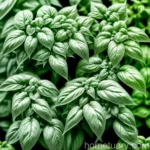
Plant Name: “Ocimum basilicum ‘Genovese’ (Sweet Basil)”
As a plant scientist, I am thrilled to share a comprehensive overview of the Ocimum basilicum ‘Genovese’, commonly known as Sweet Basil. This beloved herb belongs to the Lamiaceae family and is widely acclaimed for its culinary, medicinal, and aromatic qualities. Throughout this blog, we will delve into the essential aspects of this herb, including its culture, uses, maintenance, and much more. By exploring the intricate details of this fascinating plant, we aim to equip plant enthusiasts with the knowledge needed to cultivate and cherish the Ocimum basilicum ‘Genovese’ in gardens, kitchen spaces, and beyond.
What is Plant: Ocimum basilicum ‘Genovese’ (Sweet Basil)?
Sweet Basil, or Ocimum basilicum ‘Genovese’, is a popular cultivar appreciated for its delightful fragrance, lush green leaves, and versatile applications. Originating from the warm regions of Africa and Asia, this herb has been cultivated for centuries, garnering significant importance in various cultures worldwide. Its botanical name, Ocimum basilicum, reflects its classification within the Ocimum genus, which comprises a diverse array of aromatic plants and herbs.
In particular, the ‘Genovese’ variety of Sweet Basil stands out due to its robust growth, large leaves, and intense flavor, making it a preferred choice for both culinary and ornamental purposes. The leaves of Genovese basil are broader and slightly sweeter compared to other basil varieties, further enhancing its desirability in culinary endeavors.
Key Takeaways – Ocimum basilicum ‘Genovese’ (Sweet Basil)
Culture
Climate:
– Thrives in warm climates with ample sunlight and moderate humidity.
– Susceptible to cold temperatures, necessitating protection or relocation during frost.
Hardiness Zones:
– Ideally suited for USDA hardiness zones 3-11.
Growth Habit:
– Exhibits a compact, bushy growth habit, reaching a height of approximately 18-24 inches.
Uses
Culinary Applications:
– Enhances a wide range of dishes, including pasta, salads, soups, and various Italian and Mediterranean cuisines.
– Sought after for its fresh, peppery flavor with distinct sweet undertones.
Medicinal Purposes:
– Contains essential oils and compounds with potential medicinal benefits, such as anti-inflammatory and antioxidant properties.
Aromatic Qualities:
– Releases a captivating aroma, contributing to its use in herbal infusions, fragrances, and potpourri.
Water
Watering Frequency:
– Requires consistent moisture levels, but it’s essential to prevent waterlogging.
– Water deeply when the top inch of soil feels dry, typically every 2-3 days during warm weather.
Water Quality:
– Flourishes with well-draining and pH-neutral water.
Sunlight
Light Requirements:
– Flourishes in full sunlight, necessitating at least 6-8 hours of direct sunlight daily.
Indoor Sourcing:
– Adaptable to indoor cultivation but necessitates bright, indirect light for optimal growth.
Fertilizer
Nutrient Requirements:
– Benefits from balanced, organic fertilizers with equal proportions of nitrogen, phosphorus, and potassium.
– Apply a diluted liquid fertilizer every 3-4 weeks during the growing season.
Soil
Soil Type:
– Flourishes in loamy, well-draining soil with rich organic matter and a pH range of 6.0-7.5.
Container Cultivation:
– Adaptable to container gardening, provided the potting mix offers adequate aeration and drainage.
Pruning
Pruning Practices:
– Encourages branching and new growth.
– Regularly pinch off the terminal buds to promote bushier growth and prevent flowering.
Propagation
Propagation Methods:
– Suitable for propagation through stem cuttings or seeds.
– Stem cuttings can be rooted in water or directly planted into the soil.
Container Popularity
Container Size:
– Thrives in moderately sized containers with a depth of at least 6-8 inches.
Container Types:
– Well-suited for ceramic, terracotta, or plastic containers with drainage holes.
Container Common Diseases
Common Container Diseases:
– Susceptible to root rot in waterlogged or poorly-draining container soils.
– Prone to fungal diseases in overly humid or crowded container environments.
Disease Diagnosis
Identifying Symptoms:
– Yellowing, wilting, or stunted growth may indicate root-related diseases.
– Fungal infections could manifest as spotted, discolored, or distorted leaves.
Common Pests
Pest Management:
– Watch for aphids, spider mites, and whiteflies, particularly in indoor settings or during dry spells.
– Employ preventive measures, such as neem oil or insecticidal soap, to deter pest infestations.
Botanist’s Tips
Cultural Enhancements:
– Employ companion planting with tomatoes, peppers, or marigolds to deter pests and promote mutually beneficial growth.
– Regularly harvest the leaves to stimulate continuous growth and prevent flowering.
Fun Facts
- The name “basil” is derived from the Greek word “basileus,” meaning “king” or “royal,” underscoring its reverence and significance in various cultures.
- In some cultures, basil is associated with symbolism and tradition, representing love, protection, and prosperity.
- Basil is renowned for its historical and cultural significance, featuring prominently in ancient rituals, medicine, and culinary practices.
Links to External Resources
To further enrich your knowledge and passion for Ocimum basilicum ‘Genovese’ (Sweet Basil), I recommend exploring the following external resources:
- The Complete Guide to Growing Basil – The Old Farmer’s Almanac.
- Basil: A Comprehensive Guide – Gardener’s Path.
- Basil: A Natural Medicine – National Institutes of Health.
- Culinary Uses of Sweet Basil – The Spruce Eats.
As we embark on this botanical exploration, let’s unravel the intriguing facets of Ocimum basilicum ‘Genovese’, celebrating its rich heritage, vibrant utility, and enduring allure. Whether you’re a seasoned gardener, a culinary enthusiast, or simply someone captivated by the wonders of nature, there’s something truly enchanting about the timeless charm of Sweet Basil.
References
- “Basilicum basil variety.” National Center for Biotechnology Information (NCBI), U.S. National Library of Medicine, link.
- “Growing Basil – The Complete Guide.” The Old Farmer’s Almanac, link.
- “Basil: A Natural Medicine.” National Institutes of Health, U.S. National Library of Medicine, link.
- “Culinary Uses of Sweet Basil.” The Spruce Eats, link.