Iris Sibirica ‘Shirley Pope’ (Siberian Iris)
Iris sibirica ‘Shirley Pope’ is a stunning and versatile perennial plant that has captured the hearts of gardeners worldwide. Known for its elegant flowers.
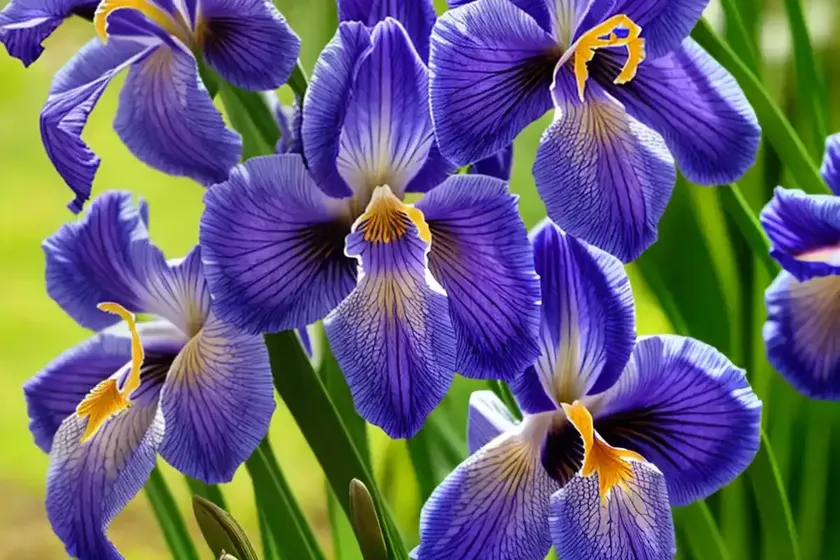
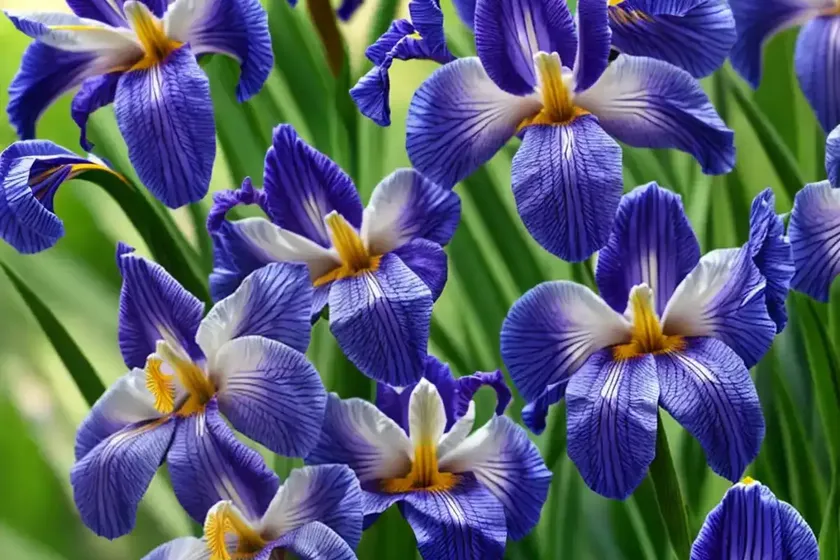

Iris sibirica ‘Shirley Pope’ is a stunning and versatile perennial plant that has captured the hearts of gardeners worldwide. Known for its elegant flowers and low-maintenance nature, this Siberian Iris variety has become a popular choice for garden borders, container planting, and landscape design. In this comprehensive guide, we will delve into the various aspects of Iris sibirica ‘Shirley Pope’, including its cultivation, care, uses, maintenance, and much more.
What is Iris sibirica ‘Shirley Pope’?
Iris sibirica, commonly known as Siberian Iris, is a species of flowering plant native to Eastern Europe and Central Asia. It belongs to the genus Iris, which is renowned for its vibrant and diverse array of flowers. ‘Shirley Pope’ is a particular cultivar of Iris sibirica, celebrated for its exceptional characteristics and ornamental value.
Key Takeaways – Iris sibirica ‘Shirley Pope’
Before delving into the specific aspects of Iris sibirica ‘Shirley Pope’, let’s highlight some key takeaways about this captivating plant:
- Common Name: Siberian Iris ‘Shirley Pope’
- Botanical Name: Iris sibirica ‘Shirley Pope’
- Growing Zone: 3-9
- Mature Height: 24-36 inches
- Bloom Time: Late spring to early summer
- Exposure: Full sun to partial shade
- Water Needs: Moderate
- Soil Preferences: Well-draining, moist soil
- Uses: Borders, container planting, landscaping
- Special Features: Deer resistant, cut flowers
Now that we have an overview of Iris sibirica ‘Shirley Pope’, let’s explore its cultivation, care, and various aspects in detail.
Cultivation of Iris sibirica ‘Shirley Pope’
Cultivating Iris sibirica ‘Shirley Pope’ is a rewarding experience for gardeners, as this resilient plant thrives with minimal maintenance. Whether you’re a seasoned gardener or just starting, understanding the cultivation requirements is essential for the successful growth of this stunning perennial.
Uses
Iris sibirica ‘Shirley Pope’ offers a multitude of uses in the garden and landscaping. Some of its common uses include:
-
Border Plant: The graceful flowers and upright foliage of Iris sibirica ‘Shirley Pope’ make it an ideal choice for creating striking borders in the garden. Whether planted in groups or as standalone specimens, these irises add a touch of elegance to the landscape.
-
Container Planting: Due to its compact growth habit and stunning blooms, ‘Shirley Pope’ is well-suited for container planting. Whether adorning a patio or balcony, these irises bring a splash of color to any outdoor space.
-
Cut Flowers: The exquisite flowers of Iris sibirica ‘Shirley Pope’ make for charming cut flowers in floral arrangements. Their long stems and enduring blooms add a touch of sophistication to bouquets and indoor displays.
-
Landscaping: From mixed perennial beds to naturalistic garden settings, ‘Shirley Pope’ can be incorporated into various landscaping designs, adding a delightful and vibrant element to the overall aesthetics.
Water
Proper watering is crucial for the health and vitality of Iris sibirica ‘Shirley Pope’. While these irises are moderately drought-tolerant once established, they benefit from consistent moisture, particularly during the growing season and flowering period.
- Watering Guidelines:
- Established Plants: During the active growing season, water deeply once a week, ensuring that the soil remains consistently moist but not waterlogged.
- Newly Planted Irises: Provide frequent watering, ensuring that the soil around the roots remains consistently moist until the plants are established.
Sunlight
Iris sibirica ‘Shirley Pope’ thrives in a location that receives ample sunlight, although it can also tolerate partial shade. When selecting the ideal planting spot, consider the sunlight requirements for these irises to ensure optimal growth and prolific flowering.
- Sunlight Requirements:
- Full Sun: Ideally, plant ‘Shirley Pope’ in an area that receives at least 6-8 hours of direct sunlight each day for the best flowering performance.
- Partial Shade: In hotter regions, providing some afternoon shade can help protect the plants from excessive heat and prolong the longevity of the blooms.
Fertilizer
Applying the right type and amount of fertilizer can greatly enhance the growth and blooming potential of Iris sibirica ‘Shirley Pope’. By providing essential nutrients, you can promote vigorous foliage and vibrant flowers, ensuring that your irises thrive year after year.
- Fertilizing Recommendations:
- Early Spring: As new growth emerges, apply a balanced, slow-release fertilizer around the base of the plants. Incorporate the fertilizer into the soil and water thoroughly.
- Avoid Excessive Nitrogen: While irises benefit from fertilizer, excessive nitrogen can lead to foliar growth at the expense of flowers. Use a fertilizer with a balanced N-P-K ratio to support overall plant health.
Soil
The soil composition and quality play a significant role in the success of Iris sibirica ‘Shirley Pope’. These irises have specific preferences when it comes to soil, and meeting those requirements can contribute to their overall vigor and longevity.
- Soil Preferences:
- Well-Draining Soil: ‘Shirley Pope’ thrives in well-draining, loamy soil that allows excess moisture to escape. Avoid heavy clay soils that retain water, as they can lead to issues such as root rot.
- pH Level: While Siberian irises are adaptable to a range of soil pH levels, they tend to prefer slightly acidic to neutral soils (pH 6.0-7.0). Amending the soil with organic matter can help improve its structure and fertility.
Pruning
Pruning is an essential aspect of maintaining the health and aesthetics of Iris sibirica ‘Shirley Pope’. By following proper pruning practices, you can encourage new growth, remove spent flowers, and ensure that the plants remain in optimal condition throughout the growing season.
- Pruning Guidelines:
- Deadheading: Regularly remove faded flowers to encourage additional blooms and prevent the formation of seeds. Deadheading also promotes a tidy appearance and redirects the plant’s energy towards new growth.
- Fall Clean-Up: After the blooming period, trim back any spent flower stalks and remove any withered or yellowing foliage. This helps prepare the plants for winter dormancy and reduces the risk of pests and diseases.
Propagation of Iris sibirica ‘Shirley Pope’
Propagating Iris sibirica ‘Shirley Pope’ allows you to expand your iris collection and share these exquisite plants with fellow gardening enthusiasts. Whether through division or seed propagation, understanding the methods and best practices for propagation is essential for successful reproduction of ‘Shirley Pope’ irises.
Division
Dividing established clumps of Iris sibirica ‘Shirley Pope’ is a reliable and straightforward method of propagation. This approach not only creates new plants but also rejuvenates the original clumps, promoting their vigor and blooming potential.
- Division Steps:
- Timing: The best time for dividing Siberian irises is in late summer to early fall, after the plants have finished flowering and entered a period of dormancy.
- Digging Up the Clumps: Carefully lift the clumps of irises from the ground using a garden fork, ensuring that the entire root system is intact.
- Separating the Rhizomes: Gently separate the rhizomes, ensuring that each division contains healthy roots and a portion of the fan-shaped foliage.
- Replanting: Plant the divisions in prepared soil, spacing them apart to allow for ample growth and development.
Seed Propagation
Growing Iris sibirica ‘Shirley Pope’ from seeds is an exciting and rewarding process, offering the opportunity to observe the stages of germination, growth, and flowering. While this method requires patience, it allows for the generation of unique and diverse seedlings.
- Seed Propagation Steps:
- Collecting Seeds: After the blooming period, allow the seed pods to mature and dry on the plant. Once the pods split open and reveal the seeds, carefully collect them and store them in a cool, dry place.
- Seed Stratification: Siberian iris seeds benefit from a period of cold stratification to break their dormancy. Place the seeds in a moist paper towel or vermiculite, then seal them in a plastic bag and refrigerate them for 6-8 weeks.
- Sowing the Seeds: In early spring, sow the stratified seeds in seed trays or pots filled with a well-draining seed-starting mix. Lightly cover the seeds with a thin layer of soil and water gently.
- Caring for Seedlings: Keep the seedlings moist and provide them with bright, indirect light. Once the seedlings have developed several sets of leaves, they can be transplanted into individual pots or directly into the garden.
Container Gardening with Iris sibirica ‘Shirley Pope’
Utilizing containers to showcase Iris sibirica ‘Shirley Pope’ offers a versatile and charming way to incorporate these irises into various outdoor settings. Whether adorning a patio, balcony, or garden entrance, container gardening allows you to enjoy the beauty of ‘Shirley Pope’ irises up close.
Popularity in Container Gardening
Iris sibirica ‘Shirley Pope’ has gained popularity among container gardening enthusiasts for several reasons, including:
- Compact Growth Habit: The moderate size of ‘Shirley Pope’ irises makes them well-suited for containers, ensuring that they don’t outgrow their allotted space.
- Stunning Blooms: The vibrant and elegant flowers of Siberian Iris ‘Shirley Pope’ serve as captivating focal points in containers, adding color and visual interest to the surroundings.
- Ease of Maintenance: Container-grown irises are relatively low-maintenance and can be moved to different locations to suit changing aesthetic or environmental preferences.
Container Selection
Choosing the right containers for Iris sibirica ‘Shirley Pope’ is essential to ensure the well-being of the plants and create visually appealing arrangements. Consider these factors when selecting containers for ‘Shirley Pope’ irises:
- Size and Depth: Opt for containers that provide ample room for the growth of iris rhizomes and a depth of at least 12-18 inches to accommodate their root systems.
- Drainage Holes: Select containers with adequate drainage holes to prevent waterlogging and ensure proper aeration of the soil.
- Material: While various materials can be used for containers, such as terracotta, plastic, or wood, prioritize durability, aesthetics, and insulation properties when making your selection.
Container Planting Guidelines
When planting Iris sibirica ‘Shirley Pope’ in containers, it’s important to follow specific guidelines to promote healthy growth and blooming. Pay attention to the following considerations when establishing ‘Shirley Pope’ irises in containers:
- Soil Mix: Use a well-draining, high-quality potting mix with added perlite or coarse sand to ensure proper drainage and aeration for the iris roots.
- Planting Depth: Position the iris rhizomes just below the soil surface, ensuring that they are not buried too deeply, which can impede their growth and flowering.
- Watering: Maintain consistent moisture levels in the container soil, ensuring that it remains evenly moist but not waterlogged. Water when the top inch of soil feels dry to the touch.
Container Maintenance
Caring for Iris sibirica ‘Shirley Pope’ in containers involves regular maintenance to support their health and vitality. By addressing watering, fertilizing, and other essential tasks, you can ensure that your container-grown ‘Shirley Pope’ irises thrive and grace your outdoor spaces with their beauty.
-
Watering Needs: Monitor the moisture level in the container soil, adjusting your watering frequency based on environmental conditions and the specific needs of the irises. Avoid allowing the soil to dry out completely or become waterlogged.
-
Fertilization: Provide a balanced, water-soluble fertilizer formulated for flowering plants during the active growing season to support the nutritional requirements of ‘Shirley Pope’ irises. Follow the manufacturer’s recommendations for application frequency and dosage.
-
Deadheading: Remove spent flowers from the iris plants in containers to encourage additional blooms and maintain a tidy appearance. This practice also prevents the formation of seeds, redirecting the plant’s energy towards new growth.
Common Diseases and Pests Affecting Iris sibirica ‘Shirley Pope’
While Iris sibirica ‘Shirley Pope’ is generally resilient and disease-resistant, it can still be susceptible to certain pests and environmental stressors. Understanding the common diseases and pests that may affect these irises equips you with the knowledge to identify and address potential issues promptly.
Disease Diagnosis
Being familiar with the symptoms of common diseases that can affect Iris sibirica ‘Shirley Pope’ allows for early detection and appropriate intervention. Keep an eye out for the following indicators of potential diseases in your ‘Shirley Pope’ irises:
- Leaf Spots: Irregularly shaped spots or lesions on the foliage, often accompanied by discoloration or yellowing.
- Powdery Mildew: White or grayish powdery growth on the leaves and stems, associated with stunted growth and distorted foliage.
- Crown Rot: Soft, discolored, or water-soaked areas at the base of the plant, often leading to wilting and decline.
- Bacterial Leaf Blight: Dark, water-soaked streaks on the leaves, typically spreading rapidly under favorable conditions.
- Fungal Leaf Blight: Brown or tan lesions with distinct margins on the foliage, accompanied by wilting and overall decline.
Common Pests
Several pests may pose a threat to the health and appearance of Iris sibirica ‘Shirley Pope’, requiring proactive measures to minimize their impact and preserve the vigor of the plants. Look out for the following common pests that may affect ‘Shirley Pope’ irises:
- Thrips: These tiny, slender insects feed on the plant’s tissues, causing stippling, discoloration, and distortion of the foliage.
- Aphids: Small, soft-bodied insects that cluster on the undersides of leaves, sucking sap and excreting honeydew, leading to sooty mold and plant weakening.
- Snails and Slugs: These mollusks feed on the tender foliage and flowers of irises, leaving behind irregular holes and ragged edges.
- Japanese Beetles: Metallic green beetles that consume the foliage and flowers of irises, causing extensive defoliation and aesthetic damage.
Management and Treatment
Implementing proactive measures and appropriate treatments is crucial to manage the common diseases and pests that may affect Iris sibirica ‘Shirley Pope’. Consider the following strategies to address potential issues effectively:
-
Cultural Practices: Promote overall plant health by providing optimal growing conditions, including proper sunlight, watering, and soil nutrition. Healthy plants are better equipped to resist diseases and pest infestations.
-
Pruning and Sanitation: Regularly remove and dispose of any diseased or infested plant material to prevent the spread of pathogens and minimize pest populations. Keep the garden clean and well-maintained to reduce favorable conditions for pests and diseases.
-
Natural Predators: Encourage the presence of natural predators in the garden, such as ladybugs and lacewings, which help control aphid populations. Implementing companion planting strategies can attract beneficial insects that contribute to pest management.
-
Organic Treatments: Utilize organic solutions such as neem oil, insecticidal soap, or horticultural oil to address pest infestations while minimizing harm to beneficial insects and the surrounding environment. Follow the application instructions and safety guidelines provided by the product manufacturers.
Botanist’s Tips for Growing Iris sibirica ‘Shirley Pope’
As a plant scientist with a passion for iris cultivation, I have gathered a collection of valuable tips for growing and caring for Iris sibirica ‘Shirley Pope’. These insights are based on scientific knowledge, practical experience, and a deep appreciation for the natural beauty of these captivating irises.
Fun Facts about Iris sibirica ‘Shirley Pope’
Before delving into the botanist’s tips, let’s explore some intriguing and delightful fun facts about Iris sibirica ‘Shirley Pope’:
-
Hardiness: ‘Shirley Pope’ irises are known for their exceptional hardiness, withstanding cold winters and thriving in various climatic conditions, making them ideal choices for temperate gardens.
-
Wildlife Attraction: The striking blooms of ‘Shirley Pope’ irises attract pollinators such as bees and butterflies, adding to the biodiversity of the garden and supporting the local ecosystem.
-
Variegated Foliage: In addition to its captivating flowers, ‘Shirley Pope’ may also exhibit variegated foliage with subtle patterns and coloration, adding an extra layer of visual interest to the plants.
-
Perennial Nature: Iris sibirica ‘Shirley Pope’ is a long-lived perennial plant, returning year after year to grace the garden with its charming blooms and graceful foliage.
Botanist’s Tips
Drawing from my expertise in plant science and horticulture, here are some botanist’s tips for growing Iris sibirica ‘Shirley Pope’ and ensuring their long-term success in the garden:
-
Ideal Growing Conditions: Select a well-drained location for planting ‘Shirley Pope’ irises, offering full sun to partial shade and fertile, moisture-retentive soil to support their growth and flowering.
-
Moderate Watering: While ‘Shirley Pope’ irises benefit from consistent moisture, it’s crucial to avoid overwatering, as excessive soil moisture can lead to root rot and other complications. Monitor the soil moisture levels and adjust your watering practices accordingly.
-
Prudent Pruning: Engage in regular pruning and deadheading to maintain the tidy appearance of ‘Shirley Pope’ irises, promote additional blooming, and prevent the formation of seed pods that can divert the plant’s energy.
-
Companion Planting: Consider incorporating companion plants that complement ‘Shirley Pope’ irises, such as ornamental grasses, daylilies, or other perennials that share similar cultural requirements and create harmonious garden combinations.
-
Winter Care: Prepare ‘Shirley Pope’ irises for winter by clearing away any debris, applying a layer of mulch, and ensuring that the plants enter the dormant season in a healthy and robust state. This helps protect them from extreme cold and frost.
By incorporating these botanist’s tips into your approach to growing Iris sibirica ‘Shirley Pope’, you can foster the growth and beauty of these stunning irises while enriching your gardening experience.
Links to External Resources
For those seeking further information and resources on Iris sibirica ‘Shirley Pope’, explore the following links to expand your knowledge and appreciation of this remarkable perennial plant:
- [Royal Horticultural Society – Iris Sibirica](https://www.rhs.org.uk/Plants/12617/i-Iris


