Lewisia Rediviva (Bitter Root)
Plants have always held a special place in human society, serving as a source of food, medicine, and beauty. Among the myriad of plant species, Lewisia.
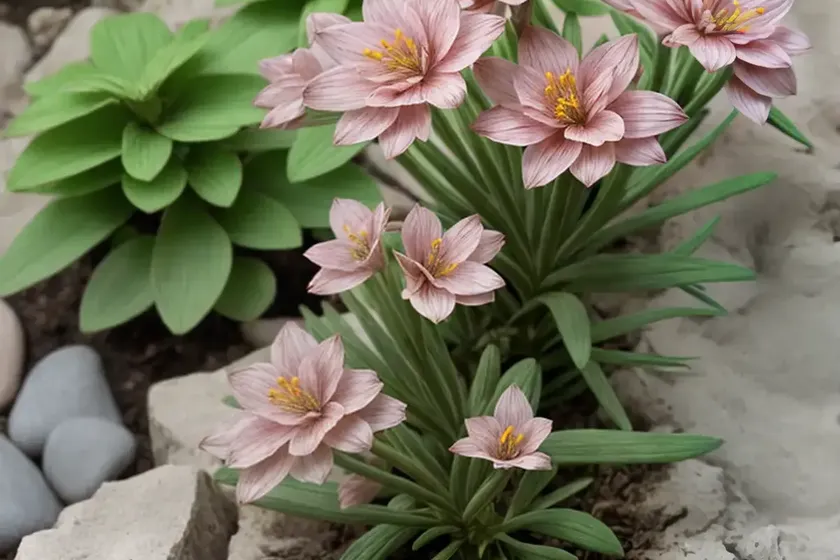
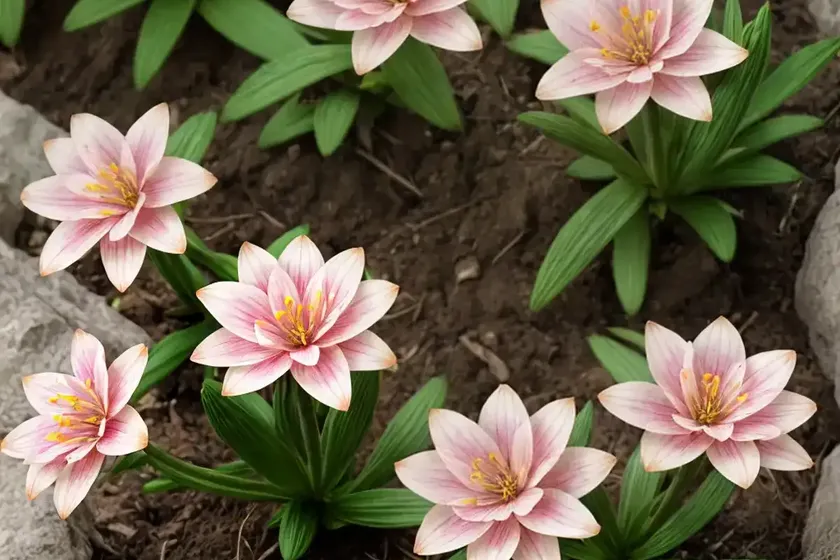
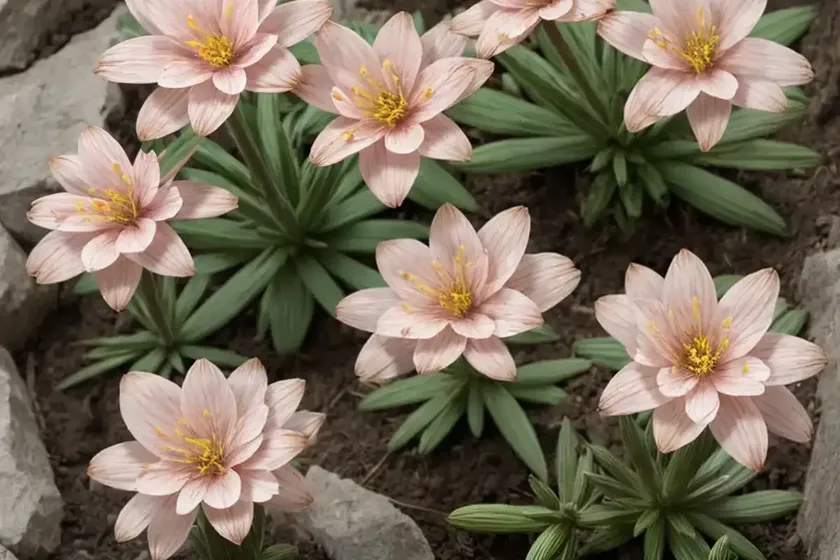
Plants have always held a special place in human society, serving as a source of food, medicine, and beauty. Among the myriad of plant species, Lewisia rediviva, commonly known as Bitter Root, stands out as a fascinating and valuable plant with a rich cultural and ecological significance. In this comprehensive guide, we will delve into the various aspects of Lewisia rediviva, including its culture, uses, propagation, and maintenance. In addition, we will explore its ecological roles, gardening tips, and interesting facts. So, let’s embark on a journey to discover the wondrous world of Lewisia rediviva.
What is Lewisia rediviva (Bitter Root)?
Lewisia rediviva is a small, flowering perennial plant native to western North America. It belongs to the family Montiaceae and is characterized by its succulent leaves and showy, star-shaped flowers. The plant is renowned for its significant historical and cultural relevance to various indigenous tribes in the region. It was an important food source for Native American tribes, who used the starchy root as a staple in their diets. The plant’s name, “Bitter Root,” is derived from the bitter taste of its root, which is also a notable feature of its traditional medicinal uses.
Key Takeaways – Lewisia rediviva (Bitter Root)
Before we delve into the details of the Bitter Root plant, let’s summarize the key takeaways related to Lewisia rediviva:
- Scientific Name: Lewisia rediviva
- Common Name: Bitter Root
- Plant Type: Perennial
- Family: Montiaceae
- Native Range: Western North America
- Habitat: Dry, rocky soils
- Medicinal Uses: Traditional remedy for various ailments
- Cultural Significance: Historically important food source for Native American tribes
- Garden Uses: Ornamental value in rock gardens and native plant landscapes
Now that we have an overview of Lewisia rediviva, let’s explore the various aspects of its culture, uses, and maintenance, starting with its basic requirements.
Culture
Cultivating Lewisia rediviva requires an understanding of its specific environmental and care needs. From soil and water requirements to sunlight exposure and fertilizer application, providing an optimal growing environment is essential for the health and vigor of this fascinating plant.
Uses
Lewisia rediviva holds both historical and contemporary significance due to its diverse uses. The plant serves various purposes, ranging from traditional medicinal applications to ornamental landscaping. Understanding these uses allows us to appreciate the plant’s value and potential.
Water
Water is a critical factor in the successful cultivation of Lewisia rediviva. Given its native habitat in dry, rocky soils, understanding the plant’s water requirements is essential for its overall health and vigor.
Sunlight
As with many plants, sunlight plays a crucial role in the growth and flowering of Lewisia rediviva. Understanding the plant’s sunlight preferences is key to creating an optimal growing environment.
Fertilizer
Appropriate fertilization can enhance the growth and performance of Lewisia rediviva. Understanding the plant’s nutrient needs and the best fertilization practices is essential to support its development.
Soil
The soil is the foundation of plant growth, and understanding the specific soil requirements of Lewisia rediviva is crucial for its successful cultivation.
Pruning
Pruning is an essential aspect of plant maintenance, and knowing how to prune Lewisia rediviva can help promote healthy growth and abundant flowering.
Propagation
Reproducing Lewisia rediviva through propagation methods such as seed sowing or division can expand its presence in gardens and landscapes while preserving its genetic diversity.
Container Popularity
Lewisia rediviva’s adaptability to container gardening makes it a popular choice for individuals with limited garden space or those seeking to showcase its beauty in a controlled environment.
Common Diseases
Like all plants, Lewisia rediviva is susceptible to certain diseases that can affect its overall health and appearance. Understanding these diseases and their diagnosis is essential for effective management.
Disease Diagnosis
Being able to identify common diseases that affect Lewisia rediviva is the first step in implementing appropriate treatment and preventative measures to protect the plant.
Common Pests
Pests can pose a threat to the health and vitality of Lewisia rediviva. Understanding the common pests that affect the plant and implementing pest management strategies is essential for its well-being.
Botanist’s Tips
As a plant with unique characteristics and specific care requirements, Lewisia rediviva benefits from insights and tips from botanists and experienced gardeners.
Fun Facts
Uncover interesting and lesser-known facts about Lewisia rediviva that shed light on its ecological significance, cultural importance, and remarkable qualities.
Links to External Resources
For further exploration of Lewisia rediviva, you can refer to the following external resources:
- Montana Plant Life – Provides detailed information about the habitat, description, and ecological role of Lewisia rediviva.
- USDA Plants Database – Offers comprehensive botanical information, native distribution, and conservation status of Bitter Root.
- North American Native Plant Society – Features articles and resources on the cultivation and ecological importance of Lewisia rediviva in North America.
By delving deeper into the culture, uses, maintenance, and ecological role of Lewisia rediviva, we can gain a deeper appreciation for this remarkable plant and its significance in both natural and human landscapes. Whether grown for its ornamental beauty, historical importance, or medicinal potential, Lewisia rediviva continues to captivate and enrich our lives. Let’s celebrate the marvels of Bitter Root and ensure its preservation and sustainable use for generations to come.


