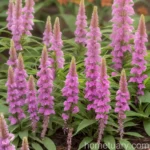
The Obedient Plant (Physostegia virginiana ‘Summer Snow’) – A Complete Guide
The charming obedient plant, Physostegia virginiana ‘Summer Snow’, is a delightful addition to any garden. Its unique name originates from the flower’s ability to be pushed into place and remain obedient, hence the common name “obedient plant.” This perennial beauty is a North American native, known for its distinct flowers and easy care requirements. In this comprehensive guide, we will explore the various aspects of growing and caring for the obedient plant, from culture and uses to maintenance and troubleshooting.
What is the Obedient Plant?
The obedient plant, scientifically known as Physostegia virginiana, is a flowering perennial native to North America. It is a member of the mint family (Lamiaceae) and is characterized by its vibrant spikes of pink or white flowers that bloom in late summer to early fall. The ‘Summer Snow’ variety, specifically, features striking white blooms that attract pollinators and add a touch of elegance to garden landscapes.
Key Takeaways
Before delving into the specifics of obedient plant care, let’s highlight some key takeaways about this delightful perennial:
- Common Name: Obedient Plant
- Scientific Name: Physostegia virginiana ‘Summer Snow’
- Flower Color: White
- Bloom Time: Late summer to early fall
- Growth Habit: Clump-forming perennial
- Uses: Landscaping, pollinator attraction
- Native Habitat: North America
- Sun Exposure: Full sun to partial shade
- Soil Type: Well-draining, fertile soil
- Maintenance: Low to moderate
- Pests: Generally pest-resistant
- Diseases: Minimal susceptibility
Now, let’s explore the various aspects of caring for and cultivating the obedient plant, including its culture, uses, maintenance, and more.
Culture
Understanding the cultural requirements of the obedient plant is crucial for ensuring its optimal growth and blooming. From soil preferences to pruning techniques, here’s a comprehensive overview of the cultural aspects to consider when nurturing this stunning perennial.
Uses
The obedient plant, with its elegant spikes of flowers and adaptable nature, serves several purposes in garden landscapes. Understanding its uses can help in incorporating it effectively into various garden designs and settings.
Landscaping
The breathtaking blooms of the obedient plant make it a prized addition to garden borders, cottage gardens, and naturalistic landscapes. Its vertical flower spikes complement the surrounding flora and attract beneficial insects, such as bees and butterflies, making it an excellent choice for wildlife-friendly gardens.
Pollinator Attraction
The nectar-rich flowers of the obedient plant act as a magnet for pollinators, including bees and butterflies. By planting this perennial, gardeners can contribute to supporting and conserving local pollinator populations while enjoying the lively presence of these winged visitors.
Water
Watering plays a crucial role in maintaining the health and vigor of the obedient plant. While it is tolerant of various soil moisture levels, providing consistent moisture, especially during the establishment phase and periods of prolonged drought, is essential for promoting robust growth and flowering.
- Establishment: Ensure adequate watering during the initial establishment of the plant, especially if planted from nursery-grown specimens.
- Regular Watering: Provide moderate, consistent watering during dry spells or prolonged periods of heat to prevent the soil from drying out completely.
- Avoid Waterlogged Soil: While the obedient plant tolerates moist soil, it does not thrive in waterlogged conditions. Ensure proper drainage to prevent waterlogging and root rot.
Sunlight
Proper sunlight exposure is crucial for the obedient plant to thrive and produce an abundance of flowers. Understanding its sunlight requirements can help in selecting the ideal planting location and maximizing its ornamental value.
- Full Sun: The obedient plant flourishes in full sun, where it receives at least 6-8 hours of direct sunlight per day. Plant it in sunny borders, open meadows, or garden beds with ample light exposure for optimal growth and flowering.
- Partial Shade: While it prefers full sun, the obedient plant also tolerates partial shade, especially in regions with intense summer heat. In such areas, providing partial shade during the hottest part of the day can prevent stress and sunburn.
Fertilizer
Proper fertilization can enhance the growth and blooming of the obedient plant, ensuring that it maintains its vigor and floral display throughout the growing season. Understanding the fertilization needs of this perennial is key to providing it with the necessary nutrients for healthy development.
- Fertilization Timing: Apply a balanced, slow-release fertilizer in early spring as new growth emerges to provide essential nutrients for the upcoming growing season.
- Moderate Fertilization: Avoid excessive fertilization, as this can lead to vegetative growth at the expense of prolific flowering. A moderate application of a balanced fertilizer is typically sufficient for maintaining the obedient plant’s vitality.
- Topdressing with Compost: In lieu of synthetic fertilizers, topdressing the soil around the base of the plant with organic compost can provide a natural source of nutrients and promote soil health.
Soil
The soil type and quality directly impact the overall health and performance of the obedient plant. By understanding its soil preferences and making necessary amendments, gardeners can create an ideal growing environment for this charming perennial.
- Well-Draining Soil: The obedient plant thrives in well-draining, fertile soil that allows excess moisture to percolate through and prevents waterlogged conditions.
- Organic Matter: Incorporating organic matter, such as compost or well-rotted manure, into the soil prior to planting enhances its fertility and structure, providing a conducive environment for root establishment and growth.
- Soil pH: While adaptable to a range of soil pH levels, the obedient plant prefers slightly acidic to neutral soil (pH 6.0-7.0). Conducting a soil test and adjusting the pH as needed can optimize its nutrient uptake and overall performance.
Pruning
Pruning the obedient plant is essential for maintaining its appearance, preventing self-seeding, and promoting vigorous growth. By employing proper pruning techniques, gardeners can shape the plant and prevent it from becoming invasive in the garden landscape.
- Deadheading: Regular removal of spent flowers, known as deadheading, promotes continuous blooming and prevents the plant from redirecting its energy into seed production.
- Division: To control its spread and rejuvenate dense clumps, divide mature obedient plants every 3-4 years in early spring or late fall. Replant the divided sections and ensure ample moisture during the establishment phase.
Propagation
The propagation of the obedient plant allows gardeners to expand their collection and share this captivating perennial with fellow enthusiasts. Whether through division, seed sowing, or stem cuttings, understanding the various propagation methods is key to successful reproduction.
- Division: Divide mature clumps of the obedient plant in early spring before new growth emerges or in late fall after the plant has gone dormant. Carefully separate the sections and replant them in prepared soil, ensuring adequate moisture for establishment.
- Seed Sowing: Collect seeds from mature flower spikes and sow them in trays or pots filled with well-draining seed-starting mix. Maintain consistent moisture and warmth to encourage germination, then transplant the young seedlings into individual containers or the garden bed once they develop several sets of true leaves.
Container Popularity
The obedient plant’s versatility and stunning floral display make it a popular choice for container gardening. When grown in containers, it adds vertical interest and a splash of color to patios, balconies, and outdoor living spaces.
- Container Selection: Choose a large, sturdy container with adequate drainage holes to accommodate the obedient plant’s root system and promote good aeration.
- Potting Mix: Fill the container with a well-draining, nutrient-rich potting mix that provides ample support and moisture retention for the plant.
- Watering: Monitor the soil moisture in containers closely and water as needed, especially during hot, dry periods, to prevent the soil from drying out completely.
- Overwintering: In regions with harsh winters, consider overwintering container-grown obedient plants in a sheltered location or insulating the containers to protect the roots from freezing temperatures.
Common Diseases and Pests
While typically resilient, the obedient plant can occasionally encounter disease and pest issues that impact its health and appearance. Understanding these potential challenges and implementing preventive measures is essential for maintaining the plant’s vitality.
Disease Diagnosis
The obedient plant is generally resistant to disease, but certain environmental conditions and cultural practices can predispose it to specific ailments. Common diseases to watch out for include:
- Powdery Mildew: A fungal disease characterized by white, powdery growth on the foliage, especially during periods of high humidity. Improve air circulation and avoid overhead watering to minimize powdery mildew incidence.
- Leaf Spot: Circular or irregular dark spots on the foliage may indicate a leaf spot disease. Remove and dispose of affected leaves, and ensure proper sanitation to prevent the spread of the pathogen.
Common Pests
The obedient plant is relatively unattractive to most pests, but occasional infestations may occur. Monitor the plant regularly for signs of pest activity and employ appropriate control measures as needed. Common pests include:
- Aphids: Small, sap-sucking insects that may cluster on the tender shoots and flower buds. Use a strong blast of water or insecticidal soap to dislodge and control aphid populations.
- Spider Mites: These tiny arachnids may cause stippling or webbing on the leaves, especially in hot, dry conditions. Regularly misting the foliage and using horticultural oil can deter spider mite infestations.
Botanist’s Tips
To ensure the success and vitality of the obedient plant in garden landscapes, the following tips from botanists and seasoned gardeners can provide valuable insights:
- Support for Tall Stems: Install discreet stakes or plant supports around tall and sprawling stems to prevent them from bending or leaning excessively, especially in windy conditions or heavy rainfall.
- Companion Planting: Pair the obedient plant with companion species that complement its growth habits and ornamental qualities, such as ornamental grasses, coneflowers (Echinacea spp.), and bee balm (Monarda spp.).
Fun Facts
Finally, let’s unravel some captivating fun facts about the obedient plant that add to its allure and appeal in garden settings:
- Historical Uses: The indigenous peoples of North America historically utilized the obedient plant for its purported medicinal properties, including the treatment of various ailments.
- Butterfly Magnet: While the obedient plant attracts a variety of pollinators, its particular appeal to butterflies adds a magical touch to garden landscapes, as these vibrant insects flit amongst the blooming flower spikes.
Links to External Resources
For further exploration and in-depth information on the obedient plant, consider the following external resources:
- Obedient Plant Care Guide
- Growing Obedient Plants in the Garden
- Perennial Resource: Physostegia virginiana ‘Summer Snow’
In conclusion, the obedient plant (Physostegia virginiana ‘Summer Snow’) stands as a remarkable perennial with its striking flowers, adaptable nature, and versatile uses in garden landscapes. By understanding its cultural requirements, uses, and maintenance practices, gardeners can cultivate and showcase this captivating plant, adding a touch of elegance and pollinator-friendly charm to outdoor spaces.
By integrating the information and tips presented in this guide, enthusiasts can embark on a rewarding journey of growing, caring for, and appreciating the obedient plant’s unique beauty and benefits in diverse gardening settings. Whether in traditional garden beds, wildlife-friendly landscapes, or container gardens, the obedient plant’s alluring presence and easygoing nature make it a valuable addition to any horticultural repertoire.