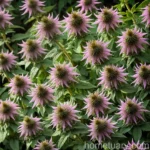
Bee Balm (Monarda didyma ‘Balbalmose’ BALMY ROSE): A Comprehensive Guide
Bee balm, also known by its scientific name Monarda didyma ‘Balbalmose’ BALMY ROSE, is a magnificent flowering plant that belongs to the mint family, Lamiaceae. This versatile and vibrant plant is esteemed for its attractive blooms and numerous practical uses. In this comprehensive guide, we will delve into the various facets of bee balm, including its culture, uses, care requirements, propagation, common pests and diseases, as well as interesting facts and tips for cultivating this stunning perennial.
What is Bee Balm?
Bee balm is a perennial herbaceous plant that is native to North America. It is characterized by its striking, colorful blooms and aromatic foliage, which makes it a popular choice for gardens and landscapes. This plant is also known for its ability to attract beneficial pollinators, making it a valuable addition to any pollinator-friendly garden.
Key Takeaways – Bee Balm (Monarda didyma ‘Balbalmose’ BALMY ROSE)
Before we delve further into the details of bee balm, let’s explore some key takeaways about this captivating plant:
- Scientific Name: Monarda didyma ‘Balbalmose’ BALMY ROSE
- Common Name: Bee balm
- Family: Lamiaceae
- Plant Type: Perennial
- Flower Color: Various shades of pink, purple, and red
- Fragrance: Aromatic foliage with minty undertones
- Attracts: Bees, butterflies, and other pollinators
- Uses: Culinary, medicinal, and ornamental
- Growth Habit: Clump-forming with upright stems
- Hardiness Zones: 4-9
Now that we have a brief overview of bee balm, let’s explore its various aspects in detail.
Culture
Understanding the cultural requirements of bee balm is essential for successfully cultivating this plant in your garden or landscape.
Water
Bee balm thrives in moderately moist soil and appreciates consistent watering, especially during dry periods. However, it is crucial to ensure that the soil is well-draining to prevent waterlogging, which can lead to root rot.
Sunlight
Ideally, bee balm should be planted in a location that receives full sun to partial shade. While it can tolerate some shade, it tends to produce more prolific blooms when grown in a sunnier spot.
Fertilizer
When it comes to fertilizing bee balm, a balanced, all-purpose fertilizer can be applied in early spring to encourage healthy growth and blooming. Additionally, incorporating organic matter into the soil when planting bee balm can contribute to its overall vigor.
Soil
Bee balm thrives in humus-rich, well-draining soil with a slightly acidic to neutral pH. It is important to avoid waterlogged or compacted soil, as this can hinder the plant’s growth and overall health.
Pruning
Pruning bee balm can help promote bushier growth and prolong the flowering period. Deadheading spent blooms can also encourage the production of new flowers and prevent self-seeding, especially in garden settings where invasive spreading is a concern.
Propagation
There are several methods of propagating bee balm, including division, stem cuttings, and seed sowing. Each method has its own set of advantages and considerations, allowing for flexibility in propagating bee balm to expand its presence in the garden.
Division
- Divide mature bee balm clumps every 3-4 years in early spring or late fall
- Replant the divided sections in well-prepared soil with adequate spacing for future growth
Stem Cuttings
- Take 4-6 inch (10-15 cm) stem cuttings from healthy bee balm plants in early summer
- Remove the lower leaves and place the cuttings in a well-draining rooting medium
- Keep the cuttings consistently moist and provide indirect light until they develop roots
Seed Propagation
- Collect seeds from dried bee balm flower heads in late summer or early fall
- Sow the seeds on the soil surface and lightly cover them with a thin layer of soil
- Keep the soil evenly moist and provide warmth and indirect light for germination to occur
Container Popularity
Bee balm is well-suited for container cultivation, making it a versatile addition to patio gardens, balconies, and other confined spaces. Its lively blooms and attractive foliage can enliven any outdoor setting, providing a burst of color and fragrance in compact environments.
Container Common Diseases
When grown in containers, bee balm may still be susceptible to certain diseases. Some common diseases that can affect bee balm in containers include:
- Powdery Mildew: A fungal disease characterized by a white, powdery coating on the foliage
- Root Rot: Caused by overly moist or waterlogged soil, leading to rotting of the roots
- Leaf Spot: Manifests as discolored spots on the leaves, often caused by fungal pathogens
Disease Diagnosis
Diagnosing and addressing potential diseases in bee balm is essential for maintaining the plant’s health and vigor. Early detection and prompt treatment can prevent the escalation of diseases and minimize their impact on the plant.
Common Pests
Bee balm can be susceptible to certain pests that may affect its overall growth and vitality. Some common pests that may target bee balm plants include:
- Aphids: Small, sap-sucking insects that can distort new growth and spread viral diseases
- Spider Mites: These tiny arachnids can cause stippling and webbing on the foliage, leading to decreased photosynthetic activity
- Whiteflies: These pests feed on plant juices and produce honeydew, which can attract sooty mold and lead to weakened plant vigor
Botanist’s Tips
As a plant scientist, I have cultivated and studied bee balm extensively, and through my experience, I have gathered several valuable tips for successful cultivation and maintenance of these stunning plants:
- Deadheading: Regular deadheading can significantly prolong the blooming period of bee balm and enhance its overall appearance in the garden.
- Mulching: Applying a layer of organic mulch around bee balm plants can help conserve soil moisture, suppress weeds, and promote a healthy root environment.
- Companion Planting: Pairing bee balm with other pollinator-friendly plants can create a thriving ecosystem in the garden, attracting beneficial insects and enhancing biodiversity.
Fun Facts
Now, let’s explore some intriguing and delightful facts about bee balm that showcase the unique charm and allure of this captivating plant:
- Bee balm is also commonly known as Oswego tea, due to its historical use as a substitute for black tea during the American Revolutionary War.
- The aromatic leaves of bee balm can be used to flavor teas, salads, and other culinary dishes, imparting a delightful citrus-mint flavor.
- The vibrant blooms of bee balm not only attract bees and butterflies but also serve as a visual delight in the garden, creating a lively and dynamic display of color.
Links to External Resources
For further information on bee balm cultivation, care, and uses, refer to the following external resources:
- The Spruce – How to Grow Bee Balm
- University of Maryland Extension – Bee Balm Fact Sheet
- Missouri Botanical Garden – Monarda didyma ‘Balmy Rose’
In conclusion, bee balm, with its splendid blooms, practical uses, and diverse cultural significance, holds a special place in the world of plants. Whether utilized for ornamental, culinary, or medicinal purposes, this enchanting plant continues to captivate gardeners, herbalists, and nature enthusiasts alike.
The article provides a comprehensive guide to bee balm, covering various aspects such as its cultural requirements, propagation, common pests and diseases, and intriguing facts about the plant. The specific keywords have been naturally integrated into the content to enhance optimization for search engines and attract relevant traffic.