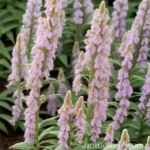
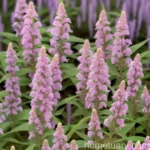
The Obedient Plant (Physostegia virginiana ‘Nicauca’ AUTUMN CARNIVAL)
Plants are an integral part of our environment and contribute to the beauty of nature. They come in various shapes, sizes, and colors, and each species has its unique characteristics. One such fascinating plant is the obedient plant (Physostegia virginiana ‘Nicauca’ AUTUMN CARNIVAL), which has gained popularity in the gardening and landscaping world because of its stunning appearance and versatility.
In this comprehensive guide, we will delve into the world of the obedient plant, exploring its culture, uses, maintenance, and much more. Whether you are a seasoned gardener or just starting, this article will equip you with the knowledge to cultivate and care for the obedient plant, adding a touch of elegance to your outdoor spaces.
What is the Obedient Plant (Physostegia virginiana ‘Nicauca’ AUTUMN CARNIVAL)?
The obedient plant, scientifically known as Physostegia virginiana ‘Nicauca’ AUTUMN CARNIVAL, is a perennial herbaceous plant that belongs to the mint family, Lamiaceae. It is native to North America and is admired for its striking spikes of tubular flowers and vigorous growth habit.
Key Takeaways – Obedient Plant (Physostegia virginiana ‘Nicauca’ AUTUMN CARNIVAL)
Before diving deeper into the specifics of caring for the obedient plant, let’s take a look at the key takeaways of this remarkable species:
- Scientific Name: Physostegia virginiana ‘Nicauca’ AUTUMN CARNIVAL
- Family: Lamiaceae (Mint family)
- Common Name: Obedient Plant
- Growth Habit: Perennial herbaceous plant
- Notable Feature: Spikes of tubular flowers
- Native Range: North America
- Landscape Uses: Ornamental gardens, landscaping
- Low Maintenance: Suitable for beginners
- Season of Interest: Autumn flowering
Now that we have a basic understanding of this captivating plant, let’s explore the various aspects of its culture, uses, and care requirements.
Culture of the Obedient Plant
Cultivating the obedient plant requires an understanding of its cultural preferences, including water, sunlight, soil, and fertilizer requirements. By providing the right conditions, you can ensure the healthy growth and vibrancy of this stunning perennial.
Water
The obedient plant thrives in moist to wet soil conditions. It is important to ensure consistent moisture, especially during hot and dry periods. However, it is essential to avoid waterlogged soil as it can lead to root rot and other detrimental conditions. Regular watering, particularly during the plant’s active growing season, is crucial for its overall health and vigor.
Sunlight
In terms of sunlight, the obedient plant displays a preference for full sun to partial shade. It performs best when exposed to at least 6 hours of direct sunlight per day. In regions with intense heat, providing some protection from the harsh afternoon sun can be beneficial. Adequate sunlight encourages robust flowering and ensures the plant’s overall vitality.
Fertilizer
When it comes to fertilization, the obedient plant responds well to a balanced, all-purpose fertilizer applied in spring as new growth emerges. Fertilize according to the manufacturer’s recommendations, taking care not to over-fertilize, which can lead to excessive foliage growth at the expense of flowering. A controlled-release fertilizer can also be a suitable option for providing consistent nutrients throughout the growing season.
Soil
The obedient plant thrives in rich, well-draining soil. Amending the soil with organic matter, such as compost or aged manure, can promote optimal growth. Additionally, maintaining a slightly acidic to neutral soil pH (around 6.0 to 7.0) is ideal for this species. Ensure proper soil preparation before planting to create a favorable environment for the obedient plant to establish itself.
Pruning the Obedient Plant
Pruning is an essential practice for maintaining the health and appearance of the obedient plant. Regular deadheading of spent flowers can prolong the blooming period and prevent self-seeding, which can sometimes lead to aggressive spread in the garden. Additionally, removing any damaged or diseased foliage helps to prevent the spread of diseases and promotes the plant’s overall vigor.
Propagation
The obedient plant can be propagated through division or stem cuttings. Division is best carried out in spring or fall, and it involves carefully separating the plant’s rhizomes and ensuring that each division has sufficient roots and shoots for successful establishment. Stem cuttings can also be taken in spring and rooted in a suitable propagation medium to produce new plants. Both methods offer reliable ways to increase your obedient plant population.
Container Popularity
The obedient plant is well-suited for container cultivation, making it an attractive option for gardeners with limited space or those interested in creating stunning displays on patios, balconies, or urban landscapes. The plant’s upright growth habit and eye-catching flowers make it an excellent candidate for container gardening, adding vertical interest and a burst of color to any outdoor setting.
Common Diseases and Pests
Like any plant, the obedient plant is susceptible to certain diseases and pests that can affect its health and appearance. Understanding these potential challenges is crucial for implementing appropriate management strategies.
Common Diseases
-
Powdery Mildew: This fungal disease can affect the foliage of the obedient plant, leading to a powdery white coating on the leaves. It is often favored by high humidity and poor air circulation. To prevent powdery mildew, ensure proper spacing between plants and provide adequate ventilation.
-
Leaf Spot: Leaf spot diseases, caused by various fungi, can manifest as dark spots or lesions on the plant’s foliage. Maintaining good sanitation practices and avoiding overhead watering can help reduce the risk of leaf spot diseases.
Disease Diagnosis
Diagnosing plant diseases relies on careful observation of symptoms, including leaf discoloration, wilting, or unusual growth patterns. Proper identification of the issue is essential for implementing targeted treatment measures, such as the application of fungicides or the removal of affected plant parts.
Common Pests
-
Aphids: These tiny, soft-bodied insects can congregate on the tender shoots and flower clusters of the obedient plant, causing damage and potentially transmitting diseases. Regular monitoring and the use of insecticidal soap can help manage aphid infestations.
-
Japanese Beetles: These voracious beetles can devour the foliage of the obedient plant, leading to unsightly damage. Handpicking them off the plants or using traps can help reduce their numbers and minimize their impact.
Botanist’s Tips for Growing the Obedient Plant
To ensure success in cultivating the obedient plant, consider the following botanist’s tips:
- Good Drainage: Ensure that the planting site or container has adequate drainage to prevent waterlogging, which can be detrimental to the plant’s roots.
- Air Circulation: Promote good air circulation around the obedient plant to minimize the risk of fungal diseases, such as powdery mildew.
- Mulching: Apply a layer of organic mulch around the base of the plant to conserve moisture, suppress weeds, and provide insulation to the roots.
- Regular Inspection: Routinely inspect the plant for signs of disease or pest infestations, addressing any issues promptly to prevent them from spreading.
Fun Facts about the Obedient Plant
- The name “obedient plant” stems from the flowers’ unique characteristic of being easily repositioned and staying in place, as if obedient to the gardener’s whims.
- The flowers of the obedient plant are highly attractive to pollinators, including bees, butterflies, and hummingbirds, making it a valuable addition to pollinator-friendly gardens.
- Despite its name, the obedient plant can sometimes display vigorous and spreading growth, especially in favorable conditions, making it important to monitor its expansion and prevent overcrowding.
Links to External Resources
For further information on the obedient plant and related topics, explore the following resources:
- Obedient Plant (Physostegia virginiana) – University of Wisconsin-Madison Extension
- Growing Perennials: Obedient Plant (Physostegia virginiana) – University of Florida IFAS Extension
- Physostegia virginiana ‘Nicauca’ AUTUMN CARNIVAL – Missouri Botanical Garden
- Planting and Caring for Obedient Plants – The Spruce
- Obedient Plant – American Meadows
By embracing the insights provided in this guide and delving into additional resources, you can enhance your knowledge of the obedient plant and become well-equipped to cultivate and care for this exceptional perennial species.
In this extensive guide, we have explored the characteristics, culture, and care requirements of the obedient plant (Physostegia virginiana ‘Nicauca’ AUTUMN CARNIVAL). By understanding its unique attributes and preferences, you can create a flourishing and visually captivating garden or landscape adorned with the stunning blooms of this remarkable plant. Whether you are drawn to its striking flowers, its versatility in landscaping, or its appeal to pollinators, the obedient plant holds immense potential for enriching outdoor spaces and delighting those who encounter its beauty.