Plant Scientist’s Guide to Obedient Plant (Physostegia virginiana ‘Pink Manners’)
Plants play a vital role in the environment, providing oxygen, food, and aesthetic beauty. As a plant scientist, it is my mission to explore the diverse world of plants and share insights on their cultivation, care, and characteristics. In this comprehensive guide, we will focus on the obedient plant, specifically the Physostegia virginiana ‘Pink Manners’. We will delve into its culture, uses, care, common diseases, pests, and many more aspects related to this elegant plant.
What is Obedient Plant – Physostegia virginiana ‘Pink Manners’?
The obedient plant, scientifically known as Physostegia virginiana ‘Pink Manners’, is a herbaceous perennial that belongs to the mint family, Lamiaceae. It is native to North America and is known for its unique characteristic of having individual flowers that can be easily moved into different positions and will stay in place, hence the name ‘obedient plant’.
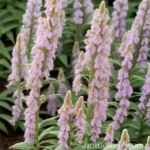
This ornamental plant is prized for its showy, cylindrical flower spikes that bloom in various shades of pink. The ‘Pink Manners’ variety is particularly popular for its vibrant pink flowers and compact, upright growth habit, making it a delightful addition to gardens and landscapes.
Now, let’s explore the key takeaways about the obedient plant (Physostegia virginiana ‘Pink Manners’).
Key Takeaways – Obedient Plant (Physostegia virginiana ‘Pink Manners’)
Culture
- Hardiness: It is a hardy perennial that thrives in USDA hardiness zones 3 to 9.
- Growth Habit: Compact and upright, reaching a height of about 2 to 4 feet (60 to 120 cm).
- Flowering Season: The ‘Pink Manners’ obedient plant blooms in late summer to early fall, adding a splash of color to the landscape when many other plants have finished flowering.
Uses
- Garden Borders: It is commonly used as an attractive border plant, adding vertical interest to garden beds.
- Cut Flowers: The long-lasting blooms make it a popular choice for cut flower arrangements.
- Pollinator Attraction: Obedient plants are known to attract pollinators, such as bees and butterflies, to the garden.
Water
- Watering Needs: Requires regular watering, especially during the active growing season to keep the soil consistently moist.
Sunlight
- Sun Requirements: Thrives in full sun to partial shade. In warmer regions, partial shade during the hottest part of the day is beneficial.
Fertilizer
- Fertilization: Apply a balanced, all-purpose fertilizer in the early spring before the new growth emerges to support healthy and vigorous blooming.
Soil
- Soil Type: Well-drained, fertile soil that is rich in organic matter.
- pH: Obedient plants prefer slightly acidic to neutral soil with a pH range of 6.0 to 7.0.
Pruning
- Deadheading: Regular deadheading of spent flowers can promote prolonged flowering.
- Cutting Back: Pruning the plant in early spring helps to maintain its shape and overall health.
Propagation
- Division: Obedient plants can be propagated through division in the spring or fall, separating the mature clumps into smaller segments.
Container Popularity
- Container Gardening: Its compact nature makes Physostegia virginiana ‘Pink Manners’ well-suited for container gardening, adding a vertical accent to patio and balcony spaces.
- Container Size: Select a container with good drainage and sufficient depth to accommodate the plant’s root system.
Common Diseases
- Powdery Mildew: It is susceptible to powdery mildew, especially in humid conditions.
- Leaf Spot: Occasionally, the plant may be affected by fungal leaf spot diseases.
Let’s continue our exploration of the obedient plant, diving into disease diagnosis, common pests, botanist’s tips, and fun facts about this fascinating perennial.
Disease Diagnosis
Powdery Mildew
- Symptoms: White, powdery spots on the leaves, often leading to leaf distortion and premature leaf drop.
- Prevention: Ensure good air circulation around the plant, avoid overhead watering, and consider applying fungicidal treatments if the disease persists.
Leaf Spot
- Symptoms: Circular, dark spots on the leaves, often surrounded by a yellow halo.
- Management: Remove and dispose of infected leaves, and practice proper sanitation to minimize the spread of the disease.
Common Pests
Aphids
- Identification: Small, soft-bodied insects that cluster on the new growth and undersides of leaves.
- Control: Insecticidal soaps or horticultural oils can be used to manage aphid infestations.
Spider Mites
- Signs of Infestation: Fine webbing on the plant, stippling on the leaves, and overall decline in plant vigor.
- Mitigation: Regularly spraying the plant with water can help deter spider mites. In severe cases, consider using miticides.
Botanist’s Tips
- Companion Planting: Obedient plants pair well with other perennial flowers such as coneflowers, asters, and black-eyed Susans.
- Wildlife Habitat: The nectar-rich flowers of the obedient plant attract beneficial pollinators, making it a valuable addition to wildlife-friendly gardens.
Fun Facts
- Historical Medicinal Use: Native American tribes used some species of Physostegia for medicinal purposes, including treating respiratory ailments.
- Shape-Shifting Flowers: The individual flowers of the obedient plant can be moved into different positions, staying in place as if they are “obedient”.
Now, let’s explore some valuable external resources and links related to the obedient plant and its cultivation and care.
Links to External Resources
- Physostegia virginiana ‘Pink Manners’ Plant Profile – The Spruce
- Obedient Plant Care and Growing Guide – Garden Design
- Physostegia virginiana – Missouri Botanical Garden
- Obedient Plant: Physostegia virginiana – North Carolina State University Extension
- Planting and Caring for Obedient Plant – The Old Farmer’s Almanac
By utilizing the valuable information from these resources, gardeners and plant enthusiasts can enhance their understanding of caring for and cultivating the obedient plant, Physostegia virginiana ‘Pink Manners’.
In conclusion, the obedient plant (Physostegia virginiana ‘Pink Manners’) represents a charming and versatile perennial that adds beauty and allure to gardens, landscapes, and even container gardens. Its unique flowering characteristic and relatively low maintenance requirements make it a desirable choice for both beginner and experienced gardeners. By following the recommended cultivation tips and applying best gardening practices, individuals can enjoy the stunning display of pink blooms and contribute to the thriving ecosystem by attracting beneficial pollinators. As a plant scientist, it is truly inspiring to witness the remarkable diversity and beauty of plants like the obedient plant, and to share the knowledge that enriches the gardening experience for enthusiasts around the world.