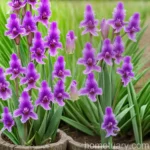
Venus’ Slipper (Paphiopedilum Group): A Botanical Marvel
The world of plants is incredibly diverse, with each species offering something unique and fascinating. Among the myriad of plant varieties, orchids stand out for their stunning beauty and intriguing characteristics. The Paphiopedilum group, commonly known as Venus’ slipper orchids, is a captivating and popular member of the orchid family. In this comprehensive guide, we will delve into the enchanting realm of Venus’ slipper (Paphiopedilum group) plants, exploring their culture, uses, care requirements, common diseases, pests, and much more.
What is Paphiopedilum Orchids?
Paphiopedilum, often referred to as slipper orchids, features a diverse group of flowering plants under the Orchidaceae family. These captivating orchids are revered for their slipper-shaped flowers and unique characteristics that make them a favorite among plant enthusiasts. The genus Paphiopedilum is fascinating not only for its aesthetic appeal but also for its incredible diversity. Its species and hybrids showcase a wide range of colors, shapes, and sizes, adding to their allure.
Key Takeaways – Venus’ Slipper (Paphiopedilum Group)
Let’s begin by summarizing the key takeaways regarding Venus’ slipper orchids (Paphiopedilum group) to provide a comprehensive overview of the topics we will cover in this guide:
- Venus’ Slipper Orchids (Paphiopedilum group):
- Known for their slipper-shaped flowers that set them apart from other orchid varieties.
- Belong to the diverse and captivating Paphiopedilum genus, featuring various species and hybrids with unique characteristics.
Now that we have outlined the introductory details, we will venture further into the fascinating world of Venus’ slipper orchids, covering various aspects including their culture, uses, care requirements, common diseases, pests, and more.
Culture
Uses
Venus’ slipper orchids (Paphiopedilum group) are cherished for their ornamental value and are commonly featured in various settings, including:
-
Home Décor: These orchids serve as stunning indoor plants, enhancing the visual appeal of homes with their elegant and exotic blooms.
-
Botanical Gardens: Paphiopedilum orchids are frequently showcased in botanical gardens and specialized orchid collections due to their captivating features and popularity among visitors.
-
Special Events: Venus’ slipper orchids are often incorporated into floral arrangements for special occasions such as weddings, parties, and other celebratory events, adding a touch of luxury and elegance.
-
Educational Purposes: In educational settings, these orchids are used to illustrate the diversity and beauty of plant life, serving as engaging subjects for botany enthusiasts and students.
Water
Proper watering is crucial for maintaining the health and vibrancy of Venus’ slipper orchids. These plants require a balanced approach to watering, ensuring that they receive adequate moisture without becoming waterlogged. The following guidelines can help ensure optimal watering practices for Paphiopedilum orchids:
-
Well-Draining Medium: To prevent water accumulation around the roots, it is important to use a well-draining potting medium, such as a specialized orchid mix, that allows excess water to flow through.
-
Watering Frequency: It is advisable to water Venus’ slipper orchids moderately, allowing the growing medium to dry slightly between watering sessions. Typically, watering once every 7-10 days is sufficient, but this frequency may vary based on factors such as temperature, humidity, and the specific growing environment.
-
Avoiding Waterlogged Conditions: Overly wet conditions can lead to root rot and other moisture-related issues. Ensuring effective drainage and allowing the roots to aerate is essential for maintaining healthy Venus’ slipper orchids.
Sunlight
Proper sunlight exposure is vital for the growth and blooming of Venus’ slipper orchids. These plants thrive under specific lighting conditions, and providing the right amount of light is essential for their well-being. Here are some key considerations related to sunlight requirements for Paphiopedilum orchids:
-
Indirect Sunlight: Venus’ slipper orchids prefer bright, indirect light rather than direct sunlight. Placing them near windows with sheer curtains or utilizing artificial grow lights to simulate natural daylight conditions can be beneficial.
-
Avoiding Harsh Sun Exposure: Direct exposure to intense sunlight can lead to leaf burning and other damage. It is important to shield these orchids from harsh sunlight, particularly during the hottest hours of the day.
-
Balancing Light Intensity: Maintaining a balance of light intensity is crucial. Orchids that receive insufficient light may not bloom well, while excessive light exposure can cause stress and hinder their overall health.
Fertilizer
Proper fertilization plays a key role in supporting the growth and blooming of Venus’ slipper orchids. By providing essential nutrients, fertilizers contribute to the overall vigor and flowering capacity of these captivating plants. Understanding the appropriate fertilization approach is essential to ensure the optimal development of Paphiopedilum orchids:
-
Specialized Orchid Fertilizer: Using a high-quality orchid fertilizer with a balanced formulation, specifically designed for orchids such as Paphiopedilum, is recommended. These fertilizers typically have a nitrogen-phosphorus-potassium (N-P-K) ratio tailored to the specific needs of orchids, promoting healthy growth and blooming.
-
Feeding Frequency: During the active growth phase, it is advisable to fertilize Venus’ slipper orchids every 2-4 weeks. However, it is important to dilute the fertilizer to half or quarter strength to prevent potential root damage due to excessive nutrient concentration.
-
Seasonal Adjustments: Adjusting the fertilization regimen based on the plant’s growth cycle is beneficial. For example, reducing the frequency of fertilization during the dormant or resting phase can help prevent overfeeding and potential nutrient imbalances.
Soil
The choice of growing medium significantly impacts the overall health and vitality of Venus’ slipper orchids. Providing an appropriate growing medium that offers the ideal balance of moisture retention, aeration, and stability is essential for the well-being of these plants. Here are some key insights related to the selection and management of growing medium for Paphiopedilum orchids:
-
Orchid-Specific Mix: Utilizing a specialized orchid mix comprising components such as bark, sphagnum moss, perlite, and other porous materials is recommended. This type of medium offers effective drainage and aeration, preventing waterlogging and ensuring optimal root health.
-
Avoiding Standard Potting Soil: Standard potting soil is generally unsuitable for Venus’ slipper orchids, as it retains excessive moisture and lacks the necessary aeration that orchids require. The use of orchid-specific growing media is essential for promoting the overall well-being of these plants.
-
Repotting Considerations: Repotting Paphiopedilum orchids every 1-2 years, or when the growing medium begins to decompose and lose its structure, is advisable. This practice allows for the renewal of the growing medium and provides the opportunity to inspect and maintain the plant’s root system.
Pruning
Pruning is an essential aspect of Venus’ slipper orchid care, contributing to the maintenance of plant health, aesthetics, and blooming potential. Proper pruning practices help manage the growth of these orchids and promote their overall well-being. Here are critical points to consider regarding pruning Venus’ slipper orchids:
-
Trimming Spent Blooms: Removing faded or spent blooms from Paphiopedilum orchids is beneficial, as it directs the plant’s energy towards new growth and blooming rather than seed production.
-
Managing Leaf Growth: Trimming yellowing or unhealthy leaves is important to maintain the overall vitality and aesthetics of the plant.
-
Root Pruning During Repotting: When repotting Venus’ slipper orchids, it is advisable to trim any dead, damaged, or decaying roots to promote healthy regrowth and prevent potential issues associated with deteriorating root systems.
Propagation
Propagation offers the opportunity to expand one’s collection of Venus’ slipper orchids and to share the beauty of these plants with other enthusiasts. Understanding the various propagation methods and their associated considerations is essential for successful reproduction of Paphiopedilum orchids. Here are the key insights related to orchid propagation:
-
Division: Dividing mature orchid clumps is a common method of propagation for Venus’ slipper orchids. This process involves carefully separating the pseudobulbs and root systems of the parent plant to create new, independent individuals.
-
Keiki Production: Keiki, or offshoots, may occasionally emerge from the base of Paphiopedilum orchids. These can be carefully removed and potted as individual plants after they develop a sufficient root system and growth.
-
Tissue Culture: In specialized horticultural settings, tissue culture propagation techniques are employed to mass-produce orchids under controlled laboratory conditions, providing a reliable method for commercial propagation and conservation efforts.
Container Popularity
Orchid culture often involves the use of containers that provide suitable growing conditions while enhancing the overall visual appeal of the plants. The choice of containers greatly influences the growth, aesthetics, and maintenance of Venus’ slipper orchids. Here are some popular container options for cultivating Paphiopedilum orchids:
-
Orchid Pots: Specially designed orchid pots with ample drainage holes and an open, breathable structure are commonly used for growing Venus’ slipper orchids. These pots facilitate effective aeration and drainage, promoting healthy root development.
-
Clear Containers: Clear plastic or glass containers are occasionally employed to allow easy observation of the root system and moisture levels. While clear containers may be aesthetically pleasing, they require careful monitoring to prevent excessive light exposure to the roots.
-
Decorative Cache Pots: Decorative cache pots are often utilized to enhance the visual appeal of Venus’ slipper orchids, particularly for indoor décor. These outer containers provide an attractive cover for the orchid pots while allowing for efficient drainage.
Common Diseases
Like all plants, Venus’ slipper orchids are susceptible to certain diseases and ailments that can impact their vitality and blooming capacity. Understanding these common diseases and their associated symptoms is essential for effective orchid care. Here are some prevalent diseases that may affect Paphiopedilum orchids:
-
Root Rot: Excessive moisture or poor drainage can lead to root rot, characterized by the browning, softening, and decay of the orchid’s root system. Symptoms include wilting, yellowing leaves, and a foul odor emanating from the roots.
-
Leaf Spot: Fungal or bacterial infections can cause the development of dark or discolored spots on the leaves of Venus’ slipper orchids, compromising their overall health and appearance. Hygiene, proper ventilation, and targeted treatments are essential for managing leaf spot.
-
Virus Infections: Various viruses can affect orchids, leading to symptoms such as mottled or distorted leaves, stunted growth, and overall decline in plant health. Preventing virus transmission through strict sanitation practices is crucial, as there are no effective treatments for viral infections.
Disease Diagnosis
Prompt and accurate diagnosis of orchid diseases is crucial for implementing effective treatment and prevention strategies. Engaging in vigilant observation and proactive management practices can aid in identifying and addressing potential diseases affecting Venus’ slipper orchids. Here are essential steps for diagnosing orchid diseases:
-
Visual Inspection: Regularly examining the leaves, stems, and root system of Paphiopedilum orchids is essential for detecting any abnormalities or disease symptoms. Look for signs such as discoloration, spots, wilting, or unusual growth patterns.
-
Consultation with Experts: Seek guidance from experienced orchid growers, horticulturists, or plant pathologists if there are any concerns regarding the health of Venus’ slipper orchids. Expert input can provide valuable insights and aid in accurate disease diagnosis.
-
Laboratory Analysis: When necessary, submitting samples of affected plant tissues to specialized laboratories for pathogen testing and analysis can help confirm the presence of specific diseases and inform targeted treatment approaches.
Common Pests
Pests pose a significant threat to the health and vitality of Venus’ slipper orchids, requiring proactive management strategies to prevent and control infestations. By understanding the typical pests that may affect these orchids and implementing appropriate pest control measures, it is possible to safeguard the well-being of Paphiopedilum plants. Here are some common pests that may target Venus’ slipper orchids:
-
Mealybugs: These small, cottony insects can infest the leaves, stems, and undersides of the leaves of Paphiopedilum orchids, draining the plant’s sap and causing damage. Mealybug infestations can lead to leaf distortion, yellowing, and overall decline in plant health.
-
Scale Insects: Scale insects often appear as small, raised bumps on the plant’s stems and leaves. These pests can cause significant damage by feeding on the plant’s tissues and secreting honeydew, leading to sooty mold development and overall weakening of the orchid.
-
Spider Mites: Spider mites are tiny arachnids that can infest Venus’ slipper orchids, causing stippling, webbing, and discoloration of the leaves. These pests thrive in dry, warm conditions and can rapidly reproduce, posing a serious threat to orchid health.
Botanist’s Tips
For aspiring and seasoned orchid enthusiasts alike, incorporating expert tips and best practices into the care and cultivation of Venus’ slipper orchids can significantly enhance the overall success and enjoyment of growing these captivating plants. Here are some valuable botanist’s tips geared towards the optimal care of Paphiopedilum orchids:
-
Observation and Monitoring: Regularly observing and monitoring the growth, health, and blooming patterns of Venus’ slipper orchids can provide valuable insights into their specific requirements and aid in early detection of potential issues.
-
Tailored Care: Recognizing that different Paphiopedilum species and hybrids may have specific care preferences, it is essential to tailor the care regimen based on the individual characteristics and needs of the orchids in cultivation.
-
Consistent Environment: Creating a consistent and favorable growing environment by maintaining stable temperature, humidity, and light levels can promote the overall well-being and blooming frequency of Venus’ slipper orchids.
-
Patience and Persistence: Cultivating orchids necessitates patience and persistence, as the learning process and fine-tuning of care practices are integral to achieving optimal growth and blooming outcomes.
Fun Facts
Delving into the realm of Venus’ slipper orchids reveals a wealth of fascinating and captivating details, contributing to the allure of these remarkable plants. To appreciate their unique qualities, let’s explore some intriguing fun facts about Paphiopedilum orchids:
-
Natural Habitat: Venus’ slipper orchids are native to various regions in Southeast Asia, including countries such as Indonesia, Malaysia, the Philippines, and parts of China, where they thrive in diverse habitats and ecological niches.
-
Pollination Partners: In their natural habitats, Paphiopedilum orchids engage in intricate interactions with specific insect pollinators, including bees and flies, which play a crucial role in the reproduction and survival of these plants.
-
Symbolism: Venus’ slipper orchids are often associated with symbolism, representing qualities such as enchantment, allure, and exotic beauty. Their distinct shape and luxurious appearance contribute to their symbolic significance in various cultures.
With their unique characteristics, enchanting blooms, and rich botanical heritage, Venus’ slipper orchids continue to captivate the imagination of plant enthusiasts and botanists worldwide.
Links to External Resources
To further enrich your knowledge and exploration of Venus’ slipper orchids (Paphiopedilum group), the following links to external resources provide valuable insights, in-depth information, and additional perspectives on these captivating plants:
- American Orchid Society: Paphiopedilum Culture Sheet
- Royal Horticultural Society: Growing Orchids
- Orchid Society of Great Britain
- The Slipper Orchid Alliance
By exploring these external resources, you can delve deeper into the world of Paphiopedilum orchids, gain valuable insights from experienced orchid enthusiasts, and expand your understanding of the diverse and captivating realm of slipper orchids.
In conclusion, Venus’ slipper orchids (Paphiopedilum group) exemplify the mesmerizing beauty and rich botanical heritage of orchids, offering a captivating tapestry of colors, shapes, and cultural significance. By embracing their unique characteristics and following best practices for their care and cultivation, plant enthusiasts can further appreciate and celebrate the enchanting allure of these remarkable orchids.
The comprehensive guide encompasses various aspects of Venus’ slipper orchids (Paphiopedilum group), providing valuable insights into their culture, care requirements, common diseases, pests, and botanical significance. From their captivating blooms to the best practices for optimal care, this guide offers a holistic exploration of these mesmerizing orchids. To further enrich your understanding of Paphiopedilum orchids, the external resources section includes links to reputable organizations and societies dedicated to orchid cultivation and appreciation. Whether you are a seasoned orchid enthusiast or a novice gardener, this guide aims to enhance your appreciation of Venus’ slipper orchids and inspire a deeper connection with these remarkable plants.