Colorado Spruce (Picea pungens ‘Walnut Glen’)
In the realm of ornamental landscape trees, few can hold a candle to the majestic Colorado spruce, also known by its scientific name, Picea pungens ‘Walnut Glen’. This stunning evergreen possesses striking blueish-green needles and an elegant form, making it a popular choice for homeowners and landscapers alike. In this comprehensive guide, we will delve into the various aspects of the Colorado spruce, from its cultural requirements to its common pests and diseases. Join me as we explore the captivating world of the Colorado spruce and gain valuable insights into its care and maintenance.
What is the Colorado Spruce?
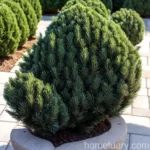
The Colorado spruce, or Picea pungens ‘Walnut Glen’, is a species of spruce native to the Rocky Mountains in the United States. It is renowned for its vibrant blue foliage, which sets it apart from other evergreen trees. This distinctive coloration makes it a prized ornamental tree in landscaping and gardens.
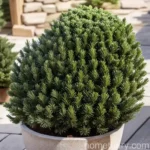
The ‘Walnut Glen’ variety is a popular cultivar known for its compact and symmetrical growth habit, making it an excellent choice for smaller gardens or as a focal point in larger landscapes.
Key Takeaways
Before we dive into the specifics of caring for the Colorado spruce, here are a few key takeaways to keep in mind:
- Colorado spruce is prized for its striking blueish-green foliage and elegant form.
- The ‘Walnut Glen’ cultivar is known for its compact and symmetrical growth habit.
- It is a popular choice for landscaping due to its aesthetic appeal and versatility.
- Proper cultural practices, such as watering and pruning, are essential for maintaining the health and vigor of the Colorado spruce.
Now that we have an overview of what makes the Colorado spruce so special, let’s explore the cultural requirements that are necessary to ensure its optimal growth and development.
Culture
Proper cultural practices play a pivotal role in the overall health and vitality of the Colorado spruce. From water and sunlight requirements to soil preferences and fertilization, understanding the cultural needs of this magnificent tree is essential for creating an environment where it can thrive.
Uses
The Colorado spruce is a versatile tree with a multitude of uses in landscaping and gardens. Some common uses include:
- Specimen tree: The striking color and form of the Colorado spruce make it an ideal choice as a standalone specimen tree, offering visual interest and focal points in the landscape.
- Windbreaks: Due to its dense foliage and sturdy nature, Colorado spruce is often used as a windbreak to protect other plants and structures from strong winds.
- Privacy screen: When planted in a row, the Colorado spruce can act as an effective privacy screen, providing year-round coverage and adding a sense of seclusion to outdoor spaces.
- Ornamental accent: Whether planted in groups or used as a backdrop for other plants, the Colorado spruce adds an ornamental touch to any landscape.
Water
Proper watering is crucial for the health and vigor of the Colorado spruce, especially during its establishment period. Here are some key points to consider when watering this beloved evergreen:
- Establishment phase: Newly planted Colorado spruces require regular watering to aid in root establishment. Provide deep, thorough soakings to ensure the moisture reaches the entire root system.
- Mature trees: Once established, Colorado spruce trees are moderately drought-tolerant, but they still benefit from supplemental watering during prolonged dry spells. Water deeply, allowing the soil to dry out slightly between watering sessions.
- Seasonal considerations: Adjust the frequency of watering based on seasonal weather conditions. During hot, dry periods, increase the frequency of irrigation to prevent stress on the tree.
Sunlight
Colorado spruce thrives in full sunlight and prefers at least 6 hours of direct sunlight each day. When selecting a planting location, ensure that the tree will receive ample sunlight to promote healthy growth and dense foliage.
Fertilizer
Proper fertilization can enhance the overall growth and vitality of the Colorado spruce. While this tree is relatively low-maintenance, annual fertilization can provide the necessary nutrients for optimal performance. Use a balanced, slow-release fertilizer formulated for evergreen trees in early spring before the start of new growth.
Soil
The Colorado spruce prefers well-draining soil with a slightly acidic to neutral pH. It is essential to avoid waterlogged or compacted soil, as it can lead to root suffocation and various issues such as root rot. Amending the soil with organic matter can improve its structure and drainage, creating an ideal environment for the Colorado spruce to thrive.
Pruning
Pruning is an essential aspect of maintaining the shape and structural integrity of the Colorado spruce. While it has a naturally symmetrical growth habit, occasional pruning may be necessary to remove dead or diseased branches, promote airflow within the canopy, and ensure a tidy appearance. Prune in late winter or early spring before new growth emerges, and avoid excessive pruning, which can hinder the tree’s natural form.
Propagation
The propagation of Colorado spruce is commonly achieved through seed sowing or stem cuttings. While growing from seed can be a rewarding but time-intensive process, stem cuttings offer a more reliable method for propagating specific cultivars such as ‘Walnut Glen’. Follow these general steps for stem cutting propagation:
- Select a healthy, non-flowering branch of the Colorado spruce in late spring or early summer.
- Take a 6-8 inch long cutting, ensuring it includes several sets of needles.
- Remove the lower set of needles and dip the cut end in rooting hormone.
- Plant the cutting in a well-draining growing medium and keep it consistently moist.
- Place the cutting in a sheltered location with indirect sunlight and maintain high humidity levels to encourage root development.
Container Popularity
While Colorado spruce trees are often planted directly in the ground, some enthusiasts opt to grow them in containers, which allow for greater mobility and control over soil conditions. The compact nature of the ‘Walnut Glen’ cultivar makes it particularly well-suited for container cultivation, providing an attractive and low-maintenance option for patios, decks, and small outdoor spaces.
Common Diseases
Despite its resilience, the Colorado spruce is susceptible to certain diseases that can affect its overall health and appearance. Understanding these common diseases and their symptoms is essential for proactive management and prevention.
Disease Diagnosis
Here are some common diseases that may affect Colorado spruce trees:
- Rhizosphaera needle cast: This fungal disease causes the needles to turn purplish-brown and eventually drop from the tree. It can lead to thinning foliage and reduced tree vigor.
- Cytospora canker: Cankers, or sunken areas on the trunk or branches, may develop as a result of this fungal disease. Infected branches can exhibit resinous sap and eventually die back.
- Needle rust: Needle rust appears as yellow to orange pustules on the needles and can cause premature defoliation, especially during wet weather.
- Phytophthora root rot: Excessive soil moisture can lead to phytophthora root rot, resulting in root damage, stunted growth, and overall decline of the tree.
Common Pests
In addition to diseases, Colorado spruce trees can fall victim to various pests that may pose a threat to their well-being. Some common pests to watch out for include:
- Spruce spider mites: These tiny arachnids can cause stippling and discoloration on the needles, leading to a weakened appearance of the tree.
- Adelgids: Adelgids may infest the new growth of Colorado spruce, causing stunted, distorted needles and overall decline in tree health.
- Spruce budworms: The larvae of spruce budworms feed on the buds and new growth of spruce trees, potentially leading to defoliation and diminished growth.
Botanist’s Tips
As a botanist with a passion for trees, especially the Colorado spruce, I have gathered a few essential tips for cultivating and caring for these magnificent evergreens:
- Site selection: Choose a planting location with well-draining soil and ample sunlight to promote healthy growth.
- Watering: Pay close attention to the tree’s water needs, especially during its establishment phase and in periods of drought.
- Pruning: Practice minimal but strategic pruning to maintain the tree’s natural form and remove any dead or diseased branches.
- Monitor for pests and diseases: Regularly inspect the tree for signs of pests or diseases, and take prompt action if any issues are detected.
- Mulching: Apply a layer of organic mulch around the base of the tree to conserve moisture, regulate soil temperature, and suppress weed growth.
Fun Facts
To wrap up our exploration of the Colorado spruce, here are a few fascinating fun facts about this beloved tree:
- The coloration of the Colorado spruce’s needles is due to a waxy coating that helps protect the tree from moisture loss and environmental stresses.
- The sturdy and resilient nature of the Colorado spruce makes it an excellent choice for creating wildlife habitats and supporting biodiversity in the landscape.
- Colorado spruce trees have a strong tolerance for cold temperatures, making them well-suited for regions with harsh winter climates.
Links to External Resources
For additional information on Colorado spruce, ‘Walnut Glen’ cultivar, and related topics, I recommend exploring the following resources:
- Colorado Blue Spruce – The Spruce
- Picea pungens ‘Walnut Glen’ – Missouri Botanical Garden
- Colorado Blue Spruce – Colorado State University Extension
As we conclude our journey into the captivating world of the Colorado spruce, I hope that you have gained valuable insights into the cultural requirements, uses, and maintenance of this remarkable tree. Whether adorning a garden or standing tall in a landscape, the Colorado spruce continues to inspire awe and admiration with its enduring beauty and resilience. Happy planting and may your Colorado spruce thrive for years to come!
Remember to bookmark this article for future reference, and feel free to share it with fellow plant enthusiasts who share a passion for the breathtaking world of trees. Until next time, keep exploring and cultivating the wonders of the plant kingdom!