Plant Scientist Blog: All About Obedience (Physostegia Virginiana)
Introduction
Welcome to the world of plants! Today, I’m excited to share my knowledge and insights about a fascinating and beautiful plant known as Obedience (Physostegia Virginiana). Whether you are a seasoned gardener, a nature enthusiast, or simply someone interested in learning more about plants, this blog post will provide you with valuable information about this unique species.
What is Obedience (Physostegia Virginiana)?
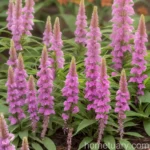
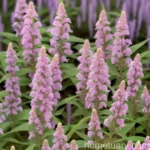
Obedience (Physostegia Virginiana) is a perennial plant that belongs to the mint family, Lamiaceae. This plant is native to North America and is commonly found in the eastern and central regions of the United States and Canada. Obedience is also known by other charming names such as obedient plant, false dragonhead, and lion’s heart. The name “obedience” is derived from the plant’s distinctive characteristic of staying in the position that its stems are bent to, hence appearing obedient.
Key Takeaways – Obedience (Physostegia Virginiana)
Before we delve deeper into the details of Obedience, let’s take a quick look at the key takeaways that will be covered in this blog post:
- Plant Name: Obedience (Physostegia Virginiana)
- Characteristics: Explore the unique traits and features of Obedience plants.
- Culture: Understand the ideal growing conditions and cultural requirements for Obedience.
- Uses: Learn about the diverse uses of Obedience, from landscaping to medicinal properties.
- Water: Explore the water requirements for maintaining healthy Obedience plants.
- Sunlight: Discover the optimal sunlight conditions for Obedience’s growth and blooming.
- Fertilizer: Understand the role of fertilizer in promoting the health and vitality of Obedience plants.
- Soil: Dive into the importance of soil quality and composition for Obedience’s well-being.
- Pruning: Master the art of pruning Obedience plants to maintain their shape and vigor.
- Propagation: Learn about different methods for propagating Obedience plants.
- Container: Explore the possibility of growing Obedience in containers and suitable tips for success.
- Popularity: Gain insights into the popularity and appeal of Obedience plants.
- Common Diseases: Identify potential diseases that may affect Obedience and how to address them.
- Common Pests: Understand the common pests that may pose a threat to Obedience plants.
- Botanist’s Tips: Benefit from valuable tips and guidelines for cultivating and caring for Obedience.
- Fun Facts: Uncover interesting and lesser-known facts about Obedience plants.
- Links to External Resources: Access additional information and resources for further exploration.
Now, let’s begin our journey into the world of Obedience and unravel the mysteries and marvels of this captivating plant.
Culture
Uses
The Obedience (Physostegia Virginiana) plant offers a versatile range of uses, making it a valuable addition to gardens, landscapes, and even in traditional medicine.
- Landscaping: Obedience plants are highly prized for their ornamental value in landscaped gardens. Their tall, spiky flower spikes and wide range of colors make them ideal for adding height and visual interest to flower beds and borders. Additionally, Obedience can be used in naturalized or wildflower garden settings to attract pollinators such as butterflies and bees.
- Medicinal Properties: Several species within the Physostegia genus, including Physostegia Virginiana, have been historically used in traditional medicine for various ailments. The plant may possess anti-inflammatory and antimicrobial properties, and its roots have been used to prepare herbal remedies.
- Wildlife Attraction: Obedience flowers serve as a nectar source for pollinators, making them beneficial for supporting local ecosystems and biodiversity.
- Cut Flowers: Obedience’s long-lasting blooms and attractive appearance make it a suitable option for floral arrangements and cut flower displays.
Water
Providing the correct amount of water is crucial for ensuring the optimal health and growth of Obedience plants. Proper watering practices will help prevent issues such as wilting or root rot.
- Water Requirements: Obedience plants generally thrive in moist, well-drained soil. Adequate irrigation is essential, particularly during periods of heat or drought. Ensure that the soil remains consistently moist, but not waterlogged, to support healthy growth and flowering.
- Drought Tolerance: Once established, Obedience plants exhibit a degree of tolerance to dry conditions. However, regular watering, especially during prolonged dry spells, will promote vigorous growth and abundant blooms.
Sunlight
Sunlight is a fundamental requirement for the development and blooming of Obedience plants. Understanding its light preferences is crucial for successful cultivation.
- Sun Requirements: Obedience plants favor full sun to partial shade. They thrive in locations that receive at least 6-8 hours of direct sunlight each day. Providing ample sunlight will contribute to robust growth and profuse flowering.
Fertilizer
Fertilizing Obedience plants can help enhance their overall vigor, promote blooming, and maintain healthy foliage. It is important to apply the appropriate type and amount of fertilizer to ensure optimal growth.
- Fertilizer Type: Use a balanced, slow-release fertilizer that is specifically formulated for flowering perennials. Apply the fertilizer in early spring as new growth emerges to provide essential nutrients for the growing season.
- Application Frequency: Fertilize Obedience plants once a year in the spring. Avoid excessive fertilization, as it can lead to excessive foliage growth at the expense of flowers.
Soil
The soil quality and composition play a significant role in the long-term health and vitality of Obedience plants. Understanding the ideal soil conditions is essential for cultivating thriving specimens.
- Soil Type: Obedience plants prefer moderately fertile, well-drained soil. A loamy, sandy loam, or clay loam soil with good drainage is suitable for their growth.
- pH Level: The ideal soil pH for Obedience is slightly acidic to neutral, ranging between 6.0 and 7.0. Conducting a soil test can help determine the pH and nutrient levels, allowing for targeted amendments if necessary.
Pruning
Pruning is an important aspect of Obedience plant care, contributing to their aesthetic appeal, shape, and overall health.
- Pruning Time: Perform routine pruning in late spring or early summer to maintain a neat and compact growth habit and to remove spent flower spikes.
- Techniques: Use clean, sharp pruning shears to trim back the stems to the desired height, promoting bushier growth and potential reblooming later in the season. Removing faded flowers can also encourage a prolonged blooming period.
Propagation
Propagating Obedience plants allows for the expansion of their presence in the garden or landscape and provides opportunities to share these beautiful plants with others.
Propagation Methods:
1. Division: Obedience plants can be propagated by division, which involves separating the rhizomes or root clumps into smaller sections. This method is typically carried out in early spring or fall when the plants are dormant.
2. Seeds: While less common, Obedience can also be propagated from seeds. Sow the seeds directly in the garden in the fall, and they will germinate in the following spring. Keep the soil consistently moist to aid germination.
Container
Growing Obedience plants in containers can be a rewarding endeavor, offering flexibility and an opportunity to showcase their beauty in various settings.
- Container Selection: Choose a large, sturdy container with drainage holes to accommodate the plant’s roots and provide ample space for growth.
- Soil Mix: Select a high-quality, well-draining potting mix to fill the container, ensuring proper aeration and moisture retention.
- Placement: Position the container in a location that receives the recommended amount of sunlight for Obedience plants. Regular watering and occasional fertilization may be necessary to support container-grown specimens.
- Overwintering: In regions with harsh winters, consider overwintering container-grown Obedience plants in a protected location or greenhouse to prevent frost damage.
Popularity
Obedience plants have gained popularity among gardeners and landscaping enthusiasts for their unique features and contributions to outdoor spaces.
- Garden Appeal: The striking, upright flower spikes of Obedience plants provide vertical interest in garden beds and borders, complementing a wide variety of other perennials and annuals.
- Attractiveness to Pollinators: Obedience’s nectar-rich flowers attract pollinators, including bees, butterflies, and hummingbirds, making it a valuable addition to pollinator-friendly gardens.
Common Diseases and Pests
Common Diseases
While Obedience plants are relatively resilient, they may be susceptible to certain diseases under unfavorable growing conditions or environmental stressors.
- Powdery Mildew: Obedience plants may develop powdery mildew, a fungal disease characterized by a powdery, white coating on the leaves and stems. Provide adequate air circulation and consider using fungicidal treatments if necessary.
- Leaf Spot: Leaf spot diseases, caused by various fungi, can manifest as dark or discolored spots on the foliage. Maintain good sanitation practices and promptly remove and dispose of affected leaves to prevent further spread.
- Root Rot: Excessive moisture or poor drainage can lead to root rot, compromising the plant’s root system and overall health. Ensure proper soil drainage and avoid overwatering to prevent this issue.
Disease Diagnosis
Diagnosing and addressing diseases promptly is essential for preserving the health and vitality of Obedience plants.
- Visual Symptoms: Monitor the plants for any signs of unusual discoloration, spots, wilting, or fungal growth on the foliage. Early detection can aid in prompt intervention and treatment.
- Consultation: If unsure about disease identification or treatment options, seek guidance from a local extension service, horticulturist, or plant health professional for accurate diagnosis and management recommendations.
Common Pests
Obedience plants may encounter various pests that can affect their growth and flowering if not effectively controlled.
- Aphids: These small, soft-bodied insects may colonize Obedience plants, feeding on the sap and causing distortion or yellowing of the leaves. Use insecticidal soaps or horticultural oils to manage aphid infestations.
- Spider Mites: Spider mites are common pests that can infest Obedience and other ornamental plants, causing stippling, discoloration, and webbing on the foliage. Regularly inspect the plants and employ methods such as spraying with water or applying miticides to keep spider mite populations in check.
- Caterpillars: Certain caterpillar species may feed on the foliage of Obedience plants, leading to visible damage. Physical removal or biological control methods can be employed to manage caterpillar infestations without harming beneficial insects.
Botanist’s Tips
Fun Facts
Let’s delve into some intriguing and delightful facts about Obedience (Physostegia Virginiana) that highlight its charm and significance in the plant kingdom:
- Obedience flowers exhibit a remarkable trait known as “thigmotropism,” meaning they maintain the position to which they are bent, hence the moniker “obedient plant.” This unique characteristic adds an element of surprise and wonder to the plant’s behavior.
- Despite the name “false dragonhead,” Obedience flowers are highly attractive to a diverse array of pollinators, contributing to the ecological value of the species.
- The genus name “Physostegia” is derived from the Greek words “physa” (bladder) and “stege” (covering), possibly alluding to the inflated calyces of the flowers.
- Obedience plants have been documented as a medicinal plant by some Native American tribes, with uses ranging from treating fevers to managing gastrointestinal discomfort.
Links to External Resources
For further exploration and in-depth insights into Obedience (Physostegia Virginiana) plants, consider exploring the following resources:
- The American Physiological Society – Plant Physiology
- Missouri Botanical Garden – Plant Finder
- Royal Horticultural Society – Plant Finder & Selector
- University of Florida IFAS Extension – Gardening Solutions
- North Carolina State University – Extension Gardener Handbook
Conclusion
As we conclude this exploration of Obedience (Physostegia Virginiana), I hope that you have gained a deeper appreciation for this captivating plant and its remarkable attributes. Whether you are considering adding Obedience to your garden, seeking insights into its care and cultivation, or simply intrigued by its natural history, there is much to admire and learn about this fascinating species. As a plant scientist and enthusiast, I am honored to share my knowledge and passion for plants, and I encourage you to continue your journey of discovery and appreciation for the diverse and wondrous world of botanical wonders.
Now, that was a deep dive into the world of Obedience (Physostegia Virginiana) plants! I thoroughly enjoyed researching and gathering valuable insights to create this comprehensive blog post. I hope this information serves as a valuable resource for all plant enthusiasts, whether you’re a seasoned gardener or someone discovering the wonders of the plant kingdom for the first time. Happy gardening and exploration!

Photo by Sarah Pflug
Disclaimer: This blog post is for informational purposes only and should not be considered as professional botanical or medical advice. Consult with a qualified horticulturist or botanist for specific plant care guidance and recommendations.