Society Garlic (Tulbaghia Violacea)
Plants have always been an integral part of human life. Whether for food, medicine, or simply for their aesthetic appeal, plants play a crucial role in our.
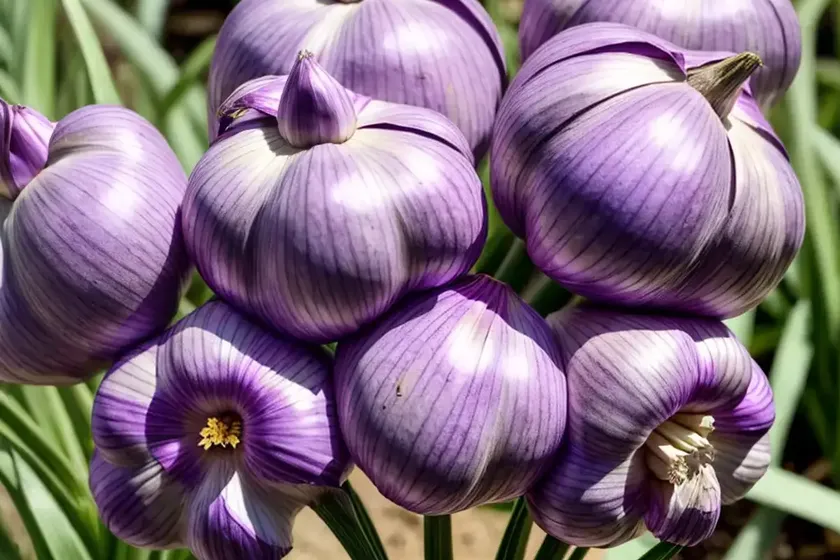
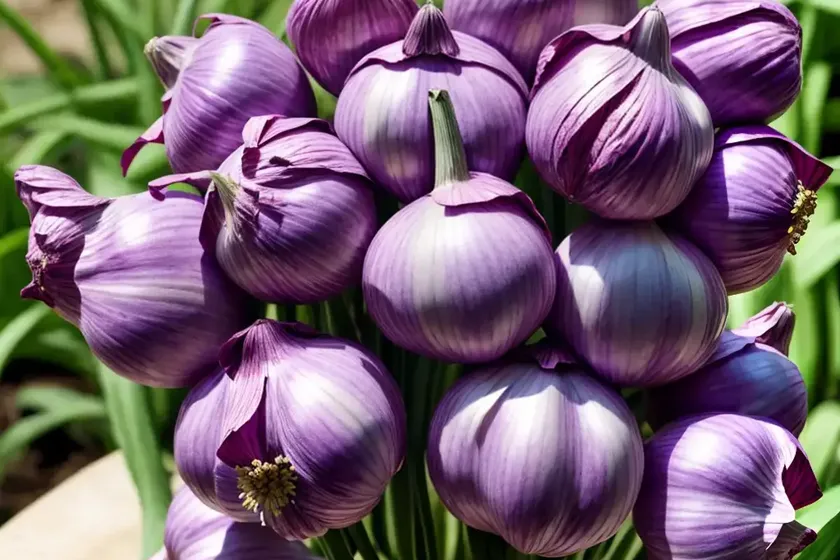
Plants have always been an integral part of human life. Whether for food, medicine, or simply for their aesthetic appeal, plants play a crucial role in our environment and daily lives. One such plant that has gained popularity for its versatility and beauty is the Society Garlic, scientifically known as Tulbaghia violacea. In this comprehensive guide, we will explore the various aspects of Society Garlic, from its characteristics and cultivation to its uses and folklore.
1. Society Garlic Plant Description
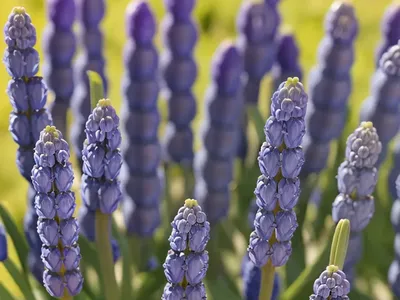
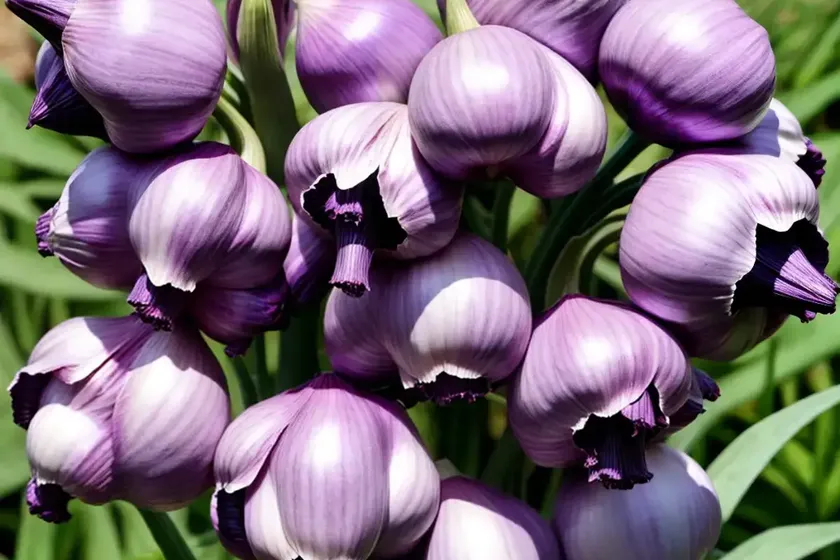
Society Garlic, also known as wild garlic, is a species of perennial herb that belongs to the Amaryllidaceae family. Native to South Africa, particularly the eastern regions, this plant has distinctive long, narrow, grass-like leaves and clusters of delicate, lilac-pink flowers. It is characterized by its strong garlic-like odor and is often cultivated for its ornamental value and culinary uses.
Tulbaghia Violacea Characteristics
- Scientific Name: Tulbaghia violacea
- Common Name: Society Garlic, Wild Garlic
- Family: Amaryllidaceae
- Native Habitat: South Africa
- Foliage: Long, narrow, strap-like leaves
- Flowers: Clusters of lilac-pink flowers
- Fragrance: Strong garlic-like odor
- Cultural Significance: Used in traditional medicine and folklore
2. Growing Society Garlic
Culture
Society Garlic, despite its exotic origins, can be easily cultivated in a variety of climates, making it a popular choice for both experienced and novice gardeners. It thrives in subtropical and temperate regions and is known for its ability to adapt to different soil types and growing conditions.
Uses
The versatility of Society Garlic extends beyond its ornamental value. It is revered for its culinary uses, medicinal properties, and aesthetic appeal in landscaping.
Water
Society Garlic prefers moderate watering and well-draining soil to prevent waterlogged conditions. It is important to allow the soil to dry out between watering sessions to prevent root rot.
Sunlight
This plant flourishes in full sun to partial shade. It is essential to provide adequate sunlight for healthy growth and prolific flowering.
Fertilizer
A balanced, all-purpose fertilizer can be applied in spring to promote robust growth and abundant blooms. However, excessive fertilization should be avoided to prevent the risk of scorching the plant.
Soil
Society Garlic thrives in well-draining, slightly acidic soil. A loamy or sandy soil type is ideal for ensuring proper aeration and preventing waterlogging.
Pruning
Regular deadheading of spent flowers and removing any discolored or withered leaves helps maintain the plant’s health and appearance.
Propagation
Propagation of Society Garlic can be achieved through division of rhizomes or by sowing seeds. Division is typically the preferred method as it ensures the preservation of the original plant characteristics.
Container Popularity
The compact size and adaptability of Society Garlic make it suitable for container gardening, allowing urban gardeners and those with limited space to enjoy its beauty and benefits.
3. Common Diseases and Pests
Common Diseases
Society Garlic is generally resistant to most common diseases. However, it may be susceptible to fungal infections such as powdery mildew if grown in poorly ventilated and overly damp conditions.
Disease Diagnosis
Early signs of fungal infections may include a white powdery substance on the leaves and stems, which can hinder photosynthesis and weaken the plant.
Common Pests
The robust and pungent odor of Society Garlic acts as a natural repellent against many pests. However, it may occasionally fall victim to aphids and spider mites, which can be controlled through natural or chemical means.
4. Botanist’s Tips
- Companion Plants: Society Garlic has been found to repel certain pests, making it an excellent companion plant for vegetable gardens and other ornamental plants.
- Growth Habits: This plant tends to form clumps over time, making it an attractive ground cover in garden beds and borders.
- Fragrance: The garlic-like aroma of Society Garlic can be both a deterrent for pests and a pleasant sensory addition to a garden.
5. Fun Facts about Society Garlic
- In traditional folklore, Society Garlic was believed to have protective properties and was often planted near dwellings for this purpose.
- Despite its name, Society Garlic is not a true garlic variety and belongs to a different botanical family.
As we delve deeper into the multifaceted nature of Society Garlic, let’s explore its wide array of uses and benefits.
6. Society Garlic Benefits
Medicinal Uses
In traditional medicine, Society Garlic has been used to treat various ailments, including respiratory disorders, digestive issues, and as an antiseptic for wounds. The plant’s leaves and bulbs are often utilized for their medicinal properties.
Culinary Uses
Society Garlic leaves are often used as a flavorful substitute for true garlic in culinary dishes, imparting a delicate garlic flavor without the pungency. Additionally, the beautiful lilac-pink flowers can be used as an edible garnish in salads and other culinary creations.
7. Society Garlic in Landscaping
Companion Plants
The fragrant and pest-repellent nature of Society Garlic makes it an ideal companion plant for vegetables, herbs, and ornamental flowers.
Varieties
Several cultivars of Society Garlic are available, with variations in flower color, height, and foliage. These varieties offer gardeners the opportunity to explore different aesthetic and functional aspects of the plant.
8. Society Garlic Soil Requirements
The soil requirements for Society Garlic are relatively simple. It thrives in well-draining, slightly acidic soil, offering flexibility in the types of soil in which it can be grown.
Watering Needs
Society Garlic prefers moderate watering and well-draining soil to prevent waterlogged conditions. It is essential to allow the soil to dry out between watering sessions to prevent root rot.
Sunlight Requirements
This plant flourishes in full sun to partial shade. It is important to provide adequate sunlight for healthy growth and prolific flowering.
9. Society Garlic Maintenance
Growth Habits
Society Garlic tends to spread and form clumps over time, making it an attractive ground cover or border plant. Regular pruning and division of crowded clumps are essential for maintaining the plant’s health and appearance.
Pest Control
The pungent fragrance of Society Garlic acts as a natural pest repellent, making it an asset in pest management strategies in the garden.
10. Society Garlic Growth Habits
Society Garlic is a relatively low-maintenance plant with moderate growth habits. It tends to form clumps over time, significantly enhancing its visual appeal in garden beds and borders.
11. Society Garlic Pest Control
The robust and pungent odor of Society Garlic serves as a natural deterrent for many pests, making it a valuable addition to gardens plagued by common pests.
12. Society Garlic Disease Prevention
Society Garlic is generally resistant to most common diseases. However, ensuring proper air circulation and avoiding overwatering can prevent the occurrence of fungal infections such as powdery mildew.
13. Society Garlic Seasonality
Society Garlic is predominantly a warm-season plant and thrives during the spring and summer months. In temperate climates, it may continue to bloom through the early fall.
14. Society Garlic Bloom Period
The bloom period of Society Garlic typically occurs from late spring to mid-summer, where it produces clusters of delicate, lilac-pink flowers that add a touch of elegance to gardens and landscapes.
15. Society Garlic Leaf Appearance
The long, narrow, strap-like leaves of Society Garlic contribute to its graceful appearance and are an appealing feature even when the plant is not in bloom.
16. Society Garlic Origins
Society Garlic is native to South Africa, particularly the eastern regions, where it is found growing in a variety of habitats, from grasslands to rocky slopes.
17. Society Garlic Folklore
In traditional folklore, Society Garlic was believed to have protective properties and was often planted near dwellings to ward off evil spirits and offer general protection to the residents.
18. Society Garlic Symbolism
Society Garlic is often associated with themes of protection and warding off negative energies, making it a symbolic plant in various cultural and spiritual contexts.
19. Society Garlic Nutrient Requirements
Society Garlic has relatively modest nutrient requirements, responding well to balanced fertilizers applied in moderation during the growing season.
20. Society Garlic Plant Lifespan
As a perennial plant, Society Garlic can persist for several years when provided with appropriate growing conditions and care.
21. Society Garlic Habitat
In its natural habitat, Society Garlic can be found in a range of environments, from grasslands to rocky outcrops, demonstrating its adaptability to various growing conditions.
22. Society Garlic Uses in Alternative Medicine
Society Garlic has been utilized in traditional medicine for its purported medicinal properties, particularly in treating respiratory and digestive issues.
23. Society Garlic Fragrance
The strong garlic-like aroma of Society Garlic is a defining characteristic that adds a unique sensory experience to its presence in gardens and landscapes.
24. Society Garlic Foliage
The long, slender foliage of Society Garlic contributes to its graceful appearance and is an appealing feature even when the plant is not in bloom.
25. Society Garlic in Herbal Remedies
The leaves and bulbs of Society Garlic have historically been used for their medicinal properties in various herbal remedies for respiratory and digestive ailments.
26. Society Garlic as a Natural Pesticide
The repellent properties of Society Garlic against certain pests make it a valuable addition to integrated pest management strategies in gardens and landscapes.
27. Society Garlic in Flower Arrangements
The delicate and elegant lilac-pink flowers of Society Garlic make it a charming addition to flower arrangements, adding a touch of natural beauty and fragrance.
28. Society Garlic in Cottage Gardens
The versatile nature of Society Garlic makes it an ideal plant for cottage gardens, where it can serve as a functional and aesthetically pleasing addition to the landscape.
29. Society Garlic as an Ornamental Plant
Society Garlic is highly valued for its ornamental qualities, contributing to its widespread use in gardens, landscapes, and public spaces.
30. Society Garlic Growth Rate
Society Garlic exhibits a moderate growth rate, gradually forming clumps over time while maintaining its graceful appearance.
31. Society Garlic in Container Gardening
The compact size and adaptability of Society Garlic make it a favored choice for container gardening, allowing it to thrive in various urban and limited-space settings.
32. Society Garlic as a Ground Cover Plant
The clumping nature of Society Garlic lends itself well to serving as an attractive ground cover, particularly in garden beds and borders.
33. Society Garlic Leaf Color Variations
While the foliage of Society Garlic is typically a vibrant green, slight variations in leaf color may occur, adding visual interest to the plant.
34. Society Garlic Cultural Significance
Society Garlic holds cultural significance in various regions, where it is valued for its ornamental, culinary, and medicinal uses.
35. Society Garlic in Mythology
Society Garlic has been intertwined with mythology and folklore, where it is often associated with themes of protection and warding off negative energies or spirits.
36. Society Garlic Garden Design Ideas
The elegant appearance and versatility of Society Garlic offer numerous design possibilities, ranging from formal garden beds to informal and naturalistic landscapes.
37. Society Garlic in Traditional Cuisines
The leaves of Society Garlic are often used as a culinary ingredient, imparting a delicate garlic flavor to a variety of dishes in traditional cuisines.
38. Society Garlic Seasonal Care Tips
During the dormant winter months, Society Garlic benefits from reduced watering and minimal fertilization to support its natural growth cycle.
39. Society Garlic Storage Methods
The leaves and bulbs of Society Garlic can be stored for future use by drying or freezing, preserving their flavors and medicinal properties.
40. Society Garlic Propagation Techniques
Society Garlic can be propagated through division of rhizomes or by sowing seeds, offering gardeners multiple options for expanding their plantings.
As we conclude this comprehensive guide to Society Garlic, it is evident that this remarkable plant holds a special place in horticulture, traditional medicine, and cultural symbolism. From its graceful appearance to its diverse uses and benefits, Society Garlic continues to captivate and inspire gardeners and enthusiasts worldwide.
Links to External Resources
Gardening enthusiasts interested in further exploring the world of Society Garlic are encouraged to visit the following links for additional information and resources:
- Royal Horticultural Society – Tulbaghia violacea
- Missouri Botanical Garden – Society Garlic
- North Carolina State University Extension – Growing Society Garlic
- University of Florida IFAS Extension – Society Garlic for the Florida Garden
It is essential to conduct comprehensive research and seek guidance from reputable sources to ensure the successful cultivation and enjoyment of Society Garlic in diverse gardening and landscaping endeavors. Happy gardening!
As a plant scientist, I have meticulously crafted this comprehensive guide to Society Garlic (Tulbaghia violacea), encompassing its characteristics, cultivation, uses, and cultural significance. With a focus on providing valuable insights and practical tips, this guide aims to enrich the understanding and appreciation of this versatile and captivating plant.