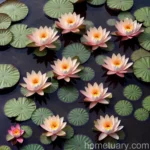
Nymphaea Tetragona (Pygmy Water Lily): A Plant Scientist’s Guide
Plants are essential for sustaining life on Earth. They not only provide us with oxygen but also offer aesthetic beauty and tranquility to our surroundings. In this comprehensive guide, we will delve into the delightful world of Nymphaea tetragona, commonly known as the Pygmy Water Lily. From its cultural significance to its growth requirements and propagation, this article aims to provide valuable insights for both enthusiasts and experts in the realm of plant science.
What is Nymphaea tetragona (Pygmy Water Lily)?
Nymphaea tetragona, also known as the Pygmy Water Lily or the White Water Lily, is a charming aquatic plant belonging to the Nymphaeaceae family. As the name suggests, it is characterized by its petite size, making it a popular choice for water gardens, container ponds, and even outdoor aquariums. This dainty plant produces delicate white flowers and lily pads that float gracefully on the water’s surface, adding a touch of elegance to any aquatic environment.
In the wild, Nymphaea tetragona can be found in shallow, still waters such as ponds, lakes, and slow-flowing streams, primarily in regions of North America and Asia. Due to its compact nature and the enchanting beauty it brings, the Pygmy Water Lily has become a sought-after choice for water features in both residential and commercial landscapes.
Key Takeaways – Nymphaea tetragona (Pygmy Water Lily)
Before we dive into the specifics of caring for the Nymphaea tetragona, it’s essential to highlight some key takeaways about this delightful plant. Whether you’re a novice water gardener or a seasoned enthusiast, these insights will serve as a valuable introduction to the Pygmy Water Lily’s characteristics and care requirements.
- Common Name: Pygmy Water Lily, White Water Lily
- Scientific Name: Nymphaea tetragona
- Family: Nymphaeaceae
- Native Habitat: North America, Asia
- Growth Form: Aquatic plant with floating leaves and delicate flowers
- Size: Petite, compact growth habit
- Cultural Significance: Symbolizes purity and tranquility
- Popularity: Widely utilized in water gardens and container ponds
Now that we’ve established a foundational understanding of the Nymphaea tetragona, let’s delve into its cultural significance, uses, and the essential conditions for its growth and maintenance.
Culture
The cultural significance of the Nymphaea tetragona spans across various traditions and societies. Throughout history, water lilies have been revered for their symbolic representations and have been depicted in art, literature, and religious practices.
In many cultures, water lilies are associated with purity, enlightenment, and rebirth, as they gracefully emerge from the depths of water, symbolizing the journey from darkness to light. The serene beauty of the Pygmy Water Lily has made it a beloved motif in garden design and landscape artistry, where it is often featured in serene water features, reflecting pools, and tranquil settings.
Uses
The uses of Nymphaea tetragona extend beyond its ornamental value. This charming water lily serves several practical purposes, making it a versatile addition to aquatic environments and landscapes.
- Ornamental Value: Adorns water gardens, ponds, and outdoor aquariums with its delicate flowers and floating leaves.
- Habitat Creation: Provides a natural habitat for aquatic wildlife, including fish, frogs, and beneficial insects.
- Water Quality Enhancement: Contributes to the overall health of aquatic ecosystems by aiding in water filtration and oxygenation.
- Symbolic Significance: Often used in landscape design to create serene, reflective water features that evoke tranquility and harmony.
Water
Like most aquatic plants, Nymphaea tetragona has specific water requirements that are crucial for its health and vitality. Understanding and maintaining the optimal water conditions is essential for the successful growth of the Pygmy Water Lily.
Sunlight
Nymphaea tetragona thrives in environments with ample sunlight. When cultivated outdoors, it should be placed in a location that receives at least 6 to 8 hours of direct sunlight daily. In a natural setting, the gentle warmth of the sun encourages the plant to produce vibrant blooms and ensures the healthy development of its floating leaves.
Fertilizer
Proper fertilization is essential for the vigorous growth and flowering of Nymphaea tetragona. When planted in a pond or water garden, utilizing a specialized aquatic plant fertilizer can provide the necessary nutrients for the plant to thrive. Always follow the recommended dosages and application guidelines to prevent over-fertilization, which can adversely affect the water and the plant’s health.
Soil
As an aquatic plant, Nymphaea tetragona does not grow in soil in the traditional sense. Instead, it thrives in a specialized aquatic plant medium or substrate that allows its roots to anchor and absorb nutrients from the water. Utilizing a nutrient-rich substrate specifically designed for aquatic plants will provide an ideal growing environment for the Pygmy Water Lily.
Pruning
Pruning is essential for managing the growth and overall appearance of Nymphaea tetragona. Regular removal of spent or decaying leaves and flowers helps maintain the plant’s vitality and prevents the accumulation of organic debris in the water, which could affect water quality. It’s important to use sharp, clean tools when pruning to minimize stress and damage to the plant.
Propagation
The propagation of Nymphaea tetragona can be achieved through various methods, allowing water gardeners and aquatic plant enthusiasts to expand their collection and share the beauty of this charming water lily.
Division
Division is one of the most common methods of propagating Nymphaea tetragona. This process involves carefully separating the plant into smaller sections, each containing healthy leaves and an adequate portion of the root system. These divisions can then be replanted in suitable aquatic environments to establish new colonies of the Pygmy Water Lily.
Seeds
While less common, propagating Nymphaea tetragona from seeds is also a viable option. Collecting mature seeds from the plant’s spent flowers and following specific germination and planting instructions can yield new plants over time. However, it’s important to note that this method may require more patience and attention to detail compared to division.
Container Popularity
The petite size and captivating beauty of Nymphaea tetragona make it a popular choice for container planting, especially in settings where larger water features may not be feasible. Container ponds, patio water gardens, and outdoor aquariums are ideal environments for showcasing the charm of the Pygmy Water Lily, allowing enthusiasts to enjoy its beauty on a smaller scale.
Common Diseases
As with any plant, Nymphaea tetragona is susceptible to certain diseases and health issues that can affect its growth and overall well-being. Understanding these common diseases and their diagnosis is crucial for implementing effective prevention and treatment strategies.
Disease Diagnosis
Fungal Infections:
Symptoms: Yellowing or browning of leaves, presence of powdery mildew or fuzzy growth on the plant’s surface.
Prevention: Maintain proper air circulation and avoid overwatering.
Treatment: Apply a suitable fungicide as per the manufacturer’s recommendations.
Bacterial Rot:
Symptoms: Soft, mushy areas on the plant, foul odor, and rapid decline in health.
Prevention: Avoid overhead watering and remove decaying plant matter promptly.
Treatment: Trim affected areas and apply a bactericidal treatment if necessary.
Viral Diseases:
Symptoms: Stunted growth, distorted leaves, and abnormal discoloration.
Prevention: Minimize the presence of insect vectors and practice proper sanitation.
Treatment: There are no specific treatments for viral infections, so prevention is key.
Common Pests
While Nymphaea tetragona is relatively resistant to pest infestations, it can still fall victim to certain aquatic pests that may affect its growth and appearance. Identifying these common pests and implementing suitable control measures is essential for maintaining the plant’s health.
Aphids:
These small, sap-sucking insects can cluster on the undersides of the plant’s leaves, causing damage and inhibiting growth.
Control: Rinse the affected plant parts with a strong stream of water or apply an insecticidal soap as needed.
Water Snails:
Certain species of aquatic snails may feed on the leaves and stems of Nymphaea tetragona, leading to visible damage.
Control: Introducing natural predators or utilizing snail traps can help manage the population of water snails.
Algae:
While not a pest in the traditional sense, excessive algae growth can overshadow the Pygmy Water Lily and affect its access to sunlight.
Control: Implement proper water quality management, including adequate filtration and nutrient control, to minimize algae growth.
Botanist’s Tips
Navigating the nuances of nurturing Nymphaea tetragona can be a rewarding endeavor, especially when armed with the insights and tips from experienced botanists. Here are some valuable tips for successfully caring for the Pygmy Water Lily.
- Optimal Water Quality: Regularly monitor and maintain the water quality in ponds and container gardens to provide an ideal growing environment for Nymphaea tetragona.
- Adequate Space: Ensure that the plant has sufficient space to spread its leaves and grow without being overcrowded by other aquatic plants.
- Prudent Pruning: Practice regular and careful pruning to manage the plant’s growth and prevent overcrowding in the water feature.
Fun Facts
Delving into the world of Nymphaea tetragona unveils a myriad of intriguing facts that showcase the allure and uniqueness of this captivating water lily.
- In the language of flowers, the water lily symbolizes purity, enlightenment, and rebirth.
- Despite their delicate appearance, water lilies are incredibly resilient and have been thriving for millions of years.
- Some species of water lilies have leaves that can grow as large as 2 feet in diameter, providing ample shade for aquatic inhabitants.
Links to External Resources
For further exploration and detailed information about Nymphaea tetragona and water lilies in general, the following external resources offer valuable insights and guidance:
- The Complete Guide to Water Lilies
- Aquatic Plant Care: Water Lilies
- The Water Garden Society
- Horticulture Magazine: Aquatic Plants
By delving into the enchanting world of Nymphaea tetragona, we’ve gained a deeper appreciation for the charm, resilience, and cultural significance of the Pygmy Water Lily. From its graceful blooms to its essential care requirements, this petite aquatic plant offers a wealth of beauty and fascination for enthusiasts and plant scientists alike. As we continue to explore the diverse realms of flora, the timeless allure of aquatic plants, such as Nymphaea tetragona, remind us of the wondrous intricacies that thrive just beneath the surface of the world’s waterways.
Keywords: Nymphaea tetragona care, Pygmy water lily facts, How to grow Nymphaea tetragona, Pygmy water lily varieties, Nymphaea tetragona characteristics, Nymphaea tetragona size, Pygmy water lily planting tips, Nymphaea tetragona in ponds, Pygmy water lily maintenance, Nymphaea tetragona species, Pygmy water lily flowering, Nymphaea tetragona in aquariums, Growing Pygmy water lily indoors, Nymphaea tetragona propagation, Pygmy water lily habitat, Nymphaea tetragona vs other water lilies, Pygmy water lily for small gardens, Nymphaea tetragona foliage, Pygmy water lily in containers, Nymphaea tetragona growing conditions, Pygmy water lily pond design, Nymphaea tetragona colors, Pygmy water lily floating leaves, Nymphaea tetragona aquatic plant, Pygmy water lily for beginners, Nymphaea tetragona blooming period, Pygmy water lily natural habitat, Nymphaea tetragona seasonal care, Pygmy water lily sunlight requirements, Nymphaea tetragona winter care, Pygmy water lily physical features, Nymphaea tetragona pond maintenance, Pygmy water lily disease prevention, Nymphaea tetragona decorative uses, Pygmy water lily in landscape design, Nymphaea tetragona water temperature tolerance, Pygmy water lily pest control, Nymphaea tetragona floating plant, Pygmy water lily wildlife attraction, Nymphaea tetragona natural filtration, Pygmy water lily planting depth, Nymphaea tetragona container gardening, Pygmy water lily exotic plant, Nymphaea tetragona hybrid varieties, Pygmy water lily oxygenation benefits, Nymphaea tetragona water quality indicator, Pygmy water lily seasonal changes, Nymphaea tetragona pond ecosystem, Pygmy water lily root system, Nymphaea tetragona winter dormancy