Plant Scientist’s Guide to Nymphaea Lotus (White Egyptian Lotus)
Plants have been an integral part of human culture, history, and daily life for thousands of years. From providing food and oxygen to offering aesthetic beauty and medicinal benefits, the value of plants is immeasurable. In this comprehensive guide, we will explore the fascinating world of Nymphaea lotus, commonly known as the White Egyptian Lotus. We will delve into its cultural significance, uses, care requirements, propagation methods, common diseases, and pests, along with interesting botanist’s tips and fun facts. By the end of this article, you will have a deep understanding of this enchanting aquatic plant and how to cultivate and appreciate it in various settings.
What is Nymphaea Lotus (White Egyptian Lotus)?
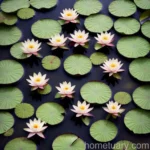
Nymphaea lotus, also known as the White Egyptian Lotus, is a striking aquatic plant that belongs to the Nymphaeaceae family. This species is native to Egypt and other parts of North Africa, where it has been deeply ingrained in ancient mythology, symbolism, and culture. The White Egyptian Lotus is particularly well-known for its exquisite white flowers and broad, round leaves that adorn the surface of still waters, creating an enchanting and serene ambiance.
From its role in ancient Egyptian art to its significance in modern-day water gardens, Nymphaea lotus holds a special place in the hearts of plant enthusiasts, historians, and nature lovers alike. Its graceful presence and rich history make it a captivating subject of study for botanists and a cherished ornamental plant for gardeners around the world.
Key Takeaways – Nymphaea lotus (White Egyptian Lotus)
Before we delve into the details of Nymphaea lotus, it is essential to highlight the key takeaways associated with this captivating aquatic plant. Whether you are a novice gardener, a seasoned botanist, or someone simply intrigued by the allure of the White Egyptian Lotus, understanding these fundamental aspects will set the stage for a comprehensive exploration of this remarkable species.
Culture
- Common Names: White Egyptian Lotus, Egyptian Water Lily, Sacred Lotus
- Native Habitat: Egypt, North Africa
- Cultural Significance: Integral part of ancient Egyptian mythology and art; revered as a symbol of beauty and spirituality
- Uses: Ornamental water gardening, cultural and religious ceremonies, medicinal applications
Uses
- Ornamental Purposes: Enhances the aesthetic appeal of water gardens, ponds, and aquatic landscapes
- Cultural and Religious Significance: Symbolizes purity, enlightenment, and rebirth in various traditions
- Medicinal Applications: Utilized in traditional herbal medicine for its potential health benefits
Water
- Growing Environment: Thrives in still or slow-moving bodies of water, such as ponds, lakes, and water features
- Water Quality: Prefers clean, non-polluted water with minimal disturbances
- Temperature Tolerance: Adaptable to a range of water temperatures, with optimal growth in warmer climates
Sunlight
- Light Requirements: Prefers full sun to partial shade for robust growth and prolific flowering
- Photosynthesis: Relies on sunlight to produce energy and support overall plant health
- Shade Adaptability: Can tolerate moderate shade but may exhibit reduced flowering and leaf expansion
Fertilizer
- Nutrient Needs: Benefits from a balanced aquatic fertilizer to support vigorous growth and blooming
- Application Method: Fertilizer can be added directly to the water or incorporated into the soil within the planting container
- Frequency: Fertilization frequency may vary based on water quality, plant size, and overall nutrient availability
Soil
- Growing Medium: Does not require traditional soil; commonly cultivated in specialized aquatic planting containers or directly in the underwater substrate
- Soil Composition: Flourishes in nutrient-rich, loamy substrate with ample organic matter
- Substrate Options: Aquatic planting media, clay loam, and specialized pond planting soil mixes are suitable choices
Pruning
- Maintenance: Regular removal of spent flowers, yellowing leaves, and excessive foliage is beneficial
- Pruning Techniques: Trimming and deadheading promote continuous blooming and maintain overall plant aesthetics
- Propagation: Can be propagated through division of rhizomes and planting of seed pods
Propagation
- Division: Divide mature plants to propagate new individuals and rejuvenate existing stands
- Seed Propagation: Collect and plant seeds in appropriate aquatic growing medium for germination
- Success Rates: Propagation through division often yields reliable results, while seed germination may require specific conditions and patience
Container Popularity
- Suitability: Well-suited for cultivation in water garden containers, aquatic planting baskets, and ornamental ponds
- Aesthetic Appeal: Enhances the visual allure of aquatic landscapes and adds a touch of elegance to water features
- Cultural Significance: Resonates with enthusiasts of ancient Egyptian history and symbolism
Container Common Diseases
- Root Rot: Susceptible to root rot in poorly aerated or stagnant water environments
- Leaf Spot: Fungal infections and waterborne pathogens may cause leaf discoloration and deterioration
- Algae Overgrowth: Excessive algae growth can outcompete the White Egyptian Lotus and compromise its vitality
Disease Diagnosis
- Symptoms: Yellowing leaves, dark or slimy roots, abnormal growth patterns, and reduced flowering may indicate disease or stress
- Monitoring: Regular inspection of plant health and water quality is essential for early detection and effective management
- Intervention: Implement appropriate treatments, improve water circulation, and address nutrient imbalances to combat diseases
Common Pests
- Aphids: Nuisance pests that may target tender shoots and young leaves
- Waterborne Insects: Water-dwelling insects such as water boatmen and dragonfly nymphs can occasionally cause damage
- Herbivorous Fish: Certain fish species may nibble on the leaves and flowers, leading to physical damage
Botanist’s Tips
- Water Quality: Prioritize clean, well-oxygenated water to sustain healthy growth and vibrant flowering
- Container Selection: Opt for spacious planting containers or aquatic baskets to accommodate rhizome growth and spreading leaves
- Regular Maintenance: Schedule routine pruning, debris removal, and water quality assessments to promote plant vigor
Fun Facts
- Symbol of Egypt: The White Egyptian Lotus is an iconic emblem of Egypt, symbolizing fertility, rebirth, and Upper Egypt
- Mythological Significance: Revered in ancient Egyptian mythology and associated with deities such as Nefertem and Ra
- Cultural Artifacts: Depictions of the lotus flower and its importance can be found in ancient Egyptian art, architecture, and religious artifacts
Now that we have established an overview of Nymphaea lotus and its significance, let’s delve deeper into each aspect to gain a comprehensive understanding of this captivating aquatic plant.
The Cultural Significance of Nymphaea Lotus
Nymphaea lotus, known for its enchanting white flowers and lily pads, has held a place of reverence and cultural importance throughout Egyptian history. From ancient mythology to modern-day symbolism, the White Egyptian Lotus has been associated with spirituality, purity, and the cycle of life.
The significance of the White Egyptian Lotus is deeply rooted in ancient Egyptian mythology, where it was revered as a symbol of creation and rebirth. The lotus flower prominently featured in religious practices and artistic representations, often associated with deities and pharaohs. In particular, the flower was connected to Nefertem, the god of healing and beauty, and Ra, the sun god, representing their divine presence and benevolent powers.
In addition to its mythological connotations, the lotus flower played a pivotal role in traditional medicine and wellness practices. Ancient Egyptians recognized the potential medicinal properties of Nymphaea lotus and utilized various parts of the plant for treating ailments and promoting well-being. Its use in herbal remedies and spiritual rituals underscored the profound cultural significance of the White Egyptian Lotus in ancient Egyptian society.
Today, Nymphaea lotus continues to captivate individuals around the world, not only for its aesthetic appeal but also for its enduring symbolism. As a focal element in water gardens, ponds, and landscape designs, the White Egyptian Lotus serves as a living homage to the rich heritage and cultural legacy of Egypt. Its presence evokes a sense of tranquility, elegance, and timeless beauty, resonating with enthusiasts of ancient history and botanical enthusiasts alike.
Uses of Nymphaea Lotus
The versatility of Nymphaea lotus extends beyond its ornamental allure, encompassing a wide spectrum of uses ranging from cultural and religious ceremonies to potential medicinal applications. Understanding the multifaceted roles of the White Egyptian Lotus provides a holistic perspective on its value and relevance in diverse contexts.
Ornamental Purposes
One of the primary uses of Nymphaea lotus is its ornamental appeal in water gardens, ponds, and aquatic landscapes. The captivating presence of the White Egyptian Lotus, with its resplendent white flowers and broad floating leaves, adds a touch of elegance to any aquatic setting. Whether cultivated in natural ponds or ornamental water features, the sight of Nymphaea lotus in full bloom creates a serene and enchanting ambiance, captivating the senses and uplifting the spirit.
Water Garden Landscaping
- Focal Point: As a centerpiece of water garden designs, the White Egyptian Lotus commands attention and serves as a focal point for visual interest
- Aesthetic Harmony: Complements other aquatic plants, lily pads, and water features to create a harmonious and balanced landscape
- Seasonal Showcase: Showcases seasonal blooming cycles, inviting admiration and fascination throughout the growing season
Cultural and Religious Significance
In various traditions and belief systems, the lotus flower holds profound symbolic meanings, often representing purity, enlightenment, and spiritual awakening. Its association with ancient Egyptian mythology and cultural heritage underscores its significance in ceremonial practices and religious observances.
Symbolism and Rituals
- Ceremonial Offerings: Nymphaea lotus is used in ceremonial offerings and symbolic rituals, signifying purity and spiritual transcendence
- Divine Connection: Represents the divine presence and eternal beauty, inspiring reverence and contemplation
- Cultural Celebrations: Incorporated into cultural festivities, weddings, and commemorative events as a symbol of hope and renewal
Medicinal Applications
With a history steeped in traditional herbal medicine, Nymphaea lotus has been recognized for its potential health benefits and therapeutic properties. While contemporary scientific studies on its medicinal efficacy are ongoing, historical accounts and traditional practices highlight its significance in wellness and healing.
Traditional Herbalism
- Herbal Preparations: Leaves, flowers, and rhizomes utilized in decoctions, tinctures, and poultices for various health concerns
- Health Tonic: Believed to possess rejuvenating and soothing effects, promoting relaxation and overall well-being
- Aromatherapy: Aromatic compounds from the lotus flower used in perfumes, incense, and spiritual aromatherapy practices
The diverse uses of Nymphaea lotus underscore its enduring appeal and cultural resonance, transcending geographical boundaries and spanning millennia. Whether admired for its sheer beauty, revered for its spiritual symbolism, or explored for its potential healing properties, the White Egyptian Lotus continues to leave an indelible mark on human culture and consciousness.
Water Requirements for Nymphaea Lotus
The aquatic nature of Nymphaea lotus dictates specific requirements for water quality, temperature, and environmental conditions to support its optimal growth and overall well-being. Understanding and managing these water-related factors are essential for successfully cultivating and nurturing the White Egyptian Lotus in various aquatic settings.
Growing Environment
Nymphaea lotus thrives in still or slow-moving bodies of water, such as ponds, lakes, and water features. Its specialized adaptation to submerged conditions and reliance on water for essential nutrients and structural support make it an ideal choice for aquatic landscapes and naturalistic pond designs.
Ideal Water Features
- Ponds and Lakes: Flourishes in man-made and natural ponds, creating a picturesque display of floating leaves and blossoming flowers
- Water Gardens: Enhances the visual appeal of water gardens, offering a touch of elegance and tranquility to the landscape
- Artificial Water Features: Adaptable to ornamental fountains, artificial streams, and constructed water displays with adequate depth and still water conditions
Water Quality
The quality of water significantly influences the health and vigor of Nymphaea lotus. Clean, non-polluted water with minimal disturbances is crucial to support robust growth, flowering, and sustainable development of the plant.
Key Water Parameters
- Purity: Preferably free from pollutants, excess nutrients, and chemical contaminants that can compromise plant vitality
- Oxygenation: Well-oxygenated water promotes root respiration and nutrient uptake, preventing anaerobic conditions
- Stagnation: Minimize stagnant water conditions to prevent the accumulation of sediment and organic matter, which may affect plant health
Temperature Tolerance
Nymphaea lotus exhibits adaptability to a range of water temperatures, although it thrives in warmer climates with consistent warmth and ample sunlight. While it can withstand moderate fluctuations in temperature, extreme cold or prolonged periods of low temperatures may hinder its growth and flowering capacity.
Temperature Considerations
- Warm-Season Preference: Flourishes in tropical and subtropical regions with extended warm seasons and moderate winters
- Cold Tolerance: Capable of tolerating cooler water temperatures to a certain extent, but prolonged exposure to low temperatures may impact its vitality
- Thermal Stratification: Sensitive to rapid temperature changes and abrupt shifts in water temperature within its environment
Understanding the aquatic requirements of Nymphaea lotus lays the foundation for creating a conducive and sustainable habitat for this mesmerizing aquatic plant. By considering water quality, temperature considerations, and the suitability of specific water features, plant enthusiasts can maximize the potential of the White Egyptian Lotus in various settings.
Sunlight Preferences for Nymphaea Lotus
Sunlight plays a pivotal role in the growth, development, and blooming patterns of Nymphaea lotus, influencing its photosynthetic activity, metabolic processes, and overall plant vigor. Understanding the sunlight preferences of the White Egyptian Lotus is essential for optimizing its cultivation and ensuring its successful acclimatization to its chosen water environment.
Light Requirements
Nymphaea lotus thrives in conditions that provide ample access to sunlight, enabling robust growth, vibrant flowering, and the development of healthy foliage. While it can tolerate moderate shade, the plant’s overall performance and flowering potential are significantly enhanced when exposed to full sun or partial shade.
Sun Exposure
- Full Sun: Provides optimal conditions for prolific flowering, vigorous growth, and the expansion of large, healthy leaves
- Partial Shade: Tolerates partial shade, but may exhibit reduced flowering and slower leaf development compared to plants receiving full sun exposure
- Shade Adaptability: Capable of acclimatizing to moderate shade levels, particularly in regions with intense sunlight or during peak summer months
Photosynthesis and Growth
As a water garden plant with specific developmental requirements, Nymphaea lotus relies on photosynthesis to produce energy, promote leaf expansion, and support metabolic functions. Adequate access to sunlight is essential for maintaining the plant’s energy reserves and sustaining its vital physiological processes.
Photosynthetic Activity
- Chlorophyll Production: Utilizes sunlight to generate chlorophyll, essential for capturing light energy and driving photosynthesis
- Carbon Fixation: Incorporates carbon dioxide to produce organic compounds, fostering leaf and root development
- Energy Conversion: Converts light energy into chemical energy, supporting nutrient uptake and overall plant health
Impact on Flowering
Sunlight plays a pivotal role in stimulating and regulating the flowering cycle of Nymphaea lotus, influencing the duration, frequency, and intensity of blooming events. Plants receiving ample sunlight are more likely to exhibit robust flowering and prolonged display of resplendent blooms.
Flowering Patterns
- Sunlight Dependency: Relies on sunlight exposure to trigger and sustain flowering, with optimal blooming observed in plants receiving full sun
- Extended Blooming Period: Abundant sunlight contributes to prolonged and repeated flowering cycles, prolonging the visual appeal of the plant
- Flower Color and Viability: Enhances the vibrancy and longevity of the blossoms, emphasizing their inherent beauty and visual impact
By aligning the sunlight preferences of Nymphaea lotus with its intended planting location and environmental conditions, plant enthusiasts can support the plant’s vigor, resilience, and flowering potential. Optimizing sunlight exposure ensures the successful cultivation and visual splendor of the White Egyptian Lotus in water garden landscapes and naturalistic settings.
Fertilization Strategies for Nymphaea Lotus
Appropriate fertilization is crucial for influencing the growth, flowering, and overall vitality of Nymphaea lotus in aquatic environments. While the plant obtains essential nutrients from the water and underlying substrate, supplemental fertilization can enhance its vigor and promote prolific blooming, provided it is carefully applied within established guidelines.
Nutrient Needs
Nymphaea lotus benefits from a balanced supply of essential nutrients, including nitrogen, phosphorus, potassium, and micronutrients, to sustain robust growth, maintain vibrant foliage, and support flowering. Assessing and addressing the specific nutrient requirements of the plant is essential for formulating an effective fertilization regimen.
Essential Nutrients
- Nitrogen (N): Essential for promoting leaf development, chlorophyll synthesis, and overall plant vigor
- Phosphorus (P): Supports root growth, flowering, and energy transfer processes within the plant
- Potassium (K): Aids in nutrient uptake, osmotic regulation, and stress tolerance, contributing to overall plant health
- Micronutrients: Trace elements such as iron, manganese, and zinc play crucial roles in enzymatic functions and metabolic processes
Fertilizer Application
The application of aquatic fertilizers to the water or underlying substrate can supplement the nutrient availability for Nymphaea lotus, sustaining its growth and enhancing its ornamental appeal. Careful consideration of the fertilizer type, application method, and dosing frequency is essential to avoid over-fertilization and potential adverse effects on water quality.
Application Guidelines
- Liquid Fertilizers: Dilute liquid aquatic fertilizers and apply them directly to the water, ensuring even distribution and nutrient absorption
- Solid Fertilizers: Utilize slow-release aquatic plant fertilizers designed for submerged applications, incorporating them into the planting substrate or aquatic containers
- Dosing Frequency: Determine the appropriate frequency of fertilization based on plant growth, flowering patterns, and water quality assessments
Fertilization Effects
By providing appropriate fertilization, plant enthusiasts can observe tangible improvements in the growth, vitality, and visual appeal of Nymphaea lotus. Vigorous foliage, prolific flowering, and sustained plant health are indicative of a balanced nutrient supply and effective fertilization strategies.
Growth and Flowering
- Leaf Expansion: Adequate nutrients support the development of large, healthy leaves, contributing to the plant’s aesthetic appeal and photosynthetic capability
- Bountiful Blooms: Increased flowering frequency, extended blooming periods, and vibrant blossoms signify the plant’s response to balanced fertilization
- Overall Vigor: Robust growth, resilience against environmental stressors, and sustained vitality reflect the positive impact of supplemental fertilization
Careful monitoring and adjustment of the fertilization regimen are essential to maintain a harmonious balance between nutrient availability, plant