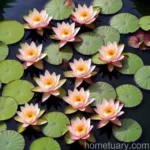
Nymphaea ‘Marliacea Albida’ (Hardy Water Lily) Care Guide
Nymphaea ‘Marliacea Albida’ is a stunning aquatic plant that truly shines in water gardens and ponds. This beautiful specimen, also known as the Hardy Water Lily, features delicate white flowers and vibrant green foliage, adding a touch of elegance to any aquatic setting. If you’re considering incorporating Nymphaea ‘Marliacea Albida’ into your garden or pond, it’s essential to understand its unique characteristics, requirements, and growth habits to ensure its successful cultivation. In this comprehensive guide, we’ll delve into the culture, uses, care tips, and much more for Nymphaea ‘Marliacea Albida’.
What is Nymphaea ‘Marliacea Albida’ (Hardy Water Lily)?
Nymphaea ‘Marliacea Albida’ belongs to the Nymphaeaceae family and is a hardy aquatic perennial. With its expansive floating leaves and majestic flowers, this water lily variety is one of the most sought-after plants for water features. The species typically thrives in calm, freshwater environments, making it a perfect choice for ponds, slow-flowing rivers, and other aquatic landscapes.
Key Takeaways – Nymphaea ‘Marliacea Albida’ (Hardy Water Lily)
Before diving into the specifics of caring for Nymphaea ‘Marliacea Albida’, let’s highlight some key takeaways about this exquisite aquatic plant:
- Scientific Name: Nymphaea ‘Marliacea Albida’
- Common Name: Hardy Water Lily
- Plant Type: Aquatic perennial
- Characteristics: White flowers, circular floating leaves
- Ideal Growing Conditions: Still or slow-moving freshwater, abundant sunlight
- Maintenance Level: Low to moderate
- Special Features: Ornamental flowers, oxygenating properties
With these key points in mind, we’ll explore the culture, uses, care requirements, and other essential aspects of Nymphaea ‘Marliacea Albida’ in detail.
Culture
Uses
Nymphaea ‘Marliacea Albida’ holds significant value in both ornamental and ecological contexts. Its primary uses include:
- Ornamental Purposes: The striking white flowers and lush green foliage make Nymphaea ‘Marliacea Albida’ an exceptional choice for enhancing the visual appeal of water gardens, ponds, and other aquatic features.
- Habitat Enhancement: Beyond its aesthetic value, this hardy water lily contributes to the ecological health of its habitat by providing shelter for aquatic fauna and promoting natural balance within water ecosystems.
Water
Water is a fundamental element in the successful cultivation of Nymphaea ‘Marliacea Albida’. When integrating this water lily into a pond or water garden, consider the following water-related factors:
- Quality: Choose sites with clean, non-polluted water to ensure the health and vitality of the plants.
- Depth: Nymphaea ‘Marliacea Albida’ thrives in water depths ranging from 12 to 24 inches (30 to 60 cm). It’s important to maintain the ideal water depth to support the plant’s growth and development.
Sunlight
Adequate sunlight is crucial for the flourishing of Nymphaea ‘Marliacea Albida’. When selecting a location for this hardy water lily, prioritize areas that receive ample sunlight, preferably at least 6 hours of direct sunlight per day. The availability of sufficient sunlight directly influences the plant’s flowering and overall vigor.
Fertilizer
While hardy water lilies are generally low-maintenance plants, they can benefit from occasional fertilization to support healthy growth and prolific flowering. Consider using a specialized fertilizer formulated for aquatic plants, and apply it according to the product’s instructions. Fertilization is typically conducted during the growing season to maximize the plant’s vitality.
Soil
In their natural habitat, water lilies grow in a specialized aquatic substrate composed of clay, silt, and organic matter. When cultivating Nymphaea ‘Marliacea Albida’ in a pond or water garden, it’s important to mimic these natural growing conditions by providing a suitable aquatic planting medium. Aquatic planting baskets filled with a blend of loam and aquatic planting soil offer an ideal environment for the roots of hardy water lilies to establish and thrive.
Pruning
Pruning plays a vital role in maintaining the health and aesthetics of Nymphaea ‘Marliacea Albida’. Regular removal of spent flowers and yellowing leaves not only keeps the plant tidy but also encourages continuous blooming and prevents the accumulation of decaying plant material in the water, which could adversely affect the water quality.
Propagation
Propagating Nymphaea ‘Marliacea Albida’ allows for the expansion of its presence in aquatic settings and presents an opportunity to share this beautiful water lily with other enthusiasts. The most common methods of propagation include division and seed propagation. Division involves separating mature plants into smaller sections, each containing a portion of the rhizome and attached roots. Seed propagation, although less common, offers an alternative way to produce new plants, especially for hybrid varieties like Nymphaea ‘Marliacea Albida’.
Container Popularity
While Nymphaea ‘Marliacea Albida’ is often grown directly in ponds or water gardens, it can also thrive in containers specifically designed for aquatic planting. Container planting not only allows for greater control over the plant’s environment but also enables enthusiasts to enjoy water lilies in settings where traditional pond or garden installation may not be feasible.
Container Common Diseases
While plants grown in containers are generally less susceptible to certain diseases and pests compared to those in open water bodies, container-grown Nymphaea ‘Marliacea Albida’ may still encounter specific ailments. Common container diseases to watch for include:
- Root Rot: Excessive moisture and poor drainage in containers can lead to root rot, compromising the health of the plant.
- Leaf Spot: Fungal diseases causing leaf spot can occur in containers, particularly in humid and overcrowded conditions.
Disease Diagnosis
Early detection and intervention are crucial in managing diseases in Nymphaea ‘Marliacea Albida’. Monitoring the plant for symptoms such as discolored or spotted leaves, stunted growth, and unusual wilting can aid in early disease diagnosis. If disease symptoms are observed, prompt measures such as adjusting watering practices, improving air circulation, and applying targeted treatments can help mitigate the spread and impact of diseases.
Common Pests
Hardy water lilies are generally resilient to pest infestations, but occasional encounters with pests may occur. Some common pests that may affect Nymphaea ‘Marliacea Albida’ include:
- Aphids: These small, soft-bodied insects can gather on the undersides of leaves, sucking sap from the plant and causing distortion and discoloration of the foliage.
- Leaf Miners: Larvae of certain insects may tunnel into the leaves of water lilies, leaving unsightly trails and affecting the aesthetic appeal of the plant.
Vigilance in monitoring for pest activity and the use of natural predators, such as ladybugs, can help manage pest populations without the need for chemical intervention.
Botanist’s Tips
Armed with the insights from seasoned botanists and water gardening experts, here are some valuable tips for successfully cultivating Nymphaea ‘Marliacea Albida’:
- Site Selection: Identify a suitable location with ample sunlight and appropriate water depth to accommodate the plant’s specific requirements.
- Fertilization: Apply a balanced aquatic plant fertilizer during the growing season to promote robust growth and abundant flowering without over-fertilizing, which could lead to excessive algae growth in the water.
- Pruning Practices: Regularly remove spent flowers and any yellowing foliage to maintain the plant’s vitality and ornamental appeal while preventing the accumulation of decaying plant material in the water.
Fun Facts
- The hardy water lily, Nymphaea ‘Marliacea Albida’, is a captivating addition to water gardens, boasting not only beautiful flowers but also oxygenating abilities that benefit the aquatic environment.
- The name “Nymphaea” is derived from Greek mythology, where nymphs, divine feminine spirits associated with water and nature, were believed to inhabit and protect natural water bodies such as lakes and rivers.
Now that we’ve explored the culture, uses, and various aspects of caring for Nymphaea ‘Marliacea Albida, let’s delve into additional resources and information to further enhance our understanding and appreciation of this remarkable aquatic plant.
Links to External Resources
- The Royal Horticultural Society (RHS) – Water Lilies: Growing and Plant Care
- Aquascape – 5 Benefits of Adding Aquatic Plants to Your Pond
- PondTrade Magazine – Water Lily Maintenance and Care Tips
- University of Florida IFAS Extension – Water Gardening: Water Lily Management
- The American Society of Landscape Architects (ASLA) – The Benefits of Green Infrastructure
By leveraging these valuable external resources, enthusiasts can further enrich their knowledge and skills in cultivating and appreciating Nymphaea ‘Marliacea Albida’ and other aquatic plants.
In conclusion, the exquisite Nymphaea ‘Marliacea Albida’ is a captivating addition to water gardens, ponds, and other aquatic landscapes, offering stunning blooms, habitat enrichment, and a touch of natural beauty. With the right cultural practices, care, and understanding, this hardy water lily can thrive and flourish, creating a mesmerizing focal point and enhancing the ecological balance of its aquatic habitat. Whether you’re an experienced water gardener or a novice enthusiast, the allure of Nymphaea ‘Marliacea Albida’ is sure to captivate and inspire a deeper connection with the wondrous world of aquatic plants.