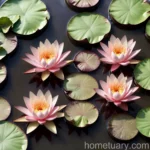
Nymphaea ‘Purple Joy’ (Tropical Water Lily): A Comprehensive Plant Guide
The Nymphaea ‘Purple Joy’, also known as the Tropical Water Lily, is a stunning aquatic plant that has captivated gardeners and botany enthusiasts alike. With its vibrant purple blooms and graceful floating leaves, this water lily species adds beauty and serenity to ponds and water gardens. In this comprehensive plant guide, we will explore the cultural significance, uses, care requirements, and propagation techniques for the Nymphaea ‘Purple Joy’. Whether you’re a seasoned horticulturist or a beginner looking to enhance your gardening skills, this article will provide you with valuable insights into the captivating world of Tropical Water Lilies.
Key Takeaways – Nymphaea ‘Purple Joy’ (Tropical Water Lily)
Before delving into the specifics of cultivating and caring for the Nymphaea ‘Purple Joy’, let’s take a moment to highlight the key takeaways associated with this exquisite water lily variety:
- Common Name: Nymphaea ‘Purple Joy’, Tropical Water Lily
- Botanical Name: Nymphaea ‘Purple Joy’
- Plant Type: Aquatic, perennial
- Growth Habit: Floating leaves and vibrant purple flowers
- Sunlight Requirements: Full sun to partial shade
- Water Requirements: Aquatic, thrives in water bodies
- Soil Type: Rich, loamy soil
- Fertilizer Needs: Balanced aquatic fertilizer
- Propagation: Division of rhizomes
- Common Uses: Ornamental feature in ponds and water gardens
- Popularity: Widely favored for its striking blooms and easy care requirements
- Common Diseases: Rust, leaf spot, and powdery mildew
- Common Pests: Aphids, snails, and caterpillars
Throughout this guide, we will further explore these key takeaways and provide comprehensive insights into the cultivation, care, and maintenance of the Nymphaea ‘Purple Joy’.
What is Nymphaea ‘Purple Joy’ (Tropical Water Lily)?
Nymphaea ‘Purple Joy’ is a mesmerizing tropical water lily variety that belongs to the Nymphaeaceae family. This family of aquatic plants comprises a diverse range of species, with the Nymphaea genus being particularly renowned for its captivating water lilies. The ‘Purple Joy’ variety stands out for its striking purple blooms and lush green foliage, making it a sought-after addition to water features and gardens.
Botanical Characteristics
- Flowers: The blooms of Nymphaea ‘Purple Joy’ are characterized by their rich purple petals and vibrant yellow stamens. The flowers emerge from underwater buds and rise above the water’s surface, creating a visually stunning display.
- Leaves: The leaves of the Tropical Water Lily are circular or oval-shaped, with a glossy, waxy texture that allows water to bead on the surface. The leaves float on the water, providing shade and shelter for aquatic life.
- Rhizomes: Like many water lily species, Nymphaea ‘Purple Joy’ spreads through rhizomes, which are underground stems that give rise to new shoots and roots. These rhizomes play a crucial role in the plant’s growth and propagation.
Culture
The cultural significance of Nymphaea ‘Purple Joy’ extends beyond its ornamental value, encompassing historical, artistic, and ecological dimensions. In various cultures, water lilies have been revered for their symbolism and revered as artistic motifs. From ancient Egyptian depictions to contemporary water garden designs, water lilies have left an indelible mark on human culture.
Historical and Symbolic Significance
- Ancient Egypt: Water lilies, particularly the blue lotus (Nymphaea caerulea), held profound significance in ancient Egyptian mythology and art. The blue lotus was associated with the sun god Ra and the process of rebirth and regeneration, symbolizing the cycle of life and the afterlife.
- Buddhism: In Buddhism, the water lily holds symbolic significance, representing purity, enlightenment, and the blossoming of spiritual potential. The lotus flower, often depicted in serene images of Buddha and various deities, serves as a potent symbol of transcendence and beauty emerging from muddy waters.
- Artistic Motifs: The entrancing beauty of water lilies has inspired countless artists, from Claude Monet’s iconic water lily paintings to contemporary interpretations in literature and visual arts. Water lilies evoke a sense of tranquility, serenity, and natural harmony, making them a timeless subject in the world of visual arts.
Ecological Significance
Beyond their cultural and symbolic value, water lilies contribute to the ecological balance of aquatic ecosystems. Their floating leaves provide shade for fish and aquatic organisms, reducing water temperature and inhibiting algal growth. Additionally, the presence of water lilies creates habitats for diverse species of fauna, fostering biodiversity in ponds, lakes, and marshes.
Uses
The uses of Nymphaea ‘Purple Joy’ encompass both aesthetic and practical dimensions, making it a versatile and valuable addition to water gardens, ponds, and aquatic landscapes. Whether it’s creating a serene focal point in a garden or supporting the ecological health of water bodies, the uses of this tropical water lily are diverse and impactful.
Ornamental Feature
- Water Gardens: In water gardens and ponds, Nymphaea ‘Purple Joy’ serves as a captivating focal point, drawing attention with its vibrant blooms and lush green foliage. Its floating leaves create a sense of tranquility and natural beauty, enhancing the visual appeal of aquatic landscapes.
- Public Parks and Botanical Gardens: Many public parks and botanical gardens feature water lily ponds, showcasing the beauty and diversity of water lily species. Nymphaea ‘Purple Joy’ often occupies a prominent place in these displays, captivating visitors and providing educational insights into aquatic flora.
Ecological Role
- Habitat Creation: As mentioned earlier, water lilies play a critical role in creating habitats for aquatic life, including fish, amphibians, and invertebrates. By providing cover and shelter, water lilies contribute to the overall biodiversity of water bodies.
- Algal Inhibition: The shade provided by water lily leaves helps mitigate excessive algal growth, thereby maintaining the ecological balance of ponds and lakes. In this way, Nymphaea ‘Purple Joy’ contributes to the overall health and aesthetics of aquatic environments.
Water
Proper water maintenance is crucial for the health and vitality of Nymphaea ‘Purple Joy’. As an aquatic plant, it relies on an adequate supply of water for its growth and blooming. Understanding its water requirements and ensuring optimal conditions are essential for cultivating thriving water lilies.
Water Quality
- pH: The ideal pH range for water lilies, including Nymphaea ‘Purple Joy’, is slightly acidic to slightly alkaline, typically between 6.0 and 7.5. Testing the water pH and making necessary adjustments can promote healthy growth and vibrant blooms.
- Temperature: Tropical water lilies thrive in warmer water temperatures, ideally between 75°F and 85°F (24°C to 29°C). In regions with cooler climates, the use of pond heaters or positioning the water lily in sunnier spots can help maintain suitable temperatures.
- Circulation: Adequate water circulation is vital for preventing stagnation and maintaining oxygen levels. Circulation also helps distribute nutrients and maintain overall water quality, benefiting the health of aquatic plants like Nymphaea ‘Purple Joy’.
Planting Depth
The appropriate planting depth for Nymphaea ‘Purple Joy’ is crucial for its growth and blooming. Setting the plant at the correct depth ensures that it receives adequate sunlight and establishes a healthy root system.
Planting Depth Guidelines:
- Optimal Depth: The recommended planting depth for Nymphaea ‘Purple Joy’ is between 12 to 24 inches (30 to 61 cm) below the water’s surface. This positioning allows the plant to receive ample sunlight while anchoring its roots in nutrient-rich substrate.
- Deeper Water Adaptation: If your water feature has varying depth zones, Nymphaea ‘Purple Joy’ can adapt to deeper sections, provided the water maintains suitable clarity and light penetration.
Water Features and Ponds
For those considering incorporating Nymphaea ‘Purple Joy’ into a water feature or pond, it’s essential to understand the design and maintenance considerations associated with aquatic plant cultivation.
Pond Design Tips:
- Shallow Areas: Designating shallow areas within the pond facilitates the cultivation of water lilies, including Nymphaea ‘Purple Joy’, in optimal depths while creating an attractive, naturalistic layout.
- Water Circulation: Incorporating aeration systems or water features such as fountains or waterfalls enhances circulation, oxygenation, and aesthetic appeal while benefitting aquatic plants.
Sunlight
Proper sunlight exposure is crucial for the growth, blooming, and overall health of Nymphaea ‘Purple Joy’. Understanding its sunlight preferences and optimizing light conditions are essential for cultivating thriving tropical water lilies.
Sunlight Requirements
- Full Sun to Partial Shade: Nymphaea ‘Purple Joy’ thrives in full sunlight, ideally receiving at least 6 to 8 hours of direct sunlight per day. However, it can also tolerate partial shade, particularly in regions with intense midday sun or warmer climates.
- Leaf Orientation: The orientation of the floating leaves is an adaptation that allows Nymphaea ‘Purple Joy’ to optimize sunlight absorption. Positioning the plant where it can receive ample sunlight promotes robust growth and prolific blooming.
Cultivation Tips
When integrating Nymphaea ‘Purple Joy’ into water features or garden ponds, the following cultivation tips can help optimize sunlight exposure and support the plant’s well-being.
Strategic Placement:
- Consider Sun Angles: Observe the path of sunlight throughout the day to identify optimal locations for positioning Nymphaea ‘Purple Joy’. Balancing direct sunlight with shade and avoiding extreme exposure can contribute to the plant’s health and vitality.
- Seasonal Adjustments: Be mindful of seasonal sunlight variations, especially in relation to foliage canopy and potential obstructions. Adapting the plant’s placement during different seasons can help maintain ideal light conditions.
Fertilizer
Proper fertilization is essential for promoting robust growth, blooming, and overall vigor in Nymphaea ‘Purple Joy’. By providing balanced aquatic fertilizer and adhering to appropriate application practices, gardeners can support the optimal development of tropical water lilies.
Fertilizer Types
- Aquatic Fertilizers: Specialized aquatic fertilizers formulated for water lilies and other aquatic plants are recommended for Nymphaea ‘Purple Joy’. These fertilizers are designed to release nutrients gradually, supporting sustained growth and blooming.
- Nutrient Balance: Balanced aquatic fertilizers typically contain essential nutrients such as nitrogen, phosphorus, and potassium, along with micronutrients. This nutrient balance is tailored to meet the specific needs of water lilies in aquatic environments.
Application Guidelines
Applying fertilizer in a manner that maximizes nutrient uptake and minimizes potential adverse effects is essential for fostering healthy growth and blooming in Nymphaea ‘Purple Joy’.
Fertilization Tips:
- Moderate Application: Apply fertilizer to Nymphaea ‘Purple Joy’ according to the product’s guidelines, typically at monthly intervals during the growing season. Avoid excessive application, which can lead to nutrient imbalances and potential harm to aquatic ecosystems.
- Submerged Fertilizer Baskets: Placing fertilizer into submerged baskets or pots near the plant’s rhizomes ensures targeted nutrient delivery while preventing the dispersion of fertilizer throughout the water body.
Soil
While Nymphaea ‘Purple Joy’ is an aquatic plant that primarily subsists on water and nutrients from the surrounding environment, understanding the substrate in which it establishes its roots is essential for optimizing its growth and blooming.
Substrate Considerations
- Rich Loamy Soil: Nymphaea ‘Purple Joy’ benefits from a substrate with a rich loamy composition that provides essential nutrients and an anchor for its rhizomes. A fertile substrate supports healthy root growth and nutrient uptake.
- Aquatic Plant Mixes: Specialized aquatic plant mixes or pond plant soils are recommended for cultivating water lilies. These mixes are tailored to provide the necessary balance of nutrients and support optimal root development in aquatic environments.
Container Growth
For those cultivating Nymphaea ‘Purple Joy’ in containers or submerged pots within ponds, understanding the considerations associated with container growth is crucial for promoting healthy and vigorous plants.
Container Considerations:
- Submerged Planting: Submerging the plant in dedicated containers or pots within the pond facilitates control over its growth and ensures a suitable substrate while preventing the spread of rhizomes to unwanted areas.
- Rhizome Protrusion: When planting water lilies in containers, ensure that a portion of the rhizome remains exposed to encourage outward growth and blooming. Avoid burying the entire rhizome, as this can hinder the emergence of new shoots.
Pruning
Pruning plays a pivotal role in maintaining the health, appearance, and productivity of Nymphaea ‘Purple Joy’. By implementing proper pruning techniques, gardeners can manage overgrowth, promote blooming, and sustain the plant’s vitality.
Leaf Maintenance
- Decaying Leaves: Regularly remove decaying or yellowing leaves from Nymphaea ‘Purple Joy’ to prevent the accumulation of organic matter in the water and maintain water quality. Pruning decaying leaves also directs the plant’s energy toward healthy foliage and blooming.
- Leaf Trimming: Trimming the outer edges of water lily leaves can help manage overgrowth and maintain an aesthetically pleasing appearance. Use clean, sharp scissors for precise cutting without causing damage to the plant.
Flower Management
- Spent Blooms: Deadhead spent blooms from Nymphaea ‘Purple Joy’ to encourage the continuous emergence of new flowers. Removing wilted blooms redirects the plant’s energy toward producing additional blooms, prolonging the blooming period and enhancing visual appeal.
- Pruning Stems: When pruning spent blooms, trim the flower stems back to the base of the plant to promote a tidy appearance and minimize potential nutrient loss through stem decay.
Propagation
The propagation of Nymphaea ‘Purple Joy’ involves the division of rhizomes, a process that enables gardeners to cultivate new plants from established specimens. Understanding the propagation techniques and timing is essential for expanding water lily populations and sharing these captivating plants with fellow enthusiasts.
Propagation Methods
- Rhizome Division: Propagation of Nymphaea ‘Purple Joy’ is typically achieved through the division of rhizomes during the plant’s dormant period or early spring. This method involves separating the rhizomes into sections, each containing viable buds and roots.
- Segment Preparation: When dividing the rhizomes, ensure that each segment has healthy root systems and viable growth points. Trimming any damaged or compromised sections promotes the successful establishment of propagated plants.
Planting Propagated Segments
- Substrate Adjustment: Plant the divided rhizome segments into suitable aquatic plant mixes or pond plant soils, providing a balanced substrate for root establishment and growth. Ensure that the segments are positioned at an appropriate depth to facilitate blooming as they mature.
- Growing Conditions: After planting the propagated segments, place them in locations within water features or ponds that receive adequate sunlight, promoting the development of new shoots and robust foliage.
Popularity
The Nymphaea ‘Purple Joy’ has garnered widespread popularity among gardeners, water garden enthusiasts, and aquatic plant aficionados. Its striking visual appeal, ease of cultivation, and adaptability to varying water garden designs have contributed to its acclaim as a favored water lily variety.
Garden Center Availability
- Availability: Nymphaea ‘Purple Joy’ is often available at garden centers, nurseries, and aquatic plant specialists, where it is showcased as an attractive addition to water garden displays and aquatic plant collections.
Landscaping and Water Features
- Landscaping Appeal: The allure of Nymphaea ‘Purple Joy’ as an ornamental water lily has made it a popular choice for enhancing the aesthetics of water features in residential and commercial landscaping projects.
- Water Garden Design: Water gardens and decorative ponds often incorporate Nymphaea ‘Purple Joy’ for its captivating blooms, lush foliage, and its ability to thrive in various water garden styles and designs.
Common Diseases
Despite their resilience, water lilies such as Nymphaea ‘Purple Joy’ are susceptible to certain diseases and pathogens. Understanding common diseases and their management is essential for preventing and addressing potential issues that can affect the health of tropical water lilies.
Rust
- Symptoms: Rust presents as orange to rust-colored pustules on the undersides of water lily leaves, often accompanied by yellowing of the infected sections.
- Management: To manage rust, prune and dispose of infected leaves. Applying fungicidal treatments formulated for aquatic plants can help combat the spread of rust and prevent recurrence.
Leaf Spot
- Symptoms: Leaf spot manifests as darkened, irregular spots on water lily foliage, potentially leading to leaf yellowing and defoliation in severe cases.
- Management: Prune and discard affected leaves, promoting adequate air circulation to prevent moisture-related leaf spot. If necessary, apply aquatic-safe fungicidal treatments to thwart further spread.
Powdery Mildew
- Symptoms: Powdery mildew appears as a white, powdery coating on water lily leaves, accompanied by leaf distortion and stunted growth.
- Management: Improve air circulation and reduce humidity to discourage powdery mildew. Regularly inspect and prune affected areas, and consider applying environmentally safe fungicidal treatments as needed.
Disease Diagnosis
Timely diagnosis of diseases that may affect Nymphaea ‘Purple Joy’ is critical for implementing targeted management strategies and preventing the spread of pathogens. By recognizing common symptoms and signs of diseases, gardeners can take proactive measures to safeguard the health of their water lilies.
Visual Symptoms
- Leaf Discoloration: Yellowing, browning, or abnormal discoloration of water lily leaves can indicate various diseases, such as rust, leaf spot, or fungal infections.
- Fuzzy Growth: The presence of powdery or fuzzy growth on water lily foliage is indicative of potential fungal diseases, such as powdery mildew, which can compromise the plant’s health.
Leaf Inspection
- Underside Examination: Carefully inspecting the undersides of water lily leaves can reveal signs of rust or fungal growth that may not be immediately visible on the upper leaf surfaces.
- Spot Identification: Identifying irregular spots, lesions, or powdery coatings on leaves prompts further examination and potential disease management measures.
Common Pests
In addition to diseases, Nymphaea ‘Purple Joy’ can be affected by a range of pests that may compromise its growth and blooming. Understanding common pests and implementing appropriate pest control measures is essential for maintaining healthy tropical water lilies.
Aphids
- Symptoms: Aphids may congregate on water lily foliage, sucking plant juices and causing leaf distortion, yellowing, or stunted growth.
- Management: Rinsing affected foliage, applying insecticidal soaps or horticultural oils, and introducing beneficial predators can help control aphid populations.
Snails
- Symptoms: Snails may graze on water lily foliage, resulting in irregularly