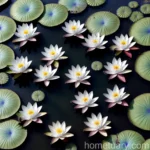
Nymphaea ‘Red Flare’ (Tropical Water Lily): A Complete Guide
Introduction
Nymphaea ‘Red Flare’ is a stunning tropical water lily known for its vibrant red blooms and lush green foliage. These beautiful aquatic plants can elevate the aesthetic appeal of any water feature, whether it’s a pond, fountain, or container water garden. In this comprehensive guide, we will delve into the characteristics, care requirements, propagation methods, and common issues associated with Nymphaea ‘Red Flare’ to help you cultivate and maintain this captivating plant successfully.
What is Nymphaea ‘Red Flare’?
Nymphaea ‘Red Flare’ belongs to the Nymphaeaceae family and is a tropical water lily species renowned for its striking red flowers. This hybrid cultivar is a popular choice among water garden enthusiasts and is known for its ability to thrive in various aquatic settings. From its captivating color to its relatively low maintenance requirements, Nymphaea ‘Red Flare’ is a sought-after addition to water features around the world.
Key Takeaways – Nymphaea ‘Red Flare’ (Tropical Water Lily)
Before we delve further into the details, let’s take a quick look at the key takeaways related to Nymphaea ‘Red Flare’:
- Scientific Name: Nymphaea ‘Red Flare’
- Common Name: Tropical Water Lily ‘Red Flare’
- Characteristics: Striking red blooms, vibrant green foliage
- Suitable For: Ponds, container water gardens, aquatic landscapes
- Maintenance Level: Low to moderate
- Popularity: Widely favored for its captivating appearance
Culture
Cultivating Nymphaea ‘Red Flare’ involves paying attention to several critical aspects, including water, sunlight, soil, and fertilizer. Let’s delve into each of these elements to understand the culture requirements of this tropical water lily.
Uses
The versatile nature of Nymphaea ‘Red Flare’ makes it suitable for various uses, including:
- Ornamental Purposes: The vibrant red blooms and lush foliage make Nymphaea ‘Red Flare’ a sought-after choice for adding visual appeal to ponds, water features, and aquatic landscapes.
- Container Water Gardens: Due to its adaptability to container settings, this tropical water lily is often utilized as a centerpiece in container water gardens, adding a touch of elegance to outdoor spaces.
- Aquatic Landscaping: Whether incorporated into natural or man-made bodies of water, Nymphaea ‘Red Flare’ contributes to the overall beauty of aquatic ecosystems.
Water
Proper water conditions are vital for the health and growth of Nymphaea ‘Red Flare.’ Here are some key considerations related to water:
- Water Depth: For optimal growth, the water should typically be 12 to 24 inches deep.
- Water Quality: Clean, non-chlorinated water is essential for the well-being of tropical water lilies. Additionally, maintaining a pH level between 6.2 and 7.4 is considered ideal for these plants.
- Temperature: Nymphaea ‘Red Flare’ thrives in water temperatures ranging from 75 to 85 degrees Fahrenheit, making it well-suited for tropical and subtropical regions.
Sunlight
Proper light exposure is crucial for the development of Nymphaea ‘Red Flare’ and its stunning blooms. Consider the following sunlight requirements:
- Full Sun: These water lilies thrive in full sun conditions, requiring a minimum of 6 hours of direct sunlight each day for prolific flowering and vigorous growth.
- Shade: While they appreciate ample sunlight, Nymphaea ‘Red Flare’ can also tolerate some shade, especially in exceptionally hot climates where providing partial shade during the hottest part of the day can be beneficial.
Fertilizer
Fertilizing Nymphaea ‘Red Flare’ at the right time and with the appropriate nutrients can significantly enhance its overall health and blooming performance. Consider these fertilizer-related guidelines:
- Fertilizer Type: Look for a fertilizer specifically formulated for aquatic plants; these typically contain essential nutrients, including nitrogen, phosphorus, and potassium, as well as micronutrients vital for robust growth and vibrant blooms.
- Application Frequency: During the growing season, apply fertilizer every 3 to 4 weeks to provide the plant with the necessary nutrients for sustained vitality and blooming.
Soil
While the roots of Nymphaea ‘Red Flare’ reside in water, the composition of the substrate or planting container is of utmost importance for long-term success:
- Planting Media: Utilize a specialized aquatic planting medium or a mixture of loam and clay to anchor the tropical water lily and provide essential nutrients.
- Container Planting: When grown in containers, ensure that the planting medium is securely placed and that the container is submerged at the appropriate depth to promote healthy growth.
Pruning
Regular pruning and maintenance are essential for the sustained health and vigor of Nymphaea ‘Red Flare.’ Here are some key points related to pruning:
- Leaf Care: Prune yellowing or decaying leaves to promote the growth of healthy foliage and maintain an attractive appearance.
- Deadheading Blooms: Remove spent blooms to encourage continuous flowering and prevent energy wastage on seed production.
- Rhizome Management: If grown in containers, periodically inspect and trim any overgrown or crowded rhizomes to prevent overcrowding and ensure optimal growth conditions.
Propagation
Multiplying Nymphaea ‘Red Flare’ can be achieved through several propagation methods, including division and seed propagation:
- Division: During the plant’s dormant period, carefully divide the rhizome, ensuring that each new division contains viable buds and roots to facilitate successful establishment.
- Seed Propagation: While challenging, propagating Nymphaea ‘Red Flare’ from seeds can yield new and unique variations, offering an exciting opportunity for hybridization and genetic exploration.
Container Popularity
The captivating allure and adaptability of Nymphaea ‘Red Flare’ make it a popular choice for container water gardens. The following aspects underline its prevalence in container settings:
- Size Requirements: Its moderate size and growth habits make Nymphaea ‘Red Flare’ well-suited for containers of varying capacities, from small patio ponds to larger container water gardens.
- Aesthetic Appeal: The vibrant red blooms and lush foliage of this tropical water lily enrich the visual appeal of any outdoor space, making it a favored option for container plantings.
Common Diseases
While relatively resilient, Nymphaea ‘Red Flare’ can be affected by certain diseases that may hinder its growth and overall health. Understanding these common diseases is crucial for effective management:
- Pythium Root Rot: This fungal disease can lead to wilting, stunted growth, and root decay. Implementing appropriate cultural practices and utilizing fungicidal treatments can aid in preventing and managing Pythium root rot.
- Bacterial Blight: This disease manifests as water-soaked lesions on foliage and can escalate to affect the entire plant. Promptly removing and disposing of infected plant parts and utilizing copper-based fungicides can help mitigate its impact.
Disease Diagnosis
Timely diagnosis of diseases is essential for implementing targeted management strategies to safeguard the health of Nymphaea ‘Red Flare.’ Here are some diagnostic considerations for common diseases:
- Visual Symptoms: Familiarize yourself with the visual symptoms of prevalent diseases, such as leaf discoloration, wilting, and unusual spots, to identify potential issues at an early stage.
- Professional Consultation: In instances of uncertain diagnosis, seek guidance from experienced horticulturists or plant pathologists for accurate disease identification and tailored treatment recommendations.
Common Pests
While tropical water lilies are generally resistant to many pests, some common insects can pose a threat to their vitality. Being aware of these pests and their management techniques is crucial:
- Aphids: These tiny, sap-feeding insects can distort foliage and stunt growth. Implementing natural predators, such as ladybugs, or using insecticidal soap can effectively control aphid populations.
- Spider Mites: These microscopic pests thrive in hot and dry conditions, causing stippling and webbing on leaves. Regularly spraying the foliage with water and applying horticultural oils can help manage spider mite infestations.
Botanist’s Tips
Incorporating expert tips for the cultivation and care of Nymphaea ‘Red Flare’ can lead to more successful outcomes and healthier plants. Here are some valuable tips from botanists and horticultural specialists:
- Optimal Water Quality: Regularly test and monitor the water quality to ensure that it meets the specific requirements of tropical water lilies, addressing any imbalances promptly.
- Mulching: In outdoor pond settings, consider adding a layer of mulch to the planting container to help retain moisture and maintain stable soil temperatures, promoting healthy root development.
Fun Facts
Uncover interesting and lesser-known facts about Nymphaea ‘Red Flare’ to further appreciate the fascination surrounding this tropical water lily:
- Hybrid Heritage: Nymphaea ‘Red Flare’ is a hybrid cultivar developed by crossbreeding select tropical water lily varieties to achieve its distinctive red coloration and robust growth traits.
- Nocturnal Blooms: The flowers of some tropical water lilies, including Nymphaea ‘Red Flare,’ bloom at night and close during the day, adding an element of intrigue to their flowering behavior.
Links to External Resources
For additional insights and information on Nymphaea ‘Red Flare’ and tropical water lilies, consider exploring the following external resources:
- Tropical Water Lilies – Clemson University Extension
- Water Lily Care – The American Water Lily Society
- Aquatic Plant Management – University of Florida IFAS Extension
- Hybridizing Water Lilies – The International Waterlily and Water Gardening Society
In conclusion, Nymphaea ‘Red Flare’ stands out as an enchanting tropical water lily that possesses a captivating blend of vibrant aesthetics and adaptability to various aquatic environments. By understanding and fulfilling its specific culture requirements, addressing potential issues effectively, and leveraging expert insights, you can foster the flourishing growth of Nymphaea ‘Red Flare’ and revel in the beauty it brings to your water features. Whether you are a seasoned water gardener or a novice enthusiast, incorporating this striking tropical water lily into your aquatic landscapes can undoubtedly elevate the allure of your outdoor spaces.
This concludes our comprehensive guide to Nymphaea ‘Red Flare,’ providing valuable insights into its care, maintenance, and cultivation within aquatic settings. Embrace the beauty and allure of tropical water lilies as you embark on the journey of nurturing and appreciating these captivating aquatic gems.
References
1. Whitinger, D. (2007). Tropical Water Lilies. Purdue University Center for New Crops & Plant Products.
2. Armstrong, W. P. (2016). The Genus Nymphaea – Waterlilies and Aquatic Plants. Wayne’s Word.