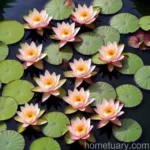
Nymphaea ‘James Brydon’ (Hardy Water Lily)
In the world of aquatic plants, the Nymphaea ‘James Brydon’ or Hardy Water Lily stands out as a stunning, resilient, and intriguing species. Its unique characteristics and versatile uses make it a valuable addition to any water garden or pond. In this comprehensive guide, we will delve into the fascinating world of Nymphaea ‘James Brydon’, exploring its culture, uses, care requirements, propagation methods, and much more. Whether you are an experienced aquatic plant enthusiast or a beginner looking to enhance your water features, this article will provide valuable insights into this captivating species.
Key Takeaways
Before diving into the details, let’s look at some key takeaways about Nymphaea ‘James Brydon’ (Hardy Water Lily):
- The Nymphaea ‘James Brydon’ is a stunning flowering aquatic plant that belongs to the lily family and is known for its vibrant and colorful blooms.
- This hardy water lily thrives in water gardens, ponds, and other water features, adding beauty and charm to aquatic landscapes.
- Cultivating Nymphaea ‘James Brydon’ requires attention to water, sunlight, soil, and fertilizer requirements to ensure its optimal growth and health.
- Proper pruning, propagation, and container considerations play crucial roles in maintaining and propagating Nymphaea ‘James Brydon’.
- Like all plants, Nymphaea ‘James Brydon’ is susceptible to certain diseases and pests, requiring careful observation and management strategies.
Now, let’s explore each of these aspects in detail to gain a comprehensive understanding of this fascinating aquatic plant.
What is Nymphaea ‘James Brydon’ (Hardy Water Lily)?
Nymphaea ‘James Brydon’ is a species of water lily that belongs to the family Nymphaeaceae. It is known for its striking appearance, with vibrant blooms and distinctive lily pads that float on the water’s surface. This hardy water lily is a perennial aquatic plant, meaning it can survive and thrive for multiple growing seasons.
The Nymphaea ‘James Brydon’ is characterized by its robust nature, making it well-suited for various water features, including ponds, water gardens, and natural landscapes with aquatic environments. Its ability to adapt to different water conditions and climates enhances its appeal to both experienced gardeners and beginners.
Culture
To ensure the successful growth and development of Nymphaea ‘James Brydon’, it is essential to understand its specific cultural requirements. By addressing factors such as water, sunlight, soil, and fertilizer, you can create an optimal environment for this hardy water lily to flourish.
Water
As an aquatic plant, Nymphaea ‘James Brydon’ requires consistent access to water for its survival. When choosing a location for planting or placing the lily, it is crucial to consider water depth and quality. The recommended water depth for Nymphaea ‘James Brydon’ typically ranges from 12 to 24 inches, allowing the plant to thrive under the water’s surface while maintaining access to sunlight.
Sunlight
Sunlight plays a vital role in the growth and blooming of Nymphaea ‘James Brydon’. Ideally, it should be exposed to at least 6 hours of sunlight daily. Prioritize placing the plant in locations where it can receive adequate sunlight to support its photosynthetic processes and encourage healthy flowering.
Soil
The soil or substrate in which Nymphaea ‘James Brydon’ is planted is equally important. A rich, loamy soil with good water retention properties is ideal for supporting the plant’s root system and overall growth. Additionally, incorporating organic matter into the soil can provide essential nutrients and promote a thriving environment for the water lily.
Fertilizer
Proper fertilization is crucial for promoting healthy growth and blooming of Nymphaea ‘James Brydon’. Utilizing a specialized aquatic plant fertilizer or a balanced, slow-release fertilizer can provide the necessary nutrients to support the plant’s development. When applying fertilizer, it is essential to follow recommended guidelines to prevent over-fertilization, which can harm aquatic ecosystems.
Uses
Nymphaea ‘James Brydon’ (Hardy Water Lily) serves as a versatile and ornamental addition to various water features, offering both aesthetic appeal and functional benefits. Some common uses of this hardy water lily include:
-
Ornamental Display: With its vibrant and captivating blooms, Nymphaea ‘James Brydon’ adds visual interest and beauty to water gardens, ponds, and other aquatic landscapes. Its presence enhances the overall aesthetics of these environments, creating a serene and picturesque setting.
-
Natural Filtration: The extensive root system of Nymphaea ‘James Brydon’ contributes to natural water filtration, assisting in maintaining water clarity and quality. By absorbing nutrients and organic debris, the plant helps reduce algae growth and keep the aquatic ecosystem in balance.
-
Wildlife Habitat: The presence of Nymphaea ‘James Brydon’ supports a diverse range of aquatic life, including fish, insects, and amphibians. The lily pads and submerged portions of the plant offer shelter and foraging areas for various aquatic organisms, contributing to the overall biodiversity of the water feature.
-
Educational Purposes: Nymphaea ‘James Brydon’ provides a valuable educational resource for learning about aquatic ecosystems, plant anatomy, and the interconnectedness of organisms within a natural environment. It can be utilized in educational settings to demonstrate concepts related to botany, ecology, and environmental science.
Pruning
Proper pruning is essential for maintaining the health and vitality of Nymphaea ‘James Brydon’ and managing its growth within the water feature. By following the correct pruning techniques, you can promote strong blooming, control the spread of the plant, and prevent overcrowding in the water garden or pond.
Pruning Lily Pads
Regular removal of old or decaying lily pads is an important aspect of lily pad care. This encourages the growth of new, healthy pads and prevents the accumulation of debris in the water. Use sharp, clean scissors or pruning shears to carefully trim away any discolored or damaged lily pads, ensuring that the cuts are made near the base of the plant.
Trimming Blooms
After the blooms have faded, it is advisable to trim the spent flowers to prevent the formation of seeds and conserve the plant’s energy for future growth. Gently snip off the faded flowers using sterile pruning tools, being careful not to damage the surrounding leaves and stems of Nymphaea ‘James Brydon’.
Controlling Growth
If Nymphaea ‘James Brydon’ exhibits vigorous growth and begins to overcrowd the water feature, consider thinning out the plant by removing excess foliage and stems. This helps maintain a balanced and visually appealing arrangement while preventing the plant from overtaking the available space.
Propagation
Propagation of Nymphaea ‘James Brydon’ enables gardeners and aquatic enthusiasts to expand their lily collection, share plants with others, and rejuvenate existing specimens. Understanding the methods of propagation for this hardy water lily can open up new opportunities for cultivating and enjoying its beauty.
Division
Division is a commonly employed method for propagating Nymphaea ‘James Brydon’. This process involves separating the plant’s rhizomes into smaller sections, each with its own growing point and root system. It is typically carried out during the plant’s dormant period in late winter or early spring.
- Begin by carefully lifting the plant from the water feature, taking care not to damage the roots or rhizomes.
- Gently wash away excess soil or debris to expose the rhizomes and their individual growing points.
- Using a sharp, clean knife or gardening tool, divide the rhizomes into sections, ensuring that each division has healthy stems and roots.
- Replant the divided sections in suitable containers or directly into the water feature, ensuring that they are appropriately positioned and supported.
Seed Propagation
While less commonly practiced due to its complexity, Nymphaea ‘James Brydon’ can also be propagated from seeds. This method involves collecting mature seeds from the plant and carefully germinating them in a controlled environment before transplanting the seedlings.
- Harvest ripe seeds from the plant after the blooming period, taking care to select healthy and viable seeds.
- Prepare a suitable growing medium, such as a mix of sand and peat, in shallow containers or seed trays.
- Sow the seeds onto the growing medium, lightly pressing them into the surface without burying them too deeply.
- Provide consistent moisture and warmth to facilitate germination, ensuring that the growing environment remains conducive to seedling development.
- Once the seedlings have developed several true leaves and a sturdy root system, carefully transplant them into individual containers or directly into the water feature.
Successful propagation of Nymphaea ‘James Brydon’ can lead to the establishment of new plants, expanding the presence of this beautiful hardy water lily within your aquatic landscape.
Container Popularity
The popularity and widespread use of containers for growing aquatic plants, including Nymphaea ‘James Brydon’, demonstrate the versatility and accessibility of incorporating these species into various settings. Containers offer numerous advantages for cultivating and enjoying hardy water lilies in water features and aquatic environments.
Advantages of Containers
-
Mobility: Container-grown Nymphaea ‘James Brydon’ can be easily moved and rearranged within the water feature, allowing for flexible design and adaptation to changing preferences or environmental conditions.
-
Controlled Growth: By confining the plant within a container, you can manage its growth and prevent it from spreading excessively, especially in smaller water features or pond settings.
-
Protection: Containers provide a level of protection for the plant’s roots and rhizomes, minimizing the risk of damage from burrowing animals or aggressive aquatic inhabitants.
-
Visual Appeal: Decorative containers add aesthetic value to the water feature, enhancing the overall presentation of Nymphaea ‘James Brydon’ and complementing the surrounding landscape.
Container Considerations
When selecting containers for growing Nymphaea ‘James Brydon’, consider the following factors to ensure optimal growth and performance of the plant:
-
Size: Choose containers that provide ample space for the plant’s roots to spread and develop, promoting healthy growth and stability within the water feature.
-
Material: Select containers made of durable, non-toxic materials designed for aquatic use, such as plastic or fiberglass, to ensure longevity and minimize potential leaching of harmful substances into the water.
-
Depth: Opt for containers with sufficient depth to accommodate the plant’s root system and allow for proper anchoring within the water feature.
-
Drainage: Incorporate drainage holes or provisions to prevent waterlogging and ensure adequate oxygenation of the root zone, promoting a healthy growing environment for the plant.
By carefully choosing and utilizing containers for growing Nymphaea ‘James Brydon’, you can harness the benefits of container gardening for aquatic plants and enhance the beauty of your water garden or pond.
Common Diseases
While hardy water lilies like Nymphaea ‘James Brydon’ are generally resilient, they are susceptible to certain diseases and conditions that can impact their health and vitality. Being aware of common diseases and their symptoms enables proactive management and effective treatment to maintain the plant’s well-being.
Leaf Spot
Leaf spot, often caused by fungal pathogens, manifests as dark, necrotic lesions on the leaves of Nymphaea ‘James Brydon’. It can result from environmental stress, poor air circulation, or prolonged leaf wetness, leading to the development of unsightly spots and potential leaf damage.
Crown Rot
Crown rot affects the base of the plant where the stems emerge from the rhizomes. It is typically attributed to excessive moisture, waterlogging, or poor drainage, creating conditions conducive to the proliferation of damaging fungi and bacteria.
Edema
Edema appears as abnormal swellings or blisters on the leaves, caused by an imbalance in water uptake and transpiration. This condition may be triggered by fluctuating environmental conditions, excessive moisture, or root system disturbances.
Bacterial Blight
Bacterial blight leads to the formation of water-soaked lesions on the leaves of Nymphaea ‘James Brydon’, often accompanied by a slimy, discolored appearance. It is caused by specific bacterial pathogens and can spread rapidly under optimal environmental conditions.
Disease Diagnosis
Diagnosing diseases in Nymphaea ‘James Brydon’ involves carefully observing the plant for symptoms and signs of distress. By conducting regular inspections and promptly identifying potential issues, you can implement appropriate measures to mitigate disease impact and support the plant’s recovery.
Visual Inspection
Carefully examine the foliage, stems, and base of Nymphaea ‘James Brydon’ for any abnormal discoloration, spotting, or deformities. Look for changes in leaf texture, the presence of lesions, or unusual growth patterns that may indicate the onset of disease.
Water Quality Assessment
Assess the water quality and environmental conditions in the water feature to identify any potential contributors to disease development. Factors such as water pH, nutrient levels, and temperature can influence the plant’s susceptibility to diseases and should be closely monitored.
Pathogen Identification
In cases of suspected disease, consider consulting with a plant pathologist or horticultural expert to identify the specific pathogens responsible for the ailment. Laboratory analysis or professional diagnostics may be necessary to pinpoint the causative agents and guide targeted treatment strategies.
Action Plan
Upon diagnosing a disease in Nymphaea ‘James Brydon’, develop an action plan to address the issue effectively. This may involve adjusting cultural practices, implementing treatment measures, or modifying environmental conditions to support the plant’s recovery and prevent further disease occurrence.
Common Pests
In addition to diseases, hardy water lilies like Nymphaea ‘James Brydon’ are vulnerable to pest infestations that can affect their growth and overall condition. Understanding common pests and their impact on the plant can help in implementing timely interventions to manage pest populations and minimize damage.
Aphids
Aphids are small, soft-bodied insects that feed on the sap of plants, including Nymphaea ‘James Brydon’. They can cause stunted growth, distortion of leaves, and the development of sticky honeydew, leading to the formation of sooty mold on the plant’s surfaces.
Water Lily Leaf Beetle
The water lily leaf beetle is a specialized pest that targets lilies, including Nymphaea ‘James Brydon’. Its larvae and adults feed on the leaves, creating irregular holes and extensive damage to the foliage, impacting the plant’s aesthetics and vigor.
Snails and Slugs
These mollusks can pose a threat to Nymphaea ‘James Brydon’ by feeding on the leaves and tender growth, leaving behind characteristic feeding trails and extensive leaf damage. Their activity can reduce the plant’s vitality and compromise its ornamental appeal.
Pond Snails
Pond snails are aquatic gastropods that can proliferate in water features containing Nymphaea ‘James Brydon’. While primarily scavengers, they can consume plant matter and contribute to the accumulation of organic debris, impacting water quality and plant health.
Botanist’s Tips
To ensure the successful cultivation and enjoyment of Nymphaea ‘James Brydon’, consider the following botanist’s tips and recommendations for caring for this hardy water lily:
-
Water Quality Maintenance: Regularly monitor and maintain optimal water quality parameters, including pH, nutrient levels, and oxygenation, to create a conducive environment for the plant’s growth and vitality.
-
Seasonal Adjustments: Adjust care practices, such as fertilization and pruning, to align with seasonal changes and fluctuations in environmental conditions, providing the plant with tailored support throughout the year.
-
Integrated Pest Management: Implement an integrated approach to pest management, incorporating biological controls, cultural practices, and targeted interventions to address pest issues while minimizing environmental impact.
-
Consistent Observation: Routinely observe and assess the plant for signs of stress, disease, or pest presence, enabling early detection and proactive care to maintain its health and resilience.
-
Educational Engagement: Engage in ongoing learning and exploration of water lily cultivation techniques, leveraging resources such as botanical gardens, horticultural publications, and online forums to expand knowledge and best practices.
Fun Facts
Discover some fascinating and lesser-known facts about Nymphaea ‘James Brydon’ (Hardy Water Lily) that showcase its distinctive characteristics and ecological significance:
-
Historical Symbolism: Water lilies, including Nymphaea ‘James Brydon’, have held cultural and symbolic significance in various civilizations, representing purity, enlightenment, and rebirth across different historical contexts.
-
Ecological Value: In addition to their aesthetic appeal, water lilies play vital ecological roles, providing habitat for aquatic fauna, contributing to water quality, and participating in nutrient cycling within aquatic ecosystems.
-
Hybrid Varieties: Nymphaea ‘James Brydon’ is part of a diverse group of water lily hybrids, showcasing the extensive breeding efforts and horticultural innovation dedicated to creating unique and resilient cultivars.
-
Night-Blooming Traits: Some water lily species, not including Nymphaea ‘James Brydon’, are renowned for their night-blooming habits, displaying intricate flowers that open in the evening and close by morning, attracting nocturnal pollinators.
-
Global Distribution: Water lilies are distributed across diverse geographic regions, from tropical waterways to temperate ponds, reflecting their adaptability and ability to thrive in varied climatic conditions.
By exploring these fun facts, you can deepen your appreciation for Nymphaea ‘James Brydon’ and its captivating attributes within the broader context of aquatic plant diversity and significance.
Links to External Resources
For further exploration of water lily cultivation, aquatic plant care, and related topics, consider delving into these external resources featuring valuable insights, expert guidance, and educational content:
- American Aquatic Gardens – A comprehensive source of aquatic plants, including a wide selection of water lilies and aquatic gardening supplies.
- The Water Garden – An online resource offering information on water gardening, pond design, and aquatic plant care, with a focus on creating stunning water features.
- The International Waterlily & Water Gardening Society – An organization dedicated to promoting the appreciation and cultivation of water lilies, providing resources, publications, and networking opportunities.
- Royal Horticultural Society – The RHS offers valuable guidance on growing water lilies in various settings, with practical advice on care, propagation, and maintenance.
- University of Florida IFAS Extension – Access research-based information and publications on aquatic plant management, water quality, and integrated pest management strategies for water lilies and aquatic environments.
These resources can expand your knowledge and offer practical support for cultivating Nymphaea ‘James Brydon’ and other aquatic plants, enriching your experience as a water garden enthusiast.
In conclusion, Nymphaea ‘James Brydon’ (Hardy Water Lily) stands as a captivating and resilient species that brings natural beauty and ecological value to water gardens, ponds, and aquatic landscapes. By understanding its cultural requirements, uses, care practices, propagation methods, and more, enthusiasts can cultivate and appreciate this exceptional water lily with confidence and success.
Whether you are embarking on a new water garden project or seeking to enhance your existing aquatic features, Nymphaea ‘James Brydon’ offers a wealth of possibilities