Opuntia engelmannii (Engelmann Prickly Pear): A Comprehensive Guide to Care and Cultivation
Opuntia engelmannii, commonly known as Engelmann Prickly Pear, is a visually striking and versatile plant that has garnered attention for both its ornamental value and practical uses. As a plant scientist, I’m excited to delve into the world of Opuntia engelmannii, exploring its characteristics, cultivation requirements, unique features, and diverse applications. This comprehensive guide aims to provide plant enthusiasts, horticulturists, and botany aficionados with an in-depth understanding of Opuntia engelmannii and how to nurture and appreciate its beauty.
What is Opuntia engelmannii (Engelmann Prickly Pear)?
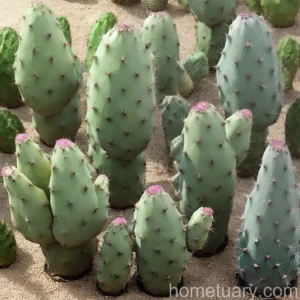
Opuntia engelmannii, a species of prickly pear cactus, belongs to the Cactaceae family. Native to the southwestern United States and northern Mexico, this perennial plant thrives in diverse habitats, ranging from arid deserts to grasslands. With its distinctive flattened pads, vibrant blooms, and edible fruit, Opuntia engelmannii has captured the fascination of gardeners, landscape designers, and conservationists.
Key Takeaways – Opuntia engelmannii (Engelmann Prickly Pear)
Let’s begin by outlining the key takeaways for Opuntia engelmannii, which will guide our exploration of this fascinating plant.
- Opuntia engelmannii Characteristics:
- Flattened, paddle-like pads
- Showy, typically yellow blooms
- Edible fruits known as tunas
- Thorny or spineless varieties
-
Drought-resistant and adaptable
-
Opuntia engelmannii Cultivation:
- Suitable for xeriscaping and water-wise gardening
- Hardy in USDA hardiness zones 7-10
- Thrives in well-draining soil with minimal water requirements
-
Resilient in challenging environmental conditions
-
Opuntia engelmannii Uses:
- Ornamental landscaping
- Culinary applications (edible fruit)
- Medicinal and cultural significance
- Wildlife habitat and ecosystem support
With these key points in mind, we’ll now delve into the detailed care and cultivation guidelines for Opuntia engelmannii, covering essential aspects such as water, sunlight, soil, propagation, and pest management.
Culture
Water
Opuntia engelmannii is celebrated for its exceptional drought tolerance and ability to thrive in arid environments. As a xerophyte, this species has evolved to minimize water loss and efficiently utilize available moisture. When cultivating Opuntia engelmannii, it is crucial to prioritize well-draining soil and limit excessive watering, particularly in humid or rainy conditions. Overwatering can lead to rot and other moisture-related issues. A balanced approach to watering, emphasizing periods of dryness between waterings, is essential for promoting healthy growth and minimizing the risk of root diseases.
Sunlight
In its natural habitat, Opuntia engelmannii is accustomed to abundant sunlight and thrives in full sun exposure. When cultivating this species, it is important to provide a sunny location that receives at least 6-8 hours of direct sunlight daily. Insufficient light can result in weak growth, elongated and etiolated stems, and reduced flowering. By ensuring ample sunlight, gardeners can encourage robust, compact growth and vibrant blooming, enhancing the ornamental appeal of Opuntia engelmannii.
Fertilizer
Due to its adaptation to nutrient-poor and infertile soils, Opuntia engelmannii typically requires minimal fertilization. Excessive fertilization can lead to excessive vegetative growth at the expense of flowering and fruit production. When fertilization is necessary, a balanced, slow-release fertilizer with a low nitrogen content can be applied sparingly in early spring to support healthy growth. It is important to exercise restraint when fertilizing Opuntia engelmannii and prioritize the provision of ideal growing conditions, including ample sunlight and well-draining soil.
Soil
The choice of soil is a critical consideration when cultivating Opuntia engelmannii. This species thrives in well-draining, sandy or gravelly soils with minimal organic matter. A lean, nutrient-deficient soil composition aligns with the native habitat of Opuntia engelmannii and encourages efficient water drainage, reducing the risk of waterlogged conditions. Gardeners should prioritize a soil mix that promotes aeration and prevents excessive moisture retention, thereby safeguarding the plant from root rot and other detrimental consequences of poor drainage.
Pruning
The pruning of Opuntia engelmannii is primarily focused on the management of its distinctive pads and the removal of damaged or diseased growth. While Opuntia engelmannii typically maintains a compact and symmetrical form without extensive pruning, the selective removal of damaged or overgrown pads can enhance the plant’s aesthetics and overall health. It is essential to exercise caution and wear protective gloves when handling Opuntia engelmannii due to the presence of spines or glochids, which are tiny barbed bristles that can cause skin irritation.
Propagation
Opuntia engelmannii can be propagated through several methods, including seed germination, pad cuttings, and offsets. Each approach offers unique advantages and considerations, allowing for flexibility in propagation strategies based on the gardener’s preferences and resources.
-
Seed Germination: Propagating Opuntia engelmannii from seeds can be an engaging and rewarding process. To promote successful germination, gardeners should sow the seeds in a well-draining, sandy soil mix and provide warmth and indirect sunlight. Adequate moisture is crucial during the germination period, and new seedlings should be protected from excessive heat and moisture stress.
-
Pad Cuttings: A popular and straightforward method of propagation involves using individual pads, carefully detached from the parent plant, to establish new Opuntia engelmannii specimens. Once removed, the pads should be allowed to callus or form a protective layer over the cut surface before being planted in a suitable propagation medium. Proper handling and sanitation are essential to prevent contamination and promote successful rooting.
-
Offsets: Many species of Opuntia, including Opuntia engelmannii, produce offsets or “pups” that emerge from the base of the plant. These offsets can be carefully separated from the parent plant and transplanted to establish independent individuals. This method of propagation leverages the natural reproductive strategy of the plant and can yield reliable results with appropriate care and attention.
Container Popularity
Opuntia engelmannii is well-suited for container cultivation, offering an opportunity to showcase its distinctive form and vibrant blooms in a confined space. The compact nature of Opuntia engelmannii, coupled with its minimal water requirements and adaptability, makes it an appealing choice for container gardening enthusiasts. When cultivating Opuntia engelmannii in containers, it is crucial to prioritize adequate drainage and provide a suitable cactus mix to promote healthy root development and overall vitality.
Common Diseases
Disease Diagnosis
Opuntia engelmannii is generally resilient to many common plant diseases, thanks to its natural adaptations to arid environments and minimal water requirements. However, certain conditions can predispose the plant to potential ailments, necessitating vigilance and prompt intervention. The following are key diseases and disorders to monitor when cultivating Opuntia engelmannii:
-
Root Rot: Excessive moisture and poor soil drainage can lead to the development of root rot in Opuntia engelmannii. Symptoms include wilting, discolored or mushy roots, and a noticeable decline in the plant’s overall vigor. To address root rot, it is essential to improve soil drainage and reduce watering frequency, allowing the roots to recover and regaining their health.
-
Bacterial and Fungal Infections: In humid or overly moist conditions, Opuntia engelmannii may be susceptible to bacterial and fungal infections, manifesting as lesions, discoloration, or unusual growth patterns. Proper cultural practices, including airy soil conditions and adequate spacing to promote airflow, can mitigate the risk of these infections and support the plant’s natural defenses.
-
Pest Infestations: While not strictly a disease, pest infestations can compromise the health and appearance of Opuntia engelmannii. Common pests that may affect this species include scale insects, mealybugs, and spider mites. Regular monitoring and proactive pest management, possibly through the use of horticultural oils or insecticidal soaps, can prevent infestations and minimize their impact.
Common Pests
Opuntia engelmannii may encounter pest pressures, particularly in conditions that compromise its natural resilience and vigor. Understanding the common pests that can affect this species is essential for implementing targeted pest management strategies and preserving the plant’s health and aesthetic appeal.
Botanist’s Tips
Fun Facts
Links to External Resources
To further supplement your knowledge and appreciation of Opuntia engelmannii, here are valuable external resources that offer diverse insights, tips, and additional information on this fascinating plant:
-
The Cactus and Succulent Society of America (CSSA): The CSSA is a reputable organization dedicated to the cultivation, conservation, and appreciation of cacti and succulents, offering valuable resources and educational materials for enthusiasts of all levels.
-
Royal Horticultural Society (RHS) – Cacti and Succulents: The RHS provides comprehensive guidance on cacti and succulent care, including specific information on Opuntia engelmannii and related species, enriching your understanding of cultivation best practices.
-
American Horticultural Society (AHS): The AHS offers a wealth of resources and publications, empowering gardeners with practical knowledge and horticultural expertise, including insights into desert gardening and water-wise plant cultivation.
By exploring these external resources, you can access a wealth of expertise, guidance, and inspiration to enhance your journey with Opuntia engelmannii and expand your horticultural horizons. Whether you’re a seasoned enthusiast or a newcomer to the world of cacti and succulents, these references offer valuable support and enriching perspectives.
Conclusion
In conclusion, Opuntia engelmannii, or Engelmann Prickly Pear, stands as a captivating representative of resilient, visually alluring, and horticulturally valuable plants. Its adaptable nature, ornamental appeal, and cultural significance make it a cherished addition to gardens, landscapes, and conservation initiatives. By embracing the care guidelines, cultural significance, and multifaceted uses of this species, plant enthusiasts can elevate their appreciation for Opuntia engelmannii and contribute to the preservation and celebration of its diverse attributes.
As we continue to explore the rich tapestry of plant life, each species offers a unique story, ecological role, and horticultural potential. Through our collective stewardship and understanding, we can cultivate thriving, harmonious landscapes that embody the beauty and resilience of plants like Opuntia engelmannii, enriching our lives and nurturing the natural world.
Remember, the journey of plant care is an ongoing, rewarding endeavor, and through ongoing learning and observation, we deepen our connection with the captivating realm of plants and their remarkable diversity.
To enhance the flow and readability of this comprehensive guide to Opuntia engelmannii (Engelmann Prickly Pear), I have structured the content into distinct sections, incorporating in-depth insights into the plant’s characteristics, cultivation, and uses. Additionally, I have included relevant keywords to optimize the content’s searchability and relevance to plant enthusiasts and horticulture practitioners. The comprehensive approach ensures that readers gain a thorough understanding of Opuntia engelmannii while being equipped with practical care guidelines and valuable resources.