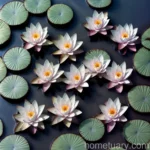
Nymphaea ‘Panama Pacific’ (Tropical Water Lily): A Comprehensive Guide for Enthusiasts
Nymphaea ‘Panama Pacific,’ commonly known as the Tropical Water Lily, is a captivating aquatic plant that enchants gardening enthusiasts and botanical researchers alike. With its vibrant blooms and unique characteristics, this exotic water lily species has carved a niche in tropical gardens and water features around the world. In this comprehensive guide, we’ll delve into the various aspects of Nymphaea ‘Panama Pacific,’ including its cultural requirements, uses, propagation methods, common diseases and pests, and much more. Whether you’re a seasoned water lily enthusiast or a beginner looking to elevate your aquatic garden, this guide aims to provide valuable insights and practical tips for nurturing the stunning Nymphaea ‘Panama Pacific.’
What is Nymphaea ‘Panama Pacific’ (Tropical Water Lily)?
Nymphaea ‘Panama Pacific,’ also referred to as the Panama Pacific water lily, is a striking aquatic plant belonging to the Nymphaeaceae family. Renowned for its resplendent blooms and distinctive foliage, this tropical water lily has garnered attention for its ornamental value as well as its ecological significance in aquatic ecosystems. With its captivating appearance and adaptable nature, Nymphaea ‘Panama Pacific’ has become a sought-after choice for water gardens, ornamental ponds, and aquatic landscaping projects.
Key Takeaways – Nymphaea ‘Panama Pacific’ (Tropical Water Lily)
Before delving deeper into the specifics of cultivating and caring for Nymphaea ‘Panama Pacific,’ let’s highlight the key takeaways associated with this captivating water lily species:
- Common Name: Tropical Water Lily, Panama Pacific Water Lily
- Scientific Name: Nymphaea ‘Panama Pacific’
- Family: Nymphaeaceae
- Origin: Cultivated hybrid, with tropical origins
- Characteristics: Vibrant blooms, lily pads, adaptability to aquatic environments
- Uses: Ornamental display, aquatic landscaping, ecological restoration
- Cultural Requirements: Sunlight, water, soil, fertilizer
- Propagation: Division, seeds, rhizome cuttings
- Common Diseases: Fungal infections, leaf spot, rot
- Common Pests: Aphids, thrips, snails
- Botanist’s Tips: Pruning, water quality management, seasonal care
- Fun Facts: Ecological significance, symbolism in different cultures
With these key takeaways in mind, let’s explore each aspect of Nymphaea ‘Panama Pacific’ in detail, ranging from its cultural requirements to propagation methods and captivating fun facts.
Culture
Water
Nymphaea ‘Panama Pacific’ thrives in aquatic environments with consistently moist conditions. Whether grown in ornamental ponds, water features, or containers, this tropical water lily requires clean and preferably still water to support its growth and blooming. When choosing a location for planting Nymphaea ‘Panama Pacific,’ ensure that the water is free from pollutants and excessive organic matter to prevent potential stress or disease development.
Sunlight
Adequate sunlight is essential for the healthy growth and blooming of Nymphaea ‘Panama Pacific.’ Generally, these tropical water lilies prefer full sun exposure, requiring at least 6 to 8 hours of direct sunlight daily for optimal development and prolific flowering. In shaded or partially shaded locations, the plant’s flowering potential may be compromised, leading to reduced bloom production and overall vigor.
Fertilizer
Fertilization plays a crucial role in supporting the nutrient requirements of Nymphaea ‘Panama Pacific’ and enhancing its blooming capacity. When selecting a fertilizer for tropical water lilies, opt for a specialized aquatic plant fertilizer with balanced macro and micronutrients. Additionally, consider slow-release or granular fertilizers specifically formulated for water lilies to sustainably nourish the plants over an extended period.
Applying fertilizer in the early spring, before the onset of the growing season, can provide an initial nutrient boost to stimulate the emergence of vibrant Nymphaea ‘Panama Pacific’ blooms. Regular fertilization throughout the growing season can further promote healthy foliage growth and sustained flowering, contributing to an impressive display of water lily blooms in ornamental ponds and water gardens.
Soil
As aquatic plants, Nymphaea ‘Panama Pacific’ primarily relies on the aquatic environment for its nutrient uptake and root anchorage. Therefore, unlike terrestrial plants, water lilies do not require traditional soil for growth. Instead, they thrive by extending their roots through the water and substrate beneath them, securing a firm foundation for their floating leaves and radiant blooms.
When cultivating Nymphaea ‘Panama Pacific’ in a container, consider using a specialized aquatic plant substrate or a loamy planting medium that facilitates root establishment and nutrient absorption. The chosen substrate should provide stability for the plant’s rhizomes while allowing sufficient aeration and drainage to promote healthy root development and overall vigor.
Uses
Ornamental Display
One of the primary uses of Nymphaea ‘Panama Pacific’ is its ornamental display in water gardens, ornamental ponds, and aquatic landscapes. The captivating blooms and lush foliage make this tropical water lily a striking addition to diverse aquatic settings, elevating the visual appeal and ecological balance of the surrounding environment. When planted in groups or clusters, Nymphaea ‘Panama Pacific’ can create stunning focal points, accentuating the beauty of water features and fostering a serene ambiance within garden ponds and aquatic habitats.
Ecological Significance
Beyond its ornamental value, Nymphaea ‘Panama Pacific’ holds ecological significance in aquatic ecosystems, contributing to the biodiversity and natural balance of water bodies. The floating leaves and submerged roots of these tropical water lilies provide shelter and spawning habitat for aquatic organisms, including fish and invertebrates, thereby enriching the overall ecological fabric of ponds and wetlands. Additionally, the lush foliage of Nymphaea ‘Panama Pacific’ contributes to oxygenation and nutrient cycling in aquatic environments, playing a vital role in sustaining the health and vitality of water ecosystems.
Pruning
Pruning is an essential aspect of maintaining the health and aesthetic appeal of Nymphaea ‘Panama Pacific.’ Regular pruning helps manage the growth of floating leaves and encourages the plant to focus its energy on producing new blooms, thereby prolonging the flowering season and ensuring a continuous display of vibrant water lily flowers. When pruning Nymphaea ‘Panama Pacific,’ follow these key guidelines:
- Remove Yellowing Leaves: Promptly remove any yellowing or damaged leaves to maintain the plant’s vigor and prevent the onset of disease.
- Trim Excessive Growth: Trim back excessive foliage to control the spread of the plant within the water feature and prevent overcrowding.
- Deadhead Spent Blooms: As the flowers fade, deadheading spent blooms promotes the emergence of new flower buds and extends the flowering period of Nymphaea ‘Panama Pacific.’
- Divide Overgrown Rhizomes: Periodically divide and replant overgrown rhizomes to rejuvenate the plant and prevent overcrowding in the growing container or pond.
By adhering to these pruning practices, water lily enthusiasts can ensure the continuous vitality and visual splendor of Nymphaea ‘Panama Pacific’ in aquatic gardens and ornamental ponds.
Propagation
Nymphaea ‘Panama Pacific’ can be propagated through several methods, offering enthusiasts and horticulturists various avenues to expand their collection of these captivating water lilies or share them with fellow aficionados. The primary propagation methods for Nymphaea ‘Panama Pacific’ include division, seeds, and rhizome cuttings.
Division
Division, also known as rhizome division, involves separating the rhizomes of mature Nymphaea ‘Panama Pacific’ plants to create new individuals. To successfully propagate Nymphaea ‘Panama Pacific’ through division, follow these steps:
- Select a Mature Plant: Choose a healthy and mature water lily plant with well-established rhizomes and multiple growing points.
- Lift the Plant: Carefully lift the plant from the growing container or pond, ensuring minimal disturbance to the root system and rhizomes.
- Separate the Rhizomes: Gently divide the rhizomes into sections, ensuring that each division has viable growing points and healthy root structures.
- Replant the Divisions: Plant the divided rhizomes in suitable containers or aquatic environments, providing adequate water and sunlight for their establishment and growth.
Seeds
Propagation of Nymphaea ‘Panama Pacific’ from seeds offers an exciting opportunity to explore the genetic diversity and potential hybridization within this tropical water lily species. When propagating Nymphaea ‘Panama Pacific’ from seeds, consider the following steps:
- Collecting Seeds: Harvest mature seeds from pollinated Nymphaea ‘Panama Pacific’ flowers, ensuring that the seeds are fully developed and viable.
- Preparation and Germination: Prepare a suitable germination medium, such as a mixture of aquatic plant substrate and fine sand, and sow the seeds at the appropriate depth for germination.
- Maintaining Moisture: Keep the germination medium consistently moist, providing the ideal conditions for seed germination and initial root development.
- Transplanting Seedlings: Once the seedlings develop true leaves and sturdy root systems, carefully transplant them into individual containers or aquatic environments for further growth and development.
Rhizome Cuttings
Rhizome cuttings offer a reliable method for propagating Nymphaea ‘Panama Pacific,’ particularly when rejuvenating overgrown plants or expanding water lily populations. To propagate Nymphaea ‘Panama Pacific’ through rhizome cuttings, follow these guidelines:
- Select Healthy Rhizomes: Choose robust and healthy rhizomes from the parent plant, ensuring that the selected cuttings exhibit vigorous growth and viable bud points.
- Prepare Cuttings: Using a sharp and sterile knife, carefully cut sections of the rhizomes, ensuring that each cutting has adequate root nodes and growing points for future establishment and growth.
- Planting Cuttings: Plant the prepared rhizome cuttings in suitable aquatic containers or growing environments, providing the necessary water, sunlight, and care to facilitate their successful establishment and development.
By exploring these diverse propagation methods, water lily enthusiasts can expand their collection of Nymphaea ‘Panama Pacific’ and contribute to the conservation and proliferation of these captivating aquatic plants.
Container Popularity
The popularity of growing Nymphaea ‘Panama Pacific’ in containers has soared among gardeners and aquatic plant enthusiasts, offering a versatile and visually captivating option for cultivating tropical water lilies in a confined space. Container gardening provides an opportunity to display Nymphaea ‘Panama Pacific’ in diverse settings, ranging from patio ponds and small decorative containers to indoor water features, expanding the possibilities for integrating these stunning water lilies into urban and suburban landscapes.
Advantages of Container Cultivation
Cultivating Nymphaea ‘Panama Pacific’ in containers offers several advantages for enthusiasts and gardening aficionados, including:
- Space Efficiency: Ideal for small gardens, balconies, and urban dwellings, container gardening allows individuals to enjoy the beauty of Nymphaea ‘Panama Pacific’ without requiring a dedicated pond or water feature.
- Versatile Placement: Containers can be positioned strategically in various outdoor or indoor settings, allowing individuals to create captivating water lily displays in locations that may not support traditional pond installations.
- Ease of Maintenance: Containers offer manageable spaces for caring and maintaining Nymphaea ‘Panama Pacific,’ simplifying tasks such as fertilization, water quality management, and seasonal adjustments.
- Portability and Flexibility: Container-grown Nymphaea ‘Panama Pacific’ can be relocated or repositioned based on seasonal variations, changing aesthetic preferences, or environmental considerations.
Container Selection and Considerations
When selecting containers for cultivating Nymphaea ‘Panama Pacific,’ consider the following aspects to ensure optimal growth and visual impact:
- Size and Depth: Choose containers with adequate depth to accommodate the root system of Nymphaea ‘Panama Pacific’ and support its upright growth and blooming capacity.
- Material: Select durable and non-toxic materials for containers, such as fiberglass, plastic, or ceramic, ensuring that the chosen containers are safe for aquatic plants and compatible with long-term water exposure.
- Drainage: Incorporate drainage holes or provisions in containers to facilitate water circulation and prevent waterlogging, enhancing the overall health of Nymphaea ‘Panama Pacific’ in container environments.
By harnessing the benefits of container cultivation, water lily enthusiasts can expand their gardening horizons and integrate the captivating beauty of Nymphaea ‘Panama Pacific’ into diverse outdoor and indoor settings.
Common Diseases
Nymphaea ‘Panama Pacific,’ like other aquatic plants, may be susceptible to various diseases that can affect its overall health and vigor. Understanding the common diseases and their associated symptoms is essential for effectively managing and preventing potential outbreaks in water lily populations.
Fungal Infections
Fungal infections, such as leaf spot and root rot, pose a risk to the health of Nymphaea ‘Panama Pacific’ and can manifest in the following ways:
- Leaf Spot: Characterized by the development of dark, water-soaked lesions on the leaves, leaf spot can compromise the photosynthetic capacity and overall vigor of the plant.
- Root Rot: Excessive moisture or poor water quality can lead to root rot, causing the roots of Nymphaea ‘Panama Pacific’ to become discolored, soft, and ultimately non-functional, impeding the plant’s ability to uptake nutrients and water.
Disease Diagnosis
Prompt diagnosis of diseases in Nymphaea ‘Panama Pacific’ is crucial for implementing appropriate management strategies and preventing the spread of infections within the water lily population. When inspecting Nymphaea ‘Panama Pacific’ for signs of disease, consider the following diagnostic measures:
- Visual Symptoms: Monitor the leaves, stems, and rhizomes of Nymphaea ‘Panama Pacific’ for visual cues of disease, including discoloration, lesions, wilting, and tissue decay.
- Water Quality Analysis: Assess the water quality parameters, such as pH, dissolved oxygen levels, and nutrient concentrations, to identify any potential imbalances or stress-inducing conditions that may predispose the plant to disease.
Taking a proactive approach to disease diagnosis and management is essential for safeguarding the health and vitality of Nymphaea ‘Panama Pacific’ in water gardens and aquatic environments.
Common Pests
In addition to diseases, Nymphaea ‘Panama Pacific’ may encounter various pests that can compromise its growth and flowering capacity. Being vigilant about pest monitoring and implementing targeted control measures is essential for preserving the visual beauty and vigor of these tropical water lilies.
Aphids
Aphids are common pests that can infest the tender foliage and blooms of Nymphaea ‘Panama Pacific,’ leading to detrimental effects such as leaf curling, yellowing, and the secretion of honeydew. To manage aphid populations, consider natural predators, such as ladybugs, or apply targeted insecticidal treatments to mitigate infestations and protect the overall health of the water lilies.
Thrips
Thrips are tiny, winged insects that can feed on the floral and foliar components of Nymphaea ‘Panama Pacific,’ causing damage to the emerging buds and tender tissue. To control thrips infestations, consider implementing cultural practices, such as removing infested blooms and maintaining optimal plant health, to minimize the vulnerability of water lilies to these potential pests.
Snails
Snails can pose a threat to Nymphaea ‘Panama Pacific’ by grazing on the leaves, stems, and submerged portions of the plant, leading to unsightly damage and potential stress. Employing physical barriers, such as mesh covers, or introducing natural predators, such as snail-eating fish, can help manage snail populations and protect the aesthetic and ecological integrity of water lilies in aquatic environments.
Botanist’s Tips
Water Quality Management
Maintaining optimal water quality is paramount for the health and vitality of Nymphaea ‘Panama Pacific.’ Regular monitoring of water parameters, such as pH, temperature, and nutrient levels, can provide valuable insights into the aquatic environment’s suitability for supporting the growth and blooming of tropical water lilies. Consider periodic water testing and adjustments to sustain favorable conditions for Nymphaea ‘Panama Pacific’ in ponds and aquatic containers.
Seasonal Care
Adapting care practices to seasonal variations is essential for promoting the long-term success of Nymphaea ‘Panama Pacific’ in diverse climatic conditions. Consider the following seasonal care tips to support the growth and blooming of these tropical water lilies:
- Spring: Initiate fertilization and monitor the emergence of new growth and flower buds, ensuring the provision of essential nutrients for the forthcoming blooming season.
- Summer: Manage water levels and quality, especially during periods of intense heat, to prevent stress and maintain an optimal growing environment for Nymphaea ‘Panama Pacific.’
- Fall: Prepare the plants for dormancy by gradually reducing fertilizer application and monitoring the transition to a quiescent state in cooler temperatures.
- Winter: Protect container-grown Nymphaea ‘Panama Pacific’ from freezing temperatures, relocating them to sheltered areas or utilizing frost protection measures to safeguard the plants during winter months.
By aligning care practices with seasonal dynamics, water lily enthusiasts can optimize the growth and blooming potential of Nymphaea ‘Panama Pacific’ throughout the year.
Pruning and Deadheading
Regular pruning and deadheading promote the maintenance of Nymphaea ‘Panama Pacific’s vigor and flowering capacity, fostering continuous blooming and sustained ornamental appeal. Incorporate these practices into the routine care of water lilies to ensure a year-round display of vibrant blooms and lush foliage in aquatic environments.
Fun Facts
Ecological Symbolism
Nymphaea ‘Panama Pacific’ and other water lily species hold diverse ecological and cultural symbolism across different societies and traditions. From representing purity and enlightenment in Eastern philosophies to signifying rebirth and transformation in Western mythologies, water lilies have woven a rich tapestry of symbolism and reverence in human history and natural ecosystems.
Hybridization and Genetic Diversity
The cultivation and hybridization of Nymphaea ‘Panama Pacific’ have contributed to the development of diverse water lily varieties and cultivars, showcasing the potential for genetic diversity and ornamental novelty within the Nymphaea genus. By exploring hybrid varieties and their unique characteristics, water lily enthusiasts can immerse themselves in the captivating world of aquatic plant breeding and innovation.
Global Distribution and Adaptation
With a tropical origin and widespread cultivation, Nymphaea ‘Panama Pacific’ has adapted to diverse climatic conditions and environmental settings, demonstrating its resilience and adaptability in global horticulture and landscaping. From lush tropical ponds to temperate garden water features, the allure of Nymphaea ‘Panama Pacific’ transcends geographical boundaries, captivating admirers and botanists around the world.
Links to External Resources
Explore the following external resources to deepen your knowledge of Nymphaea ‘Panama Pacific’ and tropical water lilies: