Nymphaea ‘Attraction’ (Hardy Water Lily): A Complete Guide
As a plant scientist dedicated to the study and cultivation of various plant species, I have developed a strong interest in Nymphaea ‘Attraction’, a mesmerizing variety of Hardy Water Lily. In this comprehensive guide, I will delve into the intricate details of this beautiful aquatic plant. From its cultural requirements to its propagation methods and common diseases, this guide aims to provide enthusiasts and botanists with a thorough understanding of Nymphaea ‘Attraction’.
What is Nymphaea ‘Attraction’ (Hardy Water Lily)?
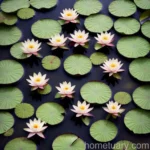
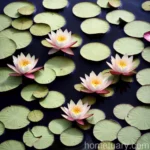
Nymphaea ‘Attraction’, commonly known as the Hardy Water Lily ‘Attraction’, belongs to the Nymphaeaceae family. This stunning aquatic perennial is characterized by its vibrant, cup-shaped flowers and lily pads that float on the surface of water. Nymphaea ‘Attraction’ is a hardy plant that adds an enchanting touch to ponds, water gardens, and aquatic landscapes.
Key Takeaways – Nymphaea ‘Attraction’ (Hardy Water Lily)
Before delving into the specific details about the culture, uses, and care of Nymphaea ‘Attraction’, let’s highlight some key takeaways about this captivating aquatic plant:
- Plant Name: Nymphaea ‘Attraction’ (Hardy Water Lily)
- Type: Aquatic Perennial
- Family: Nymphaeaceae
- Common Name: Hardy Water Lily ‘Attraction’
- Characteristics: Vibrant, cup-shaped flowers, floating lily pads
- Uses: Ornamental plant for ponds, water gardens, and aquatic landscapes
- Special Features: Fragrant flowers, wildlife attraction, pond decoration
Now, let’s explore the various aspects of cultivating and caring for Nymphaea ‘Attraction’.
Culture
Uses
Nymphaea ‘Attraction’ is primarily used as an ornamental plant to enhance the aesthetic appeal of ponds, water gardens, and aquatic landscapes. Its vibrant flowers and gracefully floating lily pads make it a perfect choice for adding a touch of elegance and natural beauty to water features.
Water
When it comes to the water requirements of Nymphaea ‘Attraction’, it thrives in still or slow-moving water. Ensure that the water is at a consistent level to allow the plant to establish its roots and grow vigorously. Additionally, it is essential to maintain high water quality to support the health and vitality of the plant.
Sunlight
Hardy Water Lily ‘Attraction’ flourishes in full sun, requiring at least 6-8 hours of direct sunlight daily. Adequate sunlight is crucial for the plant’s photosynthesis process, which is essential for its overall growth and blooming.
Fertilizer
While Nymphaea ‘Attraction’ extracts some nutrients from the water, supplementing with aquatic plant fertilizer tablets or pellets can boost its growth and flowering. Use a fertilizer specifically formulated for water lilies and follow the application instructions provided by the manufacturer.
Soil
Nymphaea ‘Attraction’ thrives in rich, loamy soil with a clay or muddy base. If planting in a container, ensure that the soil is well-compacted to provide stability for the plant’s roots and prevent the container from floating.
Pruning
Regular pruning is essential to maintain the health and appearance of Nymphaea ‘Attraction’. Trim off any yellowing or decaying leaves and spent flowers to promote continuous blooming and prevent any debris from accumulating in the water.
Propagation
Propagation of Nymphaea ‘Attraction’ can be achieved through division or rhizome cuttings. When the plant becomes overcrowded, carefully divide the rhizomes and replant them to allow for new growth. Propagation is typically done during the plant’s dormant period.
Container Popularity
The popularity of growing Nymphaea ‘Attraction’ in containers has been steadily increasing due to its versatility and ability to brighten up smaller water features such as patio ponds and decorative containers. The compact nature of container-grown Nymphaea ‘Attraction’ makes it an excellent choice for adding a touch of nature to outdoor living spaces.
Common Diseases
While Nymphaea ‘Attraction’ is relatively resistant to diseases, it is essential to be mindful of potential issues that may affect the plant’s health. Some common diseases that can impact Hardy Water Lilies include:
- Leaf Spot: Manifests as dark, water-soaked spots on the leaves, often caused by fungal infections.
- Crown Rot: Occurs when the crown of the plant becomes waterlogged, leading to rot and potential collapse of the plant.
Disease Diagnosis
Diagnosing diseases in Nymphaea ‘Attraction’ involves careful observation of the plant’s foliage and overall condition. If you notice any unusual spots, discoloration, or wilting, it is crucial to investigate further to determine the underlying cause. Prompt action can help prevent the spread of diseases and protect the plant from damage.
Common Pests
Nymphaea ‘Attraction’ is generally resistant to pest infestations. However, some common pests that may pose a threat to Hardy Water Lilies include:
- Aphids: Small, sap-sucking insects that can weaken the plant and distort new growth.
- Water Lily Leaf Beetle: Recognizable by its metallic green color, this beetle feeds on the leaves and flowers of water lilies, potentially causing significant damage if left unchecked.
Botanist’s Tips
As a plant scientist deeply fascinated by the intricate world of flora, I have compiled a set of valuable tips for growing and caring for Nymphaea ‘Attraction’:
- Consistent Water Levels: Maintain a consistent water level to support healthy growth.
- Regular Pruning: Engage in regular pruning to remove spent flowers and yellowing leaves.
- Optimal Sunlight: Ensure that the plant receives adequate sunlight to promote blooming.
- Water Quality: Monitor and maintain high water quality to support the plant’s health.
- Disease Vigilance: Keep a watchful eye for signs of diseases and take proactive measures.
These tips can significantly contribute to the successful cultivation of Nymphaea ‘Attraction’ and the maintenance of its optimal health and beauty.
Fun Facts
With its enchanting beauty and fascinating characteristics, Nymphaea ‘Attraction’ harbors several fun and intriguing facts:
- The name “Nymphaea” is derived from Greek mythology, where the nymphs, divine spirits of nature, are associated with water and water-related deities.
- Some species of Nymphaea are known to open their flowers during the day and close them at night, adding an element of dynamism to their visual appeal.
- The fragrant flowers of Nymphaea ‘Attraction’ can attract a variety of beneficial pollinators, contributing to the biodiversity of aquatic ecosystems.
Links to External Resources
To further expand your knowledge and understanding of Nymphaea ‘Attraction’ and Hardy Water Lilies, I recommend exploring the following external resources:
- Royal Horticultural Society – Growing Water Lilies
- The American Horticultural Society – Water Garden Plants
- University of Florida IFAS Extension – Water Gardening
These resources provide valuable insights, tips, and guidance for enthusiasts and botanists interested in the world of aquatic plants, including Nymphaea ‘Attraction’.
In conclusion, Nymphaea ‘Attraction’ (Hardy Water Lily) stands as a captivating and enchanting addition to aquatic landscapes and water features. Its vibrant flowers, gracefully floating lily pads, and overall resilience make it a delightful plant to cultivate and admire. By understanding its culture, care requirements, and unique characteristics, enthusiasts can fully appreciate the allure of Nymphaea ‘Attraction’ in both natural and cultivated settings.
I hope this comprehensive guide has provided you with a deeper appreciation for Nymphaea ‘Attraction’ and a wealth of knowledge for successfully growing and caring for this captivating Hardy Water Lily.
For more detailed information and guidance, please refer to the following Nymphaea ‘Attraction’ resources: