Paeonia lactiflora ‘Comanche’ (Peony): A Guide to Growing and Caring For this Beautiful Plant
Paeonia lactiflora ‘Comanche’, commonly known as peony, is a stunning flowering plant that has captured the hearts of gardeners and plant enthusiasts around the world. With its captivating blooms and enticing fragrance, it has become a popular choice for gardens, landscapes, and floral arrangements. In this comprehensive guide, we will delve into the characteristics, cultivation, care, and maintenance of Paeonia lactiflora ‘Comanche’, offering valuable insights for both beginners and experienced gardeners.
What is Paeonia lactiflora ‘Comanche’?
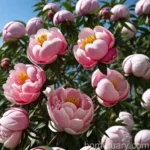
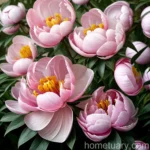
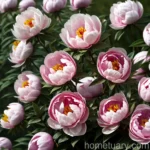
Paeonia lactiflora, belonging to the family Paeoniaceae, is a perennial flowering plant native to China, where it has been cultivated for its medicinal and ornamental properties for over a thousand years. The ‘Comanche’ variety is revered for its large, vibrant, and fragrant blossoms, making it a sought-after addition to gardens and landscapes. Its lush green foliage and sturdy stems add to its visual appeal, making it a favorite among gardeners.
Paeonia lactiflora ‘Comanche’ Characteristics
- Botanical Name: Paeonia lactiflora ‘Comanche’
- Common Name: Comanche Peony
- Type: Herbaceous perennial
- Bloom Time: Late spring to early summer
- Height: 2-3 feet
- Spread: 2-3 feet
- Hardiness Zones: 3-8
- Exposure: Full sun to partial shade
- Soil: Rich, well-draining
- Watering: Moderate
Key Takeaways – Paeonia lactiflora ‘Comanche’
Before we delve into the specific aspects of growing and caring for Paeonia lactiflora ‘Comanche’, let’s take a quick look at the key takeaways for this exquisite plant:
- Paeonia lactiflora ‘Comanche’ is a herbaceous perennial known for its large, fragrant flowers and lush foliage.
- It thrives in hardiness zones 3-8 and prefers rich, well-draining soil and moderate watering.
- ‘Comanche’ Peony can be grown in full sun to partial shade and requires minimal maintenance once established.
- It is a popular choice for gardens, landscapes, and cut flower arrangements, adding a touch of elegance to any setting.
Now that we have an overview of the plant, let’s explore the specific aspects of growing and caring for Paeonia lactiflora ‘Comanche’.
Culture
Uses
Paeonia lactiflora ‘Comanche’ serves a variety of purposes, both aesthetic and practical:
- Ornamental: The stunning blooms of ‘Comanche’ Peony make it a prized ornamental plant in gardens and landscapes.
- Cut Flowers: The large, fragrant flowers are popular choices for floral arrangements and bouquets, adding a touch of elegance and fragrance to any setting.
- Medicinal: In traditional Chinese medicine, certain parts of the peony plant are used for their potential medicinal properties. However, it is essential to consult a healthcare professional before using any plant for medicinal purposes.
Water
Proper watering is crucial for the healthy growth and flowering of Paeonia lactiflora ‘Comanche’. Here are some essential tips for watering this beautiful plant:
- Established Plants: Once established, ‘Comanche’ Peony is relatively drought-tolerant and requires minimal supplemental watering. However, during dry periods, it is advisable to water the plant deeply to ensure adequate moisture.
- Newly Planted: Newly planted peonies require more frequent watering to aid in the establishment of their root systems. Water them thoroughly after planting and continue to monitor the soil moisture regularly.
- Avoid Overwatering: Peonies are susceptible to root rot if the soil remains excessively wet. Ensure that the soil has good drainage to prevent waterlogging.
Sunlight
The appropriate exposure to sunlight plays a critical role in the growth and blooming of Paeonia lactiflora ‘Comanche’. Here’s what you need to know about sunlight requirements for this plant:
- Full Sun: ‘Comanche’ Peony thrives in full sun, receiving at least 6-8 hours of direct sunlight daily. Adequate sunlight promotes robust growth and abundant flowering.
- Partial Shade: While it prefers full sun, peonies can tolerate partial shade, especially in regions with intense afternoon sunlight. However, diminished sunlight may result in fewer blooms.
Fertilizer
Fertilizing Paeonia lactiflora ‘Comanche’ is essential to ensure its vigor, blooming, and overall health. Here are some tips for fertilizing this beautiful plant:
- Timing: Apply a balanced, all-purpose fertilizer in early spring before the new growth emerges. A second application can be made in early summer if necessary.
- Application Method: Scatter the fertilizer evenly around the base of the plant, taking care to avoid direct contact with the stems or foliage. Water the area thoroughly after fertilizing to allow the nutrients to reach the root zone.
- Avoid Excessive Fertilization: Over-fertilization can lead to excessive vegetative growth at the expense of flower production. Follow the recommended application rates provided on the fertilizer label.
Soil
The quality and composition of the soil play a significant role in the overall health and performance of Paeonia lactiflora ‘Comanche’. Here are the soil requirements for growing this beautiful plant:
- Rich, Well-Draining Soil: ‘Comanche’ Peony thrives in fertile, well-draining soil with a slightly acidic to neutral pH. Amending the soil with organic matter such as compost or well-rotted manure can improve its texture and fertility.
- Soil Preparation: Prior to planting, prepare the soil by loosening it to a depth of 12-18 inches and incorporating organic amendments. Ensure that the planting area has good drainage to prevent waterlogging, which can be detrimental to the plant.
Pruning
Pruning is an essential aspect of peony care and is carried out to promote healthy growth, flowering, and overall plant aesthetics. Here are the key points to consider when pruning Paeonia lactiflora ‘Comanche’:
- Spring Pruning: In early spring, remove any dead, damaged, or diseased stems and foliage from the plant. Trim the stems to ground level to allow for new growth.
- Disbudding: To encourage larger blooms, some gardeners opt to remove side buds, leaving a single central bud on each stem. This directs the plant’s energy into producing a few, but larger, flowers.
- Fall Cleanup: After the growing season, clean up any debris around the base of the plant to minimize the risk of pest and disease issues.
Propagation
Propagating Paeonia lactiflora ‘Comanche’ allows for the expansion of your peony collection or the sharing of this beautiful plant with others. Here are some common methods of peony propagation:
- Division: Division is one of the most common and reliable methods of propagating peonies. It involves dividing the plant’s underground rhizomes and tuberous roots to create new plants.
- Seed Propagation: While peonies can be grown from seed, this method is less commonly used due to the time and effort required for the plants to reach maturity and bloom.
Container Popularity
Paeonia lactiflora ‘Comanche’ is also well-suited for container cultivation, making it an excellent choice for those with limited garden space or for adding a touch of elegance to patios and balconies. Here are some reasons why ‘Comanche’ Peony is popular for container gardening:
- Aesthetic Appeal: The large, showy blooms and lush foliage of ‘Comanche’ Peony make it a captivating addition to containers, adding color and fragrance to outdoor spaces.
- Space Efficiency: Container planting allows gardeners to grow peonies in spaces where traditional in-ground planting may not be feasible, such as urban or small garden settings.
- Versatility: Peonies in containers can be moved to different locations based on sunlight and aesthetic considerations, offering flexibility in design and placement.
Common Diseases
Paeonia lactiflora ‘Comanche’ is generally a low-maintenance plant, but it is susceptible to certain diseases that can affect its overall health and flowering. Here are some common diseases that may affect peonies and their management:
Disease Diagnosis
- Botrytis Blight: Also known as gray mold, this fungal disease can cause browning, spotting, and decay of plant tissues, particularly in periods of high humidity. Proper air circulation and removal of infected plant debris can help prevent and manage botrytis blight.
- Powdery Mildew: This fungal disease appears as a powdery white coating on the leaves and stems of the plant. Adequate spacing between plants, proper air circulation, and fungicidal treatments can help control powdery mildew.
- Fungal Leaf Spot: Fungal leaf spot can cause circular, dark spots on the foliage, leading to decreased plant vigor. Removal of infected leaves, proper sanitation, and fungicidal applications can aid in disease management.
Common Pests
While generally resistant to pests, Paeonia lactiflora ‘Comanche’ may occasionally encounter pest issues that require attention. Here are some common pests that may affect peonies and their management:
- Red Spider Mites: These tiny arachnids can cause stippling and discoloration of the leaves. Regular monitoring, proper irrigation, and the use of horticultural oils can help control red spider mite infestations.
- Nematodes: Nematodes can damage the plant’s root system, leading to stunted growth and poor flowering. Planting nematode-resistant varieties and implementing proper soil management practices can assist in nematode control.
- Peony Mealybugs: These small, soft-bodied insects can feed on plant sap and excrete honeydew, leading to the growth of sooty mold. Physical removal, insecticidal soaps, or horticultural oils can help manage mealybug populations.
Botanist’s Tips
For successful cultivation and care of Paeonia lactiflora ‘Comanche’, consider the following expert tips from botanists and experienced gardeners:
- Proper Air Circulation: Ensure adequate spacing between peony plants to promote air circulation and reduce the risk of fungal diseases, especially in humid climates.
- Mulching: Apply a layer of organic mulch around the base of the plant to conserve soil moisture, suppress weed growth, and moderate soil temperatures.
- Support Structures: Use peony rings or other support structures to prevent the plant’s heavy blooms from drooping and causing damage to the stems.
Fun Facts
As we explore the captivating world of Paeonia lactiflora ‘Comanche’, here are some intriguing and delightful fun facts about this enchanting plant:
- Cultural Significance: In Chinese culture, the peony is regarded as the “king of flowers” and holds symbolic significance, representing honor, wealth, and prosperity.
- Longevity: Peonies are known for their longevity, with some plants living for decades and continuing to produce bountiful blooms year after year.
- Fragrance: The blooms of ‘Comanche’ Peony are not only visually stunning but also emit a sweet and captivating fragrance that enhances the overall garden experience.
Links to External Resources
For further information on Paeonia lactiflora ‘Comanche’, as well as practical tips and insights from plant enthusiasts and experts, consider exploring the following external resources:
- The American Peony Society: A valuable source of information on peonies, including cultivation, care, and the latest varieties.
- Royal Horticultural Society – Growing Peonies: Expert guidance on growing and caring for peonies, including ‘Comanche’ and other cultivars.
Conclusion
Paeonia lactiflora ‘Comanche’ stands as a testament to the timeless allure and beauty of peonies, captivating gardeners and enthusiasts with its vibrant blooms and delightful fragrance. Whether adorning gardens, landscapes, or floral arrangements, this exquisite plant continues to hold a special place in the hearts of plant lovers around the world. Through careful cultivation, thoughtful care, and an appreciation for its inherent charm, ‘Comanche’ Peony can grace our outdoor spaces with elegance and vibrancy, contributing to the enchanting tapestry of the natural world. As we tend to these remarkable plants, we partake in a tradition that spans centuries, celebrating the enduring legacy of Paeonia lactiflora ‘Comanche’ and its remarkable contribution to the art of gardening and horticulture.