Tropical Water Lily (Nymphaea ‘Tina’): A Comprehensive Care Guide
Introduction
As a plant scientist, I have always been fascinated by the enchanting beauty and ecological significance of tropical water lilies. The Nymphaea ‘Tina’, in particular, is a captivating species that holds a prominent place in aquatic gardens and landscapes. In this comprehensive guide, we will delve into the various aspects of caring for this exquisite plant, from its cultural requirements and uses to its maintenance and common diseases. Whether you are a beginner looking to add tropical water lilies to your garden or an enthusiast seeking in-depth knowledge, this guide will provide valuable insights into fostering the growth and bloom of the Nymphaea ‘Tina’.
What is a Tropical Water Lily (Nymphaea ‘Tina’)?
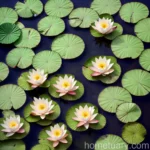
The tropical water lily, scientifically known as Nymphaea, is a genus of aquatic flowering plants that belong to the family Nymphaeaceae. These stunning plants are renowned for their vibrant, showy flowers and lily pads that float elegantly on the surface of ponds, lakes, and water gardens. One particular cultivar, Nymphaea ‘Tina’, is celebrated for its unique charm and adaptability, making it a popular choice among water garden enthusiasts and horticulturists.
Key Takeaways – Tropical Water Lily (Nymphaea ‘Tina’)
Before delving into the intricate details of caring for the Nymphaea ‘Tina’, let’s familiarize ourselves with the key takeaways that will guide us through this comprehensive care guide:
- Culture: Understanding the cultural requirements for optimal growth and development.
- Uses: Exploring the versatile uses of tropical water lilies in landscapes and aquatic environments.
- Water: The role of water and its quality in maintaining healthy tropical water lilies.
- Sunlight: Identifying the ideal sunlight conditions for robust growth and prolific blooming.
- Fertilizer: Utilizing appropriate fertilization techniques to support the nutritional needs of Nymphaea ‘Tina’.
- Soil: Examining the significance of soil and substrate in the cultivation of tropical water lilies.
- Pruning: Implementing effective pruning methods to manage the growth and aesthetics of the plant.
- Propagation: Exploring the various methods of propagating Nymphaea ‘Tina’ for proliferation.
- Container Popularity: Understanding the appeal and feasibility of container gardening with tropical water lilies.
- Container Common Diseases: Identifying and addressing common diseases in container-grown tropical water lilies.
- Disease Diagnosis: Recognizing symptoms and diagnosing diseases that affect Nymphaea ‘Tina’.
- Common Pests: Managing and controlling the pests that pose a threat to the well-being of tropical water lilies.
- Botanist’s Tips: Gaining insights and tips from botanical experts for successful care and maintenance.
- Fun Facts: Uncovering intriguing and captivating facts about Nymphaea ‘Tina’ and tropical water lilies.
With these key takeaways in mind, let’s embark on a comprehensive exploration of the care and cultivation of the tropical water lily, with a specific focus on the Nymphaea ‘Tina’ cultivar.
Culture
The cultural requirements of tropical water lilies, including the Nymphaea ‘Tina’ variety, encompass a range of essential factors that contribute to their overall well-being and flourishing growth. Understanding and fulfilling these cultural needs are crucial for nurturing healthy, vibrant plants that thrive in aquatic environments.
Water
Tropical water lilies are inherently aquatic plants, and as such, water is a fundamental component of their cultural requirements. The quality and characteristics of the water in which they are cultivated play a significant role in their overall health and vitality.
Water Quality
- pH Levels: Tropical water lilies, including the Nymphaea ‘Tina’, thrive in slightly acidic to slightly alkaline water conditions. The ideal pH range for these plants typically falls between 6.2 and 7.4, promoting optimal nutrient uptake and metabolic processes.
- Temperature: Maintaining suitable water temperatures is essential for the well-being of tropical water lilies. The recommended water temperature range for Nymphaea ‘Tina’ is between 70°F and 80°F (21°C to 27°C), providing an environment conducive to healthy growth and blooming.
- Water Movement: While tropical water lilies appreciate still or gently flowing water, excessive turbulence or strong currents should be avoided to prevent damage to their delicate foliage and flowers.
Water Source
- Pond Water: Cultivating tropical water lilies in natural or man-made ponds provides an authentic habitat that supports their growth and enhances the aesthetics of aquatic landscapes.
- Container Gardening: For those opting for container gardening, the use of clean, non-chlorinated water is recommended. Rainwater or dechlorinated tap water is suitable for maintaining the health of Nymphaea ‘Tina’ in containers.
Sunlight
Fertilizer
Soil
Uses
Ornamental Purposes
Ecological Significance
Tropical Water Lily (Nymphaea ‘Tina’) Species
Nymphaea ‘Tina’ Characteristics
Nymphaea ‘Tina’ Varieties
Tropical Water Lily Garden
Tropical Water Lily Pond
Nymphaea ‘Tina’ Planting Tips
Benefits of Tropical Water Lilies
Nymphaea ‘Tina’ Flowers
Tropical Water Lily Habitats
Nymphaea ‘Tina’ Growth Requirements
Tropical Water Lily Fertilizer
Nymphaea ‘Tina’ Sunlight Needs
How to Propagate Tropical Water Lilies
Nymphaea ‘Tina’ in Aquatic Gardens
Tropical Water Lily Disease Control
Nymphaea ‘Tina’ Garden Ideas
Tropical Water Lily Water Requirements
Nymphaea ‘Tina’ Origin
Tips for Choosing Tropical Water Lilies
Nymphaea ‘Tina’ Bloom Time
Care Guide for Nymphaea ‘Tina’
Tropical Water Lily Container Gardening
Nymphaea ‘Tina’ Pest Management
Tropical Water Lily Pond Design
Nymphaea ‘Tina’ for Water Features
Tropical Water Lily Winter Care
Nymphaea ‘Tina’ Leaf Coloration
Tropical Water Lily in Ponds
Nymphaea ‘Tina’ Aquatic Plant
Tropical Water Lily Growth Rate
Nymphaea ‘Tina’ Maintenance Tips
Tropical Water Lily Landscape Ideas
Nymphaea ‘Tina’ Unique Features
Tropical Water Lily in Small Ponds
Nymphaea ‘Tina’ Water Temperature Tolerance
Best Companions for Tropical Water Lilies
Nymphaea ‘Tina’ Pond Planting
Tropical Water Lily Winter Survival
Nymphaea ‘Tina’ Hardiness Zone
Tips for Purchasing Tropical Water Lilies
Nymphaea ‘Tina’ Rhizome Division
Tropical Water Lily Blooming Season
Nymphaea ‘Tina’ Flower Colors
Tropical Water Lily Floating Varieties
Nymphaea ‘Tina’ Pond Maintenance
Tropical Water Lily in Outdoor Ponds
Conclusion
In conclusion, tropical water lilies, particularly the captivating Nymphaea ‘Tina’, hold an esteemed position in horticulture, aquatic gardening, and the ecological landscape. Their enchanting beauty, varied uses, and cultural significance make them a valuable addition to any water garden or landscape design.
Through this comprehensive care guide, we have explored the diverse facets of cultivating and nurturing the Nymphaea ‘Tina’, from its growth requirements and propagation to pest management and unique features. Whether one is an avid water gardening enthusiast or a novice seeking to embark on a journey of tropical water lily cultivation, the insights and guidelines provided here serve as a valuable resource for fostering the growth and bloom of Nymphaea ‘Tina’ with care and expertise.
By embracing the intricate cultural needs, understanding the ecological roles, and appreciating the aesthetic allure of the tropical water lily, we can partake in the timeless fascination and appreciation of these remarkable plants, enriching our environment and our lives with their graceful presence.