Nodding Broomrape (Orobanche Cernua)
Plants are fascinating organisms that come in a wide variety of forms, colors, and structures. From towering trees in dense forests to tiny mosses in the.
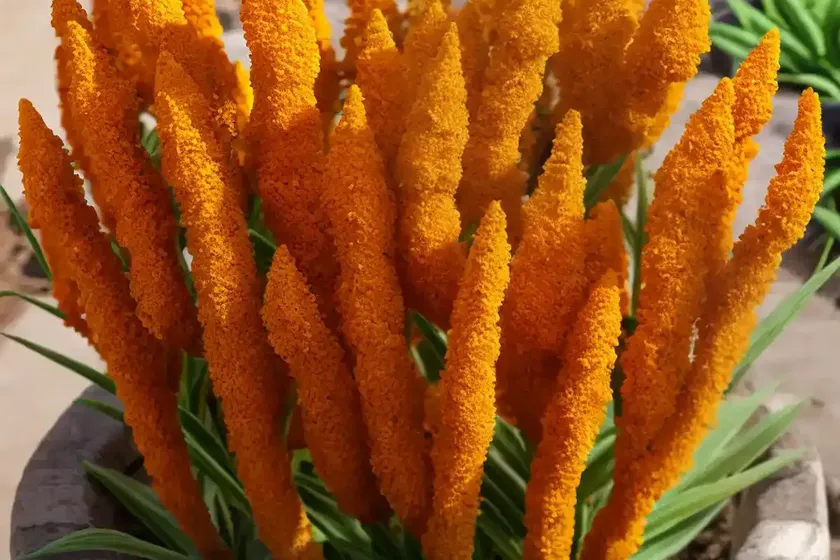
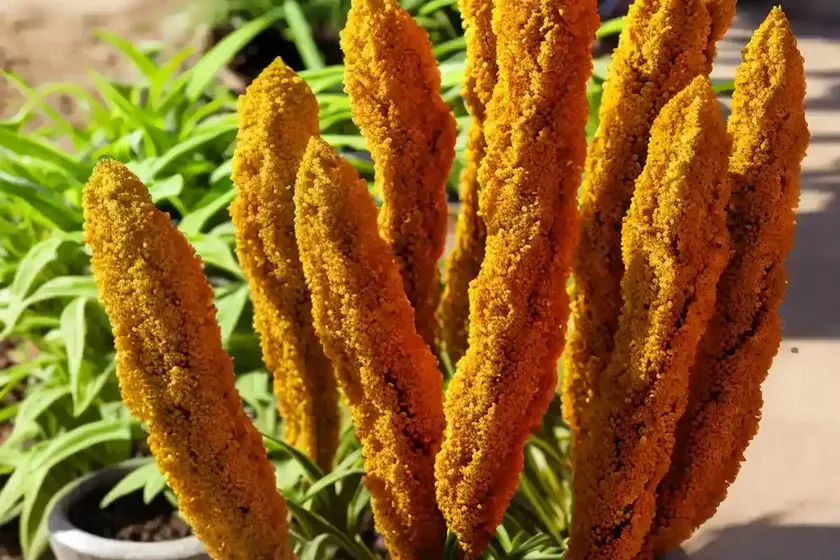
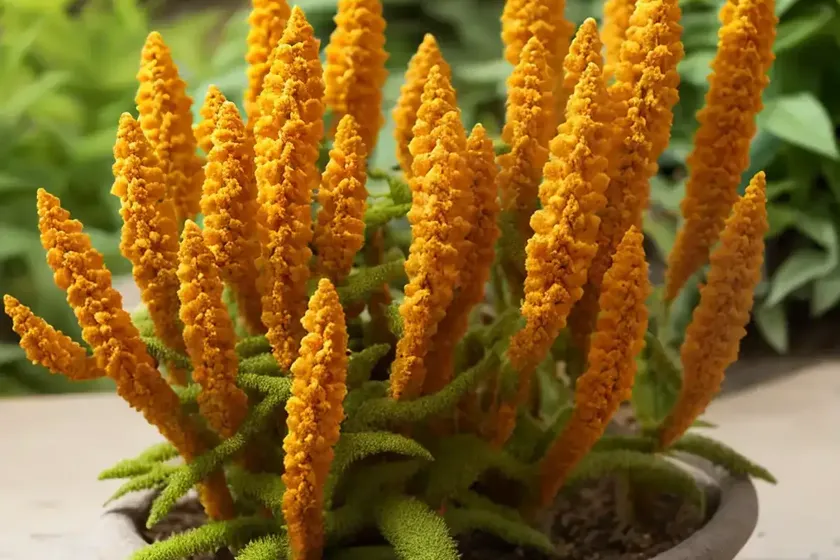
Plants are fascinating organisms that come in a wide variety of forms, colors, and structures. From towering trees in dense forests to tiny mosses in the cracks of a sidewalk, the diversity of plant life is astounding. Among this diversity, there exist some plants that possess unique characteristics and behaviors that set them apart. One such intriguing plant is the Orobanche cernua, commonly known as Nodding Broomrape. Nodding Broomrape belongs to the family Orobanchaceae and is a parasitic plant that has adapted to an entirely different lifestyle compared to most other plants.
This comprehensive guide aims to unravel the mysteries surrounding Nodding Broomrape, providing valuable insights into its identification, characteristics, cultivation, care tips, ecological role, and much more. Whether you are a plant enthusiast, a botanist, a nature lover, or simply intrigued by the diverse forms of life on Earth, this article will take you on an enlightening journey through the world of Nodding Broomrape.
What is Plant: Nodding Broomrape (Orobanche cernua)
Nodding Broomrape (Orobanche cernua) is a fascinating parasitic plant that is native to Europe, Asia, and North Africa. As a member of the Orobanchaceae family, it is closely related to other parasitic plants such as the Common Broomrape (Orobanche minor) and Ivy Broomrape (Orobanche hederae). The plant is aptly named for its characteristic nodding or drooping appearance, which is particularly evident when its yellowish to purplish flowers are in bloom.
One of the most intriguing aspects of Nodding Broomrape is its parasitic nature, as it does not possess the green chlorophyll that is essential for photosynthesis in most plants. Instead, it relies on parasitizing the roots of other plants to obtain water, nutrients, and organic compounds, making it an obligate parasite. Thus, Nodding Broomrape has evolved a unique and fascinating way of life that sets it apart from the majority of the plant kingdom.
Key Takeaways – Nodding Broomrape (Orobanche cernua)
Before diving deeper into the various aspects of Nodding Broomrape, let’s outline some key takeaways about this enchanting plant:
- Common Name: Nodding Broomrape
- Scientific Name: Orobanche cernua
- Family: Orobanchaceae
- Habitat: Native to Europe, Asia, and North Africa
- Characteristics: Nodding or drooping stems, yellowish to purplish flowers
- Unique Feature: Obligate parasitic nature, lacking chlorophyll
- Ecological Impact: Influences plant communities through parasitism
- Cultural Significance: Historical uses in traditional medicine and cultural practices
Now, let’s embark on a journey to explore the various facets of Nodding Broomrape, starting with its cultural significance and traditional uses.
Culture
Uses
Nodding Broomrape (Orobanche cernua) has been a subject of interest not only for botanists and plant enthusiasts but also for cultures and societies that have interacted with it over centuries. Historically, this parasitic plant has found a place in traditional medicine and cultural practices.
-
Traditional Medicine: In some cultures, Nodding Broomrape was used in traditional herbal remedies, often for its purported medicinal properties. While the efficacy of such uses may vary, it reflects the historical significance of this plant in traditional healing practices.
-
Cultural Practices: Beyond its medicinal uses, Nodding Broomrape may have held cultural significance in certain societies, perhaps due to its peculiar nature as a parasitic plant. Understanding the cultural contexts surrounding the plant enriches our insights into its place in human history and traditions.
Uses
Nodding Broomrape (Orobanche cernua) has been a subject of interest not only for botanists and plant enthusiasts but also for cultures and societies that have interacted with it over centuries. Historically, this parasitic plant has found a place in traditional medicine and cultural practices.
-
Traditional Medicine: In some cultures, Nodding Broomrape was used in traditional herbal remedies, often for its purported medicinal properties. While the efficacy of such uses may vary, it reflects the historical significance of this plant in traditional healing practices.
-
Cultural Practices: Beyond its medicinal uses, Nodding Broomrape may have held cultural significance in certain societies, perhaps due to its peculiar nature as a parasitic plant. Understanding the cultural contexts surrounding the plant enriches our insights into its place in human history and traditions.
Sunlight
Fertilizer
Soil
Pruning
Propagation
- By Seed
- Description
- Equipment
- Steps
- By Division
- Description
- Equipment
- Steps
Container Popularity
- Nodding Broomrape in Container Gardening: While Nodding Broomrape is primarily known for its wild habit as a parasitic plant, it may not be a common choice for container gardening due to its specific growth requirements and parasitic nature. However, in controlled environments such as botanical gardens, it may be cultivated in containers for research or educational purposes.
Common Diseases
Disease Diagnosis
Common Pests
Botanist’s Tips
Fun Facts
Nodding Broomrape (Orobanche cernua) exhibits several intriguing and unique characteristics, offering a wealth of fascinating facts that contribute to a deeper understanding of this extraordinary plant. Let’s explore some of the fun facts about Nodding Broomrape:
-
Lack of Chlorophyll: Unlike the vast majority of plants, Nodding Broomrape does not contain chlorophyll, the pigment essential for photosynthesis. This sets it apart as a fascinating example of a non-photosynthetic, parasitic plant.
-
Parasitic Adaptation: Nodding Broomrape has evolved a highly specialized and unique way of life as a parasitic plant, relying entirely on other plants for essential nutrients and water. This adaptation makes it an intriguing subject for research and study.
-
Intriguing Floral Display: The flowers of Nodding Broomrape, with their nodding or drooping appearance and shades of yellow and purple, add visual interest to its overall appeal. This distinct floral display makes it easily recognizable in its natural habitat.
-
Cultural Significance: Historically, Nodding Broomrape has been utilized in traditional medicine and may have held cultural significance in certain societies. This reflects the plant’s varied and multifaceted interactions with human cultures throughout history.
Links to External Resources
For further exploration of Nodding Broomrape (Orobanche cernua) and related topics, the following external resources provide valuable information and insights:
-
The Xerces Society for Invertebrate Conservation: This blog post from The Xerces Society offers a detailed look at the ecological role of parasitic plants, including their importance and potential uses in gardens.
-
Kew Royal Botanic Gardens: The Kew Royal Botanic Gardens features an article on parasitic plants that delves into their biology, diversity, and ecological impact, serving as a comprehensive resource for those interested in understanding the world of parasitic plants.
-
International Parasitic Plant Society: The International Parasitic Plant Society website provides a wealth of information on various aspects of parasitic plants, covering research advancements, ecological interactions, and conservation efforts related to these intriguing botanical organisms.
-
New Phytologist Trust: This scholarly article published by the New Phytologist Trust offers valuable insights into the genetic diversity and reproductive strategies of parasitic plants, shedding light on the evolutionary mechanisms that underpin their unique characteristics.
-
Botanical Journal of the Linnean Society: The Botanical Journal of the Linnean Society features a wide range of research articles and reviews that encompass diverse topics in plant biology, including parasitic plants and their ecological interactions, providing an essential resource for in-depth exploration of botanical subjects.
As you continue your journey of discovery into the world of Nodding Broomrape (Orobanche cernua) and related topics, these external resources serve as valuable references that offer a wealth of knowledge and perspectives from the scientific community.
In conclusion, Nodding Broomrape (Orobanche cernua) stands as an exceptional example of the diverse and remarkable adaptations that exist within the plant kingdom. From its parasitic lifestyle to its intriguing floral display, this plant captivates the imagination and inspires further exploration into its ecological role, cultural significance, and potential uses. By delving into the unique characteristics and behaviors of Nodding Broomrape, we gain a deeper appreciation for the intricacies of plant life and the fascinating ways in which plants interact with their environments and with humanity.
As you reflect on the enigmatic nature of Nodding Broomrape, may your curiosity be piqued to seek out further knowledge and understanding of this extraordinary plant and the wider world of botanical wonders.
A special note to our readers: This article is intended to provide a foundation for exploring Nodding Broomrape in the context of its cultural, ecological, and scientific dimensions. We encourage further research and engagement with scholarly resources and botanical institutions to enrich your knowledge and understanding of Nodding Broomrape and related botanical subjects.


