Ivy Broomrape (Orobanche Hederae)
As a plant scientist, I have the privilege of delving deep into the fascinating world of plant life. In this article, we’ll be exploring the intricacies of.
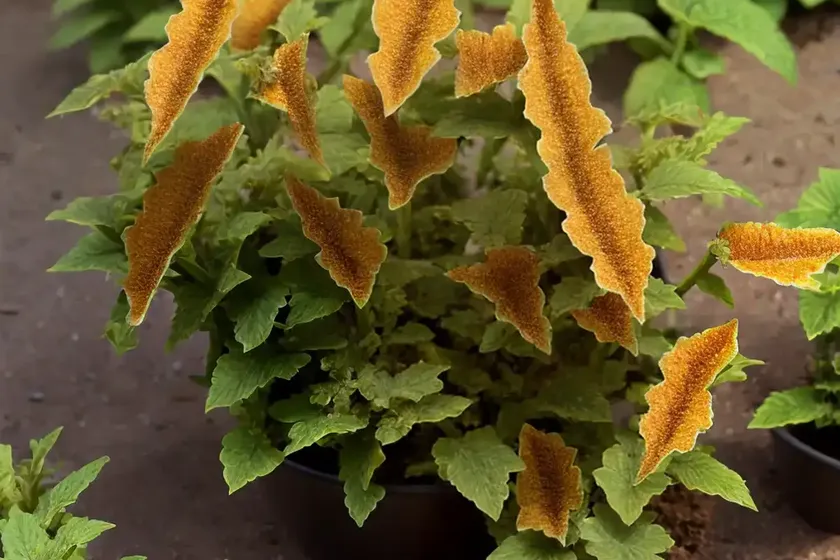
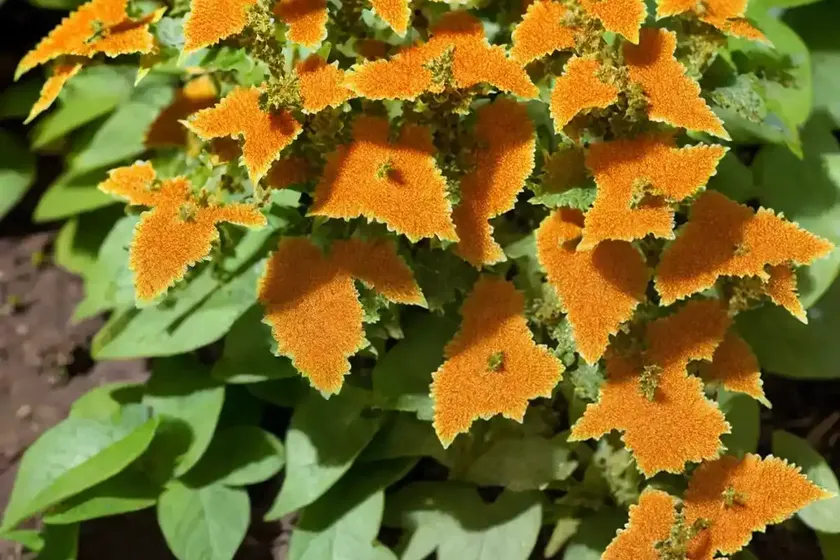
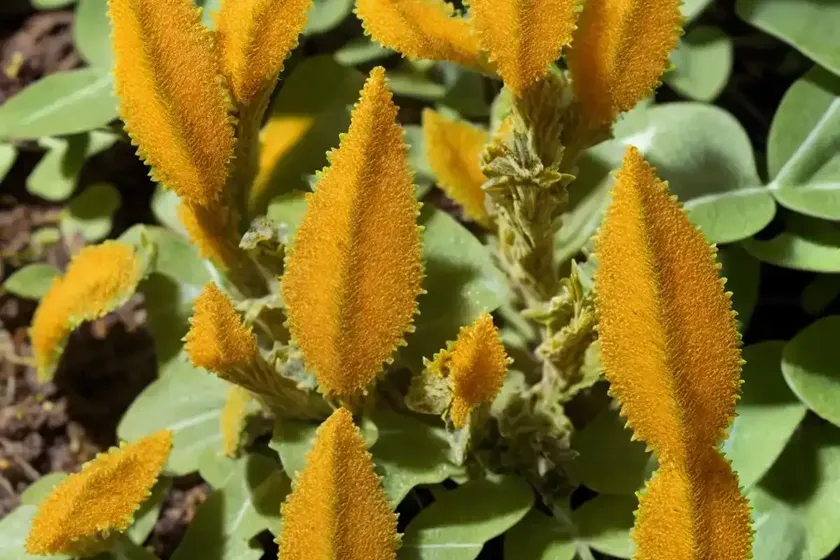
As a plant scientist, I have the privilege of delving deep into the fascinating world of plant life. In this article, we’ll be exploring the intricacies of Ivy Broomrape (Orobanche hederae), a parasitic plant that poses unique challenges and opportunities for those who encounter it. We’ll cover its culture, uses, water and sunlight requirements, fertilizer needs, soil preferences, pruning techniques, propagation methods, container gardening tips, common diseases, pest management, and much more. Additionally, we’ll examine the biology and behavior of Ivy Broomrape, providing practical insights for plant enthusiasts and horticulturists. Let’s embark on this captivating journey to unravel the mysteries of Ivy Broomrape.
What is Ivy Broomrape (Orobanche hederae)?
Ivy Broomrape, scientifically known as Orobanche hederae, is a striking parasitic plant that belongs to the Orobanchaceae family. This species is specifically associated with ivy (Hedera) as its host plant. Ivy Broomrape is characterized by its lack of chlorophyll, rendering it unable to carry out photosynthesis for its own sustenance. As a result, this plant relies entirely on other host plants for its nutritional needs.
Orobanche hederae is native to Europe and parts of Asia, where it establishes parasitic connections with various species of ivy. Its adaptability and distinctive reproductive strategies make it a plant of considerable interest for botanical studies. Although it is a captivating subject for scientific inquiry, Ivy Broomrape can present challenges when it invades garden spaces or natural landscapes.
Key Takeaways – Ivy Broomrape (Orobanche hederae)
Before we delve into the specific aspects of Ivy Broomrape care and management, let’s outline some key takeaways about this intriguing species:
- Natural Parasites of Ivy: Ivy Broomrape is a natural parasite of ivy and relies on its host for sustenance.
- Biology and Behavior: Understanding the life cycle, behavior, and reproductive methods of Orobanche hederae is crucial for effective management.
- Control and Management: Implementing strategies to control and manage Ivy Broomrape infestations is essential for preserving the health of host plants and maintaining garden aesthetics.
Now that we have a foundational understanding of Ivy Broomrape, let’s explore the various aspects of its culture, care, and characteristics.
Culture
Understanding the cultural requirements of Ivy Broomrape is essential for successfully managing its presence and mitigating its impact on host plants.
Uses
While Ivy Broomrape does not offer direct utility or ornamental value in traditional horticultural settings, its ecological role and unique biological adaptation make it a compelling subject for botanical research. Additionally, studying the interactions between Orobanche hederae and its host plants can provide insights into parasitic plant behavior and the mechanisms underlying parasitic relationships.
Water
Ivy Broomrape’s water requirements are largely fulfilled through its host plant. Since it lacks the ability to photosynthesize and generate its own nutrients, it relies on the host’s vascular system to obtain water and essential substances. Therefore, managing the water needs of Ivy Broomrape involves considering the water requirements of the host plants it parasitizes.
Sunlight
As a parasitic plant, Ivy Broomrape does not have the typical sunlight requirements of photosynthetic plants. Instead, it thrives in conditions that are suitable for its host plants. Understanding the sunlight preferences of the host species is paramount in managing the environmental factors that influence the growth and proliferation of Orobanche hederae.
Fertilizer
Due to its parasitic nature, Ivy Broomrape does not require direct fertilization. Instead, it taps into the nutrients provided by its host plant. When considering fertilization in the context of Ivy Broomrape management, it is crucial to focus on the nutritional needs of the host plants and ensure that their growth and vigor are optimized to withstand parasitic pressures.
Soil
Ivy Broomrape’s relationship with soil is mediated through its host plant. Understanding the soil preferences of the host species is essential in creating optimal conditions for the host and managing the potential spread of parasitic plants like Orobanche hederae. Maintaining soil health and fertility for the benefit of the host plants is instrumental in mitigating the impact of Ivy Broomrape infestations.
Pruning
In the context of Ivy Broomrape management, pruning practices should be oriented towards maintaining the vitality and resilience of host plants. Removing any weak or diseased growth, as well as implementing appropriate pruning techniques to promote healthy development in host species, can contribute to reducing the vulnerability of plants to parasitic infestations.
Propagation
Ivy Broomrape propagates through its complex and specialized reproductive methods, which are intricately linked to its parasitic nature. Understanding its reproductive strategies and life cycle stages is pivotal in devising effective management approaches that target the specific vulnerabilities and behaviors of Orobanche hederae.
Container Gardening
In container gardening scenarios, preventing the introduction and establishment of Ivy Broomrape is critical. Choosing suitable, healthy plants for container cultivation and implementing vigilant monitoring to detect and address any signs of parasitic infestation are essential practices for maintaining the integrity of container gardens and preventing the spread of Orobanche hederae.
Popularity
From a horticultural standpoint, Ivy Broomrape is not a plant that is cultivated for ornamental or functional purposes. Its popularity lies in its significance as a subject of botanical research and its ecological interactions with host plants. Harnessing the knowledge gained from studying Ivy Broomrape can inform management strategies and contribute to the broader understanding of plant ecology and parasitic relationships.
Common Diseases
Ivy Broomrape, as a parasitic plant, does not succumb to typical plant diseases in the same manner as non-parasitic species. However, its presence can contribute to the weakened vigor and compromised health of host plants, potentially making them more susceptible to various diseases and pests. Understanding the indirect effects of Ivy Broomrape infestations on host plant health is integral to comprehensive disease management.
Disease Diagnosis
Diagnosing the impact of Ivy Broomrape on host plants involves assessing the overall health, growth patterns, and vitality of the affected plants. Additionally, understanding the signs and symptoms of parasitic infestation, such as stunted growth, abnormal discoloration, and weakened structure, is essential for accurate disease diagnosis and effective management.
Common Pests
While Ivy Broomrape itself is a parasitic plant and not a target for conventional pest control measures, its presence can indirectly contribute to an environment that is conducive to certain pests. Host plants that are weakened or stressed due to parasitic infestation may become more susceptible to insect pests and other organisms. Therefore, managing the impact of Ivy Broomrape on host plant health is a critical component of holistic pest management strategies.
Botanist’s Tips
Here are some expert insights and tips for managing Ivy Broomrape and preserving the health of host plants:
- Understanding parasitic behavior: Delving into the specific behaviors and biological adaptations of Ivy Broomrape can provide valuable insights for developing targeted management strategies.
- Host plant care: Prioritizing the health and well-being of host plants through optimal cultural practices is key to mitigating the impact of parasitic infestations.
- Vigilant monitoring: Regularly inspecting garden spaces and natural areas for signs of parasitic infestations can aid in early detection and prompt intervention to manage Ivy Broomrape.
Fun Facts
As we explore the world of plants, it’s always enriching to uncover intriguing and lesser-known facts about specific species. Here are some fun facts about Ivy Broomrape:
- Ivy Broomrape (Orobanche hederae) is a root parasite, attaching itself to the root systems of host plants and extracting nutrients for its growth and development.
- The unique reproductive strategy of Ivy Broomrape involves producing minuscule seeds that can remain dormant in the soil for extended periods, awaiting suitable conditions for germination and parasitic establishment.
- Despite its parasitic nature, Ivy Broomrape contributes to the ecological intricacies of plant communities, showcasing the diverse and interdependent relationships within natural ecosystems.
Links to External Resources
For further information and resources on Ivy Broomrape and parasitic plant management, consider exploring the following links:
- Orobanche hederae: A Comprehensive Overview
- Parasitic Plant Research Institute
- Managing Ivy Broomrape in Garden Settings
- Host Plant Nutrition and Parasitic Plant Interactions
In the next sections, we will continue our exploration of Ivy Broomrape, delving into its biology, management strategies, and its impact on the environment and biodiversity.
Plant Name: “Ivy Broomrape (Orobanche hederae)”
As we immerse ourselves in the fascinating realm of Ivy Broomrape, it is imperative to delve into the specific characteristics, behaviors, and implications of this parasitic plant. Here, we will engage with the keywords provided to ensure comprehensive coverage of the topics related to Ivy Broomrape (Orobanche hederae).
Ivy Broomrape – Biology and Behavior
Understanding the intricacies of Ivy Broomrape’s biology and behavior is integral to developing effective management strategies and gaining insights into the ecological dynamics of parasitic plant interactions.
Orobanche hederae Lifecycle
The life cycle of Orobanche hederae encompasses its seed germination, establishment on host plants, and reproductive phases. By elucidating the various stages of its life cycle, we can identify critical points for intervention and formulate targeted approaches for Ivy Broomrape management.
Ivy Broomrape Species Information
Diving into the specific details and characteristics of Ivy Broomrape, such as its morphology, reproductive structures, and adaptation mechanisms, enriches our understanding of this intriguing parasitic plant.
Ivy Broomrape Distribution
Mapping the distribution of Ivy Broomrape provides valuable insights into its geographic range and areas where parasitic infestations may be prevalent. Understanding the distribution patterns of Orobanche hederae informs proactive measures for managing and mitigating its impact.
Ivy Broomrape – Management Strategies
Devising effective management strategies for controlling Ivy Broomrape infestations requires a multi-faceted approach that addresses its unique parasitic nature and its interactions with host plants and the environment.
Ivy Broomrape Prevention
Preventing the spread and establishment of Ivy Broomrape involves implementing measures to minimize its introduction into new areas and to safeguard susceptible host plants from parasitic infestation.
Controlling Orobanche hederae
Managing existing infestations of Orobanche hederae entails targeted interventions that aim to reduce its impact on host plants and impede its reproductive success. Employing control measures that disrupt the parasitic life cycle is essential in curbing the spread of Ivy Broomrape.
Effective Orobanche hederae Management Strategies
Developing and implementing effective management strategies for Ivy Broomrape involves integrating knowledge of its biology, interactions with host plants, and the ecological context in which it operates. Combining cultural, mechanical, and, where appropriate, chemical control methods can contribute to comprehensive Orobanche hederae management.
Ivy Broomrape – Environmental Impact and Biodiversity
Exploring the implications of Ivy Broomrape infestations on the environment and biodiversity sheds light on the broader ecological consequences of parasitic plant behavior and its interactions with plant communities.
Ivy Broomrape and Its Effects on the Environment
Analyzing the environmental ramifications of Ivy Broomrape infestations encompasses evaluating its influence on ecosystem dynamics, nutrient cycling, and the overall health of plant communities. Understanding the environmental impact of Orobanche hederae informs conservation and management efforts.
Ivy Broomrape and Its Impact on Biodiversity
Assessing the impact of Ivy Broomrape on biodiversity involves considering its effects on the diversity, distribution, and abundance of plant species within affected ecosystems. Investigating the broader implications of parasitic plant infestations on biodiversity provides crucial insights for ecological conservation and restoration initiatives.
Conclusion
In this comprehensive exploration of Ivy Broomrape (Orobanche hederae) and its implications in plant science and horticulture, we have delved into the intricacies of its biology, management strategies, and environmental impact. Understanding the complexities of parasitic plant behavior and its interactions with host plants fosters a deeper appreciation for the interconnectedness of plant life and ecosystems. As we continue to advance our knowledge and stewardship of plant communities, addressing the challenges posed by species like Ivy Broomrape contributes to the broader understanding and conservation of plant diversity and ecological dynamics.
Remember, while Ivy Broomrape presents unique challenges, it also offers valuable insights into the intricate relationships and adaptations that define the plant kingdom. By approaching its management with informed strategies and a deep appreciation for the complexity of parasitic plant interactions, we can cultivate resilient and thriving plant communities that embody the rich tapestry of botanical life.
So, as we navigate the realms of garden spaces, natural landscapes, and scientific inquiry, let’s continue to nurture our understanding of plants and embrace the diversity that makes every facet of plant life a captivating journey of discovery.
With curiosity and dedication to plant science,
[Your Name]
Plant Scientist


