Common Broomrape (Orobanche Minor)
Plants are not only a source of beauty and oxygen for the planet, but they also play a crucial role in ecological balance, agricultural practices, and.
Introduction
Plants are not only a source of beauty and oxygen for the planet, but they also play a crucial role in ecological balance, agricultural practices, and medicinal uses. One such intriguing plant is the Common Broomrape (Orobanche minor). In this comprehensive guide, we will delve into the characteristics, cultivation, uses, diseases, and other aspects of Common Broomrape.
What is a Plant?
Plants are living organisms belonging to the kingdom Plantae, encompassing a vast array of species including trees, shrubs, herbs, grasses, ferns, and mosses. They are essential for ecosystem stability, and their vital roles include producing oxygen, providing food, and offering habitats for numerous organisms. Through the process of photosynthesis, plants convert carbon dioxide and water into glucose and oxygen, forming the basis of the food chain. Their diversity offers an incredible range of uses and benefits for humans and the environment.
Common Broomrape (Orobanche minor)
Common Broomrape (Orobanche minor) is an intriguing species that belongs to the Orobanchaceae family. This parasitic plant is known for its unique characteristics and associations with other plants. In the sections that follow, we’ll explore the key aspects of Common Broomrape, including its cultural requirements, uses, diseases, and more.
Key Takeaways – Common Broomrape (Orobanche minor)
Plant Name: Common Broomrape (Orobanche minor)
- Scientific Name: Orobanche minor
- Family: Orobanchaceae
- Common Name: Common Broomrape
The following sections will provide detailed insights into the characteristics and cultivation of Common Broomrape, shedding light on its requirements, uses, and other essential aspects.
Characteristics of Common Broomrape
Common Broomrape exhibits several fascinating characteristics that make it a unique plant species.
Common Broomrape Plant Facts
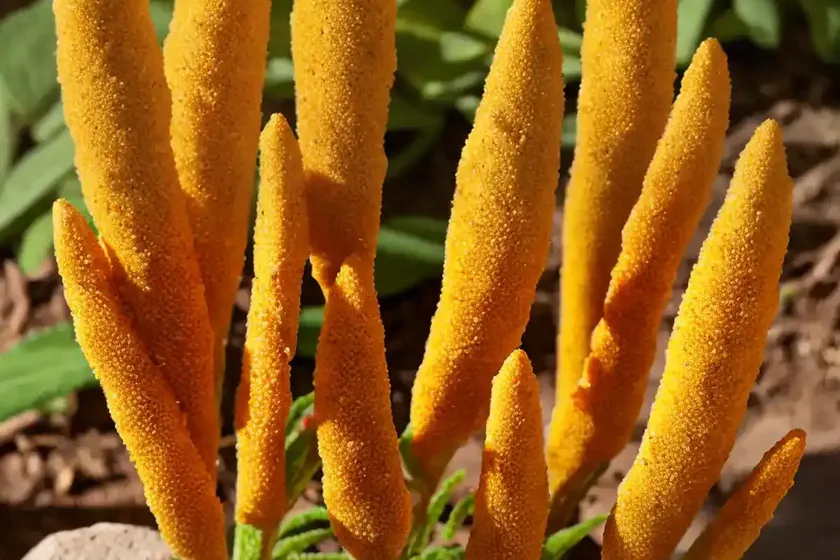
- Growth Habit: Common Broomrape is a non-photosynthetic, holoparasitic plant, obtaining its nutrition from the roots of host plants.
- Height: The plant typically reaches a height of around 10 to 20 inches.
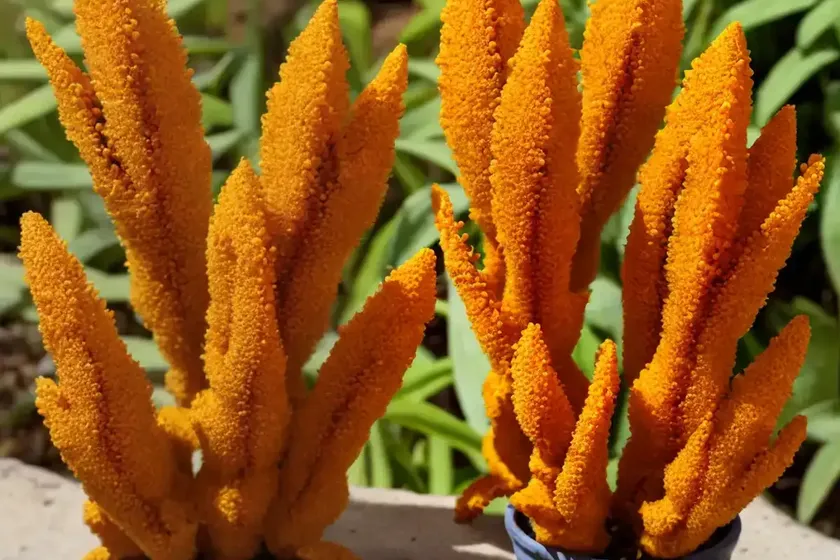
- Flowers: Common Broomrape produces showy, tubular flowers that can range in color from creamy white to pale purple.
- Leaves: Unlike other green plants, Common Broomrape lacks chlorophyll and therefore does not have proper leaves. Its stem-like structure serves as the primary organ for nutrient absorption.
Orobanche minor Characteristics
- Parasitism: Common Broomrape is a root parasite, attaching itself to the roots of various host plants and extracting nutrients and water.
- Habitat: It is commonly found in dry, sandy or loamy soils in open grasslands, meadows, and cultivated fields.
- Life Cycle: The plant follows a unique life cycle where it germinates in response to chemical stimuli released by the host plant’s roots.
- Reproduction: Common Broomrape reproduces through the release of numerous tiny seeds, which can remain dormant in the soil for several years before germinating.
These characteristics demonstrate the distinctive nature of Common Broomrape and its intriguing ecological interactions.
Cultivation of Common Broomrape
Water
As a parasitic plant, Common Broomrape obtains its water requirements from the host plant to which it is attached. When considering its cultivation, it’s essential to understand the water needs of its host plants.
Sunlight
Common Broomrape thrives in open, sunny locations. As it requires a host plant for sustenance, it necessitates an environment where its host plant also flourishes. Adequate sunlight is crucial for the growth of the host plants, and consequently, for the development of Common Broomrape.
Fertilizer
Due to its parasitic nature, Common Broomrape does not require direct fertilization. However, ensuring the health and vigor of its host plants through appropriate fertilization practices is essential for supporting the growth of Common Broomrape.
Soil
The soil where Common Broomrape is found is often dry, sandy, or loamy. Understanding the characteristics of the soil, particularly those favorable for the growth of its host plants, is crucial for the successful cultivation of Common Broomrape.
Pruning
Pruning is not a typical practice for Common Broomrape due to its unique growth habit. However, ensuring the health and vigor of the host plants through appropriate pruning, if necessary, indirectly supports the growth and sustenance of Common Broomrape.
Uses of Common Broomrape
While Common Broomrape is not cultivated for direct human consumption or medicinal uses, understanding its ecological significance and potential impact on host plants is crucial. Additionally, research on the control and management of Common Broomrape is vital for agricultural and ecological preservation.
Propagation
The primary mode of propagation for Common Broomrape is through the dispersal of its seeds. Understanding its reproductive behavior and devising strategies for seed management is essential for preventing its spread in agricultural fields and natural habitats.
Container Popularity
Common Broomrape is not typically grown in containers due to its parasitic nature and dependence on host plants for sustenance. However, research and conservation efforts related to its control and management often involve container studies for experimental purposes.
Common Diseases of Common Broomrape
Disease Diagnosis
While Common Broomrape is not susceptible to traditional plant diseases, its impact on host plants can be viewed in the context of parasitic infections affecting agricultural productivity and ecological balance.
Common Pests
Botanist’s Tips
- Host Range: Common Broomrape exhibits a broad host range, parasitizing various crops and wild plants. Understanding its host range and its impact on different plant species is crucial for devising effective management strategies.
- Eradication Strategies: Given its parasitic nature and potential impact on agricultural productivity, research efforts often focus on developing effective eradication strategies through biological, chemical, and ecological approaches.
- Conservation Efforts: In cases where Common Broomrape is associated with endangered or threatened plant species, conservation efforts may involve studying its ecological interactions and potential alternatives for plant preservation.
Fun Facts about Common Broomrape
- The genus name “Orobanche” is derived from the Greek words “oros” (mountain) and “baino” (to walk), potentially referring to the plant’s habitat.
- Common Broomrape species have specialized mechanisms to detect and establish connections with suitable host plants, showcasing remarkable adaptations for parasitic survival.
Links to External Resources
Explore the following resources to delve deeper into the world of Common Broomrape:
– Orobanche minor – USDA Plants Database
– The Parasitic Plant Connection – Botanical Society of America
– Plant Parasites of Europe: Orobanche minor – European Commission
Conclusion
Common Broomrape (Orobanche minor) presents an intriguing perspective on plant biology, parasitism, and ecological interactions. As we continue to explore and understand the diverse flora of our planet, the significance of unique plant species like Common Broomrape becomes increasingly apparent. By delving into the characteristics, cultivation requirements, uses, and impacts of Common Broomrape, we uncover valuable insights that contribute to the broader fields of agriculture, ecology, and botanical research.
In the pursuit of sustainable agricultural practices and ecosystem preservation, acknowledging and studying the diverse ecological roles of plants, including parasitic species like Common Broomrape, is crucial. By integrating knowledge from botanists, ecologists, and agricultural scientists, we can develop holistic approaches for plant conservation, disease management, and ecological balance, ensuring a harmonious coexistence with all plant species, unique and essential alike.
Through this comprehensive guide, we’ve touched upon the intriguing world of Common Broomrape, inviting further exploration and research into its characteristics, ecological significance, and potential implications for agriculture and conservation. As we continue to expand our understanding of plant diversity and ecological interactions, the unique nature of Common Broomrape serves as a compelling subject for scientific inquiry and conservation efforts, contributing to the broader tapestry of botanical knowledge and ecological stewardship.


