Nepeta Govaniana (Catmint)
Nepeta govaniana, commonly known as Catmint, is a delightful perennial plant that offers a myriad of benefits for gardeners and wildlife alike. With its.
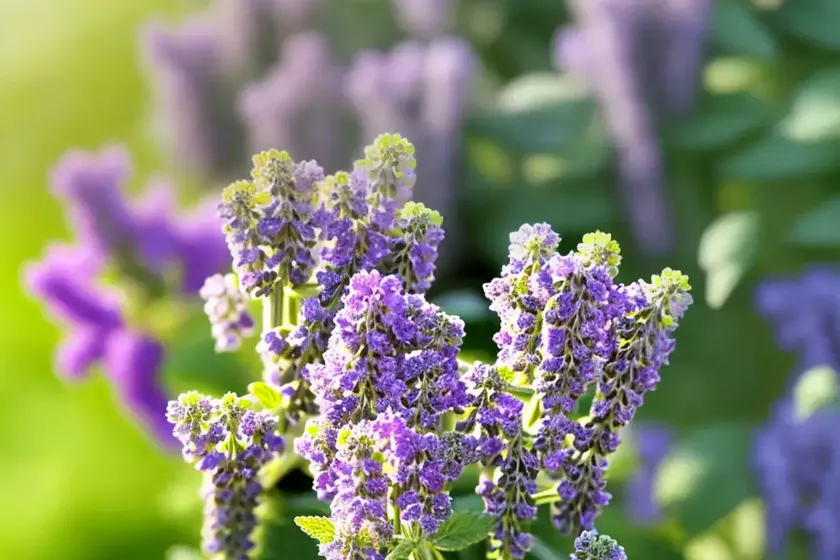
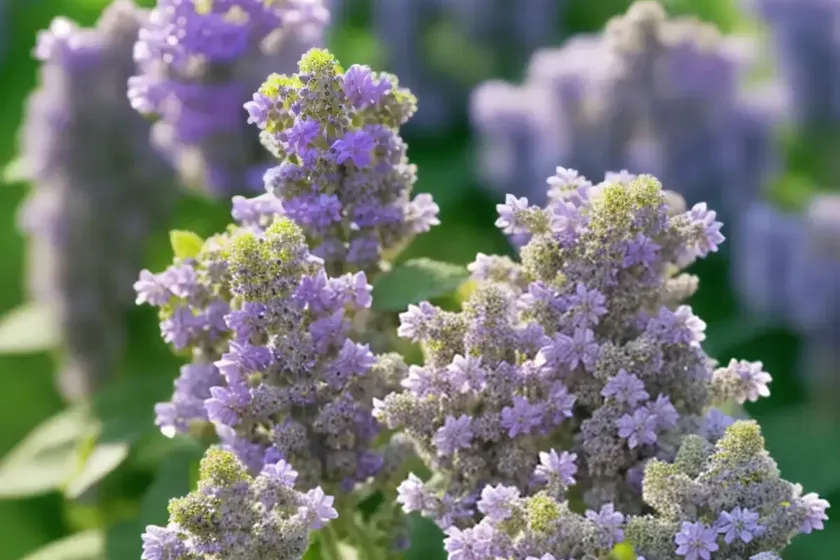
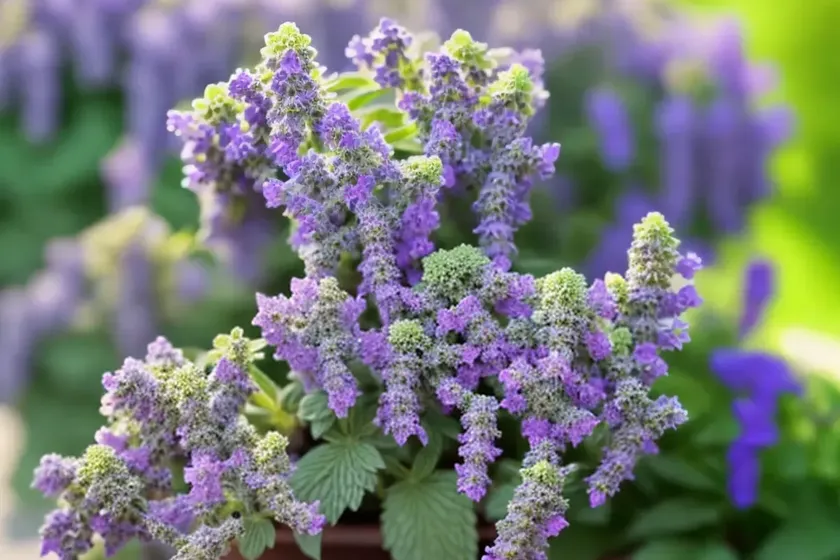
Nepeta govaniana, commonly known as Catmint, is a delightful perennial plant that offers a myriad of benefits for gardeners and wildlife alike. With its attractive foliage, vibrant flowers, and versatile uses, Catmint has secured a special place in the hearts of many plant enthusiasts.
In this comprehensive guide, we will explore the various aspects of Nepeta govaniana, from its cultural requirements and common uses to its propagation techniques and pest management. Whether you are a seasoned horticulturist or a novice gardener, there’s something for everyone to learn about this remarkable plant.
What is Nepeta govaniana (Catmint)?
Nepeta govaniana, a member of the Lamiaceae family, is a perennial herbaceous plant native to the Himalayas. This plant is renowned for its aromatic foliage and clusters of delicate, tubular flowers that bloom in shades of pale yellow. As a resilient and low-maintenance species, Catmint has found popularity in gardens, landscapes, and even traditional herbal medicine.
Key Takeaways – Nepeta govaniana (Catmint)
Before we delve into the specific aspects of Catmint, let’s take a quick look at the key takeaways that we will explore in detail:
- Culture
- Uses
- Water
- Sunlight
- Fertilizer
- Soil
- Pruning
- Propagation
- Container
- Popularity
- Common Diseases
- Disease Diagnosis
- Common Pests
- Botanist’s Tips
- Fun Facts
- Links to External Resources
Culture
Hardiness Zone: Nepeta govaniana is well-suited for USDA hardiness zones 4 to 8, thriving in a variety of climatic conditions.
Plant Type: Perennial
Growth Habit: Clump-forming
Height and Spread: Typically grows to a height of 18-24 inches and spreads about 24-36 inches.
Uses
Nepeta govaniana has a diverse range of uses, including:
- Ornamental landscape plant
- Aromatic foliage for potpourri or sachets
- Herbal medicine
- Wildlife habitat
- Pollinator support
Water
-
Watering Frequency: Catmint thrives in well-drained soil and requires moderate watering. Allow the soil to dry slightly between watering sessions to prevent waterlogging.
-
Watering Tips: During prolonged dry spells, provide supplemental watering to ensure the plant’s vigor and vitality.
Sunlight
- Sun Requirements: Nepeta govaniana prefers full sun to partial shade. Ensure that the plant receives at least 6-8 hours of sunlight daily for optimal growth and flowering.
Fertilizer
-
Fertilization: Apply a balanced, slow-release fertilizer in spring to support the plant’s growth and blooming.
-
Fertilizer Type: A general-purpose, granular fertilizer with balanced NPK (nitrogen, phosphorus, potassium) ratio is suitable for Nepeta govaniana.
Soil
-
Soil Type: Well-draining, loamy soil is ideal for Catmint. Ensure that the soil pH is neutral to slightly alkaline.
-
Soil Amendment: Incorporating organic matter such as compost or well-rotted manure during planting improves soil structure and fertility.
Pruning
-
Pruning Time: Prune Nepeta govaniana after the first flush of flowers to encourage repeat blooming and maintain a compact shape.
-
Pruning Technique: Use sterilized shears to remove spent flower spikes and trim back the foliage. Avoid cutting the plant back to the ground, as this may impede its growth.
Propagation
-
Propagation Methods: Catmint can be propagated through division, stem cuttings, or seed sowing.
-
Division: Divide mature plants in early spring or fall to create new individuals and rejuvenate older clumps.
-
Stem Cuttings: Take 4-6 inch cuttings from healthy stems and root them in a well-draining potting mixture.
-
Seed Sowing: Sow Catmint seeds indoors in early spring or directly in the garden once the frost has passed.
Container Popularity
Nepeta govaniana is well-suited for container gardening, adding a touch of elegance and fragrance to patios, balconies, and outdoor living spaces.
Common Diseases
-
Powdery Mildew: Catmint may be susceptible to powdery mildew, especially in humid conditions. Ensure good air circulation and avoid overhead watering to prevent this fungal disease.
-
Botrytis Blight: Gray mold caused by Botrytis cinerea may affect Catmint during periods of high humidity. Maintain proper spacing between plants and remove any affected foliage to prevent spread.
Disease Diagnosis
If you suspect that your Nepeta govaniana is afflicted with a disease, carefully examine the plant for the characteristic symptoms and seek timely intervention to mitigate the issue.
Common Pests
-
Aphids: These small, sap-sucking insects can infest the new growth of Catmint. Regular monitoring and the use of natural predators such as ladybugs can help control aphid populations.
-
Spider Mites: Spider mites may cause stippling and webbing on the foliage of Nepeta govaniana. Hose off the plant with a strong stream of water and introduce predatory mites if an infestation occurs.
Botanist’s Tips
-
Select companion plants that complement the growth habit and cultural preferences of Nepeta govaniana, creating harmonious garden compositions.
-
Deadhead spent flowers to promote continuous blooming and prevent the plant from self-sowing excessively.
-
Utilize Catmint’s aromatic foliage in herbal arrangements, potpourri, or as a natural insect deterrent in the garden.
Fun Facts
Did you know that Catmint is not only a garden favorite but also a magnet for cats? Cats are known to be irresistibly drawn to the foliage of Nepeta govaniana, exhibiting playful behavior and euphoria when in proximity to the plant. This response is attributed to the presence of nepetalactone, a compound that elicits a unique reaction in many felines.
Links to External Resources
For further information on Nepeta govaniana and related topics, visit the following resources:
- Royal Horticultural Society – Growing Catmint
- Missouri Botanical Garden – Nepeta govaniana Plant Profile
- University of Maryland Extension – Catmint in the Garden
As we continue our journey into the world of Nepeta govaniana, we will explore its characteristics, growth habits, culinary and medicinal uses, as well as its value in supporting biodiversity and ecological balance.
Nepeta govaniana Characteristics
Nepeta govaniana is characterized by several distinct features that contribute to its appeal and functionality in various settings. Let’s take a closer look at some of its notable characteristics:
-
Aromatic Foliage: The silvery-green, aromatic leaves of Nepeta govaniana emit a pleasant fragrance when brushed or gently crushed, adding sensory appeal to the plant.
-
Flower Color: The tubular flowers of Catmint appear in shades of pale yellow, creating a delicate and charming display that attracts pollinators such as bees and butterflies.
-
Foliage Texture: The fine-textured foliage of Nepeta govaniana lends a soft, airy quality to garden borders and mixed plantings, enhancing visual interest.
-
Drought Tolerance: Catmint exhibits good drought tolerance once established, making it suitable for xeriscapes and low-maintenance landscapes.
-
Wildlife Support: The nectar-rich flowers of Nepeta govaniana attract a variety of pollinators, contributing to the ecological balance of the garden and supporting beneficial insects.
-
Deer-Resistant Qualities: Due to its aromatic foliage and potential deterrent effects, Catmint is less preferred by deer and other browsing wildlife in many regions.
Catmint Plant Uses
Ornamental Landscape Plant
Nepeta govaniana is widely valued as an ornamental plant in garden landscapes, where it contributes to a diverse array of planting schemes and design concepts. Its graceful form, soft texture, and delicate flowers make it a versatile choice for borders, rock gardens, and perennial beds.
Aromatic Foliage for Herbal Applications
The fragrant leaves of Nepeta govaniana have been utilized in herbal traditions for their aromatic and medicinal properties. The dried foliage is often used in herbal sachets, potpourri, and herbal teas, offering a soothing and pleasant aroma.
Wildlife Habitat and Pollinator Support
The nectar-rich flowers of Catmint act as a valuable food source for pollinators, including bees, butterflies, and hummingbirds. By planting Nepeta govaniana, gardeners can actively contribute to supporting local wildlife populations and fostering biodiversity.
Benefits of Nepeta govaniana
Nepeta govaniana offers a range of benefits for gardeners, naturalists, and ecosystems alike. Some of the key benefits include:
-
Low-Maintenance: Catmint is undemanding in terms of care and maintenance, making it an excellent choice for busy gardeners and novice enthusiasts.
-
Wildlife Attraction: The nectar and pollen of Nepeta govaniana flowers provide essential nourishment for bees and other pollinators, helping to sustain healthy ecosystems.
-
Deer Resistance: The aromatic qualities of Catmint make it less susceptible to deer browsing, a valuable trait for gardeners in areas with prevalent deer populations.
-
Aesthetic Appeal: With its charming flowers, aromatic foliage, and graceful habit, Nepeta govaniana enhances the visual appeal of any setting where it is planted.
-
Versatile Uses: From ornamental landscaping to herbal applications and wildlife gardening, Catmint offers diverse uses and benefits for different garden contexts.
Catmint for Cats
Nepeta govaniana holds a special allure for cats, eliciting playful and euphoric behavior in many feline companions. The response of cats to Catmint is attributed to the presence of nepetalactone, a compound found in the plant’s foliage that triggers a unique behavioral reaction.
Catmint and Cats: An Entertaining Relationship
-
Playful Behavior: When exposed to Nepeta govaniana, cats may exhibit playful antics such as rolling, leaping, and rubbing against the foliage, often with a sense of excitement and joy.
-
Euphoric Response: Some cats display an apparent sense of contentment and relaxation when in the presence of Catmint, suggesting a mood-altering effect due to nepetalactone exposure.
-
Temporary Effects: The behavioral response to Catmint typically lasts for a brief duration, after which the cat may lose interest until the plant’s effects are experienced again.
Is Catmint Safe for Cats?
Nepeta govaniana is generally considered safe for cats and is non-toxic when ingested in small quantities. However, as with any plant, moderation is key, and excessive consumption by cats should be monitored to prevent potential digestive issues.
Providing Enrichment for Pets
Introducing Catmint into the garden or as an indoor potted plant can offer enriching sensory experiences for cats, providing mental stimulation and opportunities for physical activity.
Nepeta govaniana Growth Habits
Vigorous Growth
Nepeta govaniana exhibits a vigorous growth habit, with sturdy, upright stems that branch out to form a mounding clump of foliage. The plant’s robust growth makes it an effective ground cover and an ideal component of mixed perennial borders.
Flowering Period
Catmint typically blooms from late spring to early summer, producing an abundance of small, tubular flowers that attract pollinating insects. Deadheading spent flowers can encourage repeat blooming and prolong the flowering period.
Winter Dormancy
In colder climates, Nepeta govaniana may enter a period of winter dormancy, during which the aboveground foliage may die back. This natural response allows the plant to conserve energy and prepare for regrowth in the following growing season.
Catmint Planting Tips
Garden Placement
When planting Nepeta govaniana, select a location that receives abundant sunlight and provides well-drained soil. Ensure adequate spacing between plants to accommodate their mature size and growth.
Soil Preparation
Prior to planting, amend the soil with organic matter to improve its structure and fertility. Loosen the soil and incorporate compost or aged manure to create an ideal growing environment for Catmint.
Watering Practices
Establish a regular watering routine during the initial establishment phase of Nepeta govaniana, ensuring that the soil remains consistently moist but not waterlogged. Once the plant is established, it exhibits good drought tolerance and requires less frequent watering.
Mulching Benefits
Applying a layer of organic mulch around the base of the plant helps conserve soil moisture, regulate soil temperature, and suppress weed growth. Use a 2-3 inch layer of mulch, avoiding direct contact with the plant’s stems to prevent potential rotting.
Division and Rejuvenation
Every few years, consider dividing mature clumps of Nepeta govaniana to rejuvenate the plant, create new individuals, and prevent overcrowding. Division is ideally performed in early spring or fall for optimal success.
Catmint Varieties
‘Dawn to Dusk’
-
Characteristics: This cultivar of Nepeta govaniana features soft, aromatic foliage and profuse clusters of pale yellow flowers, adding a touch of elegance to garden borders and rock gardens.
-
Growing Conditions: ‘Dawn to Dusk’ thrives in full sun to partial shade and well-draining soil, exhibiting vigorous growth and a bushy, mounding habit.
-
Use in Landscapes: Consider planting ‘Dawn to Dusk’ as a captivating ground cover or as an accent plant in mixed perennial beds where its delicate flowers can be appreciated.
‘Golden Jubilee’
-
Characteristics: The ‘Golden Jubilee’ variety of Catmint is distinguished by its vibrant golden-yellow foliage, which persists throughout the growing season, creating a striking visual impact.
-
Cultural Preferences: This cultivar benefits from full sun exposure and well-drained soil, showcasing its colorful foliage as a focal point in garden designs.
-
Versatile Applications: ‘Golden Jubilee’ serves as an eye-catching foliage plant and contributes to mixed container plantings and herbaceous borders with its distinctive coloration.
Catnip vs. Catmint: Navigating the Terminology
The terms “catnip” and “catmint” are often used interchangeably, leading to confusion regarding their meanings and distinctions. Let’s clarify the relationship between these terms and their relevance to Nepeta govaniana.
Catnip (Nepeta cataria)
-
Characteristics: Catnip, scientifically known as Nepeta cataria, is a distinct species within the Nepeta genus, featuring aromatic foliage and a strong attraction to cats due to its nepetalactone content.
-
Cultural Uses: Catnip has been historically utilized for its calming and medicinal properties, often brewed into herbal teas or formulated into natural insect repellents.
-
Wildlife Attraction: Like Catmint, Catnip is a valuable plant for supporting pollinators and offering a habitat for beneficial insects.
Catmint (Nepeta spp.)
-
Characteristics: The term “Catmint” encompasses a diverse range of Nepeta species, including Nepeta govaniana, along with other cultivated and wild varieties that share similar growth habits.
-
Cultural Diversity: Catmint species exhibit a broad spectrum of characteristics, from aromatic foliage and ornamental flowers to culinary and medicinal applications, making them dynamic and versatile garden plants.
-
Nepeta govaniana: Within the context of this guide, we focus on Nepeta govaniana as a specific species of Catmint, known for its ornamental and ecological attributes.
Nepeta govaniana in the Garden
Nepeta govaniana enriches garden landscapes and outdoor spaces with its captivating presence and multifaceted contributions. Let’s explore some of the ways in which Catmint can be integrated into garden designs and utilized for various aesthetic and practical purposes.
Border and Edging Plant
Catmint serves as an excellent border plant, creating a soft, billowing effect along garden pathways, hedges, and defined planting zones. Its airy foliage and delicate flowers impart a gentle and inviting ambiance to garden borders.
Ground Cover and Mass Planting
Through its vigorous growth habit and natural spreading tendency, Nepeta govaniana functions as an effective ground cover, quickly forming a lush carpet of foliage and flowers. Mass plantings of Catmint can blanket large areas with color and texture, suppressing weed growth and enhancing landscape aesthetics.
Mixed Perennial Beds
In association with other perennial plants, Nepeta govaniana contributes to mixed perennial beds and herbaceous borders, adding a layer of dimension, fragrance, and pollinator attraction. Its compatibility with a wide range of garden companions makes it a versatile and valuable component of mixed plantings.
Rock Gardens and Xeriscapes
The adaptability of Nepeta govaniana to lean, well-drained soils and drier conditions makes it an ideal candidate for rock gardens and xeriscapes. Its drought tolerance, low-maintenance requirements, and visual appeal enhance the naturalistic beauty of these garden styles.
Wildlife Gardens and Pollinator-Friendly Landscapes
By planting Nepeta govaniana, gardeners can actively support wildlife populations, such as bees, butterflies, and hummingbirds, and create pollinator-friendly landscapes that contribute to local biodiversity and ecological balance.
Catmint Medicinal Properties and Culinary Uses
Medicinal Applications
Nepeta govaniana has been traditionally utilized in herbal medicine for its potential health and wellness benefits. The plant is believed to possess certain therapeutic properties, which have been harnessed in various traditional remedies and natural treatments.
-
Relaxing Properties: Catmint has been associated with calming and relaxant effects, often used to soothe nervous tension and promote relaxation.
-
Digestive Support: In some herbal traditions, Catmint is valued for its digestive properties, aiding in easing gastrointestinal discomfort and promoting healthy digestive functions.
-
Herbal Preparations: The aromatic leaves and flowers of Nepeta govaniana can be infused into teas or tinctures, allowing their beneficial qualities to be extracted for consumption.
Culinary Utilization
While Catmint is not as widely recognized for its culinary uses as other herbs in the Nepeta genus, some culinary enthusiasts have integrated its leaves and flowers into creative recipes, adding a subtle and unique flavor to various dishes.
-
Flavor Enhancement: The mild, minty flavor of Catmint imparts a gentle hint of freshness and herbaceousness to culinary creations, such as salads, herb blends, and infused beverages.
-
Garnishing and Infusions: The delicate flowers of Nepeta govaniana can serve as an ornamental garnish for desserts, cocktails, or fruit platters, enhancing their visual appeal and offering a delicate herbal aroma.
Growing Nepeta govaniana from Seeds
Seed Starting Procedures
If you wish to propagate Nepeta govaniana from seeds, follow these basic steps to ensure successful germination and establishment:
- Seed sowing: Start Catmint seeds indoors in early spring, sowing them in trays or pots filled with a well-draining potting mix. Alternatively,


