Nepeta Cataria (Catnip)
Nepeta cataria, commonly known as Catnip, is a remarkable plant that has been cultivated for centuries due to its various uses and benefits. As a plant.
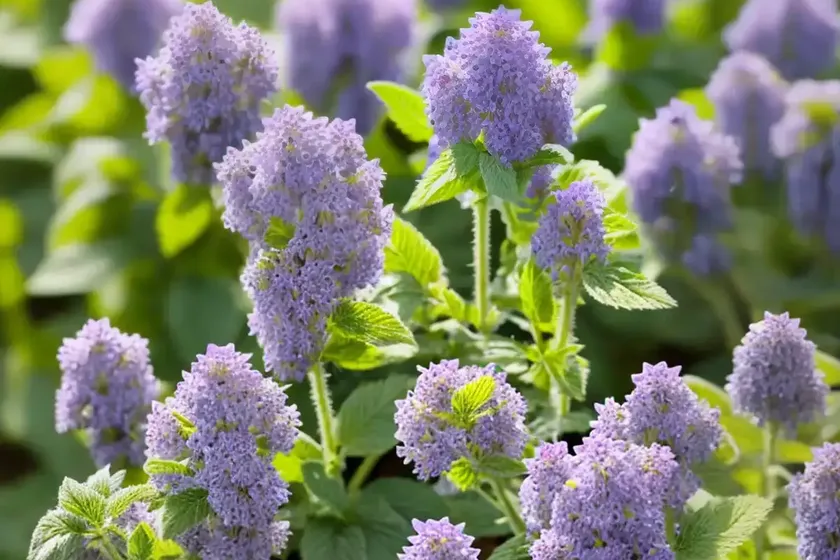
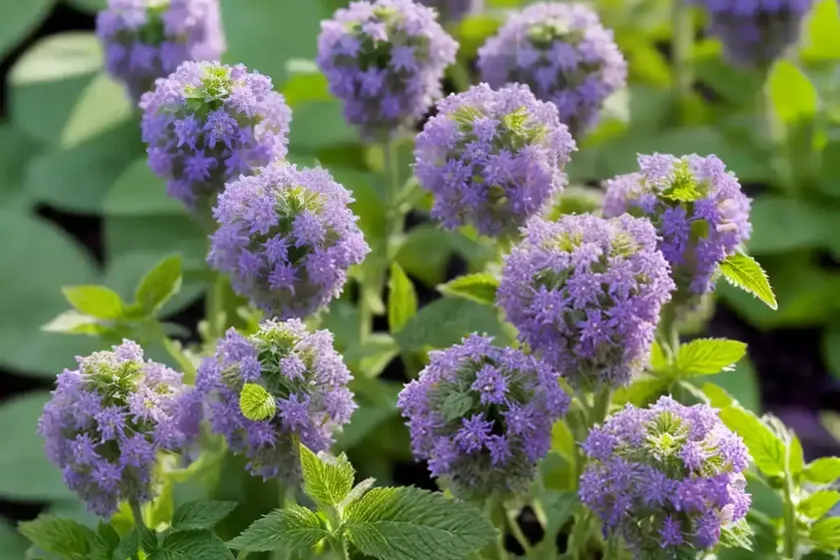
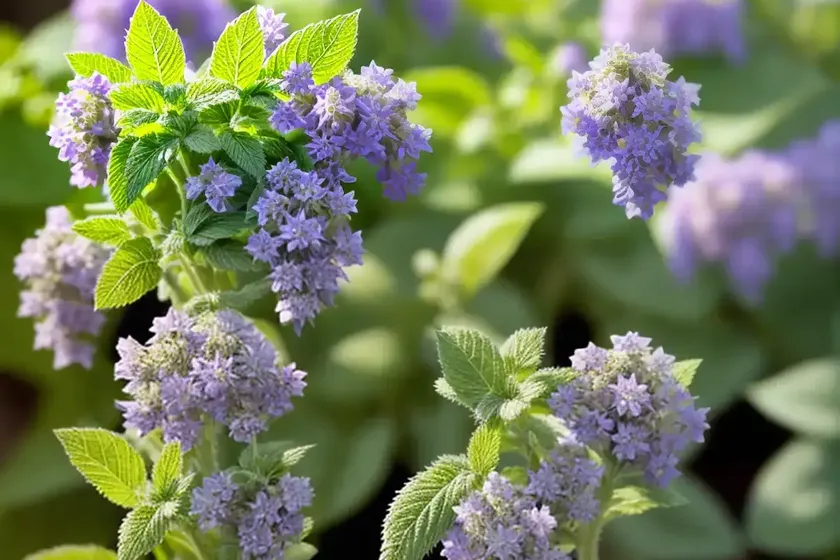
Nepeta cataria, commonly known as Catnip, is a remarkable plant that has been cultivated for centuries due to its various uses and benefits. As a plant scientist, I am thrilled to delve into the intricacies of this fascinating plant.
What is Nepeta cataria (Catnip)?
Nepeta cataria, also known as Catnip, is a perennial herb belonging to the Lamiaceae family. It is native to Europe and has naturalized in various other regions, including North America. The plant is characterized by its aromatic foliage and small, white or purple flowers, and is widely recognized for its unique effects on cats.
Key Takeaways – Nepeta cataria (Catnip)
Plant Name: Nepeta cataria (Catnip)
Common Names: Catnip, Catswort, Catmint
Family: Lamiaceae
Catnip Plant Facts
- Scientific Name: Nepeta cataria
- Native Habitat: Europe
- Common Uses: Medicinal, aromatic, ornamental
- Special Characteristics: Attracts cats due to the presence of nepetalactone
Now that we have a basic understanding of Nepeta cataria, let’s explore the various aspects of its cultivation and utilization.
Cultivation of Nepeta cataria (Catnip)
Water
Nepeta cataria thrives in well-drained soil and prefers regular watering, especially during periods of drought. However, it is essential to avoid waterlogging the soil, as excessive moisture can lead to root rot.
Sunlight
Catnip plants flourish in full sun but can also tolerate partial shade. To ensure optimal growth and essential oil production, providing at least six to eight hours of sunlight is recommended.
Fertilizer
When cultivating Nepeta cataria, it is crucial to provide balanced fertilization to support healthy growth. A general-purpose fertilizer can be applied in early spring, followed by a second application in midsummer to sustain the plant’s vigor.
Soil
Catnip thrives in well-drained, moderately fertile soil with a slightly alkaline to neutral pH. A sandy loam or loamy soil type is ideal for cultivating this herb.
Care Guide for Nepeta cataria (Catnip)
Caring for Nepeta cataria involves several key aspects to ensure its health and vitality. Here are the essential care tips for cultivating Catnip:
-
Pruning: Regular pruning helps maintain the plant’s shape and encourages bushier growth. It is advisable to remove spent flowers to promote continuous blooming.
-
Propagation: Nepeta cataria can be propagated through seeds, division, or stem cuttings. Each method has its specific requirements, and proper techniques should be employed for successful propagation.
-
Container Cultivation: Catnip can be grown in containers, making it an excellent choice for urban or limited gardening spaces. Choosing a well-draining potting mix and providing adequate sunlight are crucial for container cultivation.
Uses of Nepeta cataria (Catnip)
Medicinal Properties
Nepeta cataria has a long history of medicinal use for various ailments. The herb is renowned for its calming and soothing properties, and it is often used to alleviate stress, anxiety, and sleep disturbances.
Aromatherapy
Catnip essential oil is extracted from the plant and is utilized in aromatherapy. The oil is valued for its relaxing and mood-enhancing effects, making it a popular choice in spa treatments and holistic therapies.
Pet Enrichment
Catnip is famed for its ability to attract and stimulate cats. When introduced to cats, it elicits a range of behaviors, including rolling, kneading, and playful activities. Many pet owners use catnip to provide environmental enrichment for their feline companions.
Culinary Uses
In addition to its medicinal and aromatic properties, Nepeta cataria is used in culinary applications. The leaves of the plant can be employed to infuse teas, flavor foods, or garnish dishes, adding a subtle minty and herbaceous note.
Catnip Oil Extraction
The extraction of catnip essential oil is a meticulous process that involves steam distillation of the plant’s aerial parts. The resulting oil is highly prized for its therapeutic qualities and is utilized in various personal care and wellness products.
Medicinal Properties of Nepeta cataria (Catnip)
Stress and Anxiety Relief
Catnip is revered for its potential to alleviate stress and anxiety in humans. The herb’s calming effects have been recognized in traditional medicine and natural health practices.
Sleep and Relaxation
Nepetalactone, the active compound in catnip, is believed to have sedative properties that can promote relaxation and improve sleep quality. Catnip tea, in particular, is cherished for its calming effects.
Respiratory Health
In herbal medicine, Nepeta cataria has been used to support respiratory wellness. The herb is regarded for its potential to ease coughs, congestion, and other respiratory discomforts.
Catnip for Cats
Behavioral Stimulation
When exposed to catnip, many cats exhibit playful and euphoric behaviors. The herb can be used to encourage activity and mental stimulation in feline companions.
Enrichment and Stress Reduction
Catnip is often employed to relieve stress in cats and enhance their environmental enrichment. It can be particularly beneficial in multi-cat households or during periods of change or transition.
Safe Usage
While catnip is generally safe for cats and is not addictive or harmful, it is recommended to administer it in moderation to prevent overstimulation.
Catnip Effects on Humans
Relaxation and Mood Elevation
In humans, catnip is valued for its calming and mood-enhancing effects. It is often consumed in the form of herbal tea to promote relaxation and emotional well-being.
Herbal Remedies
Catnip has been integrated into various herbal remedies to address conditions such as insomnia, anxiety, and digestive discomfort. It is regarded as a gentle, natural alternative for promoting holistic wellness.
Catnip Varieties
Cultivated Varieties
There are numerous cultivated varieties of Nepeta cataria, each possessing unique growth habits and ornamental features. From dwarf forms to variegated cultivars, catnip offers a diverse array of options for gardeners and enthusiasts.
Ornamental Appeal
Certain catnip varieties are grown for their ornamental value, featuring attractive foliage and abundant blooms that add charm to gardens and landscapes.
Catnip Plant Care Tips
Pruning Tips
Regular pruning not only maintains the plant’s shape but also encourages new growth and prolongs the flowering period. Pruning spent blooms and leggy stems promotes a tidy and healthy appearance.
Soil and Watering
Catnip thrives in well-drained soil and benefits from consistent moisture. It is crucial to avoid overwatering, as excessively soggy conditions can compromise the plant’s health.
Catnip Plant Uses in Aromatherapy
Relaxing Effects
Catnip essential oil is treasured in aromatherapy for its relaxing and stress-relieving properties. When diffused or applied topically, it can create a calming atmosphere and promote emotional well-being.
Sleep Support
The aromatic qualities of catnip oil make it a valuable aid for promoting restful sleep. Its gentle sedative effects can help alleviate insomnia and induce relaxation.
Catnip Plant Benefits for Sleep
Natural Sleep Aid
Catnip is recognized for its potential to support healthy sleep patterns. By promoting relaxation and reducing anxiety, it can aid individuals in achieving restful and rejuvenating sleep.
Mild Sedative Properties
The sedative properties of catnip make it an excellent natural remedy for addressing sleep disturbances and promoting nighttime relaxation.
Catnip for Relaxation
Stress Reduction
Catnip has been utilized for centuries as a natural stress-reliever. Its calming effects can help alleviate tension and promote a sense of relaxation.
Nervous System Support
The gentle influence of catnip on the nervous system can provide a soothing and tranquilizing effect, aiding in overall relaxation and well-being.
Catnip Tea Benefits
Soothing Beverage
Catnip tea is celebrated for its mild and pleasant flavor, making it a popular choice for relaxation and unwinding.
Digestive Comfort
In addition to its calming properties, catnip tea can aid in soothing digestive discomforts and promoting gastrointestinal wellness.
Catnip Essential Oil Uses
Aromatherapy Applications
Catnip essential oil is widely employed in aromatherapy to encourage relaxation, reduce stress, and create a tranquil ambiance.
Topical Relief
The application of catnip oil to the skin can provide localized relief, particularly for muscle tension, soreness, and minor discomforts.
Catnip and Insect-Repelling Properties
Natural Insect Repellent
Catnip is known to possess insect-repelling qualities. The scent of the plant and its essential oil can deter various insects, making it a valuable natural solution for pest control.
Environmental Protection
By utilizing catnip as a natural insect repellent, individuals can reduce their reliance on synthetic pesticides and contribute to a healthier and more sustainable environment.
Catnip Plant Cultivation
Adaptability
Nepeta cataria is a resilient and adaptable plant that can thrive in diverse growing conditions, making it suitable for a broad range of environments.
Low Maintenance
Catnip is relatively low-maintenance and can flourish with minimal intervention, making it an excellent choice for both novice and experienced gardeners.
Nepeta cataria Nutritional Value
While catnip is primarily valued for its aromatic and medicinal properties, the plant also possesses certain nutritional components that contribute to its overall wellness benefits.
Catnip Plant in Herbal Medicine
Nepeta cataria has been integrated into traditional herbal medicine systems for generations, where it has been utilized to address a wide spectrum of health concerns and promote holistic well-being.
Catnip as a Natural Remedy
Holistic Health Aid
Catnip is celebrated as a gentle and natural remedy that can be utilized to support overall health and wellness, particularly in promoting relaxation and stress relief.
Herbal Tradition
The use of catnip as a natural remedy is deeply rooted in herbal traditions, where it has been revered for its multifaceted therapeutic properties.
Catnip for Anxiety Relief
Calming Influence
Catnip is esteemed for its potential to soothe anxiety and promote a sense of tranquility. Its calming effects can be beneficial for individuals experiencing stress and nervousness.
Relaxation Support
By incorporating catnip into their wellness regimen, individuals can access a natural and gentle approach to relaxation and anxiety relief.
Catnip and Its Effects on Behavior
Human Behavior
Catnip is known for its ability to positively influence human behavior, promoting relaxation and a serene state of mind.
Cat Behavior
In felines, catnip elicits distinctive behaviors that promote activity, mental stimulation, and contentment, making it a valuable aid for enriching their daily routines.
Catnip Plant Gardening Tips
Soil Preference
Selecting well-drained soil with sufficient organic matter is essential for the successful cultivation of catnip. The plant thrives in soil that provides adequate drainage and aeration.
Sunlight Requirements
Providing ample sunlight is crucial for catnip’s growth and essential oil production. Positioning the plant in a location that receives at least six to eight hours of sunlight daily is recommended.
Nepeta cataria for Respiratory Health
Traditional Use
Nepeta cataria has a historical association with respiratory support, where it has been employed to ease coughs, congestion, and promote overall respiratory wellness.
Herbal Formulations
Catnip has been incorporated into herbal formulations aimed at addressing respiratory discomfort and promoting clear breathing.
Catnip Plant Symbolism
Historical Significance
Catnip has held symbolic significance in various cultures throughout history, often representing attributes such as contentment, joy, and vitality.
Cultural Representations
In folklore and cultural traditions, catnip has been associated with traits that evoke harmony, serenity, and positive energy.
Catnip Plant and Its Culinary Uses
Flavorful Herb
Nepeta cataria’s aromatic leaves and subtle minty flavor make it a delightful addition to culinary creations, ranging from teas and infusions to savory dishes and desserts.
Edible Displays
Catnip can be used as a decorative and flavorful garnish, adding a hint of freshness and herbal fragrance to culinary presentations.
Catnip Plant and Mental Health
Emotional Well-Being
Catnip’s gentle influence on emotional well-being makes it a valuable ally in fostering mental harmony and promoting a positive mindset.
Stress Management
Catnip is recognized for its potential to aid individuals in managing stress and tension, offering a natural and mild approach to emotional equilibrium.
Catnip for Digestive Health
Soothing Qualities
Catnip possesses soothing properties that can benefit digestive comfort and ease occasional gastrointestinal discomforts.
Herbal Infusions
Catnip tea can serve as a comforting and gentle support for overall digestive wellness, offering a mild and pleasant option for addressing digestive concerns.
Catnip Tea Recipe
Preparation
To prepare catnip tea, steep a teaspoon of dried catnip leaves in hot water for approximately 5-10 minutes, depending on desired strength. Strain and enjoy the soothing infusion.
Flavor Profile
Catnip tea offers a delicate, minty flavor with subtle herbal notes, creating a soothing and enjoyable beverage.
Catnip Plant and Its Anti-Inflammatory Properties
Natural Support
Catnip’s anti-inflammatory properties can be beneficial for promoting overall wellness, particularly in addressing mild discomfort and inflammatory responses.
Herbal Therapies
Nepeta cataria has been integrated into herbal remedies focused on reducing inflammation and supporting the body’s natural healing mechanisms.
Catnip Plant and Its Effect on the Nervous System
Relaxing Influence
The gentle impact of catnip on the nervous system can promote relaxation and tranquility, making it a valuable ally for supporting emotional well-being.
Holistic Well-Being
By incorporating catnip into their wellness routines, individuals can access a natural and gentle approach to supporting the nervous system’s health and function.
Catnip Plant and Its Role in Traditional Medicine
Historical Significance
Catnip has a rich history in traditional medicine, where it has been esteemed for its diverse therapeutic applications and beneficial properties.
Folk Remedies
From ancient herbalists to indigenous healers, catnip has been integrated into traditional medicine systems to address a broad range of health concerns.
Catnip Plant for Stress Relief
Calming Effects
Catnip is cherished for its calming and stress-relieving effects, offering a gentle option for managing tension and promoting relaxation.
Emotional Balance
Incorporating catnip into one’s wellness practices can assist in fostering emotional equilibrium and resilience in the face of stress and pressures.
Catnip Plant and Its Effect on Skin Health
Topical Comfort
Catnip oil is employed in topical applications to provide comfort and support for the skin, particularly in addressing mild irritations and promoting overall skin wellness.
Herbal Formulations
Catnip’s skin-soothing attributes have led to its inclusion in various herbal formulations designed to nurture and maintain skin health.
Catnip Plant and Its Impact on Emotions
Emotional Support
Catnip’s calming and mood-enhancing effects can offer gentle support for emotional well-being, aiding individuals in navigating daily stress and cultivating positive emotions.
Relaxation Aid
By promoting relaxation and tranquility, catnip contributes to creating a serene and uplifting emotional atmosphere.
Catnip Plant as a Natural Sedative
Relaxing Influence
The sedative properties of catnip make it an excellent natural sedative, gently encouraging relaxation and promoting restfulness.
Sleep Support
Catnip’s sedative effects can aid in promoting restful and rejuvenating sleep, contributing to overall sleep quality and well-being.
Catnip Plant Folklore
Historical Narratives
Throughout history, catnip has been woven into folklore and narratives, often associated with tales of joy, contentment, and enchantment.
Cultural Legends
In various cultural traditions, catnip has held symbolic significance and has been associated with positive attributes and qualities.
Catnip Plant History and Origins
Ancient Roots
The historical origins of catnip date back to ancient civilizations, where the herb was valued for its aromatic, medicinal, and spiritual attributes.
Cultural Evolution
Over time, catnip’s significance and applications have evolved, leading to its integration into various cultural practices and wellness traditions.
Catnip Plant and Its Uses in Pet Toys
Feline Enrichment
Catnip is often incorporated into pet toys to provide stimulation and entertainment for cats, invoking playful behaviors and mental engagement.
Environmental Enrichment
By introducing catnip-infused toys, pet owners can enhance their cats’ environmental enrichment and create engaging and enjoyable experiences for them.
Catnip Plant and Its Effect on the Immune System
Wellness Support
Catnip’s potential immune-supportive properties can contribute to maintaining overall health and resilience, supporting the body’s natural defense mechanisms.
Herbal Assistance
In herbal wellness practices, catnip is revered for its potential to support immune function and foster holistic well-being.
Catnip Plant and Its Benefits for Respiratory Problems in Pets
Respiratory Aid
Catnip has been employed as a supportive aid for addressing mild respiratory discomforts in pets, creating a soothing and comforting influence.
Natural Comfort
By integrating catnip into their pets’ wellness routines, owners can provide a natural and gentle option for promoting respiratory wellness.
Catnip Plant Varieties and Their Characteristics
Cultivated Selections
A variety of cultivated catnip varieties are available, each possessing distinct characteristics such as growth habits, foliage variegation, and flowering patterns.
Ornamental Appeal
Certain catnip varieties are grown for their ornamental value, featuring unique visual attributes and charming blooms.
Catnip Plant and Its Effect on Inflammation in Pets
Comfort Aid
Catnip has been observed to offer soothing qualities for pets experiencing mild inflammatory responses, providing natural and gentle relief.
Holistic Support
Incorporating catnip into pets’ wellness regimens can contribute to holistic health support, including addressing mild discomforts and promoting overall well-being.
Catnip Plant and Its Benefits for Senior Cats
Senior Comfort
Catnip’s calming and stimulating effects can be particularly beneficial for senior cats, offering mental stimulation and comfort in their later years.
Enriched Environment
By introducing catnip to senior cats, owners can provide enriching and enjoyable experiences to support their pets’ emotional well-being.
Catnip Plant and Its Use in Herbal Remedies for Pets
Natural Wellness
Catnip has been integrated into herbal remedies for pets, offering gentle and natural support for various health concerns and promoting overall wellness.
Gentle Aid
Catnip provides a gentle and soothing option for addressing pets’ wellness needs, allowing for a holistic and balanced approach to pet care.
Catnip Plant and Its Impact on Cat Behavior
Feline Stimulation
Catnip is known to evoke playful and euphoric behaviors in cats, promoting mental stimulation, activity, and overall contentment.
Emotional Support
By stimulating positive behaviors, catnip contributes to creating a harmonious and enriched emotional environment for cats.
Catnip Plant and Its Effects on Sleep Quality in Pets
Restful Influence
Catnip’s calming properties can contribute to promoting restful sleep and improving overall sleep quality in pets.
Environmental Well-Being
By integrating catnip into pets’ environments, owners can foster serene and comforting atmospheres conducive to peaceful rest.
Catnip Plant and Its Potential as an Insect Repellent for Pets
Environmental Defense
Catnip can serve as a natural insect repellent, providing pets with a protective and comforting influence against various pests.
Natural Control
By harnessing catnip’s insect-repelling qualities


