Nepeta Grandiflora ‘Dawn To Dusk’ (Catmint)
Nepeta grandiflora ‘Dawn to Dusk’, commonly known as Catmint, is a popular perennial plant that has been cherished for its ornamental and medicinal.
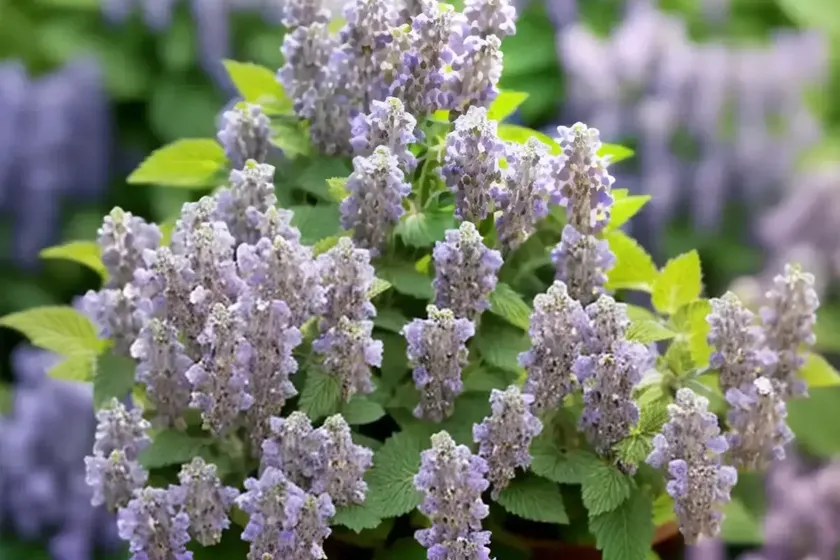
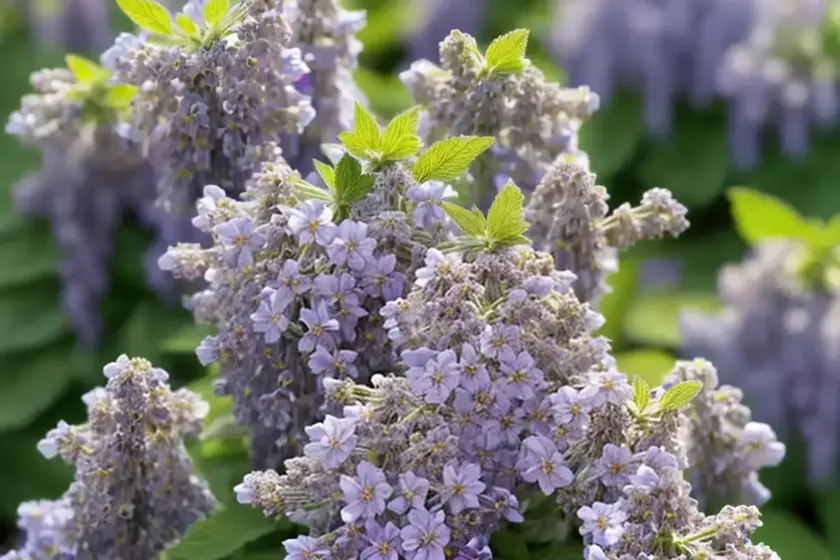
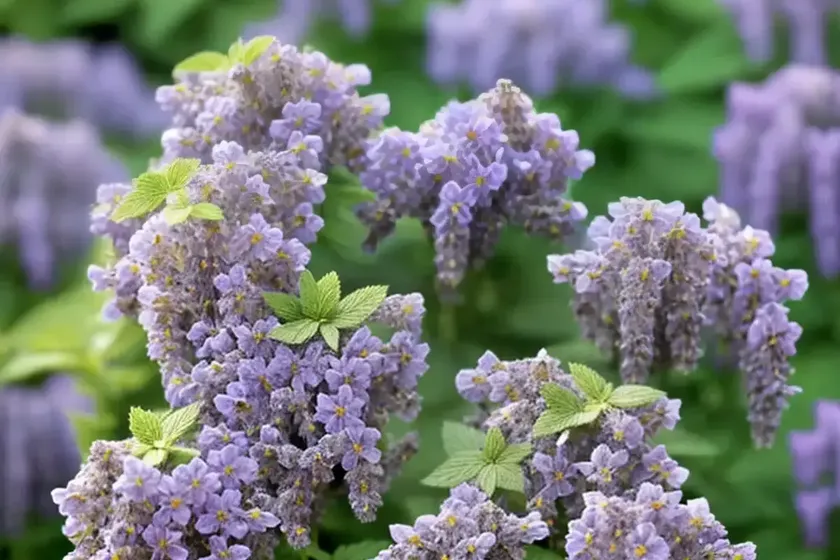
Nepeta grandiflora ‘Dawn to Dusk’, commonly known as Catmint, is a popular perennial plant that has been cherished for its ornamental and medicinal properties for centuries. This versatile plant is a reliable choice for gardens and landscapes, offering an array of benefits and ease of care. In this guide, we will delve into the key aspects of this enchanting plant, from its cultural requirements to its propagation, uses, and maintenance.
What is Nepeta grandiflora ‘Dawn to Dusk’ (Catmint)?
Nepeta grandiflora ‘Dawn to Dusk’ is a member of the Lamiaceae family, which encompasses a diverse group of flowering plants commonly known as the mint family. This particular variety of Catmint is prized for its delicate, aromatic foliage and profusion of stunning flowers, making it a favorite among gardeners and landscapers alike.
Key Takeaways – Nepeta grandiflora ‘Dawn to Dusk’ (Catmint)
Before delving into the specific aspects of Nepeta grandiflora ‘Dawn to Dusk’, let’s explore some key takeaways about this splendid plant:
- Botanical Name: Nepeta grandiflora ‘Dawn to Dusk’
- Common Name: Catmint
- Family: Lamiaceae
- Plant Type: Perennial
- Uses: Ornamental, Medicinal
- Watering: Moderate
- Sunlight: Full sun to partial shade
- Soil Type: Well-draining, loamy soil
- Hardiness Zones: 3 – 8
- Height: 18 – 24 inches
- Spread: 18 – 24 inches
- Growth Habits: Clump-forming
- Flower Color: Lavender-blue
- Foliage: Aromatic, gray-green
- Attracts: Pollinators, Cats
Now that we have an overview of the key aspects of Nepeta grandiflora ‘Dawn to Dusk’, let’s dive into the specific cultural requirements and characteristics of this captivating plant.
Culture
Water
Nepeta grandiflora ‘Dawn to Dusk’ thrives in moderately moist soil, but it is essential to avoid overwatering, as this can lead to root rot and other issues. In general, it is beneficial to water the plant deeply once a week, particularly during dry spells or in regions with hot summers. During periods of rainfall, it is advisable to monitor the soil moisture and adjust the watering frequency accordingly.
Sunlight
This delightful Catmint variety flourishes in full sun to partial shade, making it a versatile choice for various garden settings. Providing ample sunlight is crucial for promoting abundant blooming and robust growth. In regions with intensely hot summers, some afternoon shade can be beneficial, especially to prevent the foliage from scorching.
Fertilizer
When it comes to fertilization, Nepeta grandiflora ‘Dawn to Dusk’ is not particularly demanding. A balanced, slow-release fertilizer applied in early spring can provide the necessary nutrients for healthy growth and prolific flowering. It is advisable to follow the manufacturer’s recommendations regarding the application rate, ensuring that the fertilizer is evenly distributed around the plant’s root zone.
Soil
As with many perennial plants, soil quality plays a pivotal role in the overall health and vigor of Nepeta grandiflora ‘Dawn to Dusk’. Well-draining, loamy soil enriched with organic matter is ideally suited for this species. It is essential to avoid waterlogged conditions, as this can lead to root issues and compromise the plant’s vitality. Additionally, a slightly alkaline to neutral pH is preferred, contributing to optimal nutrient uptake and overall well-being.
Pruning
Pruning is an essential aspect of maintaining the attractiveness and vigor of Nepeta grandiflora ‘Dawn to Dusk’. Regular deadheading, which involves removing spent flowers, not only encourages continuous blooming but also prevents the plant from self-seeding excessively. Additionally, a light shearing after the initial flowering period can promote a flush of new growth and potentially stimulate a second wave of blooming. If the plant becomes leggy or unruly, a substantial trim in late summer can rejuvenate its appearance and encourage a compact, tidy form.
Propagation
The propagation of Nepeta grandiflora ‘Dawn to Dusk’ can be achieved through various methods, providing an opportunity to expand your plant collection or share this lovely species with fellow gardening enthusiasts. Here are some common propagation techniques for Catmint:
-
Division: Dividing mature clumps in early spring or early fall allows you to create new plants while rejuvenating the existing ones. Carefully lift the plant and use a sharp tool to separate the root ball into several sections, ensuring that each division has sufficient roots and healthy shoots.
-
Softwood Cuttings: In late spring or early summer, take 4-6 inch cuttings from the tips of healthy, non-flowering stems. Remove the lower leaves, dip the cut ends in rooting hormone, and plant the cuttings in well-draining, moist potting mix. Provide warmth and humidity to facilitate root development.
-
Seed Propagation: Collecting and sowing ripe Catmint seeds in a prepared seedbed or containers in the fall can yield new plants in the following spring. Keep the soil consistently moist, and provide the seeds with a period of cold stratification to enhance germination.
By employing these propagation methods, you can create a flourishing collection of Nepeta grandiflora ‘Dawn to Dusk’ while enjoying the process of nurturing new plants from the parent specimens.
Container Popularity
Nepeta grandiflora ‘Dawn to Dusk’ exhibits excellent adaptability to container cultivation, making it an attractive choice for those with limited garden space or a penchant for container gardening. This versatile plant can thrive in various types of containers, from traditional terracotta pots to decorative planters, adding a touch of elegance and charm to patios, balconies, and other outdoor spaces. The compact growth habit and alluring blooms of ‘Dawn to Dusk’ Catmint make it particularly well-suited for container displays, providing an opportunity to savor its beauty up close and experiment with creative arrangements.
Container Common Diseases
While Catmint is generally robust and disease-resistant, container cultivation can present unique challenges that may predispose the plants to certain issues. Some common diseases that can affect Nepeta grandiflora ‘Dawn to Dusk’ in containers include:
-
Root Rot: Overly moist or poorly drained soil within the container can lead to root rot, manifesting as wilting, yellowing foliage and overall decline. To prevent this, ensure that the container has adequate drainage holes and use a well-draining potting mix tailored for perennial plants.
-
Powdery Mildew: In settings with poor air circulation or high humidity, powdery mildew, characterized by a white, powdery coating on the leaves, can occur. Selecting a suitable location for the containers, providing ample spacing between plants, and avoiding overhead watering can help mitigate this issue.
-
Botrytis Blight: This fungal disease thrives in damp, cool conditions and can lead to grayish mold on the foliage and stems. Maintaining proper air circulation and avoiding overhead watering can reduce the risk of Botrytis blight in container-grown Catmint.
By implementing appropriate cultural practices and vigilantly monitoring the plants, you can minimize the occurrence of these diseases and ensure the health and vitality of Nepeta grandiflora ‘Dawn to Dusk’ in containers.
Disease Diagnosis
Diagnosing diseases in plants is a crucial skill for gardeners and plant enthusiasts, as it allows for timely intervention and the implementation of effective management strategies. When it comes to Nepeta grandiflora ‘Dawn to Dusk’ (Catmint), being familiar with common diseases and their symptoms equips you to address potential issues proactively. Here are some key disease symptoms to watch for:
-
Leaf Spot: Circular, brown or black spots on the leaves, often with a yellow halo, may indicate the presence of leaf spot diseases. Fungal or bacterial pathogens can cause this issue, and it is essential to promptly remove and dispose of affected foliage to prevent the spread of the disease.
-
Crown Rot: Soft, discolored areas at the base of the plant, accompanied by wilting and decline, can signify crown rot, a condition often caused by fungal pathogens in poorly drained or waterlogged soil. Adjusting the watering practices and ensuring proper soil drainage can help mitigate this issue.
-
Stem Cankers: Sunken, discolored areas on the stems, often accompanied by dieback and wilting, can indicate the presence of stem cankers. Pruning out the affected stems and maintaining optimal growing conditions can aid in managing this problem.
By staying attentive to the visual cues and changes in the plant’s appearance, you can swiftly identify and address potential diseases, safeguarding the health and vigor of Nepeta grandiflora ‘Dawn to Dusk’ in your garden or landscape.
Common Pests
While Nepeta grandiflora ‘Dawn to Dusk’ is relatively resistant to many pests, certain insects may occasionally target this alluring perennial. Familiarizing yourself with common pests and their management strategies empowers you to protect your Catmint from potential infestations. Here are some pests that may affect Nepeta grandiflora ‘Dawn to Dusk’:
-
Aphids: These small, soft-bodied insects may congregate on the tender new growth of Catmint, sucking sap from the plant and potentially causing distortion and yellowing of the foliage. Rinsing the plant with a strong jet of water or using insecticidal soap can help control aphid populations.
-
Spider Mites: These tiny arachnids may infest the undersides of the leaves, causing stippling, webbing, and overall decline of the plant. Regularly spraying the foliage with water and employing insecticidal sprays specific to mites can aid in managing spider mite infestations.
-
Whiteflies: These tiny, moth-like insects may swarm around the plant and feed on the sap, leading to weakened growth and the potential spread of viral diseases. Using yellow sticky traps and applying insecticidal oils or soaps can help deter and reduce whitefly populations.
By conducting regular inspections and implementing appropriate pest management tactics, you can safeguard the beauty and health of Nepeta grandiflora ‘Dawn to Dusk’ from potential pest pressures.
Botanist’s Tips
Drawing upon the expertise of botanists and horticulturists can significantly enhance your success and satisfaction in growing Nepeta grandiflora ‘Dawn to Dusk’. Here are some valuable tips from experts in the field:
-
Selecting the Right Location: When planting Catmint, carefully choose a site with well-draining soil and ample sunlight, as these factors are key to promoting robust growth and an abundant display of flowers.
-
Pruning for Rejuvenation: Consistent deadheading and occasional shearing can stimulate new growth and prolong the flowering period of Nepeta grandiflora ‘Dawn to Dusk’, contributing to a lush, attractive appearance.
-
Attracting Pollinators: Catmint is a favorite among pollinators, particularly bees and butterflies. By incorporating this plant into your landscape, you can create a vibrant, pollinator-friendly environment while supporting these valuable creatures.
-
Balancing Watering Practices: Striking a balance in watering Catmint is crucial, as the plant prefers moderately moist soil but is susceptible to issues if overwatered. Regularly assess the soil moisture and adjust the watering frequency based on the prevailing conditions.
By integrating these insights into your cultivation practices, you can elevate the performance and visual appeal of Nepeta grandiflora ‘Dawn to Dusk’ in your garden or landscape.
Fun Facts
Uncovering intriguing and captivating facts about plants adds an extra layer of appreciation for their beauty and significance. Here are some fun and delightful facts about Nepeta grandiflora ‘Dawn to Dusk’ (Catmint):
-
Aromatic Delight: The foliage of Catmint emits a pleasant, aromatic fragrance when brushed or crushed, adding a sensory dimension to its allure.
-
Cat Attraction: True to its name, Catmint has a profound allure for many feline companions, who often display playful and affectionate behavior when exposed to the plant.
-
Medicinal Uses: Throughout history, Catmint has been utilized for its medicinal properties, with applications ranging from soothing teas to herbal remedies for various ailments.
-
Natural Insect Repellent: The aromatic compounds in Catmint foliage have been found to exhibit natural insect-repelling properties, serving as a beneficial companion plant in gardens and landscapes.
By indulging in these delightful snippets of information, you can deepen your connection to the enchanting world of Nepeta grandiflora ‘Dawn to Dusk’ and its multifaceted attributes.
Links to External Resources
For further information, inspiration, and resources related to Nepeta grandiflora ‘Dawn to Dusk’ (Catmint), consider exploring the following links:
- The Royal Horticultural Society (RHS) – Nepeta grandiflora
- Missouri Botanical Garden – Nepeta grandiflora
- University of Wisconsin-Madison Extension – Catmint in Wisconsin
- North Carolina State University Extension – Growing Catmint
These reputable sources offer valuable insights, guidance, and a wealth of knowledge to support your journey in cultivating and appreciating the captivating beauty of Nepeta grandiflora ‘Dawn to Dusk’.
In conclusion, Nepeta grandiflora ‘Dawn to Dusk’ (Catmint) stands as an enchanting and versatile perennial plant, captivating hearts with its aromatic foliage, captivating flowers, and an array of ornamental and medicinal attributes. Whether adorning garden borders, embellishing containers, or contributing to pollinator-friendly landscapes, this delightful species brings joy and beauty to diverse settings. By understanding its cultural requirements, leveraging expert tips, and savoring its charming qualities, you can cultivate a thriving and alluring display of Nepeta grandiflora ‘Dawn to Dusk’ in your own corner of the natural world.
With its enticing fragrance, pollinator appeal, and charming demeanor, Nepeta grandiflora ‘Dawn to Dusk’ cultivates an enduring allure that continues to enchant and inspire plant enthusiasts and nature lovers alike. Whether you are a seasoned gardener or an aspiring horticulturist, the journey of welcoming Catmint into your landscape is a rewarding and delightful endeavor, teeming with moments of admiration and discovery.


