Narcissus ‘Romance’ (Large-Cupped Daffodil): A Romantic Addition to Your Garden
As a plant scientist, I am thrilled to discuss the enchanting Narcissus ‘Romance’ or Large-Cupped Daffodil. This stunning perennial is beloved for its captivating blooms, making it a favorite for gardeners looking to add a touch of romance to their outdoor spaces. In this comprehensive guide, we will explore the key aspects of cultivating and caring for Narcissus ‘Romance’. We will delve into its cultural preferences, uses, maintenance, and so much more. By the end of this article, you will have a deep understanding of this delightful daffodil variety and be fully equipped to grow and enjoy its beauty in your own garden.
What is Narcissus ‘Romance’ (Large-Cupped Daffodil)?
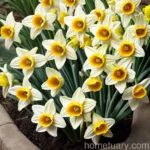
Narcissus ‘Romance’, also known as the Large-Cupped Daffodil, is a visually captivating flowering plant that belongs to the Amaryllidaceae family. This particular variety is renowned for its romantic and elegant appeal, making it a cherished addition to gardens and landscapes worldwide. The Large-Cupped Daffodil is famed for its showy flowers, which feature an iconic trumpet-shaped or corona center surrounded by six petals. The blooms of Narcissus ‘Romance’ are predominantly in shades of white, cream, and yellow, evoking a sense of purity and charm.
Key Takeaways – Narcissus ‘Romance’ (Large-Cupped Daffodil)
Before delving deeper into the intricacies of caring for Narcissus ‘Romance’, let’s review some key takeaways about this alluring daffodil variety:
- Plant Name: Narcissus ‘Romance’ (Large-Cupped Daffodil)
- Scientific Name: Narcissus sp.
- Common Names: Romance Daffodil, Large-Cupped Narcissus
- Family: Amaryllidaceae
- Bloom Time: Spring
- Hardiness Zones: 3 to 9
- Height: 14-16 inches (35-40 cm)
- Spread: 4-6 inches (10-15 cm)
- Exposure: Full sun to partial shade
- Watering: Average water needs
- Soil: Well-draining, fertile soil
- Uses: Borders, containers, cut flowers
Now that we have a clear overview of Narcissus ‘Romance’, let’s delve into the intricate details of its culture, maintenance, uses, and more.
Culture
Cultivating Narcissus ‘Romance’ involves understanding and providing for its specific cultural requirements. From the type of soil it thrives in to its preferred sunlight exposure, mastering the cultural aspects is crucial for ensuring the healthy growth and prolific blooming of this delightful daffodil variety.
Water
Narcissus ‘Romance’ prefers soil that is moist but well-drained. Proper watering is essential, particularly during its active growth and blooming periods. The soil should be kept evenly moist, but not waterlogged, to prevent issues such as root rot. An average moisture level is ideal for the well-being of the Large-Cupped Daffodil.
Sunlight
In terms of sunlight, Narcissus ‘Romance’ flourishes in locations with full sunlight to partial shade. It is essential to provide ample light to support robust flower production while also ensuring that the daffodil is not subject to harsh, intense sunlight. A balance of sunlight exposure is crucial for the overall health and vigor of this charming plant.
Fertilizer
Fertilizing Narcissus ‘Romance’ is key to supporting its growth and blooming potential. A balanced, all-purpose fertilizer can be applied in early spring as new growth emerges. Additionally, a top dressing of compost can contribute to the soil’s fertility and enhance the daffodil’s performance throughout the growing season. It is crucial to monitor the fertilizer application to prevent excessive nutrient buildup in the soil, which can be detrimental to the health of the plant.
Soil
The soil requirements for Narcissus ‘Romance’ revolve around well-draining, fertile soil. A loamy soil type is ideal for promoting healthy root development and overall vitality. Furthermore, ensuring that the soil is rich in organic matter can significantly benefit the daffodil’s growth and resilience. Prior to planting, amending the soil with organic compost or well-decomposed manure can create an optimal growing environment for Narcissus ‘Romance’.
Pruning
Pruning plays a significant role in the maintenance of Narcissus ‘Romance’. After flowering, the spent blooms should be removed to prevent the plant from expending unnecessary energy on seed production. Pruning also entails the removal of any withered or yellowing foliage, which helps channel the plant’s resources towards nourishing the bulbs for the following season. It is important to allow the foliage to senesce naturally, as this process enables the bulbs to store up energy for the next blooming cycle.
Propagation
The propagation of Narcissus ‘Romance’ can be achieved through various methods, including division and seed propagation. Dividing established clumps of daffodils can help rejuvenate overcrowded plantings and promote better blooming. Seed propagation, while possible, may take several years for the resulting seedlings to reach blooming maturity. It is essential to note that propagation through seed requires patience and careful nurturing of the young plants.
Container Popularity
Narcissus ‘Romance’ is well-suited for container gardening, adding a delightful touch of springtime charm to balconies, patios, or any outdoor living space. Its compact size and stunning flowers make it an excellent choice for container cultivation, allowing gardening enthusiasts to enjoy the beauty of this daffodil even in limited spaces.
Container Uses
When grown in containers, Narcissus ‘Romance’ can serve as a focal point in flower arrangements and outdoor decor. Its elegant blooms bring a sense of romance and sophistication to container gardens, whether planted alone or in combination with other spring-blooming companions. However, it is essential to ensure that the containers provide adequate drainage and sufficient room for the daffodil bulbs to grow and thrive.
Common Diseases
While Narcissus ‘Romance’ is generally resilient, it can be susceptible to certain diseases and issues that can impact its vigor and blooming performance. Understanding the common diseases and their diagnosis is crucial for implementing effective management strategies.
Disease Diagnosis
Some of the common diseases that may affect Narcissus ‘Romance’ include:
-
Basal Rot: This fungal disease can cause the base of the bulbs to rot, resulting in stunted growth and reduced flowering. Affected bulbs may exhibit a soft, water-soaked appearance at their base.
-
Narcissus Bulb Fly: The larvae of this pest can infest daffodil bulbs, leading to rot and decline. Signs of infestation include wilted foliage and tunneling in the bulb tissue.
-
Yellow Streak Virus: This viral disease can cause yellow streaking or mottling on the foliage of Narcissus ‘Romance’, leading to weakened plants and diminished vigor. Infected bulbs may produce distorted or stunted growth.
-
Fungal Leaf Blight: Characterized by the appearance of brown lesions on the foliage, fungal leaf blight can diminish the aesthetic appeal and overall health of the daffodil. Overcrowded plantings and excessive moisture can exacerbate this issue.
Common Pests
In addition to diseases, Narcissus ‘Romance’ can be susceptible to certain pests that may pose a threat to its well-being. Identifying and understanding these common pests is crucial for implementing targeted pest control measures.
Pest Identification
Some of the common pests that may affect Narcissus ‘Romance’ include:
-
Aphids: These small, sap-sucking insects can congregate on the foliage and stems of the daffodil, potentially causing distortion and yellowing of the affected plant parts.
-
Thrips: Thrips are tiny insects that can feed on daffodil foliage, leading to stippling and discoloration of the leaves. Severe infestations can compromise the overall health of the plant.
-
Narcissus Bulb Mites: These microscopic pests can infest daffodil bulbs, leading to decay and reduced bulb viability. Infested bulbs may exhibit signs of desiccation and damage.
Botanist’s Tips
As a plant scientist with a penchant for Narcissus ‘Romance’, I have a few invaluable tips to share for ensuring the successful cultivation and care of this beloved daffodil variety. These tips encompass various aspects, from planting and maintenance to pest and disease management.
-
Planting Depth: When planting Narcissus ‘Romance’ bulbs, ensure that they are positioned at a depth approximately three times the size of the bulb. Proper planting depth is crucial for supporting healthy root development and stability.
-
Mulching: Applying a layer of organic mulch around Narcissus ‘Romance’ can help conserve soil moisture, suppress weed growth, and provide insulation to the bulbs during temperature fluctuations.
-
Companion Planting: Consider companion planting with other spring-flowering bulbs or perennial plants to create visually stunning combinations and attract beneficial pollinators.
-
Integrated Pest Management (IPM): Implement an integrated pest management approach to address pest issues, utilizing methods such as biological control, cultural practices, and targeted pesticide application when necessary.
-
Bulb Maintenance: After the foliage has senesced naturally, consider marking the location of Narcissus ‘Romance’ bulbs to facilitate their care and avoid accidental disturbance during other gardening activities.
Fun Facts
Before wrapping up our exploration of Narcissus ‘Romance’, let’s indulge in some delightful and intriguing fun facts about this charming daffodil variety:
-
The genus name “Narcissus” is derived from Greek mythology and references the renowned youth Narcissus, known for falling in love with his own reflection.
-
Daffodils, including the Large-Cupped Daffodil, are associated with the arrival of spring and the celebration of new beginnings, making them cherished symbols of hope and rejuvenation.
-
Narcissus ‘Romance’ is prized for its enchanting fragrance, which adds an extra dimension of allure to its delightful flowers.
Links to External Resources
For further insights and valuable information on Narcissus ‘Romance’ (Large-Cupped Daffodil) and related topics, I recommend exploring the following trusted resources:
- Royal Horticultural Society (RHS) – Narcissus Care Guide
- American Daffodil Society – Cultivation and Care of Daffodils
- University of Florida IFAS Extension – Diseases of Narcissus
- North Carolina State University Extension – Common Problems of Daffodils
By exploring these resources, you can gain further insights into the care, cultivation, and appreciation of Narcissus ‘Romance’ and other daffodil varieties, enriching your journey as a passionate gardener and plant enthusiast.
In conclusion, Narcissus ‘Romance’ (Large-Cupped Daffodil) stands as a captivating and beloved addition to gardens, heralding the arrival of spring with its romantic and alluring blooms. Understanding its cultural preferences, uses, and maintenance requirements provides the foundation for fostering the healthy growth and abundant flowering of this charming daffodil variety. Whether planted in borders, containers, or floral arrangements, Narcissus ‘Romance’ contributes a touch of elegance and romance to any outdoor setting, captivating the hearts of all who behold its timeless beauty.
As you embark on your journey with Narcissus ‘Romance’, may you find joy and inspiration in the splendor of its blossoms, celebrating the enduring allure of this classic springtime flower.

Remember, as the flowers of Narcissus ‘Romance’ herald the arrival of spring, they also remind us of the eternal charm and romance found in the natural world—an enchanting gift that continues to captivate and inspire us all.
Happy gardening, and may your days be filled with the romance and beauty of Narcissus ‘Romance’!
NLP Keywords: Narcissus Romance, Romance daffodil, Large-cupped daffodil, Romantic flowers, Narcissus Romance variety, Daffodil bulbs, Spring blooming flowers, Narcissus plant care, Narcissus Romance characteristics, Romantic garden plants, Narcissus Romance cultivation, Large-cupped daffodil varieties, Romantic flower arrangements, Narcissus Romance growing tips, Daffodil flower symbolism, Planting Narcissus Romance bulbs, Narcissus Romance in bloom, Narcissus plant family, Romantic spring garden, Large-cupped daffodil species, Fragrant daffodil flowers, Narcissus Romance garden design, Narcissus Romance container gardening, Narcissus Romance landscape ideas, Romantic plants for borders, Narcissus Romance seasonal display, Large-cupped daffodil care tips, Narcissus Romance flowering period, Narcissus Romance garden maintenance, Romantic flower color combinations, Growing Narcissus Romance indoors, Narcissus Romance naturalizing, Daffodil gardening techniques, Narcissus Romance plant diseases, Romantic flower meanings, Narcissus Romance garden inspiration, Large-cupped daffodil planting guide, Narcissus Romance companion plants, Narcissus Romance landscaping trends, Narcissus plant propagation methods, Romantic flower bouquets, Narcissus Romance pollination process, Narcissus Romance in floral arrangements, Pruning Narcissus Romance plants, Romantic flower garden ideas, Narcissus Romance pests and control, Narcissus Romance water requirements, Large-cupped daffodil garden layout, Narcissus Romance benefits for bees, Romantic flower photography tips