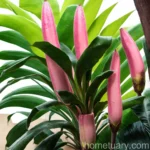
Musa coccinea (Scarlet Banana): A Comprehensive Plant Care Guide
Musa coccinea, commonly known as Scarlet Banana, is a delightful tropical plant that belongs to the Musaceae family. This charming and vibrant species is native to Southeast Asia and the Pacific Islands. Its lush foliage, stunning red flowers, and ornamental fruits make it a popular choice for both indoor and outdoor cultivation. In this exhaustive plant care guide, we will delve into the various facets of nurturing and appreciating the beauty of Musa coccinea. From cultivation and propagation to its uses and ecological significance, we will explore every aspect of Scarlet Banana to help you unlock its full potential.
What is Musa coccinea (Scarlet Banana)?
Musa coccinea is a herbaceous flowering plant that is characterized by its large, paddle-shaped leaves and pendulous clusters of brightly colored scarlet flowers. The plant typically reaches a height of 6 to 10 feet, making it an ideal choice for adding a tropical touch to gardens, patios, and indoor spaces. The Scarlet Banana plant is known for its striking visual appeal and has garnered attention from plant enthusiasts and horticulturists alike.
Key Takeaways – Musa coccinea (Scarlet Banana)
Before diving into the specifics of caring for Musa coccinea, let’s take a moment to highlight the key takeaways. Understanding these fundamental elements will set the stage for successfully nurturing Scarlet Banana plants.
- Scientific Name: Musa coccinea
- Common Name: Scarlet Banana
- Family: Musaceae
- Height: 6 to 10 feet
- Native Region: Southeast Asia, Pacific Islands
- Features: Large, paddle-shaped leaves, pendulous clusters of scarlet flowers, ornamental fruits
- Uses: Ornamental purposes, landscaping, indoor decoration
Now that we have a foundational understanding of Musa coccinea, let’s explore the factors that contribute to its optimal growth and well-being.
Culture
Understanding the cultural requirements of Musa coccinea is crucial to ensuring its vitality and visual appeal. The plant’s cultural needs encompass various aspects, including water, sunlight, fertilizer, soil, and pruning. By addressing each of these facets with care and attention, you can create an environment where Scarlet Bananas thrive and flourish.
Uses
Musa coccinea is primarily cultivated for ornamental purposes due to its vibrant foliage and striking scarlet flowers. It is often utilized in landscaping to add a tropical ambiance to outdoor spaces. Additionally, Scarlet Banana plants can be grown indoors to bring a touch of the tropics into homes, offices, and commercial spaces. The ornamental fruits of Musa coccinea further enhance its visual appeal, making it a popular choice for decorative purposes.
Water
Proper watering is essential for the health of Musa coccinea. While the plant thrives in moist soil, it is crucial to avoid overwatering, as excessive moisture can lead to root rot. Regular monitoring of the soil’s moisture level and adjusting the watering frequency according to environmental conditions is vital for maintaining the plant’s well-being.
Sunlight
Musa coccinea exhibits a preference for bright, indirect sunlight. While it can tolerate some degree of shade, providing ample light is crucial for the plant’s growth and flowering. When grown indoors, placing Scarlet Banana plants near south or west-facing windows can help ensure they receive sufficient sunlight.
Fertilizer
Fertilizing Musa coccinea is essential for promoting healthy growth and vibrant foliage. A balanced, water-soluble fertilizer formulated for tropical plants can be applied during the growing season to provide the necessary nutrients. It is advisable to follow the manufacturer’s recommendations for dilution and application frequency to prevent over-fertilization.
Soil
Scarlet Banana plants thrive in well-draining, fertile, and slightly acidic soil. A high-quality potting mix formulated for tropical plants can provide the ideal growing medium for Musa coccinea. Additionally, incorporating organic matter into the soil can enhance its fertility and texture, creating a nurturing environment for the plant’s root system.
Pruning
Periodic pruning is beneficial for maintaining the health and aesthetics of Musa coccinea. Removal of dead or damaged leaves and spent flowers can promote new growth and prevent the spread of diseases. Additionally, pruning can help manage the plant’s size and shape, ensuring a neat and appealing appearance.
Propagation
Propagation of Musa coccinea can be achieved through methods such as division of rhizomes, offsets, or using seeds. Each propagation method offers unique advantages and challenges, and selecting the most suitable approach based on the plant’s growth stage and environmental conditions is essential for successful propagation.
Container Popularity
Musa coccinea is a popular choice for container gardening, owing to its manageable size and ornamental qualities. Growing Scarlet Banana plants in containers allows for flexibility in placement and facilitates indoor cultivation in regions with colder climates. Selecting a well-draining and appropriately sized container is essential for the plant’s overall health and growth.
Container Common Diseases
When grown in containers, Musa coccinea may be susceptible to certain diseases and issues that are associated with container gardening. Understanding these common diseases and adopting preventive measures can help maintain the plant’s vitality and prevent the onset of problems.
Disease Diagnosis
Early diagnosis of diseases is crucial for implementing timely remedies and preventing the spread of infections. Recognizing the signs and symptoms of common diseases that affect Musa coccinea can guide effective treatment strategies and safeguard the plant’s well-being.
Common Pests
Pests pose a potential threat to the health of Musa coccinea, and identifying the common pests that affect the plant is essential for implementing targeted pest control measures.
Botanist’s Tips
Insights from botanists and horticultural experts can offer valuable guidance for nurturing and appreciating the beauty of Musa coccinea. Incorporating botanist’s tips into your plant care routine can enhance the vitality and visual appeal of Scarlet Banana plants.
Fun Facts
Exploring the unique characteristics and cultural significance of Musa coccinea through fun facts can deepen your appreciation for this captivating plant species.
Musa coccinea (Scarlet Banana) Plant Care Guidelines
Caring for Musa coccinea entails thoughtful attention to its specific needs and nuances. By following comprehensive plant care guidelines, you can cultivate Scarlet Banana plants that exhibit robust growth, vibrant foliage, and striking scarlet flowers. Here, we will delve into the detailed care requirements for Musa coccinea, encompassing aspects such as watering, sunlight, soil preferences, and propagation methods.
Musa coccinea Plant Care Guidelines
-
Musa coccinea Plant Care: Understanding the fundamental care requirements of Musa coccinea is essential for cultivating healthy and vibrant Scarlet Banana plants. By addressing aspects such as watering, sunlight, soil preferences, and propagation methods, you can create an optimal environment for the plant’s growth and well-being.
-
Scarlet Banana Plant Facts: Delving into the unique characteristics and attributes of Scarlet Banana plants through a compilation of intriguing facts can offer valuable insights into the plant’s natural history and cultural significance.
-
How to Grow Musa coccinea: Understanding the nuances of growing Musa coccinea is essential for creating an environment where the plant thrives and flourishes. By incorporating tailored care practices and following specific guidelines, you can foster robust growth and vibrant foliage in Scarlet Banana plants.
-
Scarlet Banana Plant Varieties: Exploring the range of Scarlet Banana plant varieties and cultivars can broaden your understanding of the diverse characteristics and visual appeal of Musa coccinea. By delving into the unique traits of different varieties, you can select the most suitable options for your gardening or landscaping projects.
-
Musa coccinea Propagation Methods: Exploring the various propagation methods for Musa coccinea, including division of rhizomes, offsets, and seed propagation, can guide your approach to expanding your collection of Scarlet Banana plants. Understanding the advantages and considerations associated with each propagation method is essential for successful propagation.
-
Scarlet Banana Plant Watering Tips: Tailoring your watering routine to meet the specific needs of Musa coccinea is crucial for maintaining the plant’s well-being and preventing issues such as overwatering or underwatering. By implementing effective watering tips, you can create an optimal moisture balance for Scarlet Banana plants.
-
Musa coccinea Sunlight Requirements: Proper provision of sunlight is essential for the growth and flowering of Musa coccinea. Understanding the plant’s sunlight requirements and selecting suitable placement for optimal light exposure is crucial for promoting healthy growth and vibrant foliage.
-
Scarlet Banana Plant Diseases: Recognizing the common diseases that affect Musa coccinea and understanding the symptoms and treatment strategies is essential for safeguarding the plant’s well-being. By addressing diseases proactively, you can prevent the spread of infections and maintain the vitality of Scarlet Banana plants.
-
Musa coccinea Pests and Remedies: Identifying the common pests that affect Scarlet Banana plants and implementing targeted pest control measures is essential for preventing damage and maintaining the plant’s health. By incorporating effective pest remedies, you can create an environment where Musa coccinea thrives free from pest infestations.
-
Scarlet Banana Plant Pruning Techniques: Periodic pruning is beneficial for managing the size, shape, and health of Musa coccinea. Understanding the specific pruning techniques and adopting appropriate practices can help promote new growth and prevent the accumulation of dead or damaged foliage.
-
Musa coccinea Soil Preferences: Providing an optimal growing medium for Musa coccinea is essential for supporting the plant’s root system and overall health. Understanding the soil preferences of Scarlet Banana plants and selecting a suitable potting mix can create a nurturing environment for robust growth and vibrant foliage.
-
Scarlet Banana Plant Fertilizer Needs: A balanced fertilization routine is essential for providing the necessary nutrients to Musa coccinea. By understanding the plant’s fertilizer needs and adhering to appropriate application practices, you can promote healthy growth and striking flowering in Scarlet Banana plants.
-
Musa coccinea Companion Plants: Exploring the range of companion plants that complement the visual appeal and cultural requirements of Musa coccinea can offer valuable insights into creating harmonious plant arrangements and landscaping designs. By selecting compatible companion plants, you can enhance the ornamental value of Scarlet Banana in outdoor and indoor settings.
-
Scarlet Banana Plant Indoor Cultivation: Understanding the specific considerations and care practices for growing Musa coccinea indoors can guide your approach to creating a flourishing indoor garden. By addressing factors such as light, humidity, and space requirements, you can cultivate vibrant Scarlet Banana plants as part of your indoor décor.
-
Musa coccinea Outdoor Planting Tips: Tailoring your outdoor planting strategy to meet the specific needs of Musa coccinea is essential for creating a thriving outdoor garden or landscape. By considering factors such as sunlight exposure, soil preparation, and climate considerations, you can foster robust growth and striking flowering in outdoor Scarlet Banana plants.
-
Scarlet Banana Plant Potting Guide: Selecting and preparing suitable pots for growing Musa coccinea is crucial for optimizing the plant’s growth and well-being in container gardens. By following a comprehensive potting guide, you can create an ideal environment for Scarlet Banana plants in containers.
-
Musa coccinea Winter Care: Addressing the specific winter care needs of Musa coccinea is essential for safeguarding the plant during colder months. By implementing protective measures and adjusting care practices based on seasonal changes, you can ensure the vitality and health of Scarlet Banana plants throughout the winter season.
-
Scarlet Banana Plant Decorative Uses: Exploring the diverse ways in which Scarlet Banana plants can be utilized for decorative purposes can inspire creative applications in interior design, landscaping, and special events. By harnessing the ornamental value of Musa coccinea, you can enhance visual appeal and create immersive plant displays.
-
Musa coccinea Medicinal Properties: Delving into the potential medicinal properties of Musa coccinea and exploring traditional uses in folk medicine can offer intriguing insights into the plant’s cultural significance and historical relevance. Understanding the medicinal properties of Scarlet Banana plants can deepen your appreciation for this captivating species.
-
Scarlet Banana Plant in Landscaping: Incorporating Musa coccinea into landscaping designs can add a tropical touch and vibrant color to outdoor spaces. By harnessing the ornamental value of Scarlet Banana plants, you can create captivating and visually appealing landscapes that showcase the unique attributes of this tropical species.
-
Musa coccinea Leaf Patterns: Exploring the diverse leaf patterns and variegations displayed by Musa coccinea can offer captivating visual experiences and insights into the plant’s natural diversity. By appreciating the unique leaf patterns of Scarlet Banana plants, you can deepen your connection to their botanical beauty.
-
Scarlet Banana Plant Temperature Tolerance: Understanding the temperature tolerance of Musa coccinea is essential for selecting suitable growing locations and providing optimal climate conditions. By considering the plant’s temperature preferences, you can create environments where Scarlet Banana plants thrive and flourish.
-
Musa coccinea Wildlife Benefits: Exploring the ecological benefits of Musa coccinea for wildlife, including pollinators and local fauna, can offer valuable insights into the plant’s role in supporting biodiversity and natural ecosystems. By recognizing the wildlife benefits of Scarlet Banana plants, you can appreciate their ecological significance.
-
Scarlet Banana Plant Container Gardening: Harnessing the potential of Scarlet Banana plants for container gardening can offer flexibility in cultivating tropical species in diverse settings. By understanding the specific considerations and care practices for container gardening, you can create vibrant plant displays with Musa coccinea.
-
Musa coccinea Biodiversity Importance: Recognizing the biodiversity importance of Musa coccinea and its ecological contributions can deepen your appreciation for the plant’s role in supporting diverse ecosystems. By understanding the biodiversity importance of Scarlet Banana plants, you can advocate for their conservation and sustainable cultivation.
-
Scarlet Banana Plant Natural Habitat: Exploring the natural habitat and geographical distribution of Musa coccinea can offer insights into the plant’s evolutionary history and environmental adaptations. By understanding the natural habitat of Scarlet Banana, you can gain a deeper understanding of its ecological context.
-
Musa coccinea Plant Size and Growth Rate: Understanding the typical size and growth rate of Musa coccinea is essential for planning and designing garden landscapes. By considering the plant’s growth characteristics, you can create well-balanced and visually appealing plant arrangements with Scarlet Banana as a focal point.
-
Scarlet Banana Plant Flowering Season: Exploring the flowering season and bloom characteristics of Musa coccinea can offer captivating insights into the plant’s annual cycle and ornamental value. By appreciating the flowering season of Scarlet Banana plants, you can anticipate and celebrate their striking floral displays.
-
Musa coccinea Edible Fruit Details: Delving into the unique traits and culinary potential of the edible fruits produced by Musa coccinea can offer intriguing insights into the plant’s cultural significance and culinary heritage. By exploring the edible fruit details of Scarlet Banana, you can discover the diverse uses and flavors associated with its fruits.
-
Scarlet Banana Plant Cultural Significance: Understanding the cultural significance and symbolism of Musa coccinea in diverse cultures and traditions can offer valuable insights into the plant’s historical relevance and enduring appeal. By exploring the cultural significance of Scarlet Banana plants, you can gain a deeper appreciation for their multifaceted significance.
-
Musa coccinea Traditional Uses: Exploring the traditional uses and folklore associated with Musa coccinea in different cultural contexts can offer captivating insights into the plant’s historical and ethnobotanical significance. By delving into the traditional uses of Scarlet Banana, you can uncover its diverse roles in local customs and beliefs.
-
Scarlet Banana Plant Common Problems: Recognizing the common problems and challenges associated with growing Musa coccinea can guide proactive strategies for addressing issues and safeguarding the plant’s health. By understanding the common problems of Scarlet Banana plants, you can implement effective remedies and preventive measures.
-
Musa coccinea Leaf Color Variations: Exploring the diverse leaf color variations and variegations displayed by Musa coccinea can offer captivating visual experiences and insights into the plant’s natural diversity. By appreciating the unique leaf color variations of Scarlet Banana plants, you can enhance the visual appeal of your plant collection.
-
Scarlet Banana Plant Summer Care: Tailoring your care routine to meet the specific needs of Musa coccinea during the summer season is essential for maintaining the plant’s vitality and health. By implementing summer care practices, you can create an optimal environment for Scarlet Banana plants to thrive during the warmer months.
-
Musa coccinea Drought Tolerance: Understanding the drought tolerance and water requirements of Musa coccinea is essential for creating resilient and water-efficient landscapes. By considering the plant’s drought tolerance, you can select suitable growing locations and implement water conservation strategies for Scarlet Banana plants.
-
Scarlet Banana Plant Propagation Tips: Exploring effective propagation tips and techniques for Musa coccinea can guide your approach to expanding your plant collection and sharing the beauty of Scarlet Banana with others. By incorporating successful propagation tips, you can propagate vibrant and healthy offspring from existing plants.
-
Musa coccinea Benefits in Home Gardens: Recognizing the benefits of incorporating Musa coccinea in home gardens and landscapes can inspire creative design and cultivation strategies. By understanding the versatile uses and aesthetic contributions of Scarlet Banana plants, you can enhance the visual appeal and ecological value of your home garden.
-
Scarlet Banana Plant Pruning Frequency: Tailoring your pruning frequency to meet the specific needs of Musa coccinea is essential for maintaining the plant’s health and visual appeal. By implementing a consistent pruning schedule, you can manage the size and shape of Scarlet Banana plants while promoting new growth and flowering.
-
Musa coccinea Leaf Texture: Exploring the diverse leaf textures and tactile qualities displayed by Musa coccinea can offer engaging sensory experiences and insights into the plant’s natural diversity. By appreciating the unique leaf textures of Scarlet Banana plants, you can add tactile interest to your plant collection.
-
Scarlet Banana Plant Water Requirements: Tailoring your watering routine to meet the specific needs of Musa coccinea is essential for maintaining the plant’s well-being and promoting healthy growth. By implementing effective watering practices, you can create an optimal moisture balance for thriving Scarlet Banana plants.
-
Musa coccinea Light Preferences: Understanding the light preferences and optimal light exposure for Musa coccinea is essential for promoting healthy growth and vibrant foliage. By providing suitable light conditions, you can create an environment where Scarlet Banana plants thrive and flourish.
-
Scarlet Banana Plant Container Size Recommendations: Selecting appropriate container sizes for growing Musa coccinea is crucial for providing ample space for the plant’s root system and accommodating its growth. By following container size recommendations, you can create an ideal environment for Scarlet Banana plants in containers.
-
Musa coccinea Leaf Shape: Exploring the diverse leaf shapes and structural characteristics displayed by Musa coccinea can offer captivating visual experiences and insights into the plant’s natural diversity. By appreciating the unique leaf shapes of Scarlet Banana plants, you can enrich the visual diversity of your plant collection.
-
Scarlet Banana Plant Humidity Needs: Understanding the humidity preferences and requirements of Musa coccinea is essential for creating a nurturing environment that supports the plant’s growth and well-being. By addressing humidity needs, you can optimize the growing conditions for healthy and vibrant