Musa Velutina (Pink Banana)
Musa velutina, commonly known as the Pink Banana, is an exquisite and tropical plant that has become increasingly popular among plant enthusiasts. This.
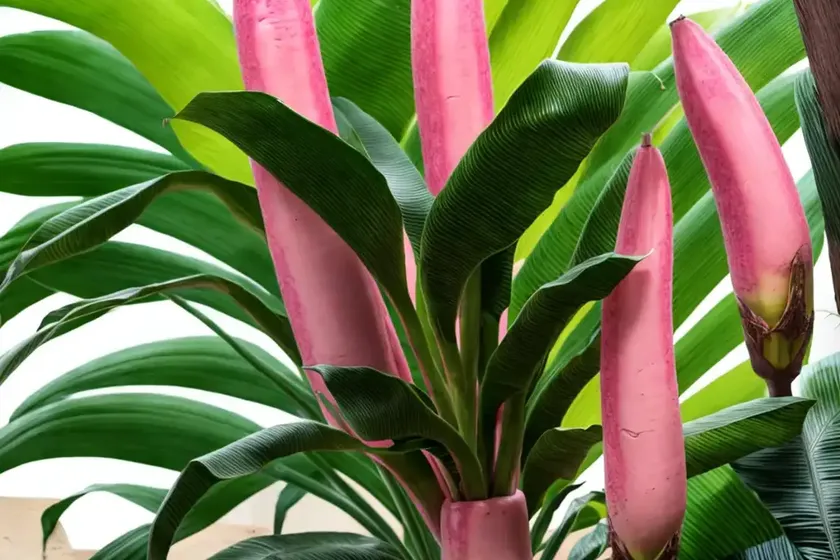
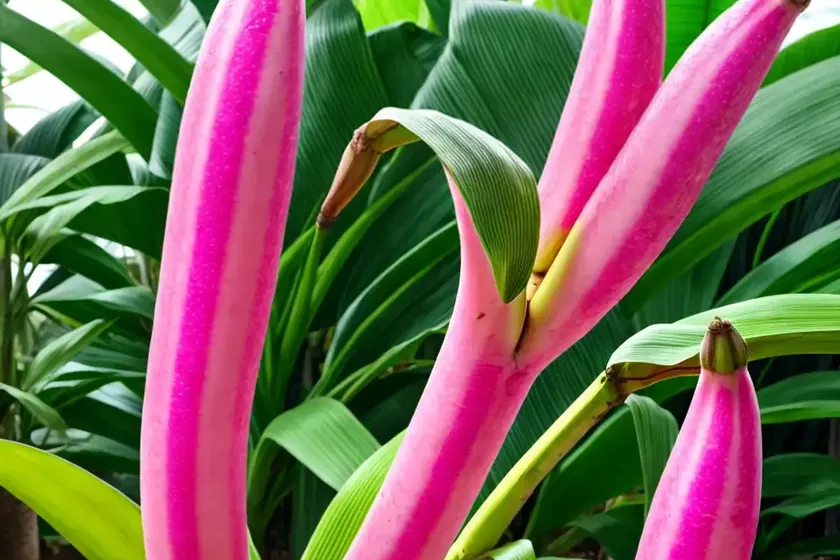
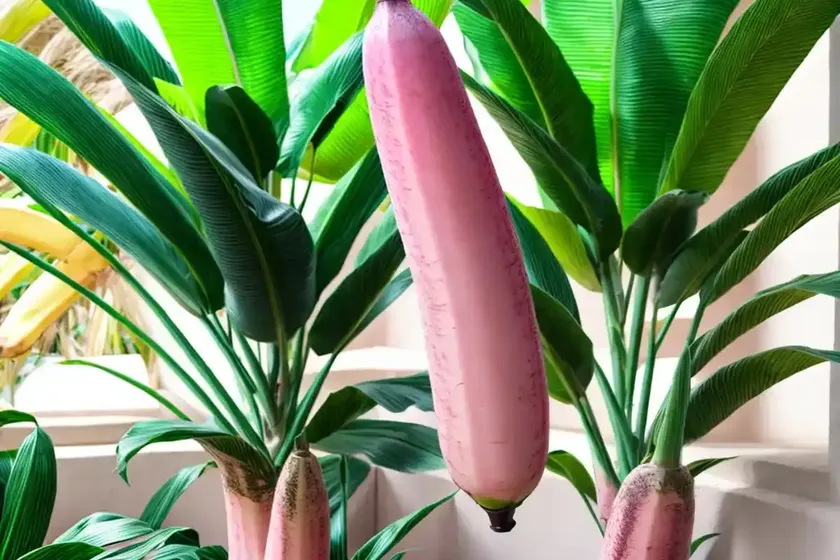
Musa velutina, commonly known as the Pink Banana, is an exquisite and tropical plant that has become increasingly popular among plant enthusiasts. This delightful plant has unique features that set it apart, making it an attractive addition to indoor and outdoor spaces. From its vibrant pink fruits to its lush foliage, Musa velutina brings a touch of exotic charm to any setting. In this extensive guide, we will explore the fascinating world of Musa velutina, covering its culture, care, uses, propagation, diseases, and much more.
What is Musa velutina?
Musa velutina belongs to the Musaceae family and is native to the eastern Himalayas, where it thrives in warm, tropical climates. This stunning plant is characterized by its lush green foliage, which offers a striking contrast to its vivid pink fruits. The Pink Banana is a herbaceous perennial that can reach impressive heights, making it a captivating feature in gardens, landscapes, and indoor spaces.
Key Takeaways – Musa velutina (Pink Banana)
Before we delve into the detailed aspects of Musa velutina care and cultivation, let’s highlight some key takeaways that will provide a comprehensive overview of this captivating plant.
- Plant Name: Musa velutina (Pink Banana)
- Common Name: Pink Banana
- Family: Musaceae
- Native Habitat: Eastern Himalayas
- Growth Form: Herbaceous perennial
- Notable Features: Vibrant pink fruits, lush foliage
- Cultural Uses: Ornamental, edibility
- Preferred Growing Conditions: Warm, tropical climates
- Propagation Methods: Rhizome division, seeds
With these key takeaways in mind, let’s explore the various aspects of cultivating and caring for Musa velutina in more detail.
Culture
Understanding the cultural requirements of Musa velutina is essential for ensuring its optimal growth and vitality. From its preferred watering schedule to its soil preferences, the cultural aspects play a crucial role in the overall health of the Pink Banana plant.
Uses
Musa velutina is primarily valued for its ornamental appeal, making it a delightful addition to gardens, landscapes, and indoor spaces. Additionally, the plant bears edible fruits, adding a unique culinary aspect to its uses.
Water
The Pink Banana plant thrives in moist, well-draining soil and requires regular watering to maintain adequate moisture levels. However, it is important to avoid waterlogging, as excessively wet conditions can lead to root rot and other complications.
Sunlight
Musa velutina flourishes in bright, indirect sunlight and benefits from partial shade, especially during the hottest part of the day. Providing the plant with the right balance of light is crucial for its overall growth and fruit production.
Fertilizer
Fertilizing Musa velutina can help support its vigorous growth and blooming. A balanced, slow-release fertilizer, rich in potassium, phosphorus, and nitrogen, can provide the necessary nutrients for the plant’s development.
Soil
The Pink Banana plant thrives in well-draining, fertile soil with a slightly acidic to neutral pH. A rich, loamy substrate that retains moisture while allowing excess water to drain away is ideal for cultivating Musa velutina.
Pruning
Pruning is essential for maintaining the health and appearance of Musa velutina. Trimming off dead or damaged leaves and flowers, as well as removing suckers, can promote robust growth and prevent the plant from becoming overcrowded.
Propagation
Musa velutina can be propagated through rhizome division or from seeds. Each method offers its own unique advantages and challenges, allowing plant enthusiasts to choose the approach that best suits their skills and preferences.
Container Popularity
The Pink Banana plant is well-suited for container gardening, allowing it to thrive in various indoor and outdoor settings. Its compact growth habit and ornamental fruits make it a popular choice for container cultivation.
Container Common Diseases
When grown in containers, Musa velutina may be susceptible to specific diseases due to environmental conditions and soil moisture levels. Keeping a close eye on the plant’s health and providing appropriate care can help minimize the risk of disease.
Disease Diagnosis
Recognizing the signs of common diseases affecting Musa velutina, such as leaf spot or fungal infections, is key to implementing effective treatment and prevention strategies. Regular monitoring and prompt action can help safeguard the plant’s well-being.
Common Pests
Despite its robust nature, Musa velutina may encounter pests such as aphids, scales, or spider mites. Monitoring the plant for signs of pest infestation and using natural or targeted interventions can help maintain its health and vitality.
Botanist’s Tips
As a plant scientist, I would like to offer some valuable insights and tips for successfully cultivating and caring for Musa velutina:
- Environmental Considerations: Keeping the plant in a warm, humid environment with consistent temperatures promotes healthy growth and fruiting.
- Regular Monitoring: Observing the plant for any signs of stress, disease, or pest issues enables prompt intervention and care adjustments.
- Nutrient-Rich Soil: Using a high-quality, well-draining potting mix with adequate organic matter supports the plant’s nutrient uptake and overall well-being.
- Balanced Watering: While Musa velutina enjoys regular watering, it is crucial to avoid overwatering, as it can lead to root rot and other complications.
- Pruning Practices: Pruning dead or damaged leaves and flowers, as well as removing suckers, helps maintain a tidy appearance and encourages vigorous growth.
Fun Facts
Uncovering some fascinating and lesser-known facts about Musa velutina can enhance the appreciation for this captivating plant. Here are a few fun facts to amaze and inspire:
- The Pink Banana’s vibrant fruits are not only visually appealing but also edible, offering a unique culinary experience.
- Musa velutina is also known as the “hairy banana” due to the velvety texture of its fruit peels, adding to its charm.
- The plant’s striking blooms can attract pollinators, further contributing to its role in supporting local ecosystems.
Links to External Resources
To further enrich your knowledge and exploration of Musa velutina, here are valuable external resources and references:
- Royal Horticultural Society – Musa velutina
- Missouri Botanical Garden – Pink Banana
- University of Florida IFAS Extension – Banana Growing in the Home Landscape
In conclusion, Musa velutina, with its exotic allure and ornamental value, stands as a captivating plant worthy of attention and admiration. By understanding its cultural requirements, practicing attentive care, and leveraging the insights shared in this comprehensive guide, you can nurture a thriving Pink Banana plant that adds a touch of tropical splendor to your surroundings.
Disclaimer: The content of this blog post is for informational purposes only and does not substitute professional advice. Always consult with qualified experts for personalized plant care guidance.
As you embark on your journey with Musa velutina, may the lush foliage and delightful pink fruits of this remarkable plant bring joy and wonder to your gardening endeavors. Happy cultivating!


