Monarda Didyma ‘Purple Rooster’ (Bee Balm)
Monarda didyma ‘Purple Rooster’, also known as Bee Balm, is a stunning herbaceous perennial plant that belongs to the mint family, Lamiaceae. This cultivar.
What is Monarda didyma ‘Purple Rooster’ (Bee Balm)?
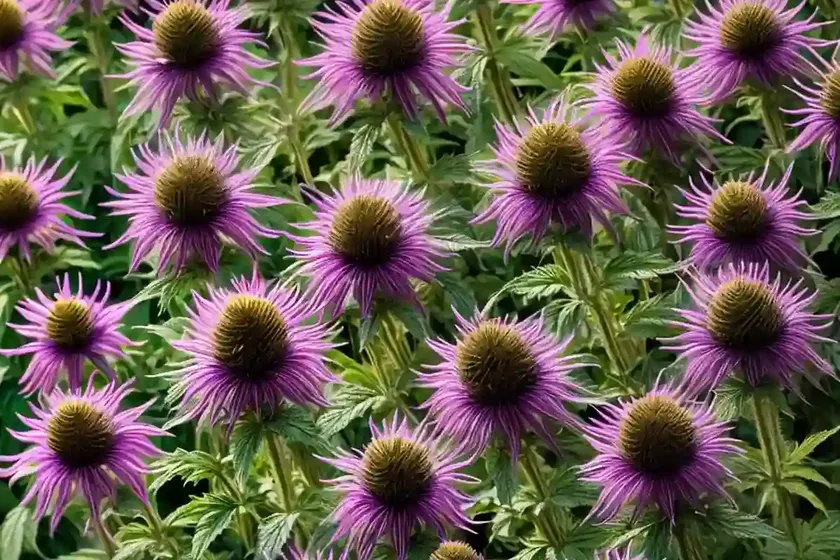
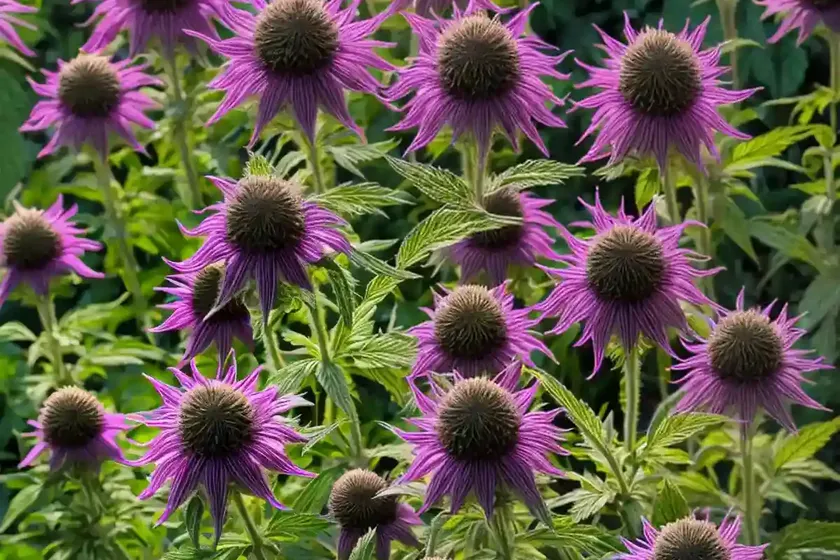
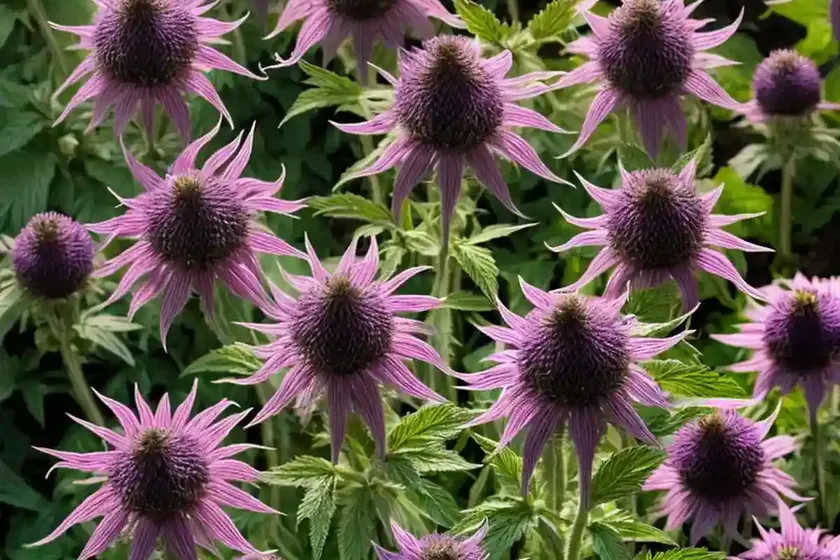
Monarda didyma ‘Purple Rooster’, also known as Bee Balm, is a stunning herbaceous perennial plant that belongs to the mint family, Lamiaceae. This cultivar is celebrated for its striking purple-pink flowers, which are highly attractive to pollinators, particularly bees and hummingbirds. The plant’s aromatic foliage and vibrant blossoms make it an excellent addition to gardens and landscapes, further enhancing its appeal.
Key Takeaways – Monarda didyma ‘Purple Rooster’ (Bee Balm)
- Common Name: Purple Rooster Bee Balm
- Botanical Name: Monarda didyma ‘Purple Rooster’
- Family: Lamiaceae
- Plant Type: Herbaceous Perennial
- Flower Color: Purple-Pink
- Attracts: Bees, Hummingbirds, and Butterflies
- Fragrance: Aromatic Foliage
- Uses: Ornamental, Culinary, Medicinal
- Hardiness Zone: 4-8
- Height: 24-36 inches
- Spread: 18-24 inches
Culture
Water
Moderate to consistent watering is essential for the optimal growth and health of Monarda didyma ‘Purple Rooster’. While this cultivar exhibits some tolerance to short periods of drought, it generally thrives in moist, well-draining soils. During hot and dry spells, regular watering is recommended to prevent the soil from drying out completely.
Aim to keep the soil consistently moist but not waterlogged, as excessive moisture can lead to root rot and other issues. To maintain the ideal moisture levels, it is beneficial to water the plant deeply and regularly, especially during periods of limited rainfall or high temperatures.
Sunlight
Monarda didyma ‘Purple Rooster’ flourishes in locations with abundant sunlight, typically requiring at least 6-8 hours of direct sunlight daily. Adequate exposure to sunlight not only promotes robust growth but also enhances the vibrancy of its flowers. Planting this cultivar in a sunny spot in the garden or landscape is crucial for achieving the best results and ensuring an abundant display of colorful blooms.
Fertilizer
When it comes to fertilization, a balanced and organic approach is often preferred for Monarda didyma ‘Purple Rooster’. Before planting, incorporating organic matter into the soil can provide essential nutrients and improve its overall quality. Furthermore, a yearly application of a balanced fertilizer in the spring, as new growth emerges, can help support the plant’s vigor and flower production.
Opt for a slow-release or granular fertilizer formulated for flowering perennials, following the manufacturer’s instructions for application rates. Additionally, supplementing with compost or organic amendments can aid in maintaining healthy soil fertility and structure, further benefiting the growth and development of this beautiful cultivar.
Soil
Monarda didyma ‘Purple Rooster’ thrives in well-draining, fertile soils with a slightly acidic to neutral pH range. The ideal soil should be rich in organic matter, providing the necessary nutrients and fostering a favorable environment for root establishment and growth. Amending the soil with compost, peat moss, or well-aged manure can enhance its texture and fertility, contributing to the overall well-being of the plant.
Furthermore, ensuring good drainage is crucial, as waterlogged soils can lead to root rot and other moisture-related issues. To improve soil drainage, consider incorporating perlite or coarse sand when preparing the planting site. By maintaining an optimal soil structure and composition, gardeners can create an ideal foundation for Monarda didyma ‘Purple Rooster’ to thrive and showcase its exceptional ornamental qualities.
Pruning
Pruning is a valuable practice for maintaining the health, appearance, and longevity of Monarda didyma ‘Purple Rooster’. While this cultivar exhibits a strong growth habit and vigorous nature, regular pruning can help control its size, promote branching, and prevent overcrowding. Additionally, removing spent flowers and dead or damaged foliage can enhance the plant’s aesthetic appeal and encourage continuous blooming.
Prune Monarda didyma ‘Purple Rooster’ by cutting back the stems to the nearest healthy set of leaves or buds. This can be done in early spring to stimulate new growth or after the flowering period to tidy up the plant. Furthermore, dividing the plant every 2-3 years can help rejuvenate its vigor and prevent overcrowding, ensuring a robust and healthy display year after year.
Propagation
Division
Monarda didyma ‘Purple Rooster’ can be propagated through division, a method that offers a reliable way to increase plant numbers and rejuvenate mature clumps. This process is typically carried out in the early spring or fall, when the plant is not in active blooming. To propagate through division:
- Prepare the Division: Dig up the mature plant, taking care to preserve the root system. Using a sharp, sterile knife, divide the root ball into smaller sections, ensuring that each division has several healthy shoots and a sufficient root system.
- Replant the Divisions: Plant the divisions in prepared soil, ensuring that they are positioned at the appropriate depth and spacing. Water the newly divided plants thoroughly to promote root establishment and reduce transplant shock.
Stem Cuttings
Another propagation method for Monarda didyma ‘Purple Rooster’ involves taking stem cuttings, a technique that enables gardeners to create new plants from existing specimens. To propagate through stem cuttings:
- Select and Prepare the Cuttings: Choose healthy, non-flowering stems and take cuttings that are 3-6 inches in length. Remove the lower leaves from the cuttings, leaving only a few leaves at the tip. Optionally, apply a rooting hormone to the cut end to promote root development.
- Plant the Cuttings: Plant the prepared cuttings in a suitable growing medium, such as a mix of perlite and peat moss, ensuring that they are inserted at the appropriate depth. Maintain consistent moisture and provide the necessary warmth and humidity to support successful rooting.
- Transplant the Rooted Cuttings: Once the cuttings have developed a sufficient root system, they can be transplanted into individual pots or directly into the garden. Carefully acclimate the young plants to their new environment, providing adequate care and attention as they establish themselves.
Container Popularity
The appeal of Monarda didyma ‘Purple Rooster’ extends to container gardening, where its vibrant flowers and aromatic foliage can brighten up patios, balconies, and other outdoor spaces. The container popularity of this cultivar is attributed to its compact growth habit, making it well-suited for cultivation in containers of various sizes. Whether grown individually or combined with other plants, Monarda didyma ‘Purple Rooster’ adds color, fragrance, and pollinator attraction to container gardens, enhancing their visual and ecological value.
Container Common Diseases
When growing Monarda didyma ‘Purple Rooster’ in containers, it is important to be mindful of potential diseases that can affect the plant. Common diseases that may impact this cultivar in container settings include:
- Powdery Mildew: Powdery mildew can manifest as a white, powdery coating on the leaves, eventually leading to leaf distortion and reduced plant vigor. Providing good air circulation, minimizing leaf wetness, and applying appropriate fungicidal treatments can help manage powdery mildew in container-grown plants.
- Root Rot: Excessive moisture in container soils can create conditions conducive to root rot, a fungal disease that affects the plant’s root system, leading to wilting, yellowing foliage, and overall decline. To prevent root rot, ensure proper drainage and avoid overwatering container-grown Monarda didyma ‘Purple Rooster’.
Disease Diagnosis
Powdery Mildew
Powdery mildew, caused by various fungal species, can affect Monarda didyma ‘Purple Rooster’ under favorable environmental conditions. Common symptoms of powdery mildew include the appearance of a white, powdery substance on the upper and lower leaf surfaces, accompanied by leaf distortion and stunted growth. To diagnose powdery mildew:
- Visual Inspection: Examine the plant for the characteristic white powdery coating on the foliage, particularly on the upper leaf surfaces. Look for signs of leaf distortion or yellowing, which are indicative of powdery mildew infection.
- Environmental Analysis: Consider environmental factors, such as humidity levels, air circulation, and plant spacing, as they can influence the development and spread of powdery mildew. Assess the growing conditions to identify potential contributors to the disease.
- Confirming Diagnosis: Upon observing the typical symptoms and considering the environmental context, confirm the presence of powdery mildew through diagnostic tests or by consulting with a plant health specialist. This can help verify the diagnosis and guide the selection of appropriate management strategies.
Root Rot
Recognizing the symptoms of root rot in Monarda didyma ‘Purple Rooster’ is crucial for timely intervention and management of the disease. Common signs of root rot may include wilting, yellowing foliage, and decline in overall plant health. To diagnose root rot:
- Assessing Soil Moisture: Evaluate the soil moisture levels in the container to determine if overwatering has contributed to the development of root rot. Excessive moisture can create an environment conducive to fungal pathogens, leading to root rot and associated symptoms.
- Root Examination: Gently inspect the plant’s root system for signs of rot, including dark, mushy roots and an unpleasant odor. Healthy roots are firm and white, whereas affected roots may appear waterlogged, discolored, or decayed.
- Professional Consultation: If root rot is suspected, seek guidance from a plant health professional or extension service to confirm the diagnosis and receive tailored recommendations for disease management and prevention.
Common Pests
Monarda didyma ‘Purple Rooster’ may encounter various pests that can affect its growth and overall vitality. Common pests to be mindful of include:
- Aphids: Aphids are small, soft-bodied insects that can congregate on the tender shoots and foliage of Monarda didyma ‘Purple Rooster’, causing leaf distortion and sap depletion. Regular monitoring and the application of insecticidal solutions can help manage aphid populations.
- Spider Mites: Spider mites are tiny arachnids that may infest the plant, causing stippling on the leaves and the formation of fine webbing. Miticides and maintaining adequate humidity levels can aid in controlling spider mite infestations.
- Thrips: Thrips are slender insects that can damage the plant by feeding on the leaves and flowers, leading to distorted growth and stippled discoloration. Employing natural predators and applying targeted insecticidal treatments can support thrips management in Monarda didyma ‘Purple Rooster’.
Botanist’s Tips
- Companion Planting: Pair Monarda didyma ‘Purple Rooster’ with complementary plants, such as Salvia, Echinacea, and Agastache, to create visually appealing and ecologically beneficial planting combinations. The strategic arrangement of plants can enhance pollinator attraction and contribute to a diverse and vibrant garden ecosystem.
- Pollinator Gardens: Harness the pollinator-attracting potential of Monarda didyma ‘Purple Rooster’ by incorporating it into pollinator-friendly garden designs. By creating habitats that cater to bees, hummingbirds, and butterflies, gardeners can support local pollinator populations and promote biodiversity.
- Herbal Uses: Explore the culinary and medicinal applications of Monarda didyma ‘Purple Rooster’, utilizing its aromatic foliage and flowers in teas, culinary dishes, and herbal remedies. The plant’s flavorful and fragrant attributes make it a valuable addition to herb gardens, offering both aesthetic and functional benefits.
Fun Facts
- Monarda didyma ‘Purple Rooster’ is named after the 16th-century Spanish botanist, Nicolás Monardes, known for his extensive writings on medicinal plants and herbs.
- Bee Balm, including the ‘Purple Rooster’ variety, is a native North American plant that has historically been utilized by Indigenous peoples for various medicinal and ceremonial purposes.
- The distinctive flowers of Monarda didyma ‘Purple Rooster’ are not only visually striking but also attract a diverse array of pollinators, contributing to the ecological richness of garden landscapes.
Links to External Resources
For additional information on Monarda didyma ‘Purple Rooster’ (Bee Balm), the following external resources can provide valuable insights and guidance:
- National Gardening Association – Monarda didyma ‘Purple Rooster’
- Royal Horticultural Society – Bee Balm
- University of Florida IFAS Extension – Bee Balm for Central Florida
- Missouri Botanical Garden – Monarda didyma ‘Purple Rooster’
- The Spruce – How to Grow Bee Balm and Attract Pollinators to Your Garden
By delving into the captivating world of Monarda didyma ‘Purple Rooster’ (Bee Balm), we embrace the multifaceted beauty and significance of this remarkable plant. Through thoughtful cultivation and appreciation, we can savor its vibrant blooms, aromatic allure, and ecological contributions, perpetuating its legacy as a cherished garden gem.


