Musa Acuminata ‘Zebrina’ (Stripe-Leaved Banana)
As a plant scientist deeply interested in the growth and behavior of various plant species, I find Musa acuminata ‘Zebrina’ (Stripe-Leaved Banana) to be an.
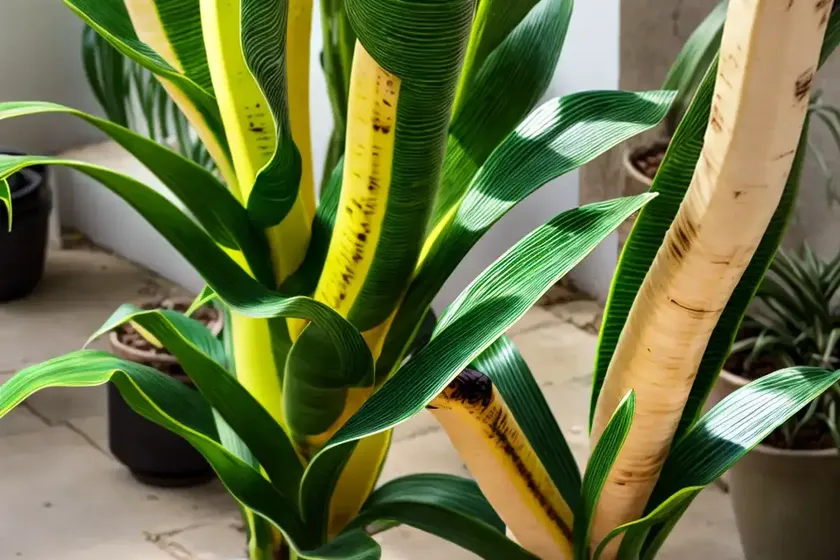
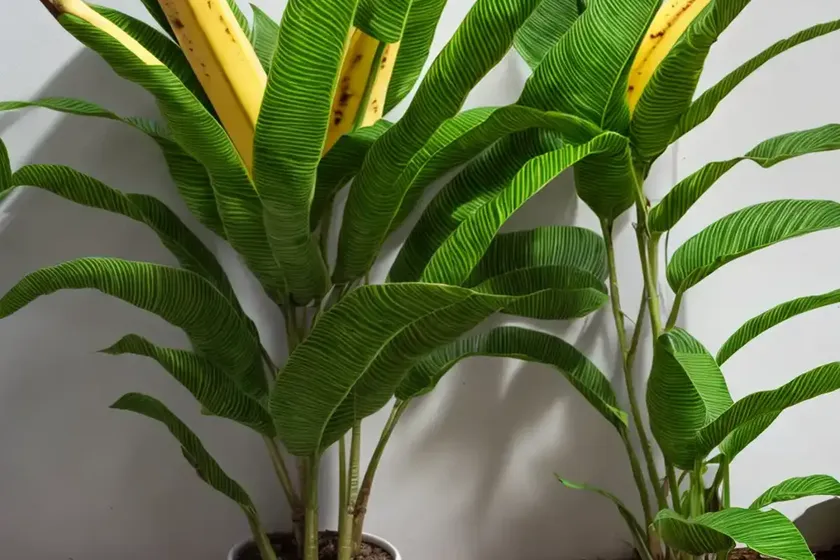
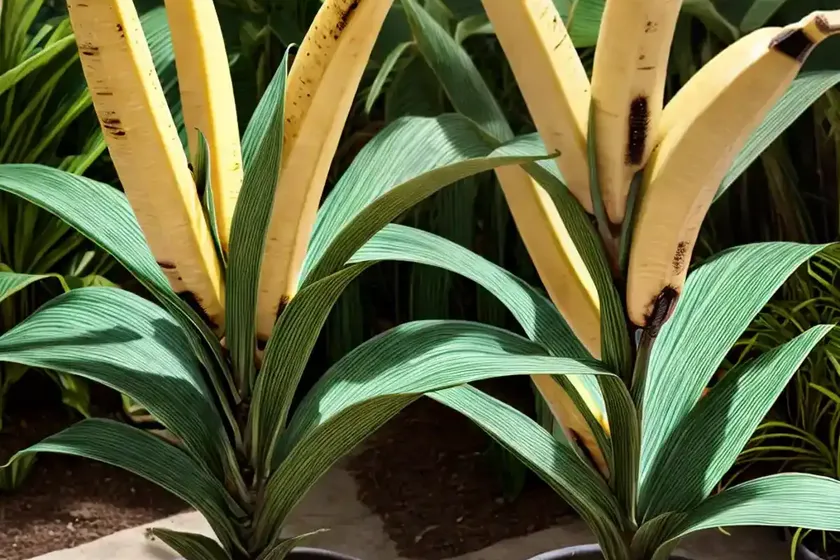
As a plant scientist deeply interested in the growth and behavior of various plant species, I find Musa acuminata ‘Zebrina’ (Stripe-Leaved Banana) to be an exotic and fascinating specimen to study. This tropical banana plant variety, with its stunning striped foliage, is a sight to behold, making it a popular choice for both indoor and outdoor gardens. In this blog post, we will explore the cultivation, characteristics, and care guidelines for the Musa acuminata ‘Zebrina’, along with its potential uses, common diseases, and maintenance tips.
Key Takeaways – Musa acuminata ‘Zebrina’ (Stripe-Leaved Banana)
Before delving into the specifics of the care and cultivation of Musa acuminata ‘Zebrina’, let’s overview the key takeaways and highlights of this unique plant species:
- Plant Name: Musa acuminata ‘Zebrina’ (Stripe-Leaved Banana)
- Common Names: Zebrina banana, Stripe-leaved banana
- Type: Tropical ornamental plant with variegated foliage
- Uses: Ornamental landscaping, indoor decoration, tropical garden feature
- Water: Regular watering to maintain soil moisture
- Sunlight: Thrives in bright, indirect light; partial shade is also suitable
- Fertilizer: Balanced fertilizer formulation during growing season
- Soil: Well-draining, loamy soil with organic matter
- Pruning: Removal of dead or damaged leaves; occasional thinning of old foliage
- Propagation: Offsets or suckers, division, or tissue culture
- Container Popularity: Suitable for container growth, especially in colder climates
- Common Diseases: Fusarium wilt, Panama disease, leaf spot diseases
- Common Pests: Aphids, spider mites, banana weevils
- Growth Habits: Fast-growing, reaching heights of 6-8 feet indoors
- Maintenance: Minimal, regular care and monitoring for pests and diseases
The Musa acuminata ‘Zebrina’ is a remarkable plant that exhibits stunning visual appeal, making it a favored choice for enthusiasts of tropical and exotic flora.
What is Musa acuminata ‘Zebrina’?
Musa acuminata ‘Zebrina’ is a cultivar of the species Musa acuminata, which is one of the primary ancestors of modern edible bananas. This particular variety is renowned for its striking and vibrant foliage, featuring bold stripes of dark green and red or maroon hues. The distinct appearance of the leaves sets it apart from the traditionally solid green foliage of other banana plant varieties. The Zebrina banana is primarily grown as an ornamental plant, valued for its lush, tropical appearance.
The variegated leaves of Musa acuminata ‘Zebrina’ emerge in an upright fashion from the plant’s pseudostem, creating an eye-catching display. While this variety is not typically grown for its fruit, under suitable conditions, it may produce small, inedible bananas. Despite this, the primary appeal of the Zebrina banana lies in its decorative foliage and the tropical ambiance it imparts to its surroundings.
Culture
In terms of culture, the Musa acuminata ‘Zebrina’ is a relatively low-maintenance plant, especially when grown in its preferred conditions. Its unique appearance and relatively undemanding care requirements make it a popular choice for plant enthusiasts and landscape designers alike.
Uses
The Musa acuminata ‘Zebrina’ is primarily valued for its ornamental features and is often used in tropical and exotic garden designs. It serves as a beautiful focal point in landscaping, whether planted directly into the ground or grown in a container. Additionally, due to its suitability for indoor cultivation, it is often utilized as an interior décor element, bringing a touch of the tropics into homes and offices.
Water
Proper watering is crucial for maintaining the health and vitality of Musa acuminata ‘Zebrina’. Adequate moisture levels should be maintained to support its lush foliage and growth. For outdoor plants, the soil should be consistently moist, but not waterlogged. In contrast, indoor plants should be watered when the soil’s top inch feels dry to the touch. Frequent misting of the leaves with water can also help to create the high humidity levels that the plant prefers.
Sunlight
The Zebrina banana thrives in bright, indirect light, making it an excellent choice for shaded areas of gardens or indoor spaces with ample natural light. When grown outdoors, it should be placed in locations that receive partial sun to partial shade, shielding it from intense midday sun, which can scorch its delicate leaves. Indoor plants should be positioned near windows or in spaces that receive filtered sunlight throughout the day.
Fertilizer
During the growing season, Musa acuminata ‘Zebrina’ benefits from regular applications of a balanced fertilizer. A complete, slow-release fertilizer formulated for foliage plants can provide the necessary nutrients for healthy growth and development. Fertilization should be scaled back during the plant’s dormant period, typically observed in winter, to reflect its reduced metabolic activity.
Soil
The ideal soil for Musa acuminata ‘Zebrina’ is well-draining and rich in organic matter. A loamy, nutrient-rich substrate that effectively retains moisture without becoming waterlogged is best suited for the plant’s growth. Additionally, incorporating compost or organic mulch into the soil can enhance its fertility and water retention capability, promoting the overall health of the Zebrina banana.
Pruning
Routine pruning is essential for the maintenance of Musa acuminata ‘Zebrina’. As older leaves naturally become discolored or damaged over time, they should be trimmed away from the plant to maintain its aesthetic appearance. Pruning encourages the emergence of new, healthy growth and prevents the accumulation of debris around the base of the plant, minimizing the risk of pest infestations and diseases. Additionally, the removal of old foliage can enhance air circulation around the plant, promoting its overall vigor.
Propagation
The propagation of Musa acuminata ‘Zebrina’ can be accomplished through various methods, with each offering distinct advantages and considerations.
-
Offsets or Suckers: The plant naturally produces offsets or suckers that emerge from the base of the parent plant. These young shoots can be carefully separated from the main plant and replanted to establish new individuals.
-
Division: Dividing the rhizomes of mature plants allows for the propagation of the Zebrina banana. When dividing the rhizomes, it is crucial to ensure that each divided portion contains viable roots and shoots to support its successful establishment.
-
Tissue Culture: Tissue culture, also known as micropropagation, presents an advanced method of multiplying Musa acuminata ‘Zebrina’ on a large scale. Through tissue culture, numerous identical plantlets can be generated from a minute section of the parent plant, effectively allowing for the mass production of uniform, disease-free specimens.
Each propagation method offers distinct advantages and is suitable for different scenarios, allowing for the efficient proliferation of Musa acuminata ‘Zebrina’ to meet various cultivation needs.
Container Popularity
Due to its adaptability to container growth, Musa acuminata ‘Zebrina’ is widely favored for cultivation in pots, especially in regions where the climate may not fully support its outdoor growth. When grown in containers, the plant can be placed on patios, balconies, or in interior spaces, allowing enthusiasts to enjoy the lush beauty of the Zebrina banana regardless of their geographical location. Container-grown plants offer the flexibility of being relocated to optimize sunlight exposure and protection from adverse weather conditions.
Common Diseases
While Musa acuminata ‘Zebrina’ is generally resilient, it is susceptible to certain diseases that can diminish its vitality and ornamental appeal. Understanding the common diseases that affect the Zebrina banana is crucial for implementing effective preventative measures and timely treatments.
-
Fusarium Wilt: Caused by the soil-borne fungus Fusarium oxysporum, fusarium wilt can lead to the wilting and yellowing of the plant’s leaves, ultimately resulting in the plant’s decline. It is essential to promptly remove and destroy infected plants to prevent the spread of the pathogen.
-
Panama Disease: Caused by the soil-borne fungus Fusarium oxysporum f. sp. cubense, Panama disease affects the vascular system of the plant, resulting in the wilting and death of the affected plants. Implementing proper soil sterilization and practicing crop rotation can help manage the incidence of this destructive disease.
-
Leaf Spot Diseases: Various fungal and bacterial pathogens can cause leaf spots on the foliage of Musa acuminata ‘Zebrina’. These diseases manifest as discolored lesions on the leaves, compromising their overall health and aesthetic appeal. Adequate airflow and the removal of infected leaves can aid in preventing the spread of leaf spot diseases.
Implementing cultural practices that promote the overall health and vigor of the Zebrina banana, such as proper watering, adequate spacing, and a balanced fertilization regimen, can contribute to its disease resistance and resilience.
Disease Diagnosis
Diagnosing diseases in Musa acuminata ‘Zebrina’ involves careful observation of the plant’s symptoms and understanding the potential causal agents. When a plant exhibits signs of distress or disease, it is essential to utilize appropriate diagnostic tools and techniques to accurately identify the issue.
-
Visual Inspection: Thoroughly examining the plant’s foliage, stems, and overall appearance can provide valuable insights into the nature of the disease or stress the plant is experiencing. Note any discoloration, lesions, wilting, or unusual growth patterns observed on the Zebrina banana.
-
Laboratory Analysis: When uncertain about the nature of the disease affecting the plant, submitting samples to a diagnostic laboratory for analysis can provide definitive identification of the causal organism. This may involve microscopic examination, culturing of the pathogen, and molecular techniques to accurately pinpoint the disease agent.
-
Professional Consultation: Seeking the expertise of plant pathologists or agricultural extension services can offer valuable guidance in diagnosing and managing diseases in Musa acuminata ‘Zebrina’.
By employing a systematic approach to disease diagnosis and leveraging available resources, plant enthusiasts can effectively address disease issues and protect the health of their Zebrina banana plants.
Common Pests
In addition to diseases, Musa acuminata ‘Zebrina’ may be susceptible to attack from various pests that can compromise the plant’s vitality and aesthetic appeal. Understanding the common pests that affect the Zebrina banana is essential for implementing integrated pest management strategies and safeguarding the plant against infestations.
-
Aphids: These small, sap-sucking insects can colonize the tender new growth of the Zebrina banana, causing distorted foliage and potentially transmitting viral diseases. Monitoring for aphid infestations and promptly controlling their populations is essential for preventing damage to the plant.
-
Spider Mites: Spider mites are tiny arachnids that feed on the plant’s sap, leading to stippled or bronzed discoloration of the foliage. Their presence may be indicated by fine webbing observed on the undersides of leaves. Maintaining high humidity levels and employing natural predators can aid in controlling spider mite populations.
-
Banana Weevils: Adult weevils feed on the plant’s leaves, creating characteristic U-shaped notches along the leaf margins. Additionally, their larvae infest the plant’s pseudostem, causing structural damage and weakening the plant. Employing effective cultural practices and implementing targeted insecticide applications can help manage banana weevil infestations.
Vigilance and proactive pest management measures can help prevent severe infestations and minimize the impact of pests on the health and appearance of Musa acuminata ‘Zebrina’.
Botanist’s Tips
As a seasoned plant scientist deeply familiar with the characteristics and care requirements of Musa acuminata ‘Zebrina’, I offer the following tips and recommendations for enthusiasts and gardeners seeking to cultivate this captivating plant variety:
-
Humidity Regulation: Maintaining adequate humidity levels is essential for the health and vitality of the Zebrina banana. Regular misting of the plant’s foliage or the use of a humidifier can create a favorable environment, especially for indoor specimens.
-
Protection from Drafts: The Zebrina banana is sensitive to sudden temperature changes and drafts, which can stress the plant and compromise its growth. Positioning it away from drafts and cold air currents is crucial for its well-being.
-
Regular Inspections: Periodically inspecting the plant for signs of pests, diseases, or nutrient deficiencies allows for prompt intervention and targeted treatments, preserving the plant’s overall health.
-
Appropriate Container Size: When growing Musa acuminata ‘Zebrina’ in containers, selecting a sufficiently large and sturdy pot that accommodates the plant’s root system is essential for its stability and growth. Additionally, the container should have drainage holes to prevent waterlogging.
-
Winter Care: During the winter months, it is important to reduce watering and avoid overfeeding the plant, as its growth slows down in response to lower light levels and cooler temperatures. Providing moderate care during this period helps the plant conserve its resources and prepare for the upcoming growing season.
Implementing these tips can contribute to the successful cultivation and maintenance of Musa acuminata ‘Zebrina’, ensuring that the plant thrives and remains an attractive addition to any garden or indoor space.
Fun Facts
To further enrich your appreciation for the remarkable Musa acuminata ‘Zebrina’, here are some fascinating and entertaining facts about this unique banana plant variety:
-
Musa acuminata ‘Zebrina’ is sometimes referred to as the “Blood Banana” due to the striking red or maroon stripes that adorn its foliage.
-
The variegated leaves of the Zebrina banana can introduce a dramatic and tropical touch to interior spaces, infusing them with vibrant energy and lush greenery.
-
While the Zebrina banana’s primary allure lies in its ornamental value, under optimal conditions, it may produce small, inedible bananas that add to its exotic appeal.
-
Musa acuminata ‘Zebrina’ is a fast-growing plant, capable of reaching heights of 6-8 feet when grown indoors, creating a lush and impressive display.
These fun facts provide insight into the unique characteristics and appeal of Musa acuminata ‘Zebrina’, underscoring its status as a captivating and distinctive plant variety.
Links to External Resources
For additional information on Musa acuminata ‘Zebrina’ and related topics, I recommend exploring the following reputable resources:
- Royal Horticultural Society – Growing Bananas
- University of Florida IFAS Extension – Banana Growing in the Home Landscape
- Missouri Botanical Garden – Musa Acuminata
- Gardening Know How – How to Grow a Banana Leaf Plant
These resources offer valuable insights, tips, and guidelines for the cultivation, care, and appreciation of Musa acuminata ‘Zebrina’ and related topics, providing a comprehensive understanding of this captivating plant variety.
In conclusion, the Musa acuminata ‘Zebrina’ (Stripe-Leaved Banana) stands as a remarkable example of the diversity and beauty of tropical plants. With its variegated foliage, adaptability to container growth, and minimal care requirements, it has garnered widespread appreciation among plant enthusiasts and landscapers. By implementing the recommended care practices and seeking further knowledge from reputable resources, individuals can cultivate and enjoy the exquisite allure of the Zebrina banana in their own gardens and living spaces.
As a plant scientist, it is a pleasure to delve into the intricacies of unique plant species like the Musa acuminata ‘Zebrina’. The combination of its striking appearance and relatively straightforward care requirements makes it an exciting subject of study and a delightful addition to any collection of tropical plants.


