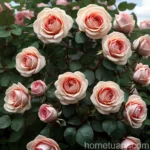
Hybrid Rugosa Rose (Rosa ‘Morten’ LINDA CAMPBELL): A Comprehensive Guide
The hybrid rugosa rose, scientifically known as Rosa ‘Morten’ Linda Campbell, is a remarkable plant celebrated for its unique characteristics, captivating beauty, and versatility. In this comprehensive guide, we will delve deep into the world of hybrid rugosa roses, exploring its culture, uses, care requirements, propagation methods, common diseases, and much more. Whether you are an avid gardener, a landscape enthusiast, or simply appreciate the beauty of roses, this guide aims to provide valuable insights and practical tips for cultivating and caring for the captivating Rosa ‘Morten’ Linda Campbell.
What is a Hybrid Rugosa Rose?
Rugosa roses are a group of rugged, robust, and resilient shrub roses that belong to the Rosa rugosa species. These roses are native to eastern Asia, specifically Japan, Korea, and northeastern China, and have become widely popular for their exceptional tolerance to various environmental conditions, including salt spray, making them ideal for coastal areas. The hybrid rugosa rose, with the specific cultivar name ‘Morten’ and often marketed as “Linda Campbell,” is a notable variety within this species, cherished for its unique attributes and exceptional beauty.
Key Takeaways – Hybrid Rugosa Rose (Rosa ‘Morten’ Linda Campbell)
Before diving into the specifics of growing and caring for the hybrid rugosa rose, let’s explore some of the key takeaways associated with this captivating plant:
- Common Name: Hybrid rugosa rose, ‘Morten’, Linda Campbell
- Scientific Name: Rosa ‘Morten’ Linda Campbell
- Species: Rosa rugosa
- Notable Characteristics: Resilient, fragrant blooms, salt tolerance
- Uses: Ornamental, landscaping, cut flowers
- Foliage: Deciduous, dark green, puckered leaves
- Flower Color: Pink
- Fragrance: Strong, sweet fragrance
- Hardiness Zones: 3–9
- Height: Up to 6 feet
- Spread: Up to 6 feet
- Best Suited for: Coastal gardens, mixed borders, mass planting
With these key points in mind, let’s delve into the specifics of cultivating and caring for this exquisite rose variety.
Culture
Uses
The hybrid rugosa rose, often known as Rosa ‘Morten’ or Linda Campbell, offers a wide range of uses, making it a versatile and valuable addition to gardens, landscapes, and floral arrangements. Some common uses of this captivating rose variety include:
-
Ornamental Purposes: The striking, fragrant blooms and attractive foliage make the hybrid rugosa rose a popular choice for ornamental purposes. Whether grown as standalone specimens, mass-planted for a bold display, or incorporated into mixed borders, these roses add charm and elegance to any setting.
-
Landscaping: Due to its resilience and tolerance to diverse soil and environmental conditions, the hybrid rugosa rose is often used for landscaping purposes. Its ability to thrive in coastal areas, tolerate salt spray, and withstand harsh weather conditions makes it an excellent choice for seaside gardens and coastal landscapes.
-
Cut Flowers: The fragrant blooms of Rosa ‘Morten’ Linda Campbell make it a sought-after variety for cut flower arrangements. With its captivating fragrance and charming pink petals, it adds a touch of elegance to floral displays and bouquets.
Water
Proper watering is essential for the healthy growth and vitality of the hybrid rugosa rose. While this rose variety exhibits remarkable resilience and can tolerate somewhat dry conditions once established, consistent moisture is crucial, particularly during the active growing season and flowering period. Here are some essential watering tips for maintaining the optimal moisture levels for Rosa ‘Morten’ Linda Campbell:
-
Establishment Phase: During the initial establishment phase, ensure that the newly planted hybrid rugosa roses receive an adequate amount of water. This helps the plants develop a strong root system and adapt to their new environment.
-
Regular Watering: Once established, regular watering is recommended, particularly during hot and dry spells. Aim to provide the equivalent of 1 inch of water per week, either through rainfall or irrigation, to maintain optimal soil moisture levels.
-
Avoid Waterlogging: While the hybrid rugosa rose appreciates consistent moisture, it is important to avoid waterlogging or stagnant water around the root zone. Good drainage is essential for preventing root rot and other water-related issues.
-
Mulching: Applying a layer of organic mulch, such as pine bark or compost, around the base of the plant helps conserve soil moisture, reduce evaporation, and suppress weeds. Mulching also contributes to the overall health of the plant and promotes a thriving environment.
Sunlight
Proper sunlight exposure plays a pivotal role in the growth, flowering, and overall performance of the hybrid rugosa rose. This rose variety thrives in full sun to partial shade, exhibiting optimum vigor and bloom production when provided with the right balance of sunlight. Here are some key considerations regarding sunlight exposure for Rosa ‘Morten’ Linda Campbell:
-
Full Sun: For optimal growth and flowering, aim to position the hybrid rugosa rose in a location that receives at least 6–8 hours of direct sunlight per day. In regions with cooler climates, full sun exposure is particularly beneficial for promoting robust growth and abundant blooms.
-
Partial Shade: While the hybrid rugosa rose prefers full sun, it can also tolerate partial shade, especially in areas with intense afternoon sunlight or during exceptionally hot seasons. When planting in warmer regions, providing some afternoon shade can help protect the plant from heat stress.
-
Morning Sun: If possible, prioritize morning sun exposure, as it allows the plants to benefit from the gentle, nourishing rays of the sun while avoiding the harsher afternoon sunlight, which can sometimes be detrimental, particularly during peak summer months.
Fertilizer
Proper feeding and fertilization are essential for supporting the healthy growth, vigor, and flowering capacity of the hybrid rugosa rose. While these roses are generally adaptable and can thrive in various soil conditions, providing adequate nutrients through well-balanced fertilization practices can significantly enhance their performance. Here are some key considerations for fertilizing Rosa ‘Morten’ Linda Campbell:
-
Timing: Fertilize the hybrid rugosa rose in early spring, just as new growth begins to emerge. This timing allows the plants to benefit from the nutrients as they transition into the active growing season and prepare for the upcoming flowering period.
-
Fertilizer Type: Choose a well-balanced, slow-release fertilizer specifically formulated for roses or flowering shrubs. Opt for a formulation with a balanced N-P-K ratio, along with essential micronutrients, to support healthy foliage development and abundant blooms.
-
Application Method: Apply the fertilizer evenly around the base of the plant, taking care to avoid direct contact with the stems or foliage. Gently work the fertilizer into the soil surface and water thoroughly to promote proper dissolution and absorption.
-
Additional Feedings: While a single application in early spring is generally adequate, you can consider providing an additional light feeding in early summer to replenish nutrients and sustain the plants’ vigor throughout the peak growing season.
-
Organic Options: For those inclined towards organic gardening practices, a top dressing of well-rotted compost or aged manure in early spring can serve as a natural and enriching alternative to synthetic fertilizers, contributing to the overall health of the soil and the plants.
Soil
The soil composition and quality play a fundamental role in the overall health, growth, and performance of the hybrid rugosa rose. While these roses are renowned for their adaptability to a wide range of soil types, providing a well-draining, fertile, and slightly acidic soil can significantly enhance their vigor and flowering capacity. Here are some important considerations for optimal soil conditions for Rosa ‘Morten’ Linda Campbell:
-
Drainage: Good drainage is crucial for the hybrid rugosa rose, as excessive moisture around the root zone can lead to root rot and other moisture-related issues. Ensure that the planting site offers well-draining soil to prevent waterlogging and promote a healthy root environment.
-
Fertility: While the hybrid rugosa rose can tolerate various soil fertility levels, amending the soil with organic matter, such as compost or well-rotted manure, before planting can enrich the soil and provide essential nutrients for the plants’ sustained growth and vigor.
-
pH Level: Aim for a slightly acidic to neutral soil pH range of 6.0–6.5, which is conducive to the optimal uptake of nutrients and supports overall plant health. A soil test can provide valuable insights into the existing pH levels and guide any necessary amendments.
-
Soil Structure: Loamy, well-structured soil is ideal for the hybrid rugosa rose, as it promotes healthy root development, facilitates nutrient uptake, and supports the establishment of a robust root system, essential for the plant’s resilience and longevity.
-
Mulching: Applying a layer of organic mulch, such as shredded bark, compost, or leaf mold, around the base of the plant not only helps conserve soil moisture but also contributes to soil enrichment, weed suppression, and the overall health of the planting area.
Pruning
Pruning is a crucial aspect of maintaining the health, shape, and flowering capacity of the hybrid rugosa rose. Proper pruning practices not only promote a neat and tidy appearance but also stimulate new growth, enhance air circulation, and encourage abundant blooms. Here are some essential tips for effectively pruning Rosa ‘Morten’ Linda Campbell:
-
Timing: Prune the hybrid rugosa rose in late winter to early spring, just before the onset of new growth. This timing allows for the removal of dead, damaged, or overgrown wood while preparing the plant for the upcoming growing season.
-
Sanitization: Before commencing pruning, ensure that your pruning tools, such as bypass pruners or loppers, are clean and sharp. Sanitizing the tools with a solution of 70% alcohol or a disinfecting agent helps prevent the spread of diseases and promotes clean, precise cuts.
-
Removal of Deadwood: Begin by removing any dead, diseased, or damaged wood, cutting back to healthy, live growth. Clearing out these non-productive elements not only enhances the plant’s overall health but also reduces the potential for disease and pest infestations.
-
Shape and Size: If necessary, shape the hybrid rugosa rose by selectively pruning to maintain the desired form and size. Focus on encouraging an open, airy structure that allows ample light penetration and air circulation, minimizing the risk of fungal issues.
-
Promoting Bloom Production: To encourage prolific flowering, selectively prune older wood to stimulate the emergence of new shoots and encourage the development of flowering branches. This rejuvenation pruning approach helps maintain the rose’s vitality and flowering capacity.
-
Deadheading Spent Blooms: Throughout the flowering season, regularly deadhead spent blooms by removing the fading flowers. This not only promotes a tidy appearance but also redirects the plant’s energy towards new growth and subsequent flower production.
-
Cautionary Measures: Exercise caution when pruning the hybrid rugosa rose, as these roses possess formidable thorns that can cause injury. Wearing protective gloves and long sleeves can help safeguard against accidental thorn punctures during pruning activities.
Propagation
The propagation of hybrid rugosa roses allows for the expansion of their presence in gardens and landscapes and provides an avenue for preserving and sharing their exceptional traits. While these roses are predominantly propagated through cuttings and division, exploring the various propagation methods can be an engaging and rewarding endeavor for avid gardeners and rose enthusiasts. Here are some common propagation methods for Rosa ‘Morten’ Linda Campbell:
Cuttings
Propagating the hybrid rugosa rose from stem cuttings is a popular and effective method that allows for the generation of genetically identical offspring, ensuring the retention of desired traits and characteristics. Here’s a step-by-step guide to propagating Rosa ‘Morten’ Linda Campbell from cuttings:
-
Selecting Cuttings: From a healthy, disease-free source plant, collect 6- to 8-inch-long stem cuttings with at least three sets of leaves. Choose young, vigorous stems that are neither too soft nor too woody, as they tend to root more successfully.
-
Preparing Cuttings: Using a clean, sharp knife or pruning shears, make a clean, angled cut just below a leaf node at the base of each cutting. Remove the lower set of leaves to expose the nodes, which are the points of root initiation.
-
Dipping in Hormone: To expedite root development, dip the lower end of each cutting into a rooting hormone powder or liquid, following the product’s instructions. This aids in stimulating the growth of adventitious roots and enhances the cuttings’ overall rooting success.
-
Planting Cuttings: Insert the prepared cuttings into a well-draining rooting medium, such as a mix of perlite and peat moss, ensuring that at least two nodes are buried below the surface. Firm the medium around the cuttings to provide stability and promote soil-to-stem contact.
-
Moisture and Enclosure: Water the cuttings thoroughly and cover them with a clear plastic dome or a plastic bag to create a humid, conducive environment. Place the cuttings in a warm, bright location, out of direct sunlight, and maintain consistent moisture levels to support root development.
-
Monitoring and Transplanting: Check the cuttings periodically for root development by gently tugging on the stems. Once roots have sufficiently formed, typically in 4–6 weeks, carefully transplant the rooted cuttings into individual containers filled with a well-draining potting mix.
Division
Dividing established hybrid rugosa rose plants presents an alternative propagation method that allows for the multiplication of plants and the rejuvenation of mature specimens. Here’s a basic guide to propagating Rosa ‘Morten’ Linda Campbell through division:
-
Established Plants: Begin the division process by identifying well-established hybrid rugosa rose plants that exhibit strong, healthy growth and have been in the ground for several years. Selecting the right candidate plants ensures successful division and the generation of vigorous offspring.
-
Preparation: In late winter to early spring, when the plants are still dormant, carefully excavate the selected rose plant from the ground, taking care to preserve the majority of the root system. Gently shake off excess soil to expose the root structure.
-
Division: Using a clean, sharp garden spade or knife, divide the root ball of the rose plant into multiple sections, ensuring that each division possesses sufficient roots and healthy growth points. Aim to create divisions with at least a few vigorous canes and a robust root system.
-
Replanting: Replant the divided sections immediately in their new locations, providing well-prepared planting holes and ensuring that the root systems are positioned at the appropriate depth. Tamp the soil gently around the plants and water thoroughly to settle the soil and minimize transplant shock.
-
Care and Maintenance: Newly divided hybrid rugosa rose plants may require extra attention and care initially to support their establishment. Monitor the divided plants closely, ensuring that they receive adequate moisture, protection from extreme weather, and balanced nutrition during their transition period.
By embracing these propagation methods, gardeners and rose enthusiasts can expand their collection of hybrid rugosa roses while preserving the exceptional traits and beauty of Rosa ‘Morten’ Linda Campbell.
Container Popularity
The concept of growing roses in containers has gained widespread popularity, offering an exciting and versatile approach to enjoying their beauty and fragrance in various settings, from urban balconies and patios to spacious gardens and landscapes. The hybrid rugosa rose, with its adaptability and resilience, is well-suited for container cultivation, allowing individuals with limited outdoor space to experience the charm and elegance of Rosa ‘Morten’ Linda Campbell. Here are some key considerations and practical tips for growing the hybrid rugosa rose in containers:
-
Container Selection: When growing the hybrid rugosa rose in containers, opt for large, sturdy pots with ample drainage holes, allowing for efficient water flow and aeration. Choose containers that accommodate the robust root system of the rose while providing sufficient room for growth.
-
Growing Medium: Select a high-quality, well-draining potting mix specifically formulated for roses or flowering shrubs. A mix enriched with organic matter, perlite, and coarse sand promotes healthy root development and provides essential nutrients for the plants’ sustained growth and vigor.
-
Watering and Moisture Management: Container-grown roses have specific moisture requirements and can be more susceptible to fluctuations in soil moisture levels. Regular monitoring and consistent watering, particularly during dry periods, are crucial for maintaining optimal soil moisture and supporting the plants’ vitality.
-
Sunlight Exposure: Position the containers in a location that receives ample sunlight, ensuring that the hybrid rugosa rose receives at least 6 hours of direct sunlight per day. Additionally, consider shielding the plants from intense afternoon heat in warmer climates to prevent stress and sunburn.
-
Feeding and Fertilization: Container-grown roses benefit from regular feeding to maintain their vigor and flowering capacity. Fertilize the hybrid rugosa rose in containers with a balanced, slow-release fertilizer formulated for roses, following the recommended application rates and frequency.
-
Pruning and Maintenance: Container-grown roses may require more frequent pruning and maintenance to manage their growth, shape, and overall health. Regularly inspect the plants for dead or overcrowded growth and prune as needed to promote compact, balanced growth and abundant flowering.
By embracing the art of container gardening, individuals can create stunning displays of the hybrid rugosa rose, introducing its captivating beauty and fragrance to diverse indoor and outdoor environments.
Common Diseases
While the hybrid rugosa rose demonstrates excellent disease resistance and resilience, particularly in comparison to other rose varieties, it is essential to remain vigilant and proactive in monitoring and addressing potential disease issues. By recognizing common rose diseases and implementing preventive measures, gardeners can uphold the health and vitality of Rosa ‘Morten’ Linda Campbell. Here are some prevalent diseases that may affect the hybrid rugosa rose and practical strategies for disease management:
Powdery Mildew
Powdery mildew, characterized by a powdery, white fungal growth on the leaves and stems, can occasionally affect the hybrid rugosa rose, particularly in humid and poorly ventilated conditions. To manage and prevent powdery mildew:
-
Cultural Practices: Prune the hybrid rugosa rose to promote good air circulation and remove any overcrowded or crossing branches. This facilitates the dissipation of excess moisture and reduces the risk of fungal issues.
-
Avoid Overhead Watering: Water the plants at the base, avoiding overhead irrigation that can prolong leaf wetness and create favorable conditions for the development of powdery mildew.
-
Fungicidal Treatments: When necessary, apply a suitable fungicidal spray labeled for powdery mildew control, adhering to the product’s instructions. Begin treatments early as a preventive measure or at the first signs of fungal activity.
Black Spot
Black spot, characterized by the development of dark, circular spots on the rose leaves, accompanied by yellowing and premature defoliation, is another common concern for roses, including the hybrid rugosa rose. To address black spot issues:
-
Sanitation: Remove and dispose of any affected leaves and plant debris to minimize the spread of the fungal spores. Regularly clean up fallen leaves and maintain a tidy garden environment.
-
Water Management: Encourage good drainage and proper moisture management to prevent prolonged leaf wetness, which can exacerbate black spot infections. Avoid overhead watering and aim to keep the foliage dry.
-
Fungicidal Control: Employ preventive fungicidal sprays labeled for black