Monarda ‘Scorpion’ (Bee Balm): A Comprehensive Guide
Monarda ‘Scorpion’, commonly known as Bee Balm, is a captivating herbaceous perennial featuring vibrant, showy flowers that are a magnet for pollinators. This flowering plant belongs to the mint family (Lamiaceae) and is native to North America. Its unique appearance and various uses make it a popular choice for gardens and landscapes. In this comprehensive guide, we will delve into the various aspects of Monarda ‘Scorpion’, from its characteristics and cultivation to its medicinal uses and pest control methods.
What is Monarda ‘Scorpion’ (Bee Balm)?
Monarda ‘Scorpion’, or Bee Balm, is a flowering plant renowned for its striking blooms and aromatic foliage. It is a perennial herbaceous plant, meaning it grows back year after year from its roots. The plant’s botanical name “Monarda” pays tribute to the Spanish botanist Nicholas Monardes, while the common name “Bee Balm” stems from the plant’s traditional use in soothing bee stings. The specific cultivar ‘Scorpion’ refers to a particular variety of Monarda, which may exhibit unique features compared to other Bee Balm cultivars.
Key Takeaways – Monarda ‘Scorpion’ (Bee Balm)
Before delving into the specifics of Monarda ‘Scorpion’, here are the key takeaways:
- Botanical Name: Monarda ‘Scorpion’
- Common Name: Bee Balm
- Plant Type: Perennial herbaceous plant
- Family: Lamiaceae (mint family)
- Native Habitat: North America
- Characteristics: Vibrant flowers, aromatic foliage
- Uses: Medicinal, ornamental, attracting pollinators
- Growing Conditions: Full sun to partial shade, well-drained soil
- Maintenance: Moderate
- Pest and Disease Control: Regular inspection and appropriate treatments
- Special Features: Attracts bees, butterflies, and hummingbirds
With the key takeaways in mind, let’s explore the various aspects of Monarda ‘Scorpion’, including its cultural requirements, uses, potential diseases and pests, and tips for optimal cultivation.
Plant Profile: Monarda ‘Scorpion’ (Bee Balm)
In this section, we will delve deeper into the specific attributes of Monarda ‘Scorpion’. Understanding the plant’s profile is essential for successful cultivation and management.
Characteristics of Monarda ‘Scorpion’
Monarda ‘Scorpion’ displays several distinctive characteristics, contributing to its popularity among gardeners and plant enthusiasts:
-
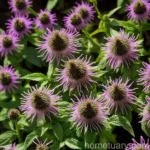
Flowers: The flowers of Monarda ‘Scorpion’ are known for their vibrant hues, typically ranging from shades of pink and red to purple. The clustered blooms form stunning, eye-catching inflorescences atop sturdy stems.
-
Foliage: The aromatic foliage of Bee Balm adds to its allure. The leaves are often a rich green color, and some cultivars may exhibit variegated or slightly serrated foliage.
-
Height and Spread: Depending on the specific cultivar, the mature height and spread of Monarda ‘Scorpion’ can vary. While some varieties stay relatively compact, others may reach upwards of 3 feet in height, forming bushy clumps.
-
Seasonal Interest: Bee Balm is known for its long-lasting blooms, which typically grace the garden from early to late summer. The flowers not only provide visual appeal but also offer sustenance for pollinators.
Understanding these inherent characteristics of Monarda ‘Scorpion’ is crucial for creating suitable growing conditions and appreciating the plant’s unique attributes in a landscape setting.
Varieties of Monarda ‘Scorpion’
Within the Monarda genus, numerous cultivars exist, each with its own unique qualities. Some popular varieties of Bee Balm include:
-
Monarda ‘Scorpion’: The specific cultivar ‘Scorpion’ may boast certain traits or color variations that set it apart from other Monarda varieties. It is essential to research the specific characteristics of this cultivar when considering it for your garden.
-
Monarda didyma: This species of Bee Balm is celebrated for its intense red flowers and is commonly found in cultivation.
-
Monarda fistulosa: Featuring more muted shades of pink and purple, this species also attracts pollinators and is often utilized in naturalistic garden settings.
Exploring the diverse varieties of Monarda ‘Scorpion’ and its close relatives allows gardeners to select the most suitable options for their specific landscape vision and growing conditions.
Cultivation of Monarda ‘Scorpion’ (Bee Balm)
The successful cultivation of Monarda ‘Scorpion’ hinges on providing the optimal growing conditions for this perennial herbaceous plant. To ensure its vigor and longevity, factors such as sunlight, water, soil, and maintenance practices must be carefully considered.
Sunlight Requirements
Monarda ‘Scorpion’ thrives in locations with ample sunlight, making it a well-suited addition to sunny borders and garden beds. When planning the placement of Bee Balm in your landscape, aim to provide it with at least 6 hours of direct sunlight per day. While Bee Balm can tolerate partial shade, abundant sunlight tends to enhance the plant’s floral display and overall vigor.
Watering Needs
When establishing Monarda ‘Scorpion’ in your garden, attention to watering is crucial, particularly during the plant’s initial growth phase. Once established, Bee Balm showcases a good degree of drought tolerance, yet regular irrigation is still beneficial, especially during prolonged dry spells. When watering, aim to keep the soil consistently moist but well-drained, as overly wet conditions can negatively impact the plant’s health.
Soil Requirements
The soil composition and quality significantly influence the health and performance of Monarda ‘Scorpion’. This herbaceous perennial thrives in well-drained, fertile soil that is rich in organic matter. A slightly acidic to neutral pH range (6.0-7.0) is generally favorable for Bee Balm, promoting robust growth and abundant flowering. Prior to planting, amending the soil with compost or well-rotted organic matter can enhance its structure and nutrient content, creating an ideal environment for Monarda ‘Scorpion’ to flourish.
Fertilization
Incorporating a balanced, slow-release fertilizer into the soil prior to planting can provide essential nutrients for the initial growth of Monarda ‘Scorpion’. Additionally, applying a top dressing of compost or organic mulch around the base of the plant in spring can fortify the soil and support the plant’s seasonal growth. It is important to follow recommended application rates and avoid excessive fertilization, as this can lead to an imbalance in the soil and negatively impact the plant’s overall health.
Pruning Techniques
Pruning plays a vital role in maintaining the vigor and aesthetic appeal of Monarda ‘Scorpion’. Regular deadheading – the removal of spent flowers – encourages prolonged blooming and prevents the plant from expending energy on seed production. Additionally, in late spring or early summer, thinning out the stems and removing any overcrowded growth can enhance air circulation and reduce the risk of disease. When performing pruning tasks, utilizing clean, sharp pruners helps minimize stress and potential damage to the plant.
Propagation and Container Gardening with Monarda ‘Scorpion’
In addition to traditional garden settings, Monarda ‘Scorpion’ can also thrive in containers, offering versatility in its cultivation. This section explores propagation methods and the considerations involved in container gardening with Bee Balm.
Propagation Methods
The propagation of Monarda ‘Scorpion’ can be achieved through several methods, providing opportunities to expand your plant collection or share Bee Balm with fellow enthusiasts. Common propagation techniques for Bee Balm include:
-
Division: Dividing established clumps of Monarda ‘Scorpion’ in early spring or fall allows for the creation of new plants. Carefully lift and separate the root mass, ensuring each division has ample roots and foliage before replanting.
-
Seed Sowing: Collecting and sowing Bee Balm seeds in a prepared seedbed or container offers another means of propagation. Direct sowing can be conducted in late fall or early spring, while starting seeds indoors provides a head start on the growing season.
-
Cuttings: Taking stem cuttings from healthy, actively growing shoots of Monarda ‘Scorpion’ in late spring to early summer can yield new plants. Rooting hormone can be applied to encourage successful establishment, and maintaining high humidity during the rooting process enhances the chances of success.
Implementing these propagation methods allows gardeners to propagate Monarda ‘Scorpion’ effectively, whether for personal enjoyment or sharing with others who appreciate this charismatic plant.
Container Gardening
For individuals with limited garden space or those seeking to showcase Monarda ‘Scorpion’ in a more confined setting, container gardening presents an enticing option. When cultivating Bee Balm in containers, consider the following:
-
Container Selection: Choose a spacious container with adequate drainage holes to accommodate the root system of Monarda ‘Scorpion’. Selecting a pot with a diameter of at least 12 inches ensures ample room for the plant to thrive.
-
Potting Mix: Utilize a well-draining, nutrient-rich potting mix tailored for perennial plants when planting Bee Balm in containers. The mix should offer a balance of moisture retention and aeration to support healthy growth.
-
Sunlight and Watering: Position the container in a location that receives partial to full sunlight, and monitor the moisture levels closely, especially during warm periods. Containers may require more frequent watering compared to plants in the ground, as they often dry out faster.
By embracing container gardening, plant enthusiasts can cultivate Monarda ‘Scorpion’ in a versatile, space-efficient manner, bringing its captivating blooms and aromatic foliage to diverse outdoor settings.
Uses and Benefits of Monarda ‘Scorpion’ (Bee Balm)
Monarda ‘Scorpion’ offers a myriad of uses and benefits, extending beyond its ornamental appeal. From medicinal applications to its role in attracting beneficial wildlife, this herbaceous perennial enriches gardens and landscapes in various ways.
Medicinal and Culinary Uses
Bee Balm has a rich history of medicinal use, with various Native American tribes harnessing its healing properties for centuries. The leaves and flowers of Monarda ‘Scorpion’ contain essential oils with antiseptic and soothing qualities, making them a valuable component in herbal remedies. The plant’s aromatic leaves can be infused to create a soothing tea, offering potential relief for symptoms such as sore throats and digestive discomfort. Additionally, the vibrant flowers of Bee Balm are edible and serve as an attractive, flavorful addition to culinary creations, lending a citrusy, mint-like essence to dishes and beverages.
Wildlife Habitat and Pollinator Appeal
As an advocate for biodiversity and ecosystem health, Monarda ‘Scorpion’ plays a vital role in wildlife-friendly gardening. The nectar-rich blooms of Bee Balm act as a beacon for pollinators, including bees, butterflies, and hummingbirds, aiding in their nourishment and contributing to the pollination of surrounding plants. By incorporating Monarda ‘Scorpion’ into garden designs, individuals can actively support vital pollinator populations and cultivate vibrant, dynamic landscapes.
Decorative and Aromatic Functions
In addition to its ecological contributions, Monarda ‘Scorpion’ excels in ornamental applications, enhancing outdoor spaces with its striking visual appeal and fragrant foliage. Whether featured in traditional garden borders, naturalistic plantings, or as a focal point in container arrangements, Bee Balm captivates with its lively blooms and alluring scent. Its adaptability to various landscape styles and roles as a butterfly and hummingbird magnet make it an invaluable asset in landscape and garden designs.
By appreciating the multifaceted uses of Monarda ‘Scorpion’, individuals can unleash the full potential of this charismatic perennial, infusing their outdoor spaces with vitality and purpose.
Common Diseases and Pest Control for Monarda ‘Scorpion’
While Monarda ‘Scorpion’ boasts resilience and vigor, it is susceptible to certain diseases and pests that can impact its health and appearance. Understanding these potential threats and implementing proactive management strategies are essential for safeguarding the well-being of Bee Balm.
Disease Diagnosis and Prevention
Several common diseases can affect Monarda ‘Scorpion’, including powdery mildew, leaf spot, and rust. These ailments may manifest as discolored or distorted foliage, powdery coatings, or visible lesions on the plant’s leaves or stems. To prevent the onset of diseases, minimize overhead watering to reduce moisture on the foliage, ensure proper air circulation around the plants, and promptly remove and dispose of any diseased plant material. Applying preventive fungicidal treatments may offer additional protection in high-risk situations, such as prolonged periods of humidity.
Pest Infestations and Management
Monarda ‘Scorpion’ is susceptible to pest infestations by insects such as spider mites, aphids, and thrips. Regularly inspecting the plant for signs of pest activity, such as stippled leaves or distorted growth, enables early intervention and minimizes potential damage. Natural predators and beneficial insects, such as ladybugs and lacewings, can aid in controlling pest populations. In cases of severe infestations, targeted insecticidal treatments may be necessary, but should be used with caution to avoid disrupting beneficial insect populations.
By remaining vigilant and proactive in disease and pest management, gardeners can mitigate potential threats and ensure the continued vitality of Monarda ‘Scorpion’ in their landscapes.
Botanist’s Tips for Growing Monarda ‘Scorpion’
As a seasoned botanist with a passion for herbal perennials, I have compiled a set of valuable tips for cultivating Monarda ‘Scorpion’ and optimizing its performance in a variety of outdoor settings:
-
Selecting Cultivars: When choosing Monarda ‘Scorpion’ for your garden, research the specific traits and growing requirements of the cultivar to ensure it aligns with your vision and environmental conditions.
-
Companion Planting: Pair Monarda ‘Scorpion’ with complementary plants, such as echinacea, rudbeckia, and veronica, to create visually engaging and ecologically supportive garden compositions.
-
Watering Practices: Maintain consistent moisture levels by utilizing mulch and regular watering, particularly during periods of dry weather, to uphold the plant’s health and vigor.
-
Attracting Pollinators: Integrate Monarda ‘Scorpion’ into pollinator gardens and wildlife habitats to harness its capacity for attracting and nourishing beneficial insects and birds.
-
Winter Care: In regions with harsh winters, apply a protective layer of mulch or straw around the base of Monarda ‘Scorpion’ to shield its roots and crown from extreme temperature fluctuations.
By incorporating these insights into your approach to cultivating Monarda ‘Scorpion’, you can cultivate thriving, dynamic plantings that elevate the beauty and ecological value of your outdoor spaces.
Fun Facts about Monarda ‘Scorpion’
Amidst its practical uses and horticultural significance, Monarda ‘Scorpion’ possesses intriguing attributes and stories that contribute to its allure. Here are some captivating fun facts about this charismatic perennial:
-
Native American Traditions: Various Native American tribes historically incorporated Monarda species into cultural practices, utilizing the plants for medicinal, culinary, and ceremonial purposes.
-
Historical Significance: Throughout history, Bee Balm was revered by early American colonists for its resemblance to the bergamot plant, leading to its alternative common name, “Bergamot”.
-
Aromatic Qualities: The leaves of Monarda ‘Scorpion’ emit a distinct, citrusy fragrance, making them a valued component in potpourri and aromatic sachets.
-
Herbal Infusions: Bee Balm leaves and flowers can be steeped to create a flavorful, aromatic tea, offering a soothing beverage with potential health benefits.
By delving into these captivating fun facts, individuals can gain a deeper appreciation for the cultural, historical, and sensory dimensions of Monarda ‘Scorpion’, enriching their connection to this engaging plant.
Links to External Resources
To further expand your knowledge and exploration of Monarda ‘Scorpion’ and related topics, consider exploring the following external resources:
- The Royal Horticultural Society (RHS) – Monarda ‘Scorpion’ Profile
- University of Maryland Extension – Growing Bee Balm in the Home Garden
- Missouri Botanical Garden – Monarda ‘Scorpion’ Care Guide
- North Carolina State University Extension – Bee Balm for Pollinators
By engaging with reputable sources and institutions, individuals can access valuable insights and guidance on cultivating and appreciating Monarda ‘Scorpion’ within their unique gardening contexts.
In conclusion, Monarda ‘Scorpion’ (Bee Balm) stands as a captivating and multi-faceted perennial herbaceous plant, offering ornamental splendor, ecological significance, and potential benefits in herbal and culinary endeavors. Through an understanding of its characteristics, cultivation requirements, uses, and potential challenges, individuals can cultivate thriving plantings and foster a deeper appreciation for the diverse roles of Monarda ‘Scorpion’ in garden and landscape settings. By embracing this versatile and charismatic plant, individuals can enrich their outdoor environments, support vital pollinator populations, and delve into the cultural and historical dimensions of this captivating herbaceous perennial.