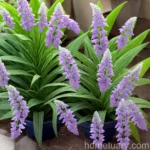
Liriope Muscari ‘Royal Purple’ (Lily Turf): A Comprehensive Guide
Liriope muscari, commonly known as Lily Turf, is a versatile and popular perennial plant with various applications in landscaping and gardening. The ‘Royal Purple’ variety, in particular, is sought after for its striking foliage and low maintenance requirements. In this comprehensive guide, we will delve into the various aspects of caring for and utilizing Liriope muscari ‘Royal Purple’ in diverse settings.
What is Liriope Muscari ‘Royal Purple’ (Lily Turf)?
Liriope muscari, native to East Asia, belongs to the Asparagaceae family. It is a clump-forming, evergreen perennial, prized for its grass-like leaves and small, lily-like flowers. The ‘Royal Purple’ cultivar is distinguished by its deep, rich purple foliage, lending a dramatic and elegant touch to gardens and landscapes.
Key Takeaways – Liriope Muscari ‘Royal Purple’ (Lily Turf)
- Height: 10-12 inches
- Spread: 12-18 inches
- Exposure: Part sun to shade
- Water: Average water needs; well-drained soil
- Bloom Time: Late summer to early fall
- USDA Hardiness Zones: 5-10
Now, let’s explore the various aspects of caring for Liriope muscari ‘Royal Purple’, from its cultural requirements to common diseases and pests, along with interesting botanical insights and practical tips.
Culture
Uses
Liriope muscari ‘Royal Purple’ is widely utilized in landscaping and gardening for its ornamental foliage and versatility. Its common uses include:
- Ground cover
- Edging plant
- Mass planting
- Container gardening
- Woodland gardens
- Erosion control
- Border and accent plantings
The plant’s adaptability to different conditions makes it a valuable addition to various garden settings.
Water
Proper watering is essential for the health and vigor of Liriope muscari ‘Royal Purple’. While the plant is relatively drought tolerant once established, it thrives best with consistent moisture, especially during hot, dry periods. However, it’s crucial to allow the soil to dry out between waterings to prevent waterlogged conditions, which can lead to root rot.
- Watering Needs: Regular watering, allowing the top inch of soil to dry out between waterings
- Established Plants: Water deeply 1-2 times per week during dry spells
- Newly Planted: Water more frequently to establish a healthy root system
Sunlight
Liriope muscari ‘Royal Purple’ exhibits adaptability to varying light conditions, making it suitable for both shaded and partially sunny areas. However, the plant’s foliage color tends to intensify in partial shade, with the deep purple hues becoming more pronounced.
- Sun Exposure: Part sun to shade
- Part Sun: 3-6 hours of direct sunlight per day
- Shade: Limited direct sunlight, indirect or filtered light
- Foliage Coloration: Deeper purple in partial shade
Fertilizer
Appropriate fertilization contributes to the overall health and aesthetics of Liriope muscari ‘Royal Purple’. A balanced, slow-release fertilizer applied in spring and possibly mid-summer can support robust growth and vibrant foliage coloration.
- Fertilizing Frequency: Once in spring, and optionally mid-summer
- Fertilizer Type: Balanced, slow-release fertilizer
- Application: Sprinkle granules around the base of the plant and water in thoroughly
Soil
Liriope muscari ‘Royal Purple’ demonstrates adaptability to a range of soil types, provided they are well-drained. The ideal soil for optimal growth and performance should have the following characteristics:
–Well-Drained: Prevents waterlogging and ensures healthy roots
–Moisture Retention: Capable of retaining sufficient moisture without becoming waterlogged
–Nutrient-Rich: Provides essential nutrients for vigorous growth and development
Pruning
Pruning plays a vital role in maintaining the desired shape and appearance of Liriope muscari ‘Royal Purple’. It helps in removing dead or damaged foliage, rejuvenating the plant, and preventing overcrowding. Pruning can be performed in late winter or early spring to encourage new growth and maintain a tidy appearance.
- Pruning Time: Late winter or early spring
- Pruning Needs: Remove dead or damaged leaves, trim back overgrown foliage
- Rejuvenation: Cut back old foliage to encourage fresh growth
Propagation
The propagation of Liriope muscari ‘Royal Purple’ can be accomplished through various methods, including division and seed propagation.
- Division: Divide established clumps in spring or fall
- Seed Propagation: Collect and sow seeds in a well-prepared seed bed
These methods allow for the expansion of plantings and the creation of new beds or containers with minimal effort.
Container Popularity
Due to its compact growth habit and aesthetic appeal, Liriope muscari ‘Royal Purple’ is well-suited for container cultivation. Its adaptability to varying light conditions makes it an excellent choice for patio containers, shaded outdoor spaces, or decorative planters.
Common Diseases
Liriope muscari ‘Royal Purple’ is relatively resistant to diseases when provided with suitable cultural conditions. However, some potential issues may include:
- Anthracnose: Fungal disease leading to discolored, sunken lesions on leaves
- Leaf Spot: Circular, dark spots on foliage caused by fungal pathogens
- Root Rot: Excessive moisture leading to rotting of the roots
Disease Diagnosis
Diagnosing diseases in Liriope muscari ‘Royal Purple’ requires careful observation of the plant’s foliage and overall appearance. The following symptoms may indicate possible diseases:
- Discolored or necrotic spots on leaves
- Wilting or yellowing foliage
- Rotting or mushy roots
- Stunted growth or decline in vigor
Common Pests
Liriope muscari ‘Royal Purple’ is generally resistant to pest infestations, but some potential pests to watch for include:
- Aphids: Small, sap-sucking insects found on the undersides of leaves
- Spider Mites: Tiny pests causing stippling and webbing on leaves
- Snails and Slugs: Feeding on foliage and leaving behind silvery trails
- Scale Insects: Immobile pests that attach to stems and foliage, often resembling small bumps
Botanist’s Tips
- Mulching: Apply a layer of organic mulch around the base of the plant to retain moisture and suppress weeds.
- Dividing: Periodically dividing established clumps can rejuvenate the plant and prevent overcrowding.
- Companion Planting: Pair with contrasting foliage plants or seasonal bloomers for a dynamic display.
Fun Facts
- Liriope muscari ‘Royal Purple’ is a popular choice for Japanese-style gardens due to its graceful form and striking foliage coloration.
- The plant’s scientific name “muscari” is derived from the Greek word “musk,” referencing the aromatic flowering spikes of some species.
Links to External Resources
- American Society for Horticultural Science
- Royal Horticultural Society
- University Extension Websites
- Plant Pathology Journals
- Entomology Research Journals
- National Gardening Associations
Liriope muscari ‘Royal Purple’ presents a myriad of possibilities for gardeners and landscapers, from its striking visual appeal to its adaptability to diverse growing conditions. By understanding its cultural requirements, potential pests and diseases, and practical maintenance tips, individuals can harness the full potential of this versatile plant in their outdoor spaces.
Incorporating Liriope muscari ‘Royal Purple’ into landscape designs offers a dynamic and enduring aesthetic, bridging the gap between form and function in both residential and commercial environments. Whether as a ground cover, border plant, or container specimen, the resilient nature and captivating beauty of this Lily Turf cultivar make it a valuable asset in the garden.