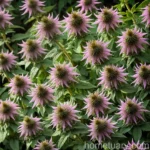
Bee Balm (Monarda ‘Blaustrumpf’ BLUE STOCKING): A Comprehensive Guide
Bee balm, scientifically known as Monarda ‘Blaustrumpf’ BLUE STOCKING, is a captivating flowering plant that has gained popularity among gardeners due to its striking appearance and various uses. In this article, we will delve into the intricate details of this plant, including its culture, uses, preferred growing conditions, maintenance, common diseases, and much more.
What is Bee Balm?
Bee balm, also referred to as Monarda, is a genus of flowering plants in the mint family (Lamiaceae) that is native to North America. The genus comprises roughly 16 species, all of which are known for their aromatic foliage and showy, tubular flowers that attract pollinators, particularly bees and hummingbirds. Monarda ‘Blaustrumpf’ BLUE STOCKING, in particular, is celebrated for its vivid blue flowers and is a sought-after addition to gardens for its visual appeal and wildlife-attracting properties.
Key Takeaways – Bee Balm (Monarda ‘Blaustrumpf’ BLUE STOCKING)
Before delving into the details of bee balm cultivation and care, let’s outline the key takeaways regarding this captivating plant:
- Plant Name: Bee Balm (Monarda ‘Blaustrumpf’ BLUE STOCKING)
- Botanical Classification: Monarda ‘Blaustrumpf’ BLUE STOCKING
- Uses: Ornamental, pollinator attraction
- Water: Regular watering, particularly during the drier periods
- Sunlight: Full sun to partial shade
- Fertilizer: Balanced, slow-release fertilizer applied in spring
- Soil: Well-draining, moderately fertile soil
- Pruning: Deadheading spent flowers to encourage continuous blooming
- Propagation: Division, stem cuttings, or seed sowing
- Container Popularity: Well-suited for containers and mixed plantings
- Common Diseases: Powdery mildew, leaf spot
- Common Pests: Aphids, spider mites
- Fun Facts: Attracts a wide array of pollinators and possesses medicinal properties
Now, let’s explore each of these aspects in detail to gain a better understanding of the cultivation and care of bee balm.
Culture
Cultivating bee balm involves providing it with the appropriate growing conditions to ensure optimal growth and blooming. This section will cover the cultural requirements that are essential for the successful cultivation of Monarda ‘Blaustrumpf’ BLUE STOCKING.
Uses
Bee balm serves various purposes in gardening and landscaping. Its primary uses include:
- Ornamental Purposes: The colorful, attractive blooms of bee balm make it a popular choice for ornamental gardens and landscapes.
- Pollinator Attraction: The nectar-rich flowers of bee balm attract pollinators, including bees, butterflies, and hummingbirds, making it a valuable addition to wildlife gardens.
- Medicinal Properties: Certain species of Monarda, including Monarda didyma, have been historically used for their medicinal properties, including the treatment of colds and fevers.
- Cut Flower Use: The long-lasting blooms of bee balm make it suitable for cut flower arrangements and floral displays.
Water
Proper watering is crucial for the health and vitality of bee balm, especially during the hot, dry periods of the growing season. The following guidelines will help in determining the appropriate watering regimen for Monarda ‘Blaustrumpf’ BLUE STOCKING:
- Regular Watering: Provide consistent moisture, particularly during periods of drought. Deep watering once a week is generally sufficient, but adjustments may be necessary based on the prevailing weather conditions.
- Avoid Overhead Irrigation: Minimize overhead irrigation to reduce the risk of foliar diseases, such as powdery mildew.
Sunlight
The sunlight requirements of bee balm influence its overall health, blooming potential, and resistance to diseases. Understanding its preferences for sunlight exposure is crucial for successful cultivation:
- Full Sun to Partial Shade: Bee balm thrives in full sun, where it typically exhibits robust growth and profuse blooming. However, it can also tolerate partial shade, particularly in regions with intense afternoon sun or high temperatures.
Fertilizer
Providing the appropriate nutrients through fertilization supports the growth and blooming of bee balm. Here are the key considerations for fertilizing Monarda ‘Blaustrumpf’ BLUE STOCKING:
- Balanced Fertilizer: Apply a balanced, slow-release fertilizer in the spring, following the manufacturer’s instructions for the appropriate dosage.
- Avoid Excessive Nitrogen: While bee balm benefits from fertilization, excessive nitrogen can lead to lush foliage at the expense of blooming. Use a fertilizer with a balanced N-P-K ratio to promote healthy growth and flowering.
Soil
The composition and quality of the soil significantly impact the overall health and performance of bee balm. Consider the following soil-related aspects when growing Monarda ‘Blaustrumpf’ BLUE STOCKING:
- Well-Draining Soil: Bee balm thrives in well-draining soil to prevent waterlogging, which can lead to root rot and other issues.
- Moderately Fertile Soil: While not excessively demanding, bee balm benefits from moderately fertile soil to support healthy growth and abundant blooming.
Pruning
Engaging in proper pruning practices not only enhances the aesthetic appeal of bee balm but also promotes continuous blooming. Here’s how to approach pruning Monarda ‘Blaustrumpf’ BLUE STOCKING:
- Deadheading Spent Flowers: Regularly remove spent flowers to encourage the production of new blooms and prolong the flowering period. This practice also helps prevent the plant from self-seeding, particularly in garden settings where this is undesired.
Propagation
The propagation of bee balm allows for the expansion of its presence in the garden or landscape. Explore the following propagation methods for Monarda ‘Blaustrumpf’ BLUE STOCKING:
- Division: Divide established clumps in early spring or fall to create new plantings. This method also helps rejuvenate older, crowded stands of bee balm.
- Stem Cuttings: Take tip cuttings in the spring or early summer, and propagate them in a well-draining medium to establish new plants.
- Seed Sowing: Sow bee balm seeds indoors in late winter for later transplanting, or directly sow them in the garden in the spring. Stratification (cold treatment) may improve germination rates for bee balm seeds.
Container Popularity
Bee balm’s adaptability to container cultivation makes it a versatile choice for various landscaping applications and gardening scenarios. Consider the following factors when growing Monarda ‘Blaustrumpf’ BLUE STOCKING in containers:
- Container Size: Select a spacious container that accommodates the plant’s mature size and allows for adequate root development.
- Well-Draining Soil Mix: Use a well-draining potting mix to ensure proper moisture management and prevent waterlogging, which can be detrimental to bee balm.
Common Diseases and Pests
Like many plants, bee balm is susceptible to certain diseases and pests that can impact its health and appearance. Being aware of these potential issues empowers gardeners to take proactive measures to prevent or address them effectively. Here are some common diseases and pests that may affect Monarda ‘Blaustrumpf’ BLUE STOCKING:
Common Diseases
- Powdery Mildew: A common fungal disease that presents as a powdery, white coating on the foliage. Provide adequate air circulation and avoid overhead watering to reduce the risk of powdery mildew.
- Leaf Spot: Leaf spot diseases may affect bee balm, causing circular or irregular spots on the leaves. Remove and dispose of affected foliage to prevent the spread of the disease.
Common Pests
- Aphids: These tiny, sap-sucking insects can infest bee balm, causing distorted growth and the secretion of sticky honeydew. Introduce natural predators, such as ladybugs, or use a gentle stream of water to dislodge aphids from the plant.
- Spider Mites: Spider mites are common pests that may attack bee balm, particularly in hot, dry conditions. Regularly inspect the undersides of leaves for signs of infestation and employ appropriate control measures, such as insecticidal soap or horticultural oil.
Botanist’s Tips
Botanical insights and tips from experts provide invaluable guidance for the successful cultivation of bee balm. Here are some noteworthy tips to consider when growing Monarda ‘Blaustrumpf’ BLUE STOCKING:
- Companion Planting: Pair bee balm with other pollinator-friendly plants, such as coneflowers (Echinacea spp.), salvias, and agastaches, to create a vibrant, wildlife-supporting garden.
- Wildlife Garden Value: Harness the pollinator-attracting properties of bee balm by incorporating it into wildlife gardens, where it can serve as a valuable nectar and pollen source for beneficial insects and small mammals.
Fun Facts
Uncover intriguing and lesser-known facts about bee balm that add to its appeal and significance in gardening and ecology:
- Culinary Uses: Certain bee balm species, including Monarda didyma, are used as a flavoring agent in teas, salads, and other culinary creations, imparting a subtle, minty flavor.
- Fragrant Foliage: The aromatic foliage of bee balm releases a pleasant, citrusy fragrance when brushed or crushed, adding another sensory dimension to its appeal in the garden.
- Historical Significance: The use of Monarda species by Native American tribes for medicinal and culinary purposes has left a rich cultural legacy associated with these plants.
Links to External Resources
For additional information and in-depth resources on bee balm (Monarda ‘Blaustrumpf’ BLUE STOCKING) and related topics, please explore the following external links:
- **National Gardening Association – Bee Balm Growing Guide
- **University of Wisconsin-Madison Extension – Monarda: Bee Balm
- **Gardening Know How – Bee Balm Plant Care: Tips For Growing Bee Balm
In conclusion, bee balm (Monarda ‘Blaustrumpf’ BLUE STOCKING) stands as a captivating and ecologically significant addition to gardens and landscapes, offering visual appeal, pollinator support, and various practical uses. By understanding its culture, uses, and care requirements, gardeners can effectively incorporate bee balm into their outdoor spaces, contributing to both the beauty and biodiversity of their surroundings.