Mexican Stonecrop (Sedum mexicanum): A Comprehensive Guide
Plants play an essential role in the environment, adding beauty to our surroundings and providing oxygen for us to breathe. One fascinating plant species that has gained popularity among gardeners and landscape enthusiasts is the Mexican stonecrop (Sedum mexicanum). In this comprehensive guide, we will delve into the culture, uses, maintenance, and interesting facts about Mexican stonecrop, allowing you to explore the full potential of this stunning succulent.
What is Mexican Stonecrop (Sedum mexicanum)?
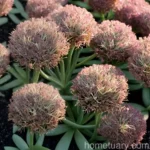
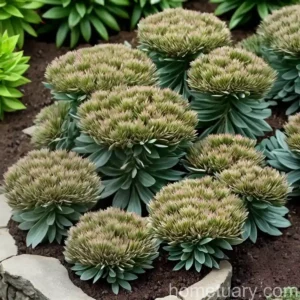
Mexican stonecrop, scientifically known as Sedum mexicanum, is a species of flowering plant in the stonecrop family, Crassulaceae. It is native to Mexico and Guatemala and is characterized by its trailing habit and succulent foliage. This low-growing perennial plant features clusters of tiny star-shaped flowers, and its adaptable nature makes it a popular choice for various landscape and gardening applications.
Key Takeaways – Mexican Stonecrop (Sedum mexicanum)
Let’s explore the key aspects and characteristics of Mexican stonecrop:
- Classification: Sedum mexicanum
- Native Habitat: Mexico and Guatemala
- Plant Type: Perennial Succulent
- Growth Habit: Trailing
- Foliage: Succulent, Evergreen
- Flower Color: Various shades of pink, red, and white
- Uses: Ground cover, Container plantings, Rock gardens, Edging plant, Drought-resistant landscapes
Now, let’s delve into the specific aspects of cultivating and caring for Mexican stonecrop, including its cultural preferences, maintenance requirements, common uses, and intriguing facts.
Culture
Understanding the cultural requirements of Mexican stonecrop is crucial for nurturing healthy and vibrant plants. From water and sunlight to soil conditions and fertility, each aspect contributes to the overall well-being of this delightful succulent.
Water
Mexican stonecrop is renowned for its drought tolerance and prefers well-draining soil. Overwatering can lead to root rot, so it’s essential to allow the soil to dry out between watering sessions. Once established, this succulent is relatively self-sufficient and requires minimal watering, particularly in regions with regular rainfall.
- Water Requirements: Low to Moderate
- Optimal Watering Frequency: Allow the soil to dry out completely between waterings
- Preferred Watering Method: Water at the base of the plant to prevent excess moisture on the foliage
- Drought Tolerance: High
Sunlight
As with most succulent plants, Mexican stonecrop thrives in bright sunlight and warm conditions. It excels in locations with full sun exposure, but it can also tolerate partial shade, making it a versatile choice for a range of garden settings.
- Sun Exposure: Full Sun to Partial Shade
- Optimal Light Conditions: 6-8 hours of direct sunlight per day
- Preferred Growing Zones: USDA Hardiness Zones 5-9
- Indoor Light Requirements: Bright, indirect light for indoor cultivation
Soil
The right soil conditions are crucial for the healthy growth of Mexican stonecrop. Well-draining and nutrient-rich soil with a slightly acidic to neutral pH is ideal for supporting the vigorous development of this succulent.
- Soil Type: Well-draining, Porous
- Preferred Soil pH: Slightly Acidic to Neutral (pH 6.0-7.0)
- Soil Amendments: Incorporate perlite or coarse sand to improve drainage
- Container Soil Mix: Cactus or succulent potting mix with added perlite for enhanced drainage
Fertilizer
Mexican stonecrop is not a heavy feeder and can thrive in relatively nutrient-poor soil. However, providing a balanced, low-nitrogen fertilizer during the growing season can support healthy growth and vibrant foliage.
- Fertilization Frequency: Once every 4-6 weeks during the growing season
- Preferred Fertilizer Type: Balanced, Low-Nitrogen Fertilizer (e.g., 5-10-10 NPK ratio)
- Application Method: Dilute fertilizer solution applied at the base of the plant
- Fertilizer Caution: Avoid excessive nitrogen application to prevent leggy growth
Pruning
Proper pruning is essential for maintaining the compact and attractive appearance of Mexican stonecrop. While this succulent has a naturally tidy growth habit, occasional trimming can help control its spread and shape the plant for an aesthetically pleasing display.
- Pruning Purpose: Controlling spread, Removing dead or damaged foliage, Shaping the plant
- Pruning Time: Spring to Early Summer
- Technique: Use clean, sharp scissors or pruning shears to trim back excessive growth
- Propagation from Cuttings: Utilize pruned stems for propagation in suitable growing conditions
Propagation
Multiplying Mexican stonecrop through propagation allows you to expand your plant collection or share this delightful species with fellow gardening enthusiasts. Propagation methods such as stem cuttings and division are effective for producing new plants from established specimens.
- Preferred Propagation Methods: Stem Cuttings, Division
- Propagation Time: Early Spring to Late Summer (Active Growth Period)
- Propagation Medium: Well-Draining Potting Mix
- Rooting Hormone: Optional for expedited root development
Container Popularity
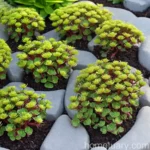
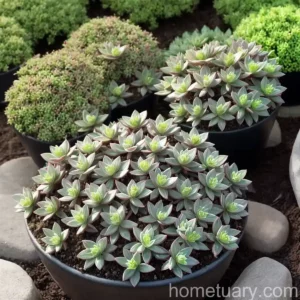
Mexican stonecrop’s compact growth habit and delightful appearance make it a popular choice for container gardening. Whether displayed in individual pots or combined with other succulents and ornamental plants, this species adds charm and character to outdoor and indoor container arrangements.
- Ideal Container Size: Shallow, Wide Containers with Drainage Holes
- Container Material: Terracotta, Ceramic, Plastic, or Wood
- Container Companions: Other Succulents, Sempervivum, Echeveria, Drought-Tolerant Annuals
Common Diseases
Though Mexican stonecrop is relatively resistant to diseases, certain factors such as overwatering, poor air circulation, and fungal pathogens can lead to issues such as root rot and leaf spots.
Disease Diagnosis
Recognizing the symptoms of common plant diseases is essential for prompt intervention and effective management. By closely monitoring your Mexican stonecrop, you can address any signs of distress and implement appropriate remedial measures.
- Common Diseases: Root Rot, Leaf Spot, Powdery Mildew
- Symptoms: Wilting, Yellowing of Foliage, Dark Spots on Leaves
- Preventive Measures: Proper watering, Adequate air circulation, Avoiding overhead watering
Common Pests
While Mexican stonecrop is generally resistant to most pests, occasional infestations by aphids, mealybugs, and scale insects can occur, particularly when the plants are stressed or experiencing suboptimal growing conditions.
- Common Pests: Aphids, Mealybugs, Scale Insects
- Pest Management: Use of Insecticidal Soap, Neem Oil, or Horticultural Oil
- Natural Predators: Encouraging beneficial insects like ladybugs and lacewings
Botanist’s Tips
For an insight into the interesting aspects of Mexican stonecrop’s growth and characteristics, here are some valuable tips from a seasoned botanist:
- Adaptable Growth: Mexican stonecrop exhibits impressive adaptability to various environmental conditions, making it an excellent choice for both novice and experienced gardeners.
- Wildlife Attraction: The nectar-rich flowers of Mexican stonecrop attract pollinators such as butterflies, bees, and hummingbirds, enhancing ecological diversity in your garden.
- Winter Care: In colder climates, protecting Mexican stonecrop from excessive moisture during winter months is crucial to prevent rot and ensure plant survival.
Fun Facts
To further appreciate the charm and appeal of Mexican stonecrop, here are some intriguing and entertaining facts about this beloved succulent:
- Drought-Resistant Champion: Mexican stonecrop is hailed for its exceptional drought tolerance, making it an eco-friendly choice for xeriscaping and water-wise gardens.
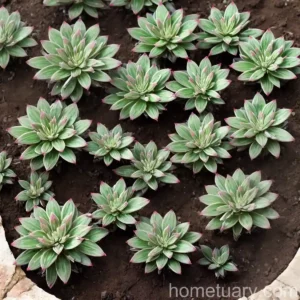
- Vibrant Foliage Palette: The foliage of Mexican stonecrop features a captivating array of colors, ranging from silvery blue-green to vibrant red-tinged leaves, providing visual interest throughout the year.
- Rock Garden Wonder: Its trailing growth habit and succulent leaves make Mexican stonecrop an ideal addition to rock gardens and alpine landscapes, creating picturesque scenes among rocky outcrops and crevices.
- Sedum Symbolism: In folklore and symbolism, the sedum plant is associated with qualities such as resilience, endurance, and strength, reflecting its tenacious nature in different cultural traditions.
Links to External Resources
For further exploration of Mexican stonecrop and its cultivation, here are some valuable external resources to enhance your knowledge and appreciation of this remarkable succulent:
- Sedum mexicanum Plant Profile – Royal Horticultural Society
- Growing Succulents Indoors – University of Florida IFAS Extension
- Sedum Propagation Techniques – University of California Agriculture and Natural Resources
- Drought-Tolerant Landscaping Ideas – National Wildlife Federation
- Folklore and Symbolism of Plants – The Herb Society of America
By incorporating these insights and resources into your journey with Mexican stonecrop, you can further elevate your gardening expertise and create captivating outdoor spaces that celebrate the beauty and resilience of this alluring succulent.
In conclusion, the allure of Mexican stonecrop lies in its adaptability, low-maintenance care, and ornamental features that contribute to the aesthetic appeal of gardens, landscapes, and indoor settings. By embracing the principles of responsible cultivation and leveraging the diverse applications of this succulent, you can infuse charm and vitality into your outdoor spaces while fostering a sustainable and ecologically rich environment.
So whether you’re a novice gardener seeking a resilient and captivating plant or a seasoned horticulture enthusiast venturing into the realm of succulents, Mexican stonecrop (Sedum mexicanum) stands as a versatile and delightful addition to your botanical repertoire, offering enduring beauty and enduring charm year after year.