Cork Elm (Ulmus Thomasii)
As a plant scientist, I am deeply fascinated by the diverse and extraordinary world of plants. Each plant species has its own unique characteristics.
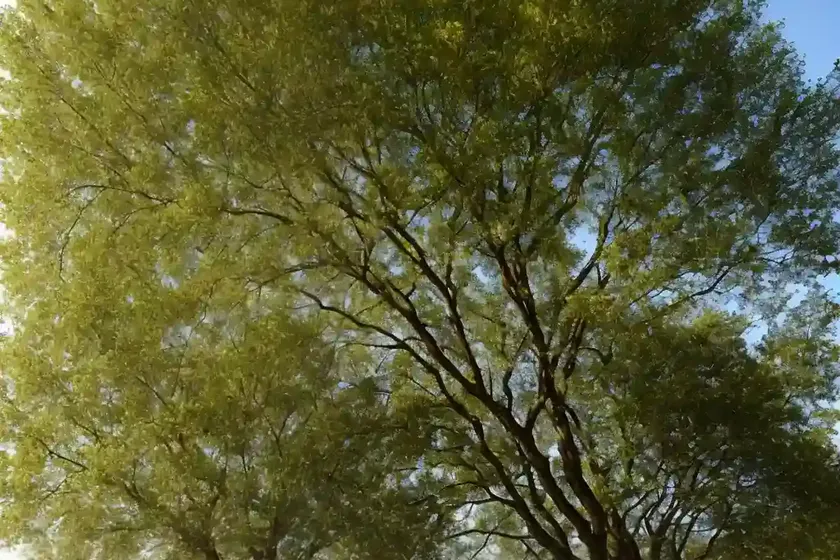
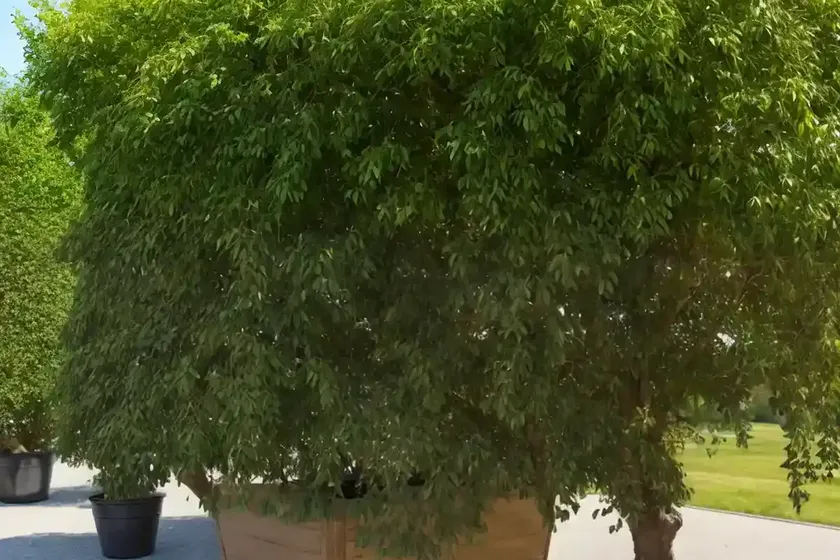
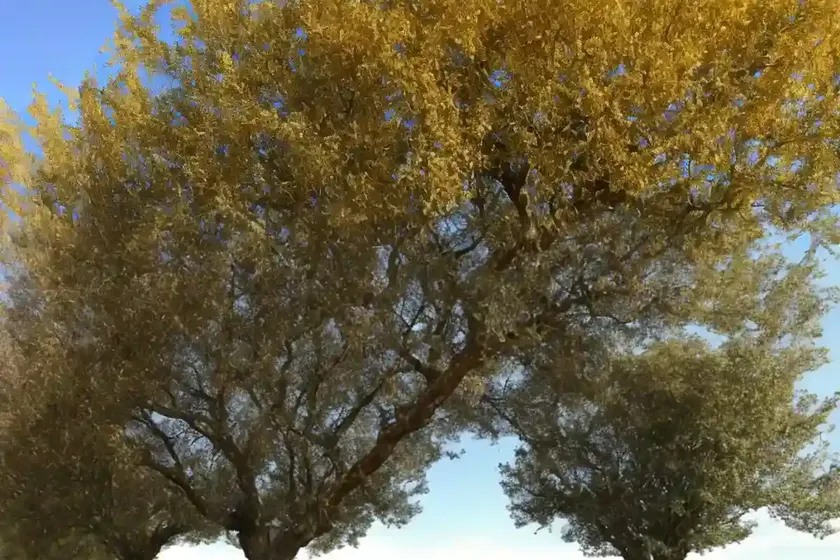
As a plant scientist, I am deeply fascinated by the diverse and extraordinary world of plants. Each plant species has its own unique characteristics, growing habits, and uses. In this blog post, I will delve into the fascinating world of the Cork Elm (Ulmus thomasii), a magnificent tree that has captured the attention of botanists, horticulturists, and nature enthusiasts alike.
What is Cork Elm?
Cork elm, scientifically known as Ulmus thomasii, is a species of elm native to North America. This deciduous tree is renowned for its remarkable resilience, adaptability, and aesthetic appeal. Its common name, “Cork Elm,” alludes to the distinctive corky wings that form on the branches, adding a unique textural element to the tree.
Cork Elm Description
The Cork Elm is characterized by its broad, spreading crown and a straight, cylindrical trunk. The tree can reach heights of up to 60-70 feet at maturity, making it a substantial presence in the landscape. Its dark green foliage turns to striking shades of yellow in the fall, creating a breathtaking display of autumnal colors.
Key Takeaways – Cork Elm (Ulmus thomasii)
Culture
- Hardiness Zone: 4-9
- Growth Rate: Moderate
- Lifespan: 100-150 years
- Soil Preferences: Well-drained, fertile soil
- Climate Adaptability: Tolerant of a wide range of climatic conditions
Uses
- Landscape Tree: Provides ample shade and ornamental value
- Wildlife Attraction: Serves as a habitat for birds and insects
- Wood Properties: Durable and suitable for various woodworking applications
Water
- Watering Needs: Regular watering, especially during the establishment phase
- Drought Tolerance: Moderate once established
Sunlight
- Sun Exposure: Full sun to partial shade
- Shade-Giving Qualities: Forms a dense canopy, providing cooling shade in the summer
Fertilizer
- Fertilization: Beneficial in nutrient-poor soils or for young trees
- Fertilizer Type: Balanced, slow-release fertilizer
Soil
- pH Range: Tolerant of a wide pH range
- Soil Moisture: Requires well-drained soil
- Soil Amendments: Organic matter can improve soil structure and fertility
Pruning
- Pruning Frequency: Typically, minimal pruning is required
- Pruning Tips: Remove dead or damaged branches; prune in late winter or early spring
Propagation
- Propagation Methods: Seeds, cuttings
- Seed Propagation: Stratification may enhance germination
- Cutting Propagation: Semi-hardwood cuttings in late spring or early summer
Container Popularity
- Container Growth: Suitable for large containers when young
- Urban Tree Benefits: Provides shade and aesthetic value in urban environments
Common Diseases
- Disease Resistance: Exhibits resistance to Dutch Elm disease
- Disease Susceptibility: Vulnerable to Elm Yellows
Disease Diagnosis
- Symptoms: Wilting, yellowing foliage, dieback
- Diagnostic Measures: Laboratory testing for pathogen identification
Common Pests
- Pest Resistance: Exhibits resistance to Elm Leaf Beetle
- Pest Susceptibility: Vulnerable to aphid infestations
Botanist’s Tips
- Mulching: Apply a layer of mulch around the base of the tree to conserve moisture and moderate soil temperature
- Pruning Caution: Exercise care when pruning to avoid introducing pathogens
Fun Facts
- The Cork Elm’s wood is valued for its interlocking grain and resistance to splitting, making it prized for furniture and flooring.
- The tree’s distinctive corky wings, while visually striking, serve the practical purpose of conducting water to the roots during periods of drought.
Links to External Resources
As we unravel the multifaceted allure of the Cork Elm, we will explore its planting guidelines, care requirements, ecological significance, and much more. Join me on this botanical journey as we uncover the wonders of the Cork Elm tree.
In the realm of plant taxonomy, the Cork Elm, scientifically classified as Ulmus thomasii, stands as a testament to nature’s ingenuity. This resilient and visually captivating tree has garnered attention for its diverse attributes, ranging from its ornamental appeal to its ecological significance. Let us embark on a comprehensive exploration of the Cork Elm’s characteristics, growth habits, and the benefits it offers to the environment and landscape.
Ulmus thomasii Characteristics
The Cork Elm, a native of North America, exhibits a host of distinguishing characteristics that contribute to its botanical allure:
Growth Habits
The Cork Elm typically assumes a broadly vase-shaped crown, creating a graceful and expansive silhouette in the landscape. Its horizontal branches, adorned with corky wings, add an intriguing textural element to the tree’s overall appearance.
Leaf Pattern
The leaves of Ulmus thomasii are oval-shaped with serrated edges, showcasing a vibrant dark green hue during the growing season. As autumn approaches, the foliage undergoes a dramatic transformation, turning into a glowing tapestry of yellow, gold, and occasionally, hints of orange.
Leaf Color
The transition in leaf color during the fall season presents a spectacle of nature’s artistry, as the Cork Elm lends a spectacular visual display of autumnal hues to the scenery.
Size and Shape
At maturity, the Cork Elm can attain heights of 60-70 feet, with a spread of 40-60 feet, forming an imposing and substantial presence in the landscape. The tree’s well-proportioned form and sturdy constitution make it an iconic addition to various environments.
Bark Characteristics
The bark of Ulmus thomasii is characterized by its ridged, fissured texture, with tones ranging from grey to brown. This bark exudes a sense of timeless strength and resilience, adding to the tree’s inherent charm.
Root System
The tree develops an extensive root system, anchoring it firmly in the soil and contributing to its overall stability and longevity.
Benefits of Growing Cork Elm
Ecological Significance
The Cork Elm plays a pivotal role in supporting biodiversity and ecological balance. It serves as a host for diverse insect species and provides a habitat for birds, contributing to the intricate web of interconnected life in natural ecosystems.
Landscape Aesthetic
As a shade-providing tree, the Cork Elm enhances outdoor spaces with its cooling canopy and creates inviting environments for leisure and relaxation. Its vibrant fall foliage further elevates the visual appeal of parks, gardens, and urban landscapes.
Drought Tolerance
Ulmus thomasii exhibits a commendable level of drought tolerance once established, making it a valuable asset in regions prone to water scarcity or periodic drought conditions.
Wood Properties
The timber of the Cork Elm possesses inherent strength, durability, and resistance to decay, rendering it suitable for various applications in construction, furniture making, and woodworking.
Wildlife Attraction
The tree’s capacity to attract and sustain wildlife, from nesting birds to foraging insects, contributes to the overall biodiversity and ecological balance of its surrounding habitat.
Ulmus thomasii Planting Guide
Climate Requirements
The Cork Elm demonstrates remarkable adaptability to varying climatic conditions, thriving in hardiness zones 4-9. Its ability to withstand a wide range of temperatures and weather patterns makes it an excellent choice for diverse geographical regions.
Soil Preferences
Well-drained, fertile soil is conducive to the optimal growth and development of Ulmus thomasii. While the tree exhibits a degree of soil tolerance, ensuring adequate drainage is essential for its long-term health.
Planting Tips
When planting Cork Elm saplings, it is advisable to dig a hole that is twice as wide as the root ball to provide ample space for root expansion. An initial layer of mulch around the base of the tree helps retain moisture and regulate soil temperature during its establishment phase.
Watering Needs
Regular watering, especially during the early stages of establishment, promotes healthy root development and facilitates the tree’s acclimatization to its new environment.
Cork Elm Tree Care Instructions
- Pruning: Minimal pruning is generally required, with a focus on removing dead or damaged branches. Pruning in late winter or early spring is recommended to minimize stress on the tree.
- Fertilization: Young Cork Elms may benefit from balanced, slow-release fertilizers to supplement soil nutrients for robust growth.
- Mulching: Applying a layer of organic mulch around the base of the tree conserves moisture and reduces weed competition, contributing to the tree’s overall vigor.
Cork Elm Growth Habits
Ulmus thomasii exhibits a moderate growth rate, gradually attaining its full size and forming a well-proportioned, stately presence in the landscape. Its adaptability to urban environments adds to its appeal as a shade-providing and aesthetically pleasing tree for parks and streetscapes.
Ulmus thomasii Disease Resistance
Notably, the Cork Elm demonstrates resistance to Dutch Elm disease, a pervasive affliction that has decimated populations of other elm species. This resilience makes it a valuable addition to landscapes where disease management is a concern.
Cork Elm Tree Benefits for the Environment
The Cork Elm contributes to environmental sustainability through its capacity to sequester carbon, mitigate urban heat island effects, and enhance air quality. Its role in urban forestry and green infrastructure underscores its significance as an ally in promoting healthy, resilient communities.
How to Care for Cork Elm
Winter Hardiness
Ulmus thomasii exhibits a commendable degree of resilience to winter conditions, withstanding cold temperatures and occasional frost events. Its robust nature enhances its suitability for regions with challenging winter climates.
Propagation Methods
The propagation of Cork Elm can be achieved through seeds and cuttings. Seed stratification may enhance germination, while semi-hardwood cuttings are a viable method for vegetative propagation.
Landscape Design Ideas
In landscape design, the Cork Elm serves as a versatile and impactful element, offering shade, visual interest, and seasonal color. Its adaptability to various soil types and climatic conditions makes it an asset in creating resilient and visually appealing outdoor environments.
Wildlife Attraction
The presence of Cork Elm trees in natural and managed landscapes contributes to biodiversity by providing food, shelter, and nesting sites for a diverse array of wildlife, from songbirds to pollinating insects.
Wood Uses
The timber of Ulmus thomasii possesses qualities of strength, durability, and natural resistance to decay, making it a valuable material for woodworking, flooring, and other applications that demand reliable and enduring wood.
Ulmus thomasii Species Overview
The species Ulmus thomasii embodies the resilience, adaptability, and ecological significance that characterize the genus Ulmus. Its role as a native North American tree underscores its value as a component of natural ecosystems and as a contributor to the cultural and ecological heritage of the region.
Native Range
Ulmus thomasii is native to the central and eastern regions of North America, where it plays an integral role in forest ecosystems and riparian landscapes. Its natural distribution reflects its capacity to thrive in diverse ecological niches.
Medicinal Properties
Traditional uses of Cork Elm have included medicinal applications, with various parts of the tree utilized for their purported therapeutic benefits. While modern research in this area is limited, it highlights the historical and cultural significance of the tree to indigenous communities.
Cork Elm Tree Pruning Tips
Pruning of Cork Elm is primarily focused on maintaining the tree’s health, structural integrity, and aesthetic appeal. Careful consideration of branch structure and timing of pruning activities contributes to the tree’s long-term vitality and vigor.
Native Range
Ulmus thomasii is native to the central and eastern regions of North America, where it plays an integral role in forest ecosystems and riparian landscapes. Its natural distribution reflects its capacity to thrive in diverse ecological niches.
Cork Elm Tree Facts
Fall Foliage Color
The transition in leaf color during the fall season presents a spectacle of nature’s artistry, as the Cork Elm lends a spectacular visual display of autumnal hues to the scenery.
Urban Tree Benefits
In urban environments, where green spaces are essential for human well-being and environmental resilience, the Cork Elm contributes to the urban forest’s capacity to mitigate air pollution, moderate temperatures, and support diverse flora and fauna.
Wood Durability
The timber of Cork Elm is valued for its inherent strength, resistance to splitting, and natural durability, making it a favored material for various woodworking applications.
Cork Elm Tree Pruning Techniques
Proper pruning techniques, including the removal of dead or diseased wood and the promotion of balanced branch structure, contribute to the overall health and longevity of Cork Elm trees in managed landscapes.
Ulmus thomasii Wood Properties
The wood of Cork Elm exhibits properties of strength, durability, and natural resistance to decay, making it a desirable material for a range of woodworking applications, including furniture construction, flooring, and artisanal crafts.
Bark Characteristics
The bark of Ulmus thomasii is an enduring feature of the tree, showcasing a rugged, textural quality that adds visual interest and serves as a protective layer for the tree’s vascular system.
Wind Tolerance
The Cork Elm displays a commendable degree of tolerance to winds, making it suitable for regions prone to periodic gusts and strong breezes.
Cork Elm Tree Cultivation
Soil Preferences
Well-drained, fertile soil is conducive to the optimal growth and development of Ulmus thomasii. While the tree exhibits a degree of soil tolerance, ensuring adequate drainage is essential for its long-term health.
Watering Needs
Regular watering, especially during the early stages of establishment, promotes healthy root development and facilitates the tree’s acclimatization to its new environment.
Planting Tips
When planting Cork Elm saplings, it is advisable to dig a hole that is twice as wide as the root ball to provide ample space for root expansion. An initial layer of mulch around the base of the tree helps retain moisture and regulate soil temperature during its establishment phase.
Ulmus thomasii Natural Habitat
The natural habitat of Ulmus thomasii encompasses a range of environments, including woodlands, floodplains, and riparian zones. Its ecological niche reflects its adaptability to fluctuating water levels and diverse soil conditions.
Seed Propagation
The propagation of Cork Elm through seeds involves specific considerations, including stratification to enhance germination rates and promote the establishment of robust seedlings.
Cork Elm Tree Size and Shape
The distinctive vase-shaped crown and substantial size of Cork Elm trees contribute to their visual impact and their capacity to provide shade and aesthetic value in diverse settings.
Cork Elm Tree Watering Needs
Regular watering, particularly during periods of limited rainfall or drought, contributes to the health and vitality of Cork Elm trees, especially during their establishment phase.
Cork Elm Tree Root Development
The extensive root system of Cork Elm trees contributes to their stability, nutrient uptake, and overall resilience in diverse soil and environmental conditions.
Ulmus thomasii Landscape Uses
Shade-Giving Qualities
The dense canopy and generous foliage of the Cork Elm make it an exceptional choice for shading outdoor spaces, enhancing comfort, and promoting the enjoyment of natural environments.
Climate Adaptability
Ulmus thomasii exhibits a high degree of adaptability to various climatic conditions, making it an appealing choice for a broad geographical range.
Pruning Tips
Pruning of Cork Elm trees focuses on selective removal of dead, damaged, or crossing branches, promoting good branch structure and overall tree health.
Ulmus thomasii Wildlife Attraction
As an essential component of natural ecosystems, Cork Elm trees provide shelter, food, and nesting sites for diverse wildlife, contributing to the overall ecological balance.
Cork Elm Tree Maintenance
Maintenance Practices
Regular inspections for signs of disease, appropriate watering, and minimal pruning constitute the primary maintenance practices for preserving the health and vigor of Cork Elm trees.
Cork Elm Tree Bark Characteristics
The textured, weathered appearance of Cork Elm bark adds to the tree’s aesthetic appeal and serves as a protective layer, safeguarding the tree’s vascular system.
Tree Lifespan
Cork Elm trees have a noteworthy lifespan, often lasting 100-150 years when provided with suitable growing conditions and care.
Cork Elm Tree Climate Requirements
Ulmus thomasii exhibits adaptability to diverse climatic conditions, reflecting its resilience and capacity to thrive in varying environments.
The Cork Elm (Ulmus thomasii) captures the imagination with its remarkable attributes, from its ornamental appeal to its ecological significance. As we unravel the multifaceted allure of this iconic tree, we gain insight into its planting guidelines, care requirements, and its profound impact on the environment and landscape.
Cork Elm Tree Popularity
Botanical Distinction
The distinctive corky wings that form on the branches of the Cork Elm set it apart, adding an extraordinary textural dimension to its visual allure. This characteristic feature has contributed to its recognition and popularity among plant enthusiasts and landscape designers.
Aesthetic Appeal
The graceful form, vibrant foliage, and captivating fall colors of the Cork Elm make it a sought-after addition to public and private landscapes, where it elevates the visual impact and environmental quality of its surroundings.
Ecological Significance
As a native tree that sustains diverse wildlife and contributes to the ecological balance of its habitat, the Cork Elm holds significant appeal for individuals and organizations dedicated to promoting biodiversity and sustainable land management.
Resilience and Adaptability
The innate resilience of Ulmus thomasii, particularly its resistance to Dutch Elm disease and its ability to thrive in diverse environments, has garnered attention and admiration, underpinning its popularity in horticultural and ecological contexts.
Common Diseases Affecting Cork Elm
Dutch Elm Disease
The devastating impact of Dutch Elm disease, caused by the fungal pathogen Ophiostoma novo-ulmi, has led to widespread decline in other elm species. However, Ulmus thomasii demonstrates a notable resistance to this destructive disease, allowing it to thrive in landscapes affected by Dutch Elm disease.
- Symptoms: Wilting, yellowing foliage, and rapid decline
- Disease Management: Implementation of preventive measures, such as monitoring and sanitation, are essential for controlling the spread of the disease.
Elm Yellows
While exhibiting resistance to Dutch Elm disease, Cork Elm trees can be susceptible to Elm Yellows, a phytoplasma-induced disease that can cause severe decline and mortality in affected trees.
- Diagnostic Measures: Identification of distinct symptoms, including yellowing foliage and stunted growth, can aid in early detection and disease management efforts.
Cork Elm Tree Pests and Diseases
Pest Resistance
The Cork Elm displays resistance to Elm Leaf Beetle, a common pest that can defoliate and weaken other elm species. This resistance reduces the susceptibility of Cork Elm to pest-related damage, contributing to its overall vigor and health.
Aphid Infestations
While exhibiting notable resistance to certain pests, Cork


