Mealycup Sage (Salvia Farinacea)
As a plant scientist, I am constantly exploring the diverse world of plants and their unique characteristics. One such fascinating plant is the Mealycup.
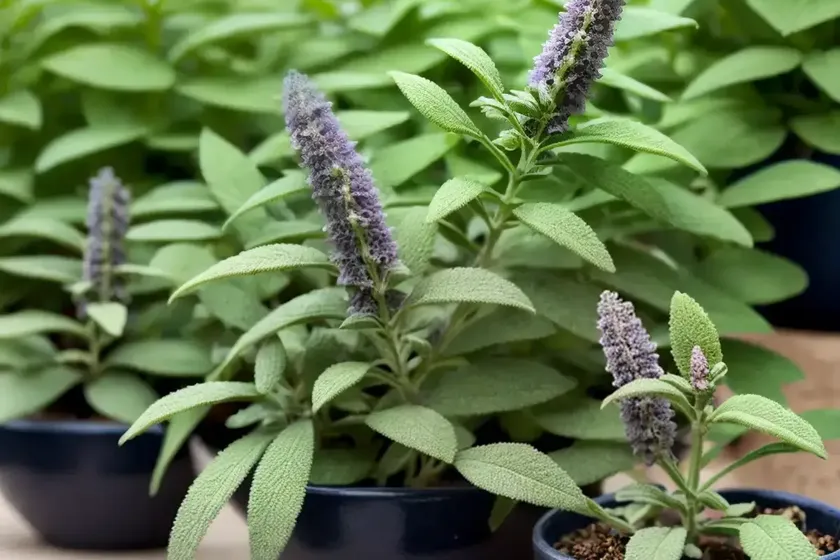
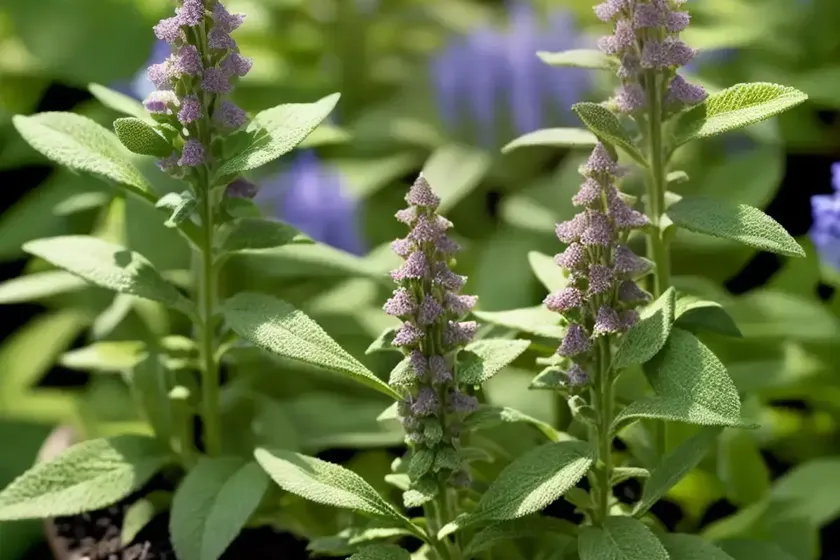
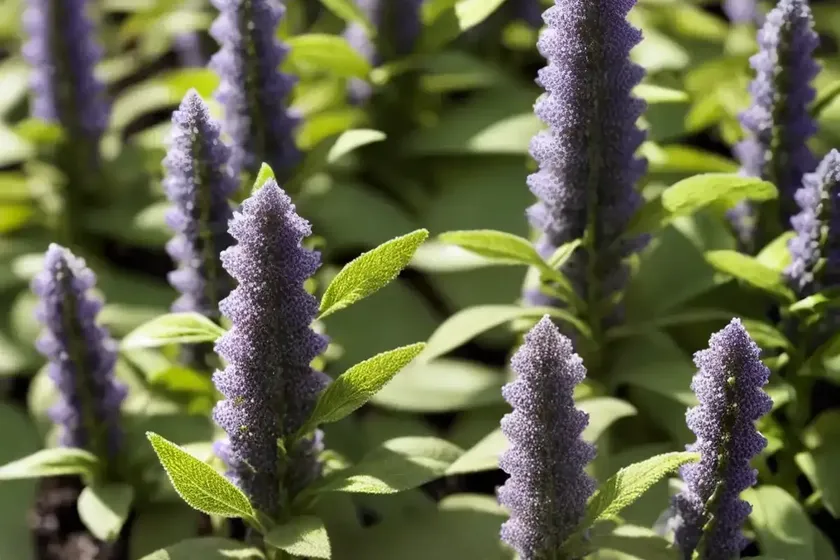
As a plant scientist, I am constantly exploring the diverse world of plants and their unique characteristics. One such fascinating plant is the Mealycup sage, scientifically known as Salvia farinacea. This beautiful plant has captured the hearts of many garden enthusiasts with its stunning blooms and versatile uses.
In this comprehensive guide, we will delve into the world of Mealycup sage, exploring its culture, uses, care requirements, landscaping ideas, medicinal uses, and much more. Whether you are a seasoned gardener or a beginner looking to add a touch of elegance to your green space, this guide will provide you with all the essential information you need to cultivate and appreciate the beauty of Mealycup sage.
What is Mealycup Sage (Salvia farinacea)?
Mealycup sage (Salvia farinacea) is a species of flowering plant in the mint family, Lamiaceae. It is native to Texas, as well as other regions in the United States and Mexico. This perennial plant is known for its striking flowers, which come in various shades of blue, as well as white and purple. The distinct tubular flowers, arranged in verticillasters, create a visually appealing display that attracts pollinators such as butterflies and bees.
Mealycup sage is valued not only for its ornamental beauty but also for its resilience and adaptability. This plant is well-suited for various gardening settings, including borders, containers, and mass plantings. Its ability to thrive in a range of conditions, coupled with its attractive aesthetic, makes it a popular choice for landscapes and gardens.
Now, let’s explore the key takeaways about Mealycup sage, covering its culture, uses, care requirements, and much more.
Key Takeaways – Mealycup Sage (Salvia farinacea)
Mealycup sage (Salvia farinacea) encompasses a wide array of characteristics and uses, making it a versatile and valuable addition to any garden or landscape. By understanding its cultural requirements, maintenance practices, and potential applications, you can fully appreciate the beauty and benefits that this plant has to offer.
Let’s dive into the key takeaways about Mealycup sage, covering various aspects such as culture, uses, water, sunlight, fertilizer, soil, pruning, propagation, container gardening, popularity, common diseases, common pests, botanist’s tips, fun facts, and links to external resources.
Culture
Mealycup sage (Salvia farinacea) exhibits certain cultural preferences and requirements that are important to consider for its successful growth and development. Understanding its cultural needs can help ensure that the plant thrives and produces an abundance of blooms.
Uses
The uses of Mealycup sage extend beyond its ornamental value. This versatile plant finds applications in landscaping, companion planting, and even traditional medicine. Exploring its various uses can inspire creative ways to incorporate it into different settings.
Water
Proper watering is essential for the health and vitality of Mealycup sage. Understanding its watering requirements and implementing appropriate watering practices can contribute to robust growth and prolific flowering.
Sunlight
As with many plants, sunlight plays a crucial role in the overall health and performance of Mealycup sage. Adequate sunlight exposure is vital for ensuring strong, well-developed plants with vibrant blooms.
Fertilizer
Feeding your Mealycup sage with the right nutrients can enhance its growth and flowering. Understanding the fertilizer needs and application methods is essential for promoting healthy and vigorous plants.
Soil
The quality and composition of the soil significantly influence the growth and success of Mealycup sage. Choosing the right soil type and ensuring optimal soil conditions are key factors in cultivating thriving plants.
Pruning
Pruning is an important aspect of caring for Mealycup sage, as it helps maintain its shape, promote branching, and rejuvenate the plant. Knowing when and how to prune this species can contribute to its overall appearance and longevity.
Propagation
The ability to propagate Mealycup sage through different methods allows for the expansion of its population and the creation of new plants. Understanding the propagation techniques can open up opportunities for multiplying this desirable species.
Container Gardening
Mealycup sage is well-suited for container gardening, offering an opportunity to bring its beauty to smaller outdoor spaces or even indoor environments. Exploring container gardening options with this plant can provide versatility in design and placement.
Popularity
The popularity of Mealycup sage stems from its visual appeal, ease of cultivation, and diverse applications. Understanding the factors contributing to its popularity sheds light on its significance in the gardening and landscaping realms.
Common Diseases
Like any plant, Mealycup sage is susceptible to certain diseases that can impact its health and appearance. Being aware of common diseases and their symptoms is crucial for timely intervention and disease management.
Disease Diagnosis
Accurately diagnosing diseases affecting Mealycup sage enables targeted treatment and preventive measures. Understanding the signs and causes of diseases is essential for maintaining the plant’s vigor and resilience.
Common Pests
Pests can pose a threat to the well-being of Mealycup sage, requiring vigilance and appropriate pest management strategies. Identifying common pests and implementing control measures can safeguard the plant from potential damage.
Botanist’s Tips
Insights from botanical experts can offer valuable guidance on cultivating and caring for Mealycup sage. Learning from the experiences and recommendations of botanists can enrich your understanding of this plant and contribute to its success in your garden.
Fun Facts
Uncovering intriguing facts about Mealycup sage provides a deeper appreciation for its unique qualities and ecological significance. Delving into the fun facts about this plant adds an element of fascination to your gardening journey.
Links to External Resources
Accessing additional resources and information on Mealycup sage from reputable sources can further expand your knowledge and support your cultivation practices. Exploring external resources provides a well-rounded understanding of this captivating plant.
Now that we have delineated the key takeaways, we will delve into each aspect of Mealycup sage in detail, providing valuable insights and practical tips for cultivating and appreciating this remarkable plant.
Salvia farinacea care
Proper care is essential for the optimal growth and development of Mealycup sage (Salvia farinacea). By addressing its specific cultural requirements, you can create an environment where this plant thrives and flourishes. Let’s explore the care guidelines for nurturing healthy and vibrant Mealycup sage.
Mealycup Sage Varieties
Mealycup sage (Salvia farinacea) offers a variety of cultivars, each with its own unique characteristics such as flower color, size, and growth habit. Exploring different varieties can help you select the most suitable options for your gardening or landscaping needs.
Growing Salvia farinacea
Understanding the fundamental requirements for growing Salvia farinacea is essential for establishing robust and floriferous plants. By providing the necessary conditions and care, you can ensure successful cultivation of this captivating species.
How to Propagate Mealycup Sage
Propagation methods such as seed propagation and division offer opportunities to propagate Mealycup sage and expand its presence in your garden or landscape. Exploring propagation techniques can empower you to create new plants and enhance the overall visual impact.
Salvia farinacea Planting Tips
Implementing effective planting practices is crucial for establishing healthy and resilient Salvia farinacea plants. By adopting proper planting techniques, you can set the stage for optimal growth and abundant flowering.
Mealycup Sage Pruning Guide
Pruning is an important aspect of maintaining healthy and well-shaped Mealycup sage plants. Following a comprehensive pruning guide can help you achieve desirable plant form and promote continuous blooming.
Salvia farinacea Watering Requirements
Understanding the watering needs of Salvia farinacea is essential for providing adequate moisture without overwatering. By adhering to watering requirements, you can support the plant’s growth and vitality.
Best Soil for Mealycup Sage
Selecting the best soil for Mealycup sage is critical for ensuring proper drainage, aeration, and nutrient availability. Choosing the right soil type and composition contributes to the overall health and performance of the plants.
Salvia farinacea Sun Exposure
Sun exposure plays a crucial role in the growth and flowering of Salvia farinacea. Providing the appropriate amount of sunlight is essential for maximizing the plant’s photosynthetic activity and blooming potential.
Mealycup Sage Companion Plants
Pairing Mealycup sage with suitable companion plants can create visually appealing and ecologically beneficial plant combinations. Exploring compatible companion plants enhances the aesthetic and ecological value of your garden or landscape.
Salvia farinacea Pests and Diseases
Being vigilant about potential pests and diseases affecting Salvia farinacea is crucial for timely intervention and effective management. Understanding common issues and preventive measures is essential for preserving the plant’s health.
Growing Mealycup Sage from Seeds
Cultivating Mealycup sage from seeds opens up opportunities for creating new plants and experiencing the full life cycle of this species. Following the recommended seed starting practices contributes to successful germination and establishment.
Salvia farinacea Maintenance
Regular maintenance practices, such as deadheading and grooming, contribute to the overall health and appearance of Salvia farinacea. Incorporating maintenance tasks into your gardening routine promotes continuous flowering and plant vigor.
Mealycup Sage Blooming Season
Observing the blooming season of Mealycup sage provides insights into its flowering patterns and duration. Understanding the timing of blooms allows for effective planning and appreciation of the plant’s seasonal display.
Salvia farinacea Indoor Cultivation
Exploring indoor cultivation options for Salvia farinacea enables you to enjoy its beauty within the confines of indoor spaces. Implementing suitable growing conditions and care practices supports successful indoor cultivation.
Mealycup Sage Landscaping Ideas
Incorporating Mealycup sage into landscaping designs offers opportunities to create visually striking and ecologically diverse outdoor spaces. Exploring innovative landscaping ideas with this plant can elevate the aesthetic appeal and ecological value of your landscape.
Salvia farinacea Medicinal Uses
Discovering the medicinal uses of Salvia farinacea sheds light on its potential therapeutic properties and traditional applications. Exploring its medicinal uses adds a fascinating dimension to its overall significance.
Mealycup Sage Pollination Process
Understanding the pollination process of Mealycup sage contributes to a deeper appreciation of its ecological interactions and reproductive mechanisms. Exploring the pollination dynamics enhances your understanding of the plant’s role in the broader ecosystem.
Salvia farinacea Wildlife Attractant
Mealycup sage serves as a valuable wildlife attractant, drawing in beneficial pollinators such as butterflies and bees. Creating an environment that supports wildlife through the cultivation of Salvia farinacea contributes to ecological biodiversity.
Mealycup Sage Container Gardening
The adaptability of Mealycup sage makes it well-suited for container gardening, offering versatility in design and placement. Exploring container gardening options with this plant adds a decorative element to outdoor and indoor settings.
Salvia farinacea Natural Habitat
Understanding the natural habitat of Salvia farinacea provides insights into its native range and ecological adaptations. Exploring its natural habitat enhances your appreciation of the plant’s origins and ecological niche.
Mealycup Sage Climate Requirements
Considering the climate requirements of Mealycup sage is crucial for determining its suitability for different geographic regions. Understanding its climate preferences enables informed decisions regarding its cultivation.
Salvia farinacea Drought Tolerance
The drought tolerance of Salvia farinacea reflects its ability to withstand dry conditions and flourish in arid environments. Exploring its drought tolerance highlights its resilience and adaptability in water-stressed settings.
Mealycup Sage Fragrance
Some varieties of Mealycup sage exhibit distinct fragrances, adding an olfactory dimension to their appeal. Discovering the fragrance characteristics of different cultivars enhances the sensory experience of this captivating plant.
Salvia farinacea Hybrid Varieties
Hybridization has resulted in a range of Salvia farinacea cultivars with unique traits and attributes. Exploring hybrid varieties adds diversity and novelty to the cultivation and appreciation of this species.
Mealycup Sage Common Problems
Identifying and addressing common problems encountered in the cultivation of Mealycup sage is essential for maintaining plant health and vitality. Developing effective solutions for common issues supports successful cultivation.
Salvia farinacea Flower Colors
The diverse flower colors exhibited by Mealycup sage cultivars contribute to its ornamental appeal and visual impact. Exploring different flower colors enhances the aesthetic diversity and design possibilities in garden settings.
Mealycup Sage Seasonal Care
Adapting care practices based on seasonal requirements ensures the continuous health and vigor of Mealycup sage throughout the year. Tailoring care activities to seasonal demands supports optimal growth and flowering.
Salvia farinacea Wildlife Conservation
The role of Mealycup sage in wildlife conservation underscores its ecological significance and contribution to biodiversity. Supporting conservation efforts through the cultivation of Salvia farinacea promotes the preservation of wildlife habitats.
Mealycup Sage Landscape Design
Incorporating Mealycup sage into landscape designs offers opportunities to create visually stunning and ecologically diverse outdoor spaces. Exploring landscape design ideas with this plant enriches the aesthetic and ecological value of your landscape.
Salvia farinacea Garden Maintenance
Integrating proper maintenance practices into your gardening routine contributes to the overall health and appearance of Salvia farinacea. Routine maintenance supports continuous flowering and plant vigor.
Mealycup Sage Native Species
Recognizing Mealycup sage as a native species contributes to its ecological heritage and conservation significance. Emphasizing its native status promotes the preservation and restoration of native plant communities.
Salvia farinacea Perennial Plant
As a perennial plant, Salvia farinacea offers the advantage of returning year after year, providing long-term ornamental and ecological benefits. Understanding its perennial nature enables long-term planning and cultivation.
Mealycup Sage Water-Wise Gardening
The water-wise characteristics of Mealycup sage make it well-suited for water-efficient gardening practices. Emphasizing its water-wise attributes aligns with sustainable gardening principles and conservation efforts.
Salvia farinacea Frost Protection
Mitigating the effects of frost is essential for safeguarding Salvia farinacea from cold-related damage. Implementing frost protection measures ensures the plant’s resilience and survival in cold-prone regions.
Mealycup Sage Cut Flower Arrangements
The striking blooms of Mealycup sage make it a desirable option for cut flower arrangements, adding beauty and fragrance to indoor spaces. Incorporating Mealycup sage into floral displays extends its decorative appeal beyond the garden.
Salvia farinacea Foliage Characteristics
The foliage characteristics of Salvia farinacea, including color, texture, and growth habit, contribute to its overall ornamental value. Exploring foliage traits enhances the visual interest and design potential of this species.
Mealycup Sage Pollinator-Friendly Plant
Mealycup sage serves as a valuable pollinator-friendly plant, attracting bees, butterflies, and other beneficial pollinators. Emphasizing its role as a pollinator-friendly species supports ecological sustainability and biodiversity.
Salvia farinacea Wildlife Garden Plant
Incorporating Salvia farinacea into wildlife gardens enhances habitat diversity and supports the well-being of beneficial wildlife species. Cultivating it as a wildlife garden plant contributes to ecological balance and conservation.
Mealycup Sage Garden Border Ideas
Utilizing Mealycup sage in garden borders offers opportunities to create visually appealing and ecologically functional boundaries. Exploring garden border ideas with this plant adds aesthetic and ecological value to outdoor spaces.
Salvia farinacea Xeriscaping Tips
The xeriscaping potential of Salvia farinacea underscores its suitability for water-efficient landscaping practices. Incorporating xeriscaping principles with this plant aligns with sustainable gardening and conservation objectives.
Mealycup Sage Herbaceous Perennial
As a herbaceous perennial, Mealycup sage provides enduring beauty and ecological benefits in garden landscapes. Recognizing its herbaceous perennial nature supports long-term planning and cultivation strategies.
Salvia farinacea Landscape Maintenance
Maintaining a well-kept landscape with Salvia farinacea requires regular upkeep and attention to plant health. Implementing landscape maintenance practices contributes to the overall visual appeal and ecological function of the landscape.
Mealycup Sage Edging Plant
The use of Mealycup sage as an edging plant offers opportunities to create defined borders and pathways with a touch of floral elegance. Incorporating it as an edging plant adds aesthetic definition and ornamental value to garden spaces.
Salvia farinacea Ornamental Plant
With its striking blooms and attractive foliage, Salvia farinacea serves as an ornamental plant that enhances the visual appeal of gardens and landscapes. Emphasizing its ornamental value contributes to the creation of captivating outdoor environments.
Mealycup Sage Container Plantings
The adaptability of Mealycup sage makes it an ideal candidate for container plantings, offering versatility in design and placement. Implementing container plantings with this species adds decorative charm to outdoor and indoor settings.
Salvia farinacea Water Conservation
The water-conserving traits of Salvia farinacea align with efforts to promote sustainable gardening practices and conserve water resources. Emphasizing its water conservation attributes supports environmental stewardship and ecological balance.
Mealycup Sage Groundcover Options
Utilizing Mealycup sage as a groundcover provides opportunities to create visually appealing and ecologically functional ground-level vegetation. Exploring groundcover options with this plant enriches the aesthetic and ecological diversity of outdoor spaces.
Salvia farinacea Hummingbird Attractant
The nectar-rich blooms of Salvia farinacea make it a desirable plant for attracting hummingbirds to garden settings. Emphasizing its role as a hummingbird attractant supports the ecological value and biodiversity of garden habitats.
Mealycup Sage Flower Symbolism
Exploring the symbolism associated with the flowers of Mealycup sage adds cultural and emotive significance to its ornamental value. Understanding its flower symbolism enriches the personal and aesthetic connections to this captivating plant.
Conclusion
In conclusion, Mealycup sage (Salvia farinacea) offers a wealth of ornamental, ecological, and cultural significance that enriches garden landscapes and outdoor environments. By understanding its cultural needs, uses, care requirements, and diverse applications, you can fully appreciate the beauty and functional value that this plant brings to gardens and landscapes.
This comprehensive guide has provided valuable insights into the world of Mealycup sage, covering various aspects such as culture, uses, water, sunlight, fertilizer, soil, pruning, propagation, container gardening, popularity, common diseases, common pests, botanist’s tips, fun facts, and links to external resources. Armed with this knowledge, you are well-equipped to cultivate, enjoy, and celebrate the captivating presence of Mealycup sage in your garden or landscape.
As you embark on your journey with Mealycup sage, I encourage you to explore its diverse applications, experiment with different varieties, and share in the delight of watching this remarkable plant thrive and blossom. Whether you are a seasoned gardener, a nature enthusiast, or a curious observer, the beauty and allure of Mealycup sage are sure to leave a lasting impression and inspire a deeper connection to the natural world.
References
-
Missouri Botanical Garden. “Salvia farinacea.” Available at: https://www.missouribotanicalgarden.org/PlantFinder/PlantFinderDetails.aspx?taxonid=292418&isprofile=0&.
-
Texas A&M AgriLife Extension. “Mealycup Sage.” Available at: https://agrilife.org/southvalleyhorticulture/ornamental-plants/mealcup-sage/.
-
North Carolina Extension Gardener Plant


