Plant Profile: Soapberry (Sapindus saponaria)
Introduction
The soapberry tree, scientifically known as Sapindus saponaria, is a fascinating plant that has been used for centuries due to its diverse applications across cultures and traditions. From being used as a natural detergent to its various health and environmental benefits, the soapberry plant has garnered attention for its eco-friendly and sustainable properties. In this comprehensive guide, we will delve into the various aspects of the soapberry tree, from its cultural significance and uses to its care requirements and propagation techniques.
What is a Soapberry Plant?
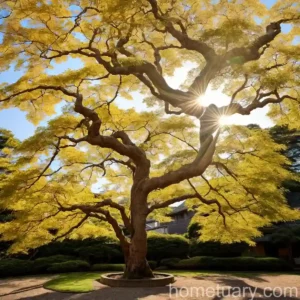
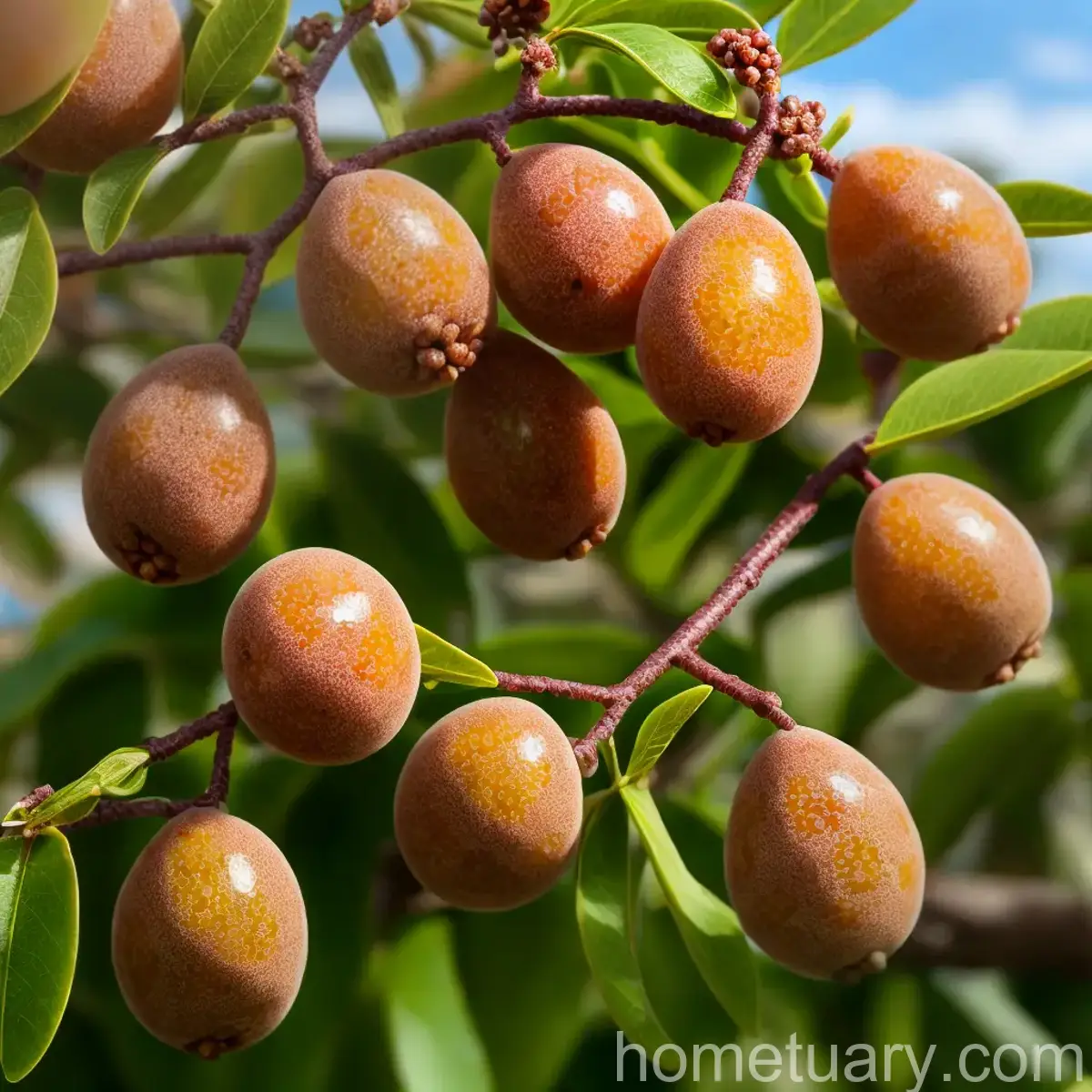
The soapberry tree, also known as Sapindus saponaria, belongs to the Sapindaceae family and is native to the Americas. This species is a large, evergreen tree that produces small, round fruits known as soapnuts. These soapnuts contain natural saponins, which are a type of surfactant that can create a lather when agitated in water. As a result, the soapberry plant has been traditionally used as a natural alternative to conventional detergents and has gained popularity in the realm of eco-friendly cleaning and personal care products.
Key Takeaways – Soapberry (Sapindus saponaria)
Before we delve deeper into the various aspects of the soapberry plant, let’s take a quick look at some key takeaways related to this fascinating species.
- The soapberry tree, or Sapindus saponaria, is renowned for its natural detergent properties and eco-friendly benefits.
- The soapnuts produced by the tree contain saponins, which can be extracted and used for various applications such as laundry, personal care, and household cleaning.
- Due to its sustainable nature, the soapberry plant has garnered attention as a viable alternative to synthetic detergents and cleaning products.
- Cultivating and caring for soapberry trees requires attention to factors such as water, sunlight, soil composition, and maintenance practices.
- The propagation of soapberry trees can be achieved through seeds, cuttings, or grafting, allowing for the expansion of its cultivation.
Culture
The soapberry tree holds significant cultural importance in various traditional practices and indigenous communities. Its historical usage as a natural cleansing agent and its versatile applications have contributed to its relevance across different cultures.
Uses
The soapberry plant is revered for its versatile uses, ranging from eco-friendly cleaning solutions to personal care applications. Let’s explore the diverse uses of this remarkable plant.
Water
The soapberry tree is relatively drought-tolerant once established, making it suitable for regions with periodic scarcity of water. However, adequate watering is crucial during its initial growth stages to facilitate root establishment and overall health.
Sunlight
Sapindus saponaria thrives in full sun to partial shade, requiring at least 6 hours of direct sunlight daily to promote vigorous growth and fruit production.
Fertilizer
While the soapberry tree is adaptable to various soil conditions, applying a balanced fertilizer in spring can support its overall growth and fruit development. Organic fertilizers rich in nitrogen and potassium are beneficial for enhancing the plant’s productivity.
Soil
The soapberry tree prefers well-draining soil with a slightly acidic to neutral pH. It can tolerate a range of soil types, including loamy, sandy, or clay soils, as long as the drainage is optimal.
Pruning
Pruning the soapberry tree is usually minimal and focuses on removing dead or damaged branches and shaping the tree for aesthetic appeal. Pruning can be carried out in late winter or early spring before the onset of new growth.
Propagation
The propagation of the soapberry tree can be achieved through several methods, including seeds, cuttings, and grafting. Each technique offers its own advantages and challenges, allowing for flexibility in expanding the cultivation of this species.
Container Popularity
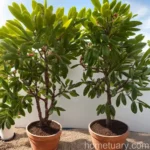
Due to its manageable size and ornamental value, the soapberry tree is also cultivated in containers, making it a popular choice for urban gardening and limited garden spaces.
Container Common Diseases
Several common diseases can affect soapberry trees, posing challenges to their overall health and productivity. Identifying and addressing these diseases is crucial for maintaining the vigor of the plant.
Disease Diagnosis
Key diseases that may affect soapberry trees include:
– Powdery mildew: Characterized by the presence of white powdery patches on leaves and stems.
– Anthracnose: Manifests as small, dark spots on leaves, often leading to defoliation and reduced fruit production.
– Leaf spot: Causes the development of circular lesions on the leaves, potentially impacting the tree’s photosynthetic capacity.
Common Pests
In addition to diseases, various pests can pose a threat to soapberry trees, requiring proactive management strategies to mitigate their impact on the plant’s health.
Botanist’s Tips
To ensure the successful cultivation and care of soapberry trees, botanist’s insights and recommendations can provide valuable guidance for enthusiasts and horticulturists.
Fun Facts
Discover intriguing and lesser-known facts about the soapberry tree that highlight its unique characteristics and contributions to sustainability and natural living.
Links to External Resources
Explore reputable sources and external references to further expand your knowledge of the soapberry plant, its uses, and cultivation techniques.
In conclusion, the soapberry tree, Sapindus saponaria, stands as a symbol of sustainability and eco-friendly practices, offering a natural alternative to conventional detergents and cleaning products. Its rich cultural significance, versatile uses, and straightforward cultivation make it a compelling choice for individuals seeking to embrace sustainable living and harness the benefits of natural resources.
For additional information and in-depth insights on the soapberry plant, be sure to explore the external resources provided below and embark on a journey of discovery and appreciation for this remarkable species.