Malus ‘Thunderchild’ (Crabapple) – A Complete Guide
Malus ‘Thunderchild’ is a stunning ornamental tree that belongs to the Crabapple family. This beautiful tree is renowned for its vibrant flowers, attractive foliage, and decorative fruit, making it a popular choice for ornamental landscaping. In this comprehensive guide, we will delve into the various aspects of Malus ‘Thunderchild’, including its characteristics, cultivation, uses, and maintenance, to help you understand and appreciate this delightful addition to any garden or landscape.
What is Malus ‘Thunderchild’?
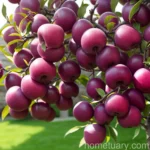
Malus ‘Thunderchild,’ more commonly known as Crabapple ‘Thunderchild,’ is a cultivar of the Malus genus, which is a diverse group comprising of small to medium-sized deciduous trees and shrubs. This particular cultivar is valued for its abundant display of deep pink to red flowers in spring, followed by small, dark purple fruit in the fall. The tree’s foliage also adds to its allure, with the emerging leaves showcasing a striking purple hue that gradually transitions to a deep green as the season progresses.
Malus ‘Thunderchild’ is prized for its ornamental value and is often used in gardens, parks, and as a standalone specimen tree. Its vibrant blossoms, colorful fruit, and attractive foliage make it a standout feature in any landscape.
Key Takeaways – Malus ‘Thunderchild’ (Crabapple)
Here are some key takeaways that we will be exploring in detail in this guide:
- Characteristics: A detailed look at the physical attributes and ornamental features of Malus ‘Thunderchild’.
- Culture: Understanding the preferred growing conditions and cultural requirements of this cultivar.
- Uses: Exploring the various uses of Crabapple ‘Thunderchild’ in landscaping and garden designs.
- Water: Guidelines for watering and water management to ensure the health and vigor of the tree.
- Sunlight: Sunlight requirements and tips for optimal light exposure.
- Fertilizer: Best practices for fertilizing and providing essential nutrients to the tree.
- Soil: Understanding the soil preferences and ideal soil conditions for Malus ‘Thunderchild’.
- Pruning: Techniques and timing for effective pruning to maintain tree health and shape.
- Propagation: Insights into propagation methods for growing new Crabapple ‘Thunderchild’ trees.
- Container Popularity: Information on growing this cultivar in containers and its popularity in container gardening.
- Container Common Diseases: Common diseases associated with growing Malus ‘Thunderchild’ in containers.
- Disease Diagnosis: Identifying and managing diseases that may affect the health of the tree.
- Common Pests: Recognizing and addressing common pest issues that can impact the tree.
- Botanist’s Tips: Expert tips and recommendations for cultivating and caring for Malus ‘Thunderchild’.
- Fun Facts: Intriguing and lesser-known facts about this captivating Crabapple cultivar.
Now, let’s dive into each of these aspects to gain a comprehensive understanding of Malus ‘Thunderchild’ and how to cultivate and care for this remarkable tree.
Characteristics of Malus ‘Thunderchild’
The Malus ‘Thunderchild’ cultivar exhibits a range of distinctive features that contribute to its overall appeal. Understanding the physical characteristics of this tree is essential for appreciating its ornamental value and potential uses in landscaping.
Growth Habit and Size
- Tree Type: Deciduous tree
- Mature Height: 15-20 feet
- Mature Spread: 15-20 feet
- Growth Rate: Moderate
Malus ‘Thunderchild’ typically grows as a small to medium-sized tree with a rounded and spreading crown. Its moderate growth rate allows it to develop into a well-proportioned and attractive specimen over time.
Foliage
- Leaf Type: Simple
- Leaf Arrangement: Alternate
- Leaf Shape: Ovate
- Foliage Color: Emerging purple, mature dark green
- Fall Color: Yellowish-orange
The foliage of Malus ‘Thunderchild’ adds to its visual appeal, with the emerging leaves in spring displaying a striking purple hue that gradually transforms into a deep green color as the season progresses. In the fall, the leaves turn a warm yellowish-orange, providing a final burst of color before winter.
Flowers
- Flower Color: Deep pink to red
- Bloom Time: Spring
- Fragrance: Mild, sweet fragrance
- Flower Type: Single or semi-double
The tree produces an abundant display of deep pink to red flowers in early spring, creating a stunning spectacle that attracts pollinators and adds vibrancy to the landscape.
Fruit
- Fruit Color: Dark purple
- Fruit Size: Approximately 1/2 inch in diameter
- Fruit Type: Pomes (crabapples)
- Fruit Display: Persistent (remains on the tree into winter)
- Wildlife Value: Attracts birds and wildlife
The small, dark purple fruit of Malus ‘Thunderchild’ adds ornamental interest to the tree, persisting on the branches well into the winter months. In addition to their visual appeal, the fruit also serves as a food source for birds and wildlife, contributing to the ecological value of the tree.
Crabapple ‘Thunderchild’ Care
Cultivating and caring for Malus ‘Thunderchild’ requires an understanding of its specific cultural needs, including water, sunlight, soil, and maintenance practices. Let’s explore each of these aspects in detail to ensure the optimal growth and health of this captivating tree.
Water
Proper watering is essential for establishing and maintaining the health of Malus ‘Thunderchild.’ The water requirements for this cultivar depend on various factors, including soil moisture, weather conditions, and the tree’s stage of growth.
- Watering Needs: Regular watering, especially during the establishment phase
- Monitoring Moisture: Check soil moisture levels regularly, and water when the top inch of soil is dry
- Deep Watering: Provide deep, thorough watering to promote deep root development
- Seasonal Adjustments: Adjust watering frequency based on seasonal conditions, aiming to maintain consistent soil moisture
- Water Conservation: Mulch around the base of the tree to conserve moisture and reduce water loss through evaporation
Sunlight
Ensuring adequate sunlight is crucial for the overall health and vigor of Malus ‘Thunderchild.’ Understanding its sunlight requirements and optimizing its exposure to light will support optimal growth and flowering.
- Sun Exposure: Full sun to partial shade
- Preferred Orientation: Plant in a location with morning sun and some protection from intense afternoon heat, especially in hotter climates
- Optimizing Light: Position the tree in a spot that receives at least 6-8 hours of direct sunlight daily
- Shading Considerations: Monitor for excessive shading from nearby structures or larger trees, and make adjustments as necessary to optimize sunlight exposure
Fertilizer
Providing appropriate nutrients through fertilization is essential for supporting the growth, flowering, and overall vitality of Malus ‘Thunderchild.’ A balanced fertilization regimen tailored to the tree’s needs can enhance its ornamental value and resilience.
- Fertilizer Type: Balanced, slow-release fertilizer for trees and shrubs
- Timing: Apply fertilizer in early spring before new growth begins
- Quantity: Follow recommended application rates based on the tree’s size and age
- Uniform Application: Spread fertilizer evenly within the tree’s drip line, avoiding direct contact with the trunk
- Nutrient Requirements: Consider soil tests and specific nutrient needs to adjust the fertilizer formulation as needed
Soil
Understanding the soil preferences of Malus ‘Thunderchild’ is essential for providing the optimal growing conditions and promoting strong, healthy root development. The right soil environment supports nutrient uptake, water retention, and overall tree vigor.
- Soil Type: Well-draining, loamy soil
- pH Range: Slightly acidic to neutral (pH 6.0-7.0)
- Soil Amendments: Incorporate organic matter such as compost or well-rotted manure to improve soil structure and fertility
- Mulching Benefits: Apply a layer of mulch around the base of the tree to regulate soil temperature, retain moisture, and suppress weed growth
- Soil Testing: Periodically test the soil to assess pH, nutrient levels, and overall soil health, making adjustments as needed
Pruning
Proper pruning is essential for maintaining the health, shape, and overall appearance of Malus ‘Thunderchild.’ Strategic pruning practices can also encourage vigorous growth, enhance flowering, and manage the tree’s size.
- Pruning Time: Perform major pruning during late winter or early spring while the tree is dormant
- Pruning Objectives: Remove dead, diseased, or damaged branches; shape the tree for optimal structure; and encourage air circulation
- Selective Pruning: Target specific branches for removal to maintain a balanced canopy and prevent overcrowding
- Pruning Techniques: Use clean, sharp pruning tools and make precise cuts to minimize damage and promote rapid healing
- Regular Maintenance: Schedule routine inspections and light pruning as needed throughout the growing season to address any new growth or minor issues
Propagation
For those interested in expanding their collection of Malus ‘Thunderchild’ trees or propagating for ornamental purposes, understanding the propagation methods is essential. Various techniques can be employed to grow new trees from existing stock.
- Propagation Methods: Options include seed propagation, grafting, and cuttings
- Seed Propagation: Harvest and sow seeds from ripe fruit, following specific protocols for stratification and germination
- Grafting: Utilize grafting techniques to propagate specific cultivars and maintain desirable traits
- Cuttings: Explore softwood or hardwood cutting approaches to root new plantings from established branches
- Propagation Success: Maintain consistent moisture and environmental conditions to support successful root and shoot development
Landscape Uses of Malus ‘Thunderchild’
The ornamental value and versatile nature of Malus ‘Thunderchild’ make it a desirable addition to various landscape designs and garden settings. Understanding its potential uses will help in incorporating this captivating tree into diverse environments.
Ornamental Specimen
The striking display of flowers, colorful fruit, and attractive foliage makes Malus ‘Thunderchild’ an excellent choice for showcasing as an ornamental specimen in gardens, parks, and larger landscapes. Its visual appeal and seasonal interest contribute to its standout presence.
Mixed Borders
Incorporating Crabapple ‘Thunderchild’ into mixed borders and garden beds adds depth and seasonal variation to the landscape. It can complement the surrounding plantings with its vibrant blooms in spring and decorative fruit in fall and winter.
Wildlife Gardens
The ecological value of Malus ‘Thunderchild’ is notable, as its flowers and fruit attract pollinators, birds, and other wildlife. Including this tree in wildlife-friendly gardens and naturalistic settings contributes to biodiversity and supports local ecosystems.
Urban Landscapes
For urban and suburban environments, Malus ‘Thunderchild’ offers compact size and ornamental beauty, making it suitable for street plantings, small gardens, and public green spaces. Its adaptability to container culture also enhances its appeal in urban settings.
Seasonal Interest
The seasonal changes in foliage, flowers, and fruit of Malus ‘Thunderchild’ provide year-round interest in the landscape. From the vibrant blossoms of spring to the persistent fruit of winter, the tree contributes to a dynamic and visually engaging environment.
Conclusion
Malus ‘Thunderchild’ (Crabapple) stands out as a captivating ornamental tree, valued for its striking flowers, colorful fruit, and decorative foliage. Understanding the characteristics, cultivation, and uses of this remarkable cultivar is essential for anyone looking to incorporate it into their garden or landscape.
In this guide, we have explored the key aspects of Malus ‘Thunderchild,’ including its cultural requirements, landscape uses, and maintenance practices. By applying the insights and recommendations provided, individuals can cultivate and care for this beautiful tree to enhance their outdoor spaces and appreciate the natural beauty it offers throughout the seasons.
Whether as a standalone specimen, a focal point in mixed borders, or a wildlife-friendly addition, Malus ‘Thunderchild’ brings ornamental charm and ecological value to diverse settings. With proper attention to its water, sunlight, soil, and maintenance needs, this cultivar can thrive and inspire admiration in gardens, parks, and urban landscapes, enriching the outdoor experience for all who encounter its beauty.
Keywords: Malus ‘Thunderchild’ characteristics, Crabapple tree Thunderchild, Thunderchild Crabapple care, Malus ‘Thunderchild’ growth, Thunderchild Crabapple diseases, Malus ‘Thunderchild’ pruning, Thunderchild Crabapple care tips, Malus ‘Thunderchild’ landscape uses, Thunderchild Crabapple water requirements, Malus ‘Thunderchild’ planting guide, Thunderchild Crabapple varieties, Malus ‘Thunderchild’ pollination, Thunderchild Crabapple pests, Malus ‘Thunderchild’ fall foliage, Thunderchild Crabapple tree size, Malus ‘Thunderchild’ flowering season, Thunderchild Crabapple hardiness, Malus ‘Thunderchild’ ornamental features, Thunderchild Crabapple soil preferences, Malus ‘Thunderchild’ sunlight requirements, Thunderchild Crabapple pruning techniques, Malus ‘Thunderchild’ water management, Thunderchild Crabapple landscape design, Malus ‘Thunderchild’ pest control, Thunderchild Crabapple companion plants, Malus ‘Thunderchild’ seasonal changes, Thunderchild Crabapple fruit production, Malus ‘Thunderchild’ disease prevention, Thunderchild Crabapple root system, Malus ‘Thunderchild’ wildlife attraction, Thunderchild Crabapple frost tolerance, Malus ‘Thunderchild’ urban gardening, Thunderchild Crabapple aesthetic appeal, Malus ‘Thunderchild’ soil acidity, Thunderchild Crabapple pruning tips, Malus ‘Thunderchild’ landscape integration, Thunderchild Crabapple leaf identification, Malus ‘Thunderchild’ blossom color, Thunderchild Crabapple tree health, Malus ‘Thunderchild’ drought resistance, Thunderchild Crabapple water conservation, Malus ‘Thunderchild’ seasonal care, Thunderchild Crabapple disease management, Malus ‘Thunderchild’ wildlife habitat, Thunderchild Crabapple sunlight tolerance, Malus ‘Thunderchild’ growth habit, Thunderchild Crabapple tree maintenance, Malus ‘Thunderchild’ fruit characteristics, Thunderchild Crabapple companion gardening, Malus ‘Thunderchild’ landscape planning