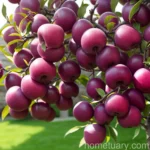
Malus ‘Royalty’ (Crabapple): A Comprehensive Guide for Plant Enthusiasts
Malus ‘Royalty’ is a stunning and versatile ornamental tree that can bring splashes of color and beauty to any landscape. As a plant scientist, I have conducted extensive research into this remarkable plant and am excited to share insights on its characteristics, care requirements, and landscape uses. In this comprehensive guide, we will delve deep into the world of Malus ‘Royalty’, exploring its growth habits, maintenance needs, disease resistance, and much more. Whether you are an avid gardener, landscape designer, or simply a nature enthusiast, this guide will equip you with the knowledge to cultivate and enjoy the beauty of Malus ‘Royalty.’
What is Malus ‘Royalty’ (Crabapple)?
Malus ‘Royalty,’ commonly known as Crabapple, is a deciduous tree that belongs to the Rosaceae family. It is renowned for its stunning spring blossoms, colorful fruits, and vibrant foliage, making it a popular choice in gardens, parks, and urban landscapes. The ‘Royalty’ cultivar is celebrated for its exceptional ornamental qualities, adding a touch of elegance and charm to outdoor spaces.
Key Takeaways – Malus ‘Royalty’ (Crabapple)
Before we delve into the specifics of growing and caring for Malus ‘Royalty,’ it’s essential to understand some key takeaways about this remarkable plant. Let’s explore the fundamental aspects that define Malus ‘Royalty’ and make it a captivating addition to any landscape:
- Characteristics: The Malus ‘Royalty’ exhibits captivating features, including deep purple foliage, striking pink blossoms, and small red fruits, adding aesthetic appeal throughout the seasons.
- Benefits of Growing Malus ‘Royalty: As a versatile ornamental tree, Malus ‘Royalty’ offers numerous benefits, such as attracting wildlife, providing seasonal interest, and enhancing the visual appeal of gardens and urban settings.
- Growing Tips: Understanding the optimal cultivation practices for Malus ‘Royalty’ is crucial for ensuring its health and vitality. We will uncover essential tips for fostering the growth of this remarkable tree.
- Crabapple Varieties: While focusing on Malus ‘Royalty,’ we will also touch upon other notable varieties within the Crabapple family, highlighting their unique characteristics and landscape uses.
- Care Guide: A comprehensive care guide for Malus ‘Royalty’ will be provided, encompassing considerations such as seasonality, pruning techniques, disease resistance, and fertilizer needs.
Now that we have outlined the key takeaways, let’s embark on a journey to unravel the captivating world of Malus ‘Royalty’ and delve into its cultivation, care, and landscape applications.
Culture of Malus ‘Royalty’ (Crabapple)
Understanding the cultural requirements of Malus ‘Royalty’ is vital for its successful growth and development. From water to sunlight and soil conditions, each aspect plays a significant role in nurturing this remarkable tree. Let’s explore the cultural elements essential for fostering the health and vitality of Malus ‘Royalty.’
Uses
Malus ‘Royalty’ serves various purposes in landscapes, ranging from offering visual interest to attracting wildlife and enhancing the overall aesthetic appeal. Its uses include:
- Ornamental Display: The vibrant blossoms and foliage of Malus ‘Royalty’ make it an ideal choice for ornamental purposes, adding color and charm to gardens and outdoor spaces.
- Wildlife Attraction: The fruits of Malus ‘Royalty’ are a valuable food source for birds and wildlife, making it a prominent feature in wildlife-friendly landscapes.
- Seasonal Interest: From spring blossoms to fall fruits and winter silhouettes, Malus ‘Royalty’ provides year-round visual interest, making it a beloved addition to landscapes.
Water
Watering Requirements: Malus ‘Royalty’ exhibits moderate water needs, particularly during its initial establishment phase. Adequate and consistent moisture is crucial, especially during periods of drought or extended dry spells. However, it is equally important to avoid waterlogging the soil, as excessive moisture can lead to root rot and other detrimental effects.
Drought Tolerance: Despite its moderate water needs, Malus ‘Royalty’ demonstrates a degree of drought tolerance once established. However, regular watering during prolonged dry periods is still essential to maintain its vitality and overall health.
Sunlight
Sun Exposure Needs: Malus ‘Royalty’ thrives in full sunlight, requiring at least 6-8 hours of direct sunlight daily to support healthy growth and abundant flowering. Adequate sunlight exposure ensures the development of vibrant foliage, prolific blossoms, and colorful fruits, making it an essential consideration for its cultivation.
Fertilizer
Fertilizer Needs: To promote vigorous growth and abundant flowering, Malus ‘Royalty’ benefits from a balanced fertilizer formulated for trees and ornamental plants. A slow-release fertilizer applied in early spring can provide essential nutrients for the tree throughout the growing season. It is important to follow the recommended application rates and avoid over-fertilization, which can lead to imbalanced growth and potential issues.
Soil
Best Soil Conditions: Malus ‘Royalty’ thrives in well-draining, fertile soil with a slightly acidic to neutral pH level. Loamy soils with good water retention capabilities are ideal for supporting the tree’s growth and ensuring optimal nutrient uptake. Soil that is rich in organic matter further enhances the vigor and resilience of Malus ‘Royalty.’
Pruning
Pruning Techniques: Regular pruning is essential for maintaining the health, shape, and aesthetic appeal of Malus ‘Royalty.’ Pruning in late winter or early spring allows for the removal of dead or diseased wood, shaping the tree, and promoting robust new growth. Additionally, selective pruning can help manage the tree’s size and enhance its ornamental value.
Propagation
Propagation Methods: Malus ‘Royalty’ can be propagated through various methods, including seed propagation, grafting, and budding. Each propagation technique offers unique advantages and considerations, and selecting the most suitable method depends on factors such as desired genetic traits, propagation scale, and resource availability.
Container Popularity
While Malus ‘Royalty’ is typically grown in traditional landscape settings, it is also well-suited for container cultivation. Its compact size, ornamental qualities, and adaptability make it an appealing choice for container gardening, allowing individuals with limited outdoor space to enjoy the beauty of this remarkable tree.
Container
When cultivating Malus ‘Royalty’ in containers, it is important to consider the following aspects:
- Container Size: Select a spacious container that accommodates the tree’s root system and allows for ample soil volume. A container with adequate drainage holes is essential to prevent waterlogging and ensure root health.
- Potting Mix: Utilize a well-draining potting mix formulated for trees and shrubs, providing a balanced blend of nutrients and sufficient aeration for the roots.
- Watering and Maintenance: Container-grown Malus ‘Royalty’ may require more frequent watering than those in the ground, as containers can dry out more rapidly. Regular monitoring of soil moisture, fertilization, and occasional root pruning or repotting is crucial for the tree’s vitality and longevity.
Common Diseases and Pests
Like all plants, Malus ‘Royalty’ is susceptible to certain diseases and pest infestations. Understanding these potential challenges and their management strategies is vital for safeguarding the tree’s health and preserving its ornamental value. Let’s explore the common diseases, pests, and preventative measures for Malus ‘Royalty.’
Common Diseases
Disease Diagnosis: Malus ‘Royalty’ may encounter several diseases, including apple scab, powdery mildew, fire blight, and cedar apple rust. Early detection and accurate diagnosis of these diseases are crucial for implementing timely and effective control measures. Visual symptoms, such as leaf spots, powdery coatings, and abnormal growth, can aid in diagnosing specific diseases affecting the tree.
Disease Prevention: Cultural practices, such as promoting good air circulation, avoiding overhead watering, and removing and disposing of diseased plant material, can significantly reduce the risk of disease development. In addition, selecting disease-resistant varieties, like Malus ‘Royalty,’ can provide inherent protection against certain prevalent diseases, contributing to the tree’s long-term health.
Common Pests
Pest Infestations: Malus ‘Royalty’ may attract various pests, including aphids, caterpillars, scale insects, and mites, which can affect foliage, flowers, and fruits. Monitoring the tree for signs of pest activity, such as leaf stippling, honeydew secretion, and distorted growth, enables early intervention to mitigate potential damage.
Pest Control Methods: Integrated pest management (IPM) practices, encompassing cultural, biological, and minimal chemical interventions, can effectively manage pest populations while minimizing environmental impact. These methods may include the introduction of natural predators, targeted pesticide application, and physical removal of pests when feasible.
Botanist’s Tips for Growing Malus ‘Royalty’
Drawing from botanist expertise and hands-on experience, here are some valuable tips for growing and caring for Malus ‘Royalty’ in diverse landscape settings:
- Selecting the Site: Choose a well-drained and sunny location for planting Malus ‘Royalty,’ ensuring it receives adequate sunlight for optimal growth and blooming.
- Regular Watering: Provide consistent moisture, particularly during periods of dryness, and ensure proper drainage to prevent waterlogging and root issues.
- Pruning Practices: Adopt regular pruning to remove dead or overcrowded branches, shaping the tree while promoting vigorous new growth and blossoming.
- Fertilization: Apply a balanced fertilizer in early spring to support the tree’s nutritional needs and bolster its overall health and vitality.
- Disease Monitoring: Regularly monitor the tree for signs of diseases and pests, intervening promptly to prevent extensive damage and maintain its ornamental appeal.
- Wildlife Impact: Embrace the role of Malus ‘Royalty’ in attracting and supporting wildlife, contributing to ecosystem diversity and sustainability.
Fun Facts about Malus ‘Royalty’ (Crabapple)
- The deep purple foliage of Malus ‘Royalty’ intensifies in color during the fall, creating a captivating display of autumn hues.
- The fruits of Malus ‘Royalty’ persist into the winter months, adding a touch of vibrancy to the landscape during the colder season.
- The tree’s blossoms are not only visually stunning but also emit a subtle, pleasant fragrance, enticing pollinators and human admirers alike.
Links to External Resources
To expand your knowledge and explore further insights into Malus ‘Royalty’ and related topics, consider visiting the following external resources:
The comprehensive guide to Malus ‘Royalty’ (Crabapple) outlined above provides a holistic perspective on the cultivation, care, and ornamental uses of this remarkable tree, catering to the interests of both enthusiasts and horticultural professionals. Whether you are enthusiastic about gardening, landscaping, or ecological conservation, incorporating Malus ‘Royalty’ into your outdoor spaces can elevate the visual appeal, support biodiversity, and offer year-round enjoyment.
By understanding the cultural requirements, disease management strategies, and botanist’s tips, you can embark on a fulfilling journey of nurturing and admiring the intrinsic beauty and resilience of Malus ‘Royalty.’ Whether it’s the vibrant spring blossoms, richly hued foliage, or the ecological benefits it bestows, Malus ‘Royalty’ stands as a testament to the enduring allure and significance of ornamental plants in our landscapes.