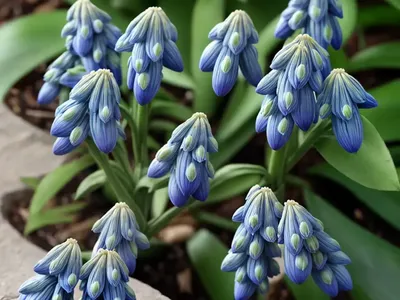
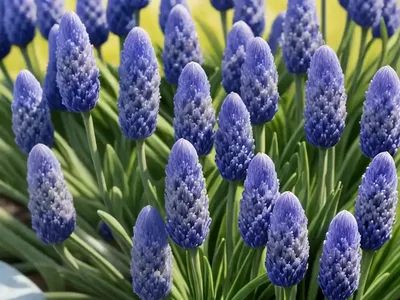
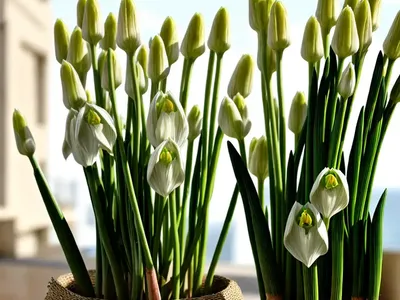
Hyacinthus Orientalis ‘Blue Jacket’ (Dutch Hyacinth)
Hyacinthus orientalis ‘Blue Jacket’, also known as the Dutch Hyacinth, is a charming and fragrant spring-blooming bulb that is renowned for its striking.
Introduction to Hyacinthus orientalis ‘Blue Jacket’
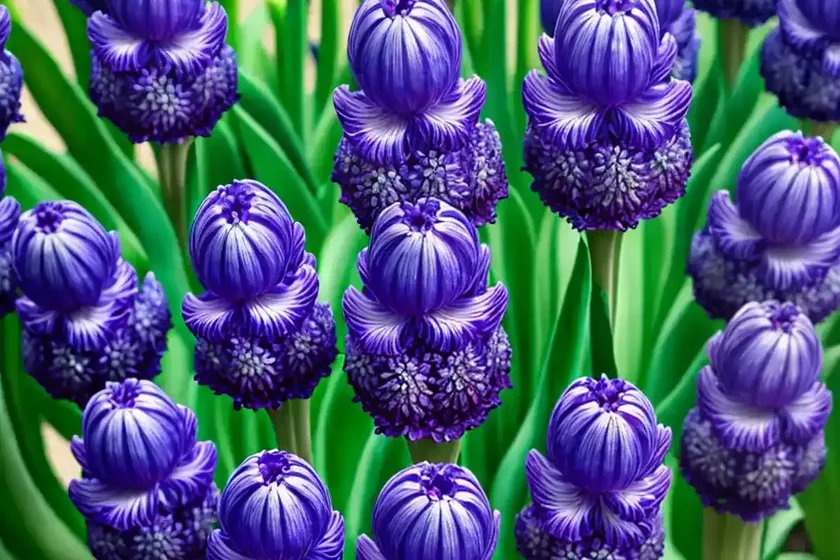
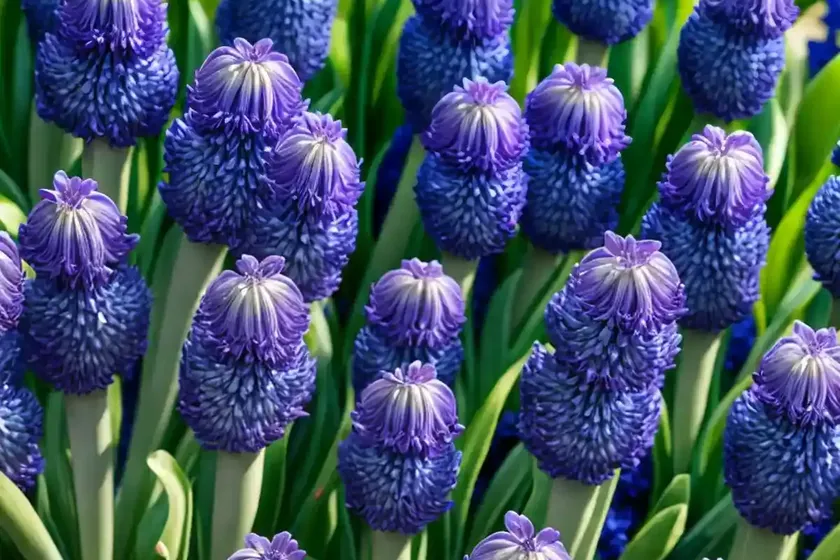
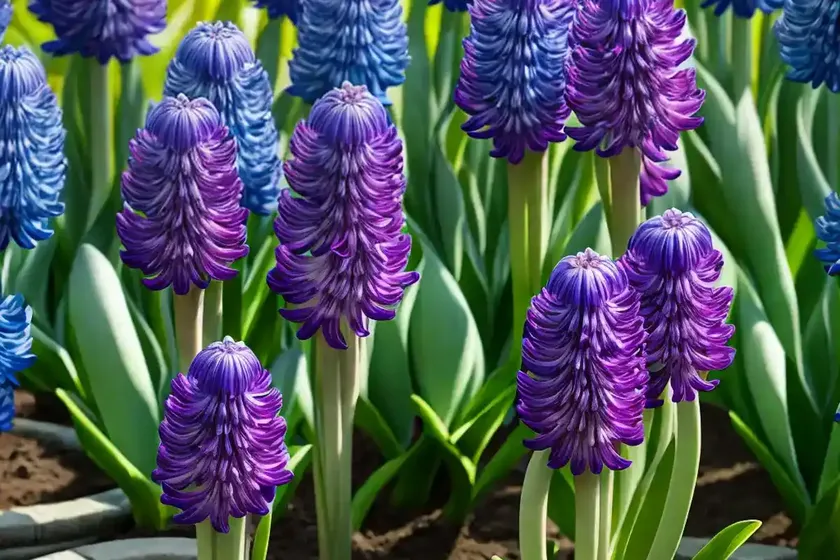
Hyacinthus orientalis ‘Blue Jacket’, also known as the Dutch Hyacinth, is a charming and fragrant spring-blooming bulb that is renowned for its striking, deep blue flowers. This plant belongs to the Asparagaceae family and is native to the eastern Mediterranean region, particularly Turkey. The ‘Blue Jacket’ variety is a popular choice among gardeners and horticulturists due to its captivating blooms, delightful fragrance, and ease of cultivation.
In this comprehensive guide, we will delve into the various aspects of Hyacinthus orientalis ‘Blue Jacket’, including its characteristics, cultivation, care requirements, uses, and more. Whether you are a seasoned gardener or a novice enthusiast looking to enhance your knowledge of this exquisite plant, this article is designed to provide valuable insights and practical tips for nurturing and enjoying Dutch Hyacinths in your garden.
Key Takeaways – Hyacinthus orientalis ‘Blue Jacket’ (Dutch Hyacinth)
Before we explore the intricacies of growing and caring for Hyacinthus orientalis ‘Blue Jacket’, let’s highlight some key takeaways about this captivating plant:
-
Characteristics: Dutch Hyacinth ‘Blue Jacket’ is characterized by its showy, deep blue flowers, which are arranged in dense, spike-like clusters. The blooms emit a sweet, enchanting fragrance, adding an element of sensory delight to the garden.
-
Cultivation: This bulbous plant is relatively low-maintenance and can thrive in a variety of settings, including garden beds, containers, and indoor environments. It is best suited for temperate climates and is particularly well-adapted to spring blooming.
-
Uses: Apart from serving as ornamental garden plants, Hyacinthus orientalis ‘Blue Jacket’ bulbs are also favored for indoor forcing, where they can be coaxed into early bloom for indoor displays. Additionally, the flowers are prized for their use in floral arrangements and bouquets due to their striking appearance and fragrant nature.
-
Care Requirements: Proper watering, adequate sunlight, well-drained soil, and occasional fertilization are crucial for maintaining the health and vigor of Dutch Hyacinths. Vigilance against common pests and diseases, as well as timely pruning and propagation, contribute to the overall well-being of the plants.
In the subsequent sections, we will delve deeper into each of these aspects, providing detailed insights and practical recommendations for cultivating and enjoying the beauty of Hyacinthus orientalis ‘Blue Jacket’.
Culture
Water
Proper watering is essential for the well-being of Hyacinthus orientalis ‘Blue Jacket’. While the plant requires regular watering to support growth and flowering, it is crucial to avoid waterlogging, which can lead to root rot and other detrimental conditions. Here are some important tips for effectively watering Dutch Hyacinths:
-
Moderation: Maintain a balanced approach to watering, ensuring that the soil remains consistently moist but not waterlogged. Allow the soil to dry slightly between waterings to prevent excessive moisture accumulation.
-
Avoid Overhead Irrigation: When watering Dutch Hyacinths, it is advisable to avoid overhead irrigation, as wet foliage can contribute to the development of fungal diseases. Instead, apply water directly to the base of the plants to minimize moisture on the leaves and flowers.
-
Container Considerations: For potted Hyacinthus orientalis ‘Blue Jacket’ plants, ensure that the containers have drainage holes to prevent water from accumulating at the bottom. Regularly check the moisture levels in the soil to adjust your watering frequency accordingly.
Sunlight
Hyacinths thrive in bright, indirect sunlight, making them well-suited for gardens, borders, and open landscapes that receive ample natural light. When selecting a planting site for Dutch Hyacinths, consider the following sunlight requirements:
-
Partial to Full Sun: Dutch Hyacinth ‘Blue Jacket’ benefits from exposure to partial to full sun, ideally receiving 6 to 8 hours of sunlight per day. In regions with hot summers, providing some afternoon shade can help protect the plants from excessive heat and sun exposure.
-
Indoor Cultivation: For indoor cultivation, place potted Hyacinthus orientalis ‘Blue Jacket’ in well-lit areas, such as near south or west-facing windows, to ensure they receive adequate sunlight for robust growth.
Fertilizer
Appropriate fertilization plays a pivotal role in promoting healthy growth and prolific flowering in Hyacinthus orientalis ‘Blue Jacket’. By providing essential nutrients, fertilizer applications can enhance the overall vitality and bloom quality of Dutch Hyacinths. Here’s how to effectively fertilize these plants:
-
Timing: Apply a balanced, water-soluble fertilizer formulated for flowering bulbs in early spring, just as the shoots are emerging from the soil. This initial feeding provides the necessary nutrients to support vigorous growth and the development of flower buds.
-
Avoid Overfeeding: Exercise caution to avoid over-fertilization, as excessive nutrients can lead to lush foliage at the expense of flower production. Follow the manufacturer’s recommendations regarding application rates and frequency.
-
Container-grown Hyacinths: If growing Hyacinthus orientalis ‘Blue Jacket’ in containers, use a controlled-release fertilizer designed for potted plants. These formulations release nutrients gradually, providing sustained nourishment to the bulbs throughout the growing season.
Soil
The choice of soil and its quality profoundly influences the health and performance of Dutch Hyacinths. Well-draining, nutrient-rich soil that offers good aeration is essential for supporting robust growth and the development of vibrant flowers. Consider the following soil-related considerations when cultivating Hyacinthus orientalis ‘Blue Jacket’:
-
Well-drained Soil: Dutch Hyacinths thrive in well-drained, loamy soil that is rich in organic matter. Ensure that the soil has good drainage to prevent waterlogging, which can lead to root rot and other moisture-related issues.
-
pH Level: The ideal soil pH for Hyacinthus orientalis ‘Blue Jacket’ ranges from 6.0 to 7.0, representing slightly acidic to neutral conditions. Conduct a soil test to assess the pH level and make necessary amendments to ensure an optimal growing environment for the plants.
-
Container Medium: When growing Dutch Hyacinths in containers, use a high-quality potting mix designed for bulbs or flowering plants. These specialized mixes provide the right blend of nutrients, aeration, and moisture retention for container-grown Hyacinthus orientalis ‘Blue Jacket’ plants.
Pruning
Pruning is an essential practice for maintaining the health, aesthetics, and longevity of Hyacinthus orientalis ‘Blue Jacket’. Proper pruning techniques can help manage spent flowers, control the spread of diseases, and promote vigorous growth for subsequent seasons. Here are some key insights regarding pruning Dutch Hyacinths:
-
Deadheading: After the blooms have faded, promptly remove the spent flowers by snipping the flower stalks at the base using clean, sharp pruners. Deadheading prevents the plant from expending energy on seed production and encourages the development of future blooms.
-
Foliage Management: Allow the foliage of Dutch Hyacinth ‘Blue Jacket’ to remain in place after flowering, as the leaves continue to photosynthesize and store energy in the bulbs for the following year’s growth. Refrain from cutting back the foliage until it turns yellow and withers naturally.
-
Sanitation: To minimize the risk of disease spread, practice good sanitation by removing any discolored, damaged, or diseased foliage from around the plants. Dispose of the removed plant material to prevent the accumulation of pathogens in the garden.
Propagation
Propagating Hyacinthus orientalis ‘Blue Jacket’ allows for the expansion of your plant collection and the rejuvenation of aging bulbs. By utilizing reliable propagation methods, gardeners can sustain and multiply their Dutch Hyacinth population. Here are some effective propagation techniques for Dutch Hyacinths:
-
Offspring Bulblets: Over time, mature Hyacinthus orientalis ‘Blue Jacket’ bulbs produce small bulblets or offsets alongside the main bulb. These bulblets can be carefully detached from the parent bulb after the foliage has withered and the bulbs have entered dormancy. Replant the bulblets in suitable soil to initiate their growth.
-
Division: Dividing established clumps of Dutch Hyacinths is a common method of propagation. Dig up the clumps during the dormant season and carefully separate the individual bulbs. Replant the divided bulbs at the appropriate spacing and depth to encourage their growth into new plants.
-
Scales: Utilize the scale propagation method by removing scales from healthy Hyacinthus orientalis ‘Blue Jacket’ bulbs and planting them in a sterile, well-draining medium. This technique allows for the development of new bulbs from the scales, which can be nurtured until they are ready for transplantation.
Container Popularity
The allure of Hyacinthus orientalis ‘Blue Jacket’ extends to container gardening, where these charming bulbs can be grown and showcased in various settings. Containers offer flexibility and versatility, allowing individuals with limited garden space to enjoy the beauty and fragrance of Dutch Hyacinths in patios, balconies, and other confined spaces. Here are some pointers for successfully cultivating Hyacinthus orientalis ‘Blue Jacket’ in containers:
Container Selection
When selecting containers for planting Dutch Hyacinths, prioritize the following factors to ensure optimal growth and visual appeal:
-
Size and Depth: Choose containers that provide ample room for the bulbs to establish their root systems and accommodate their growth. The depth of the container should allow for adequate soil volume, promoting healthy root development and stability.
-
Drainage: Opt for containers with drainage holes to prevent water accumulation and maintain proper soil moisture levels. Good drainage is essential in preventing waterlogged conditions, which can jeopardize the health of the Hyacinthus orientalis ‘Blue Jacket’ bulbs.
-
Aesthetics: Consider the aesthetic qualities of the containers, selecting options that complement the colorful blooms and lush foliage of Dutch Hyacinths. Decorative pots, urns, and window boxes can enhance the visual impact of container-grown Hyacinthus orientalis ‘Blue Jacket’.
Planting Guidelines
When planting and caring for Hyacinthus orientalis ‘Blue Jacket’ in containers, adhere to the following guidelines for optimal results:
-
Planting Depth: Position the bulbs at an appropriate depth within the containers, typically burying them at a depth that is about three times the height of the bulbs. Ensure that the bulbs are adequately covered with soil to promote strong, upright growth.
-
Soil Choice: Use a well-draining, high-quality potting mix tailored for bulbs or flowering plants when filling the containers. The soil should offer good aeration, proper moisture retention, and essential nutrients to support the growth of Dutch Hyacinths.
-
Watering: Monitor the moisture levels in the container soil, watering the Dutch Hyacinths as needed to maintain even, consistent moisture. Avoid overwatering, and ensure that excess water can freely drain from the containers to prevent waterlogging.
-
Sunlight Exposure: Position the containers in locations that receive partial to full sunlight, providing the Hyacinthus orientalis ‘Blue Jacket’ bulbs with the necessary light for healthy growth and prolific flowering.
Common Diseases
Disease Diagnosis
Despite being relatively robust plants, Hyacinthus orientalis ‘Blue Jacket’ is susceptible to certain diseases that can impact their vitality and appearance. By learning to recognize the symptoms and causes of common diseases, gardeners can implement proactive measures to protect their Dutch Hyacinths. Here are some prevalent diseases that may affect Hyacinthus orientalis ‘Blue Jacket’, along with their diagnosis and management:
-
Botrytis Blight (Gray Mold): Botrytis blight is characterized by fuzzy, grayish mold that develops on the flowers, foliage, or stems of Dutch Hyacinths. This fungal disease thrives in humid and damp conditions, leading to the decay of affected plant parts. To mitigate botrytis blight:
-
Prune Affected Parts: Promptly remove and discard any infected flowers or foliage to prevent the spread of the disease. Maintain good air circulation around the plants to reduce humidity and minimize favorable conditions for mold growth.
-
Avoid Overhead Watering: Minimize moisture on the leaves and flowers by utilizing methods of targeted watering. Wet foliage creates a conducive environment for botrytis blight, so watering at the base of the plants is advisable.
-
Basal Rot: Basal rot, caused by the fungus Fusarium, manifests as soft, discolored areas at the base of Dutch Hyacinth bulbs. As the rot progresses, the bulbs become mushy and are prone to collapse. To address basal rot:
-
Isolate Affected Bulbs: Immediately isolate bulbs showing signs of basal rot to prevent the spread of the disease to healthy plants. Dispose of the infected bulbs and avoid replanting in the same location to minimize the risk of recontamination.
-
Enhance Drainage: Improve soil drainage and avoid excessive moisture accumulation, as these conditions create an environment conducive to the development of basal rot. Ensure that the planting site and containers offer optimal drainage for Dutch Hyacinths.
-
Viral Diseases: Several viral diseases, such as Tobacco Rattle Virus (TRV) and Cucumber Mosaic Virus (CMV), can affect the health and appearance of Hyacinthus orientalis ‘Blue Jacket’. Symptoms may include mottled or distorted foliage, stunted growth, and reduced flowering. Prevention and management strategies for viral diseases include:
-
Control Vectors: Viruses are often transmitted through pests such as aphids and thrips. Implement measures to control these vectors, such as introducing beneficial insects or using insecticidal soaps to deter and manage pest populations.
-
Sanitation: Practice stringent sanitation by promptly removing and disposing of any infected plant material to prevent the spread of viral diseases. Sterilize cutting tools between uses to avoid transferring viruses between plants.
Common Pests
Dutch Hyacinths are generally resistant to most common garden pests; however, certain insects may pose a threat to their well-being. By monitoring for signs of pest activity and implementing appropriate control measures, gardeners can safeguard their Hyacinthus orientalis ‘Blue Jacket’ from potential pest damage. Here are some pests to watch out for when cultivating Dutch Hyacinths:
-
Aphids: These tiny, sap-feeding insects can cluster on the tender shoots and flower buds of Hyacinthus orientalis ‘Blue Jacket’, causing distortion and stunted growth. To manage aphid infestations:
-
Natural Predators: Encourage the presence of natural aphid predators, such as ladybugs and lacewings, in the garden. These beneficial insects prey on aphids, helping to naturally control their populations.
-
Water Sprays: Rinse the aphids off the plants with a strong stream of water, physically dislodging and removing the pests from the Dutch Hyacinths. Repeat this process as needed to keep the aphid numbers in check.
-
Thrips: Thrips are slender, winged insects that feed on the foliage and flowers of Dutch Hyacinths, causing stippling, discoloration, and distortion. Effective measures for managing thrips include:
-
Pruning Infested Parts: Remove and dispose of severely affected foliage and buds to reduce thrips populations and prevent the spread of the insects.
-
Insecticidal Sprays: If thrips infestations are significant, consider using insecticidal sprays that are labeled for thrips control. Apply the sprays as directed, taking precautions to minimize impacts on beneficial insects and the environment.
Botanist’s Tips
As a plant scientist with a deep appreciation for the beauty and resilience of Hyacinthus orientalis ‘Blue Jacket’, I would like to share my insights and recommendations for cultivating and enjoying Dutch Hyacinths to their fullest potential. Here are some valuable tips that can enhance your experience with these captivating plants:
-
Early Planting: For optimal results, plant Dutch Hyacinth ‘Blue Jacket’ bulbs in the fall, allowing them to establish their root systems before the onset of winter. This early planting strategy sets the stage for vigorous growth and prolific spring blooms.
-
Fragrance Appreciation: Take the time to savor the enchanting fragrance of Dutch Hyacinths, which adds a delightful sensory dimension to the garden. Plant them in areas where you can frequently enjoy their alluring scent, such as near doorways, walkways, or outdoor seating areas.
-
Companion Planting: Pair Hyacinthus orientalis ‘Blue Jacket’ with complementary spring-blooming bulbs, perennials, and annuals to create captivating garden compositions. Consider combinations that feature contrasting colors, heights, and textures to achieve dynamic visual impact.
-
Forced Bulb Displays: Experiment with forcing Hyacinthus orientalis ‘Blue Jacket’ bulbs for indoor displays, allowing you to enjoy their blooms during the colder months. Follow proper forcing techniques, including chilling periods and gradual exposure to warmth and light.
-
Seasonal Maintenance: Stay attuned to the seasonal care needs of Dutch Hyacinths, providing appropriate water, fertilization, and pest management tailored to each stage of the plant’s growth cycle. Adapting your care practices to seasonal shifts can optimize the health and vitality of the plants.
By incorporating these insights into your cultivation and appreciation of Hyacinthus orientalis ‘Blue Jacket’, you can elevate your experience with these captivating bulbs, fostering a deeper connection with nature and the joys of gardening.
Fun Facts
-
The specific epithet “orientalis” in the botanical name Hyacinthus orientalis ‘Blue Jacket’ refers to the plant’s origin in the eastern Mediterranean region, particularly Turkey.
-
Dutch Hyacinths have a rich history, dating back to ancient times when they were cultivated for their ornamental and aromatic qualities. They have been celebrated in art, literature, and horticultural traditions throughout the centuries.
-
The captivating fragrance of Hyacinthus orientalis ‘Blue Jacket’ is multi-layered and evocative, with sweet, floral notes that permeate the air and create a memorable sensory experience.
-
The deep blue color of the ‘Blue Jacket’ variety is particularly striking, adding a vibrant and visually arresting presence to garden beds, borders, and container displays.
-
Dutch Hyacinths are renowned for their early spring blooming, heralding the arrival of the season with an exuberant display of colorful, fragrant flowers.
Links to External Resources
For further exploration of Hyacinthus orientalis ‘Blue Jacket’ and related topics, I encourage you to delve into the following resources for valuable insights, practical guidance, and inspirational content:
- Royal Horticultural Society – Hyacinths
- University of Vermont Extension – Hyacinth
- American Society of Agronomy – Growth and Flowering of Dutch Hyacinth in Response to Temperature and Cultivar
- The Morton Arboretum – Plant Clinic: Hyacinth
- National Gardening Association – Bulbs and Blooms: Hyacinths
These resources offer a wealth of information, research findings, and expert perspectives on the cultivation, care, and appreciation of Hyacinthus orient