Malus Ioensis ‘Prince Georges’ (Crabapple)
Malus ioensis ‘Prince Georges’, commonly known as the Crabapple, is a fascinating and versatile tree that is native to North America. This stunning tree.
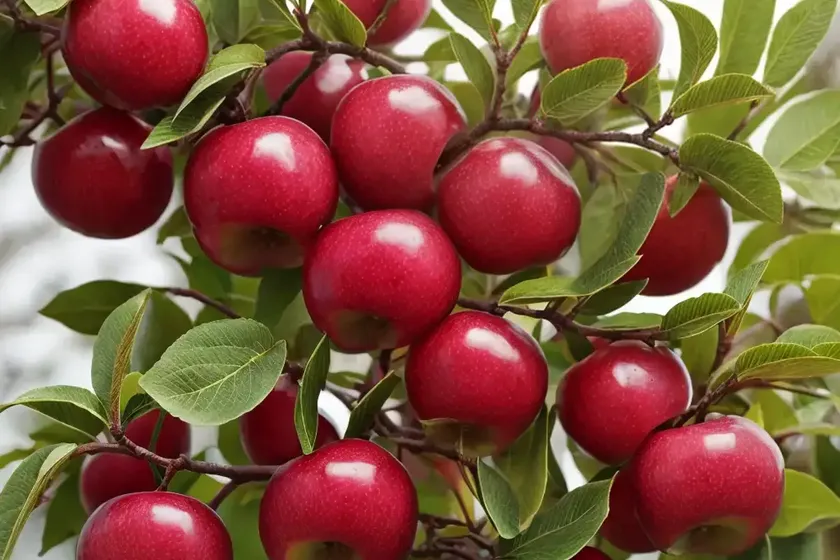
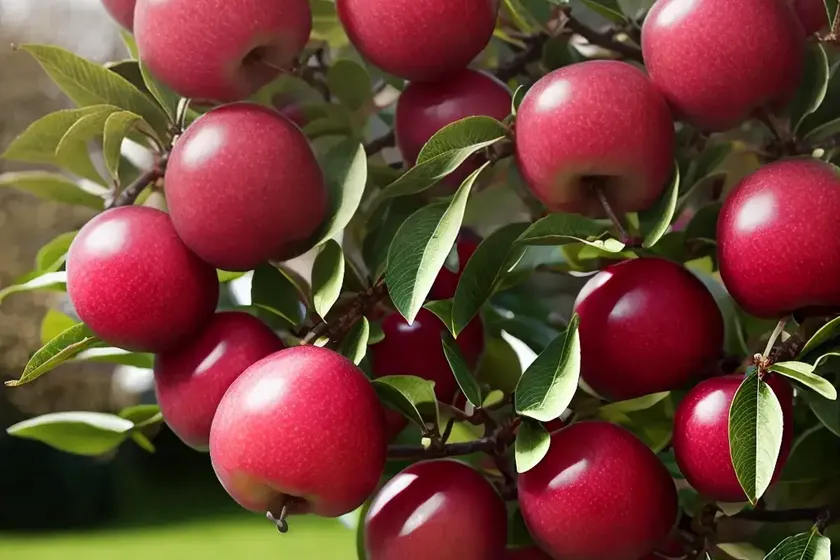
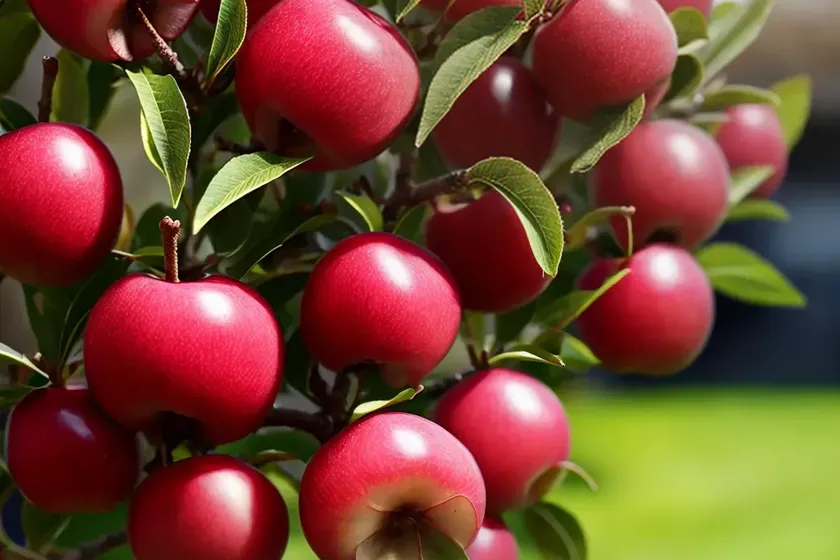
Malus ioensis ‘Prince Georges’, commonly known as the Crabapple, is a fascinating and versatile tree that is native to North America. This stunning tree boasts beautiful blossom colors, and it is not only admired for its magnificent ornamental features but also its ability to attract wildlife to the garden. In this comprehensive guide, we will delve into the characteristics, uses, care tips, and much more about Malus ioensis ‘Prince Georges’, shedding light on the many aspects of this captivating plant.
What is Malus Ioensis ‘Prince Georges’ (Crabapple)?
Malus ioensis ‘Prince Georges’ is a deciduous tree with a broad, rounded crown, reaching a mature height of around 25 feet. It belongs to the family Rosaceae and is commonly referred to as the Prairie Crabapple. The tree’s enchanting white or pink blossoms appear in spring, creating a breathtaking display, followed by small crabapple fruits in the fall. The foliage of this tree changes with the seasons, offering various shades of green in spring and summer, and transitioning to vibrant autumn colors before shedding its leaves in winter.
Key Takeaways – Malus Ioensis ‘Prince Georges’
Let’s start by exploring some key takeaways about Malus ioensis ‘Prince Georges’ before delving deeper into its various aspects:
-
Characteristics: A deciduous tree with a broad, rounded crown, adorned with white or pink blossoms in spring and small crabapple fruits in the fall. Its foliage exhibits a range of colors throughout the seasons.
-
Uses: Known for its ornamental value, attracting wildlife, and serving as an excellent addition to gardens and landscapes.
-
Culture: Requires specific care in terms of water, sunlight, soil, and pruning to thrive and showcase its full potential.
-
Propagation: Can be propagated through various methods, allowing for its cultivation in different settings, including containers and urban landscapes.
-
Popularity: Widely admired for its beauty and versatility, making it a popular choice among gardeners and landscape enthusiasts.
Now, let’s dive deeper into each of these aspects to gain a comprehensive understanding of Malus ioensis ‘Prince Georges’ and how to care for and appreciate this remarkable tree.
Culture
Understanding the cultural requirements of Malus ioensis ‘Prince Georges’ is crucial for ensuring its optimal growth and development. From water and sunlight needs to soil preferences and pruning techniques, each aspect contributes to the overall health and beauty of this tree.
Water
Proper watering is essential for the well-being of Malus ioensis ‘Prince Georges’. While the tree demonstrates good tolerance to various soil conditions, it is crucial to maintain consistent moisture, especially during its establishment phase. Once established, the tree generally demonstrates good drought tolerance. However, during extended dry periods, supplemental watering can be beneficial, particularly for young trees and during fruit development.
When watering the tree, it is important to ensure that the soil is adequately moist but not waterlogged. As a general guideline, providing around 1-2 inches of water per week, either through rainfall or irrigation, can help maintain an optimal moisture level for the tree.
Sunlight
Malus ioensis ‘Prince Georges’ thrives in full sun to partial shade conditions. When selecting a planting location, it is advisable to prioritize an area that receives ample sunlight, ensuring optimal flower and fruit production. While the tree can tolerate partial shade, particularly in hot climates, maximizing sun exposure tends to promote vigorous growth and an abundance of blossoms and fruits.
Fertilizer
Proper nutrition is key to the health and vitality of Malus ioensis ‘Prince Georges’. A balanced fertilizer formulated for trees and shrubs can be applied in early spring to support the tree’s growth and flowering. When applying fertilizer, it is important to follow the product’s instructions regarding dosage and application methods to avoid overfeeding, which can result in adverse effects on the tree.
Additionally, incorporating organic matter, such as compost, into the soil during planting or as a top dressing can contribute to the overall fertility of the soil, promoting healthy growth and enhancing the tree’s ornamental features.
Soil
The soil preferences of Malus ioensis ‘Prince Georges’ encompass well-drained, loamy soils with a slightly acidic to neutral pH range. While the tree is adaptable to a range of soil types, ensuring good drainage is paramount to prevent waterlogging, which can negatively impact the tree’s root health.
Prior to planting, it is beneficial to amend the soil with organic matter to enhance its structure and fertility. This practice not only provides essential nutrients but also improves the soil’s ability to retain moisture without becoming waterlogged, thus supporting the tree’s overall vigor.
Pruning
Proper pruning is an essential aspect of caring for Malus ioensis ‘Prince Georges’, contributing to its overall health, shape, and flowering potential. Pruning should ideally be carried out during the dormant season, typically in late winter or early spring before new growth begins.
Key objectives of pruning the tree include:
-
Removing Dead or Diseased Wood: Regularly inspecting the tree for dead, diseased, or damaged branches and promptly removing them promotes overall tree health and reduces the risk of disease spread.
-
Shaping and Thinning: As the tree matures, selective pruning can help maintain a balanced and aesthetically pleasing shape while allowing for proper air circulation and light penetration throughout the canopy.
-
Promoting Flower and Fruit Production: Thinning out excess growth and ensuring adequate sunlight penetration can enhance the tree’s flowering and fruiting capabilities, leading to a more bountiful display of blossoms and crabapples.
It is important to use proper pruning tools and techniques to make clean cuts and avoid causing unnecessary stress to the tree. Additionally, removing water sprouts and suckers can help maintain the tree’s overall vigor and appearance.
Propagation
Malus ioensis ‘Prince Georges’ can be propagated through various methods, allowing for its cultivation in different settings. The following propagation methods can be employed to propagate new trees from an existing Malus ioensis ‘Prince Georges’ specimen:
-
Seed Propagation: Growing the tree from seeds is a viable option, particularly for preserving specific traits of a desired variety. Seeds should be collected from mature crabapples in fall, stratified, and sown in the following spring to encourage germination.
-
Cutting Propagation: Semi-ripe hardwood cuttings taken during the summer months can be rooted to produce new Malus ioensis ‘Prince Georges’ trees. Using a rooting hormone can enhance the success rate of this propagation method.
-
Grafting: Grafting techniques, such as whip grafting or T-budding, can be employed to propagate specific cultivars onto suitable rootstock. This method allows for the replication of desirable traits and the production of genetically identical trees.
Container Popularity
The versatility of Malus ioensis ‘Prince Georges’ extends to its ability to thrive in container settings. This makes it an attractive option for urban landscapes, patios, and smaller gardens, where space may be limited. When grown in containers, the tree’s ornamental value can be fully appreciated, and its cultural requirements can be effectively managed to accommodate its growth in a confined environment.
Common considerations for growing Malus ioensis ‘Prince Georges’ in containers include:
-
Container Size: Selecting a sufficiently large container with adequate drainage holes is crucial to provide ample space for the tree’s roots and prevent waterlogging.
-
Potting Mix: Using a well-draining potting mix formulated for woody plants can support the tree’s growth and moisture retention, promoting healthy development.
-
Watering and Fertilization: Container-grown trees may require more frequent watering and fertilization compared to those planted in the ground, as the limited soil volume can lead to quicker drying and depletion of nutrients.
-
Sunlight Requirements: Ensuring that the container is placed in a location that receives the appropriate amount of sunlight is essential for promoting robust growth and flowering.
-
Winter Protection: In regions with harsh winters, providing adequate protection for container-grown Malus ioensis ‘Prince Georges’, such as insulating the container or moving it to a more sheltered location, can help safeguard the tree from cold damage.
While container-growing presents its own set of considerations, it provides an excellent opportunity to showcase the tree’s beauty and benefits in a variety of settings, enhancing the aesthetic appeal of outdoor spaces.
Common Diseases
Like many plants, Malus ioensis ‘Prince Georges’ is susceptible to certain diseases, which can affect its overall health and vigor. Understanding and recognizing these diseases is crucial for implementing appropriate management strategies to mitigate their impact. Some common diseases that can affect Malus ioensis ‘Prince Georges’ include:
-
Apple Scab (Venturia inaequalis): This fungal disease manifests as dark, scabby lesions on the leaves, which can lead to defoliation and reduced vigor in severe cases. Fungicidal treatments and good sanitation practices can help manage apple scab.
-
Fire Blight (Erwinia amylovora): An aggressive bacterial disease that causes wilting and blackening of blossoms, shoots, and branches. Pruning out affected parts and applying appropriate bactericides can aid in fire blight management.
-
Powdery Mildew: A fungal disease characterized by a white, powdery coating on the leaves and shoots, hindering photosynthesis and growth. Fungicidal treatments and promoting good air circulation can help control powdery mildew.
-
Cedar Apple Rust: This disease targets both apple trees and cedar trees, causing yellow-orange spots on leaves and affecting fruit quality. Managing the alternate hosts and applying fungicidal treatments can aid in controlling cedar apple rust.
Regular monitoring, proper sanitation practices, and timely intervention are essential for preventing and managing diseases in Malus ioensis ‘Prince Georges’. Additionally, choosing disease-resistant varieties when available can help minimize the risk of encountering these issues.
Disease Diagnosis
Diagnosing diseases in Malus ioensis ‘Prince Georges’ involves carefully observing and identifying symptoms that may indicate a particular disease or disorder. When faced with signs of potential disease, it is important to consider the following factors:
-
Symptom Observation: Taking note of the specific symptoms exhibited by the tree, such as leaf spots, wilting, discoloration, or abnormal growth, can provide crucial clues for narrowing down potential diseases.
-
Environmental Conditions: Assessing the prevailing environmental factors, including temperature, moisture levels, and air circulation, can help determine whether certain diseases are more likely to thrive under specific conditions.
-
Clinical Examination: Conducting a thorough examination of affected plant parts, such as leaves, fruit, or branches, and documenting any characteristic features or changes can aid in formulating an accurate diagnosis.
-
Laboratory Analysis: In cases where conclusive diagnosis is challenging, sending samples to a diagnostic laboratory for pathogen identification and analysis can provide valuable insights for targeted disease management.
By systematically evaluating the symptoms and potential contributing factors, plant health professionals and enthusiasts can effectively diagnose diseases in Malus ioensis ‘Prince Georges’ and implement appropriate control measures to mitigate their impact.
Common Pests
In addition to diseases, Malus ioensis ‘Prince Georges’ may also be vulnerable to infestations by various pests, which can compromise its health and aesthetic appeal if left unchecked. Some common pests that can affect this tree include:
-
Aphids: Small, sap-sucking insects that may congregate on new growth, causing distortion and yellowing of leaves. Insecticidal soaps or horticultural oils can help manage aphid infestations.
-
Caterpillars: Larval stages of various moths and butterflies can feed on foliage, causing defoliation and aesthetic damage. Manual removal of caterpillars or targeted insecticides can aid in controlling their populations.
-
Japanese Beetles: These voracious feeders can skeletonize leaves and cause significant damage to the foliage. Beetle traps and insecticides specifically targeting Japanese beetles can help manage infestations.
-
Scale Insects: These small, immobile pests can often go unnoticed until their populations reach damaging levels. Horticultural oils or systemic insecticides can be effective in controlling scale insects.
-
Spider Mites: These tiny arachnids can cause stippling and discoloration of leaves, particularly in hot and dry conditions. Miticides and regular monitoring can help prevent spider mite infestations.
Vigilant monitoring and prompt intervention, such as the application of targeted pest control measures, can aid in managing pest pressures and preserving the health and beauty of Malus ioensis ‘Prince Georges’.
Botanist’s Tips
Receiving insights and tips from experienced botanists can offer valuable guidance for effectively caring for and appreciating Malus ioensis ‘Prince Georges’. Here are some tips from botanists that can help enhance the overall experience of cultivating and enjoying this captivating tree:
-
Selecting Disease-Resistant Varieties: When choosing Malus ioensis ‘Prince Georges’ or other crabapple tree varieties, prioritizing disease-resistant cultivars can provide added assurance against common diseases and reduce the need for intensive disease management efforts.
-
Encouraging Biodiversity: Incorporating a diverse range of plant species in the landscape, including native plants, can promote ecological balance and attract beneficial insects, contributing to the overall health and sustainability of the garden ecosystem.
-
Implementing Integrated Pest Management (IPM): Adopting a holistic approach to pest management, encompassing strategies such as cultural controls, biological controls, and targeted pesticide applications, can help maintain pest populations at manageable levels while minimizing environmental impact.
-
Observing Growth Cycles: Monitoring the tree’s growth cycles, including bud development, flowering, fruiting, and dormancy, can provide valuable insights into its seasonal requirements and allow for timely interventions, such as pruning and fertilization, to support its growth and development.
-
Supporting Wildlife Habitats: Creating habitats and providing resources for wildlife, such as birds and pollinators, can contribute to the overall ecological balance and enhance the garden’s appeal, creating a harmonious and diverse outdoor environment.
By incorporating these botanist-approved tips into the care and maintenance of Malus ioensis ‘Prince Georges’, individuals can foster a thriving, sustainable garden and landscape, yielding a host of benefits for both the plants and the surrounding ecosystem.
Fun Facts
Exploring the fascinating aspects of Malus ioensis ‘Prince Georges’ can reveal a treasure trove of intriguing and delightful facts about this remarkable tree. Here are some fun facts about Malus ioensis ‘Prince Georges’ that showcase its unique characteristics and contributions:
-
Wildlife Magnet: Malus ioensis ‘Prince Georges’ is known for its ability to attract a variety of wildlife, including birds and pollinators, making it a valuable addition to wildlife-friendly gardens and landscapes.
-
Seasonal Color Transformation: The foliage of Malus ioensis ‘Prince Georges’ undergoes a striking transformation throughout the seasons, offering vibrant green leaves in spring and summer, followed by a spectacular display of autumn colors before shedding its leaves in winter.
-
Ornamental Value: The enchanting blossoms of Malus ioensis ‘Prince Georges’ not only add visual beauty to the landscape but also emit a delicate fragrance, enhancing the sensory experience of the garden.
-
Historical Significance: Crabapple trees have been cultivated for centuries, and certain historic varieties, including Malus ioensis ‘Prince Georges’, have played significant roles in cultural traditions and practices.
-
Versatile Uses: In addition to its ornamental value, crabapples have been utilized for culinary purposes, such as making preserves and jellies, adding a touch of tradition and flavor to culinary creations.
Uncovering these fun facts about Malus ioensis ‘Prince Georges’ adds an extra layer of appreciation for this captivating tree and its multifaceted contributions to horticulture, ecosystems, and human enjoyment.
Links to External Resources
For further exploration of Malus ioensis ‘Prince Georges’ and related topics, the following external resources can provide insightful information, guidance, and inspiration:
- University of Missouri Extension – Crabapples
- The Morton Arboretum – Growing Crabapples
- Rutgers University – Crabapple Selection and Care
- American Horticultural Society – All About Crabapples
- Missouri Botanical Garden – Malus ioensis ‘Prince Georges’
These resources offer a wealth of knowledge on the cultivation, care, and appreciation of Malus ioensis ‘Prince Georges’, enriching the understanding and experiences related to this captivating tree.
In conclusion, Malus ioensis ‘Prince Georges’ stands as a charming and valuable addition to gardens, landscapes, and urban environments, captivating enthusiasts with its ornamental beauty, biodiversity contributions, and versatile uses. By understanding its characteristics, cultural requirements, and ecological significance, individuals can elevate the care and appreciation of this remarkable tree, creating a lasting impact on the surrounding environment and the lives it touches.
The content above provides an in-depth exploration of Malus ioensis ‘Prince Georges’ (Crabapple), addressing its characteristics, cultural requirements, disease and pest management, botanist’s tips, fun facts, and links to external resources. The comprehensive coverage aims to serve as a valuable resource for plant enthusiasts, horticultural professionals, and individuals seeking to deepen their understanding and appreciation of this captivating tree.


