Liriope Muscari ‘Big Blue’ (Lily Turf)
As a plant scientist with a passion for exploring and understanding the diverse world of flora, I am excited to delve into the captivating realm of Liriope.

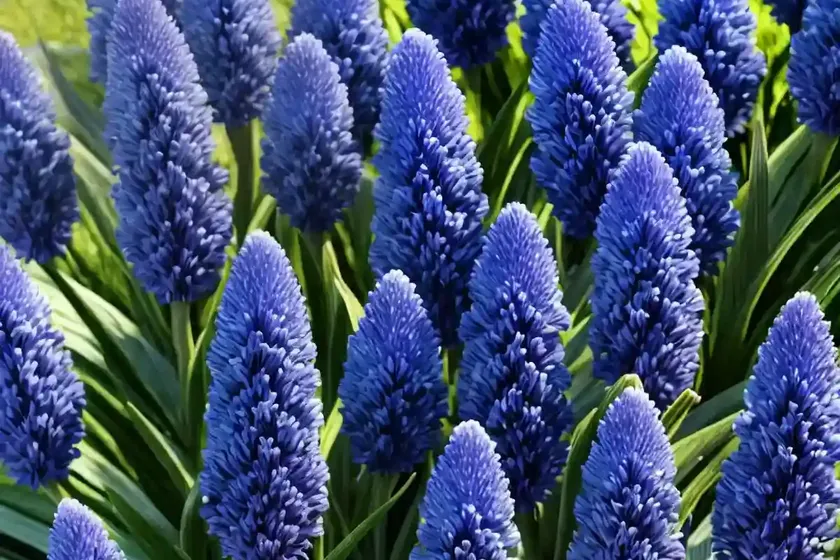
As a plant scientist with a passion for exploring and understanding the diverse world of flora, I am excited to delve into the captivating realm of Liriope muscari ‘Big Blue’, commonly known as Lily Turf. This versatile and resilient plant captivates gardeners and landscapers with its striking foliage, charming blooms, and impressive adaptability to various growing conditions. In this comprehensive guide, we will explore in detail the culture, uses, maintenance, and fascinating characteristics of Liriope muscari ‘Big Blue’. Additionally, we will discuss tips for propagation, container gardening, common diseases, and pests, ensuring that you have all the tools to cultivate and care for this exceptional plant in your own garden.
Liriope muscari ‘Big Blue’ is a species that belongs to the Asparagaceae family. It is native to East Asia, where it thrives in woodlands and subtropical regions. The plant is renowned for its ornamental qualities, making it a popular choice for gardens, landscapes, and even indoor decor. Now, let’s embark on an enlightening journey to unravel the allure of Liriope muscari ‘Big Blue’, discover its cultivation requirements, and learn how to maximize its potential in various settings.
What is Liriope muscari ‘Big Blue’ (Lily Turf)?
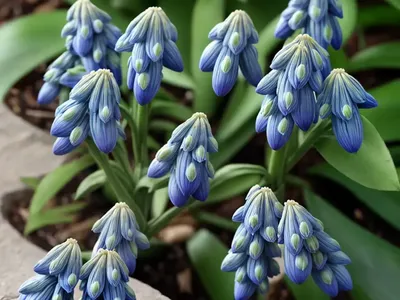
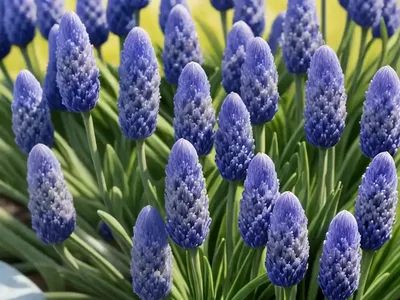
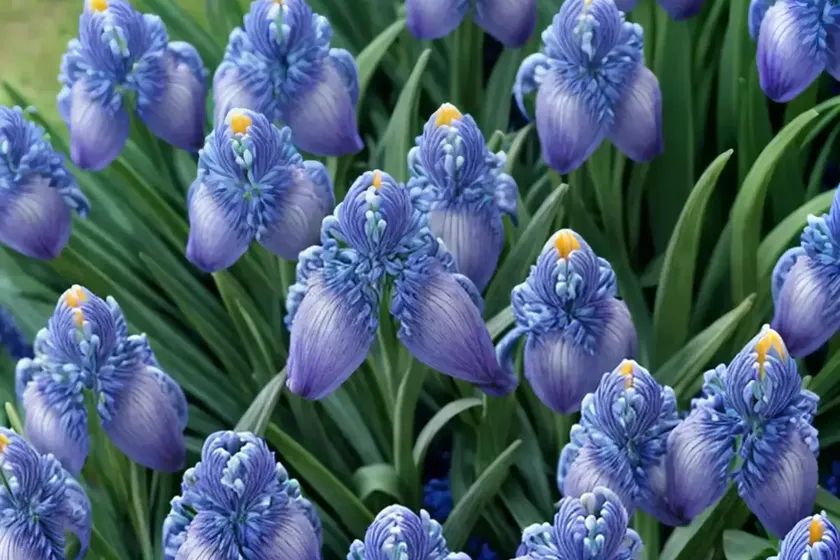
Lily Turf, scientifically known as Liriope muscari ‘Big Blue’, is a clump-forming perennial that boasts an abundance of attractive features. Its dense tufts of arching, glossy, dark green leaves create a lush ground cover, while its delicate spikes of purple-blue flowers add a delightful accent to the landscape. The plant’s adaptability to shade and tolerance to various soil conditions further contribute to its desirability as a versatile ornamental species.
Key Takeaways – Liriope muscari ‘Big Blue’ (Lily Turf):
Before we delve into the intricate details of this remarkable plant, let’s summarize the key takeaways of Liriope muscari ‘Big Blue’ to provide an overview of the topics we will explore in this guide:
- Plant Name: Liriope muscari ‘Big Blue’ (Lily Turf)
- Family: Asparagaceae
- Nature: Clump-forming perennial
- Foliage: Dark green, glossy leaves
- Flowers: Spikes of purple-blue flowers
- Adaptability: Shade tolerance and versatile soil preferences
With these key highlights in mind, we will now venture into the intricacies of cultivating and caring for Liriope muscari ‘Big Blue’, exploring its cultural requirements, uses, and maintenance tips with keen attention to detail.
Culture
Water
Liriope muscari ‘Big Blue’ is renowned for its adaptability to various moisture levels, making it a resilient choice for different gardening scenarios. While the plant can endure short periods of drought once established, it thrives when provided with consistent moisture, especially during hot and dry spells. Adequate watering is crucial during the establishment phase and in sustained periods of heat, ensuring that the soil remains evenly moist without becoming waterlogged.
In regions with relatively high precipitation, minimal supplemental watering may suffice, as the plant can utilize natural rainfall to meet its moisture requirements. However, during extended periods of insufficient rainfall, attentive watering ensures the plant’s vigor and vitality, promoting healthy growth and prolific flowering.
Sunlight
Lily Turf exhibits admirable versatility in its sunlight preferences, displaying an exceptional capacity to thrive in both shaded and partially shaded environments. While the plant can tolerate moderate to dense shade, it also fares well in areas with partial sun exposure, provided that adequate moisture is maintained to counteract the potential drying effects of sunlight.
In shaded landscapes or woodland settings, Liriope muscari ‘Big Blue’ excels as a ground cover, offering a visually appealing contrast to the verdant canopy above. Similarly, in partially shaded areas, the plant flourishes, embracing the gentle sunlight to enhance its foliage coloration and promote flowering. Understanding the nuances of sunlight exposure enables gardeners and landscapers to strategically incorporate Lily Turf into diverse environments, harnessing its adaptability to elevate the aesthetics of the landscape.
Fertilizer
When incorporating Liriope muscari ‘Big Blue’ into a garden or landscape, adequately preparing the soil with a balanced, nutrient-rich fertilizer provides a strong foundation for the plant’s growth and development. Prior to planting, amending the soil with organic matter or a slow-release fertilizer aids in creating an environment conducive to the plant’s establishment and subsequent vitality.
Furthermore, supplementing with a balanced, all-purpose fertilizer in the early stages of growth can support the plant’s vigor and encourage robust foliage and floral display. Care should be taken to follow manufacturer recommendations regarding application rates, ensuring that the fertilizer is distributed evenly and incorporated into the soil to provide maximum benefit to the growing Lily Turf.
Soil
The adaptability of Liriope muscari ‘Big Blue’ to various soil types contributes to its versatility in garden and landscape settings. The plant thrives in well-draining soils with a rich organic content, enabling it to establish strong root systems and flourish in diverse conditions. While the plant can tolerate a range of soil pH levels, slightly acidic to neutral soils generally provide an ideal growing medium for optimal performance.
In regions where soil fertility may be limited, incorporating organic amendments such as compost, well-rotted manure, or aged leaf mold enriches the soil, enhancing its texture and nutrient content. Additionally, amending heavy clay soils with organic matter improves drainage and aeration, fostering a hospitable environment for the establishment and sustained growth of Liriope muscari ‘Big Blue’.
Pruning
The management of Liriope muscari ‘Big Blue’ through prudent pruning practices contributes to the plant’s aesthetic appeal, vigor, and long-term viability. Pruning serves to remove spent flower spikes, maintain the plant’s desired shape, and prevent the accumulation of old, unsightly foliage, thereby rejuvenating the appearance of the plant and encouraging new growth.
Periodic removal of spent flower spikes promotes continued flowering and prevents the plant from expending unnecessary energy on seed production. Additionally, thinning out crowded or dead foliage allows for improved air circulation, reducing the risk of disease and enhancing the overall health of the plant. Careful attention to pruning also prevents the encroachment of neighboring vegetation and ensures that the plant’s growth remains within the intended boundaries, preserving its visual impact and functional purpose within the landscape.
Propagation
The propagation of Liriope muscari ‘Big Blue’ presents an engaging opportunity for gardeners and plant enthusiasts to expand their plantings and share the beauty of this remarkable species with others. While the plant can be propagated through division or seed, division is the most commonly utilized method due to its reliability and efficiency.
Division:
- Timing: Division is best performed in early spring or early fall, allowing the divided plants to establish before the onset of extreme temperatures.
- Preparation: Prior to division, the plant should be watered thoroughly to ease the separation process and minimize stress on the plants.
- Division Process: Using a sharp, sterilized tool, carefully divide the clumps of Liriope, ensuring that each division possesses several healthy rhizomes and an adequate portion of foliage.
- Transplanting: Plant the divided sections at the desired location, ensuring that the soil is well-prepared and adequate moisture is provided to support the establishment of the new plantings.
By adhering to these essential steps and providing attentive care to the newly divided Liriope muscari ‘Big Blue’, successful propagation can be achieved, enabling the expansion of the plant’s presence within the landscape and the facilitation of new gardening endeavors.
Container Popularity
Liriope muscari ‘Big Blue’ possesses a distinct appeal as a container plant, captivating gardeners with its compact growth habit, attractive foliage, and occasional bursts of delicate flowers. The plant’s adaptability to container culture makes it a popular choice for enthusiasts seeking to integrate ornamental elements into their patios, balconies, or indoor spaces, adding a touch of natural elegance to urban and suburban environments.
Container Uses:
- Patio Plantings: Liriope muscari ‘Big Blue’ thrives in containers placed on patios, decks, or paved outdoor areas, introducing lush greenery and a pop of color to these spaces.
- Indoor Décor: The resilience and aesthetic appeal of Lily Turf make it a versatile choice for indoor decor, where it can be showcased in stylish containers to elevate interior aesthetics.
- Accent Plantings: Containers featuring Liriope muscari ‘Big Blue’ serve as captivating accents along pathways, near entryways, or within garden bed borders, enhancing the visual appeal of these areas.
The container popularity of Liriope muscari ‘Big Blue’ underscores its versatility and adaptability, enabling individuals with limited outdoor space or unconventional growing environments to enjoy the beauty and charm of this exceptional plant.
Common Diseases
While Liriope muscari ‘Big Blue’ is celebrated for its resilience and disease resistance, it is essential to remain vigilant and monitor the plant for signs of potential diseases, addressing any issues promptly to ensure the plant’s continued health and vitality.
Disease Diagnosis
- Anthracnose: Exhibiting as dark, sunken lesions on the foliage, anthracnose can affect the aesthetics and vigor of the plant, necessitating proper sanitation and the removal of affected foliage to prevent its spread.
- Root Rot: Occurring in waterlogged or poorly drained soils, root rot can manifest as wilting, yellowing foliage, and the decay of root systems, necessitating improved drainage and the removal of affected portions to salvage the plant.
Vigilance, proper cultural practices, and responsive actions are paramount in maintaining the disease resistance and well-being of Liriope muscari ‘Big Blue’, safeguarding its status as a resilient and enduring ornamental species.
Common Pests
Liriope muscari ‘Big Blue’ is relatively resistant to pest infestations, with its robust foliage and adaptability acting as formidable defenses against potential invaders. However, certain pests may still pose occasional challenges, requiring attentive monitoring and appropriate intervention to mitigate their impact on the plant.
Botanist’s Tips
- Aphids: Aphids may occasionally target Liriope muscari ‘Big Blue’, particularly during periods of new growth. These pests can be dislodged using a strong stream of water or controlled with horticultural oils or insecticidal soaps if their populations become problematic.
- Slugs and Snails: These mollusks may graze on the foliage of Lily Turf, especially in moist and shaded environments. Implementing physical barriers or employing organic slug and snail control methods can effectively manage their presence and protect the plant from damage.
By remaining attentive and promptly addressing potential pest issues, gardeners can uphold the pest resistance and overall health of Liriope muscari ‘Big Blue’, ensuring its continued vitality and visual appeal.
Fun Facts
- The name “Lily Turf” is derived from the plant’s turf-like growth habit and superficial resemblance to true lilies.
- Liriope muscari ‘Big Blue’ is a source of nectar for pollinators such as bees and butterflies, contributing to the vitality and diversity of garden ecosystems.
- The plant’s dense foliage provides shelter and refuge for small wildlife, enhancing the ecological value of gardens and landscapes.
Links to External Resources
To further enrich your understanding of Liriope muscari ‘Big Blue’ and explore additional insights and perspectives, consider browsing the following reputable external resources:
- American Horticultural Society: Liriope muscari – Lily Turf
- University of Florida IFAS Extension: Liriope muscari
- Missouri Botanical Garden: Liriope muscari
- Royal Horticultural Society: Liriope muscari ‘Big Blue’
Conclusion
In conclusion, Liriope muscari ‘Big Blue’ stands as an exceptional ornamental plant imbued with resilience, versatility, and aesthetic allure. Its adaptability to various growing conditions, low maintenance requirements, and captivating visual appeal render it an ideal choice for gardens, landscapes, and container plantings, enriching outdoor and indoor spaces with its verdant elegance and charming floral displays.
Through adequate cultural practices, effective disease and pest management, and a keen appreciation for the plant’s ecological contributions, gardeners and enthusiasts can cultivate and enjoy the myriad benefits that Liriope muscari ‘Big Blue’ imparts. Whether utilized as a ground cover, accent plant, or container specimen, this remarkable plant enriches its surroundings and captivates with its enduring beauty, making it a cherished addition to diverse horticultural settings. With a wealth of opportunities for horticultural creativity and environmental enhancement, Liriope muscari ‘Big Blue’ truly stands as a testament to the enduring charm and resilience of ornamental flora.
As we part ways, armed with newfound insights and appreciation for Liriope muscari ‘Big Blue’, let the spirit of exploration and horticultural stewardship guide your journey, enriching your interactions with this exceptional plant and the captivating world of ornamental flora.
We hope this comprehensive guide serves as an invaluable resource, empowering you to cultivate, appreciate, and savor the distinctive appeal and enduring allure of Liriope muscari ‘Big Blue’ – a consummate embodiment of botanical splendor.
Happy gardening!
This comprehensive guide aims to provide a detailed understanding of Liriope muscari ‘Big Blue’, commonly known as Lily Turf. The sections cover various aspects of the plant, including its culture, uses, maintenance, fun facts, and external resources for further exploration. The details provided serve as a valuable resource for gardeners, landscapers, and plant enthusiasts seeking to cultivate and appreciate the remarkable attributes of Liriope muscari ‘Big Blue’.