Malus x zumi var. calocarpa (Redbud Crabapple): A Complete Guide
Malus x zumi var. calocarpa, commonly known as Redbud Crabapple, is a stunning ornamental plant that has gained popularity for its beautiful foliage, vibrant flowers, and attractive fruits. This plant belongs to the family Rosaceae and is native to Asia. It is widely cultivated for its ornamental value, and its cheerful display of colors makes it a favorite among gardeners and landscapers.
In this comprehensive guide, we will delve into the various aspects of caring for and growing Malus x zumi var. calocarpa, from its cultural requirements to common diseases and propagation techniques. Whether you’re a novice gardener or an experienced botanist, this guide will equip you with the knowledge and techniques to nurture healthy and thriving Redbud Crabapples in your garden or landscape.
Key Takeaways – Malus x zumi var. calocarpa (Redbud Crabapple)
Culture
- Scientific Name: Malus x zumi var. calocarpa
- Common Name: Redbud Crabapple
- Family: Rosaceae
- Native: Asia
Uses
- Ornamental purposes
- Wildlife benefits
- Landscape focal point
Water
- Moderate water needs
- Adequate drainage is essential
- Regular watering, especially during the growing season
Sunlight
- Full sun to partial shade
- Thrives in well-lit areas
Fertilizer
- Balanced fertilizer in early spring
- Avoid excessive nitrogen
- Organic options for sustainable nourishment
Soil
- Well-draining loamy soil
- Neutral to slightly acidic pH
- Rich in organic matter
Pruning
- Prune in late winter or early spring
- Remove dead or diseased branches
- Shape the tree to maintain form and structure
Propagation
- Seeds
- Softwood cuttings
- Grafting techniques
Container Popularity
- Suitable for container gardening
- Ideal for small spaces
- Decorative addition to patios and balconies
Container Common Diseases
- Watch for root rot
- Ensure proper drainage
- Monitor for pests and diseases
Disease Diagnosis
- Keep an eye out for leaf spot
- Address any signs of fungal infections promptly
- Monitor for cankers and blights
Common Pests
- Aphids
- Caterpillars
- Scale insects
Botanist’s Tips
- Choose disease-resistant varieties
- Monitor for early signs of stress or disease
- Practice good sanitation measures
Fun Facts
- Redbud Crabapples attract birds and wildlife
- Offers a stunning display of spring flowers
- Festive display of colorful fruits in the fall
Now that we have established a foundational overview of Malus x zumi var. calocarpa, let’s explore each aspect in detail to understand how to best care for and cultivate this captivating plant.
Malus x zumi var. calocarpa (Redbud Crabapple) in Detail
What is Malus x zumi var. calocarpa?
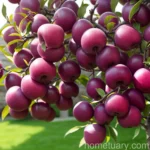
Malus x zumi var. calocarpa, also known as Redbud Crabapple, is a deciduous tree that is valued for its ornamental qualities. This plant typically reaches a height of 15 to 20 feet and exhibits a rounded, spreading form. It is adorned with ovate, dark green leaves that turn a beautiful bronze color in the fall. The real show-stoppers, however, are the vibrant pink flowers that blanket the tree in spring, followed by small, decorative red crabapples in the fall.
The Redbud Crabapple is a welcome addition to home gardens, parks, and landscapes, where it adds a pop of color and attracts various forms of wildlife. Its adaptability to different soil types and climates, coupled with its low maintenance requirements, make it an ideal choice for both beginner and seasoned gardeners.
Malus x zumi var. calocarpa Culture
Uses
Malus x zumi var. calocarpa is primarily cultivated for its ornamental value. The stunning display of pink flowers in the spring, followed by its colorful fruits in the fall, makes it a desirable addition to residential landscapes, parks, and urban settings. Additionally, the fruits of the Redbud Crabapple serve as a food source for wildlife, attracting birds and other creatures to the garden.
Water
The water needs of Malus x zumi var. calocarpa are moderate, requiring regular watering, especially during the growing season. It is crucial to ensure that the soil has adequate drainage to prevent waterlogged conditions, which can lead to root rot and other issues. While it is essential to provide consistent moisture, it is equally important to avoid overwatering, as excessive moisture can predispose the plant to diseases and stress.
Sunlight
Redbud Crabapples thrive in full sun to partial shade, making them adaptable to various lighting conditions. However, they perform best in well-lit areas where they can receive ample sunlight to support healthy growth and flower production. When selecting a planting location, it is advisable to choose a spot that receives at least six hours of direct sunlight per day for optimal results.
Fertilizer
To ensure healthy growth and abundant flowering, it is recommended to provide Malus x zumi var. calocarpa with a balanced fertilizer in early spring. While the specific nutrient requirements can vary depending on the soil composition, a general-purpose fertilizer with balanced N-P-K ratios can support the overall well-being of the plant. It is important to avoid excessive nitrogen fertilization, as it may promote vigorous foliage growth at the expense of flowers and fruits. Additionally, organic fertilization options can be employed to provide sustainable nourishment to the plant.
Soil
The ideal soil type for Malus x zumi var. calocarpa is well-draining loamy soil with a neutral to slightly acidic pH. This type of soil provides the necessary balance of moisture retention and drainage while allowing the roots to access oxygen and essential nutrients. Incorporating organic matter such as compost or well-rotted manure into the soil can enhance its fertility and structure, promoting a healthy growing environment for the Redbud Crabapple.
This information showcases the fundamental needs of Malus x zumi var. calocarpa regarding water, sunlight, fertilizer, and soil composition. By assessing and meeting these needs, gardeners can create an optimal environment for the growth and development of this stunning ornamental tree.
Pruning and Propagation of Malus x zumi var. calocarpa
Pruning
Pruning is an essential aspect of maintaining the form and health of Malus x zumi var. calocarpa. Proper pruning practices can help remove dead or diseased branches, shape the tree, and promote air circulation within the canopy. This, in turn, can reduce the risk of pest infestations and diseases by creating a more open and light-filled environment.
It is advisable to prune Redbud Crabapples in late winter or early spring while the tree is still dormant. This timing allows for easier identification of branches that need to be removed and minimizes the risk of interfering with the tree’s natural growth patterns. When pruning, it is important to use sharp, clean tools to make precise cuts and minimize the potential for damage and infection.
Propagation
Malus x zumi var. calocarpa can be propagated through various methods, including seeds, softwood cuttings, and grafting techniques. Each of these approaches offers unique advantages and challenges, allowing gardeners to choose the most suitable method based on their expertise and resources. Propagation through seeds can be an accessible option for home gardeners, while more advanced techniques such as grafting can be employed to preserve the desirable traits of specific cultivars.
By mastering the art of pruning and propagation, gardeners can actively participate in shaping the growth and reproduction of Malus x zumi var. calocarpa, leading to the establishment of healthy and vibrant specimens in their gardens and landscapes.
Container Popularity and Common Diseases
Container Popularity
One of the notable characteristics of Malus x zumi var. calocarpa is its suitability for container gardening. Due to its relatively compact size and ornamental features, it is well-suited for cultivation in containers, making it an excellent choice for urban and small-space gardening. When grown in containers, Redbud Crabapples can be positioned on patios, balconies, or other outdoor spaces, where their colorful displays can be admired up close.
Container Common Diseases
When growing Malus x zumi var. calocarpa in containers, it is essential to be mindful of potential diseases that can affect the plant. One common issue to watch for is root rot, which can arise from waterlogged soil and poor drainage. To prevent this, it is crucial to ensure that the container has adequate drainage holes and that excess water can freely escape. Implementing a well-draining potting mix and practicing careful watering habits can help mitigate the risk of root rot and other container-related diseases.
As we delve into the aspects of container gardening and disease prevention, it becomes evident that the adaptability and resilience of Malus x zumi var. calocarpa make it an excellent candidate for container cultivation, while also requiring careful attention to potential disease risks.
Disease Diagnosis and Common Pests of Malus x zumi var. calocarpa
Disease Diagnosis
In caring for Malus x zumi var. calocarpa, it is crucial to be vigilant in monitoring the plant for signs of diseases. One common issue to watch for is leaf spot, which can manifest as discolored lesions on the foliage. Keeping the tree’s environment well-ventilated and paying attention to watering practices can help minimize the risk of foliar diseases. Additionally, being proactive in addressing signs of fungal infections, cankers, and blights can help prevent the spread of diseases and safeguard the plant’s health.
Common Pests
Like many ornamental plants, Malus x zumi var. calocarpa is not immune to pest infestations. Common pests that may affect Redbud Crabapple trees include aphids, caterpillars, and scale insects. These pests can cause damage to the foliage, weaken the plant, and interfere with overall growth and flowering. Regular monitoring and prompt intervention, such as using organic pest control methods or introducing beneficial insects, can help manage pest populations and minimize their impact on the tree.
By understanding the symptoms and signs of diseases, as well as the potential pests that may affect Malus x zumi var. calocarpa, gardeners can proactively safeguard the health and vitality of their trees, ensuring their long-term success in the landscape.
Botanist’s Tips and Fun Facts
Botanist’s Tips
For gardeners aiming to cultivate healthy and resilient Malus x zumi var. calocarpa trees, it is beneficial to consider the following botanist’s tips:
- Choose disease-resistant varieties: Selecting cultivars with known disease resistance can significantly reduce the likelihood of encountering common issues.
- Monitor for early signs of stress or disease: Regular observation of the tree’s foliage, growth patterns, and overall appearance can help identify and address potential problems at early stages.
- Practice good sanitation measures: Maintaining a clean and tidy garden space, removing fallen leaves and debris, and practicing proper pruning and maintenance can contribute to a healthier growing environment for Redbud Crabapples.
Fun Facts
- Redbud Crabapples attract birds and wildlife: The fruits of Malus x zumi var. calocarpa serve as a valuable food source, drawing various species of birds and wildlife to the garden.
- Offers a stunning display of spring flowers: The tree produces an abundance of vibrant pink blossoms, creating a picturesque scene during the spring season.
- Festive display of colorful fruits in the fall: The small, red crabapples add a delightful touch of color to the landscape, enhancing its visual appeal and providing ornamental interest.
These tips and facts offer valuable insights into best practices for caring for Malus x zumi var. calocarpa, as well as the unique attributes that make this tree a captivating addition to gardens and landscapes.
Links to External Resources
Here are some additional resources for further information on Malus x zumi var. calocarpa and related topics:
- The American Crab Apple Species and their Importance in Breeding Programs
- Crabapple Tree Care
- Growing Crabapple Trees
- Crabapple Diseases
- A Complete Guide to Fruit Trees: Malus
As we wrap up this comprehensive guide, it is evident that Malus x zumi var. calocarpa, or Redbud Crabapple, is a striking ornamental tree with remarkable visual appeal and ecological value. From its vibrant spring flowers and colorful fruits to its adaptability to various growing conditions, this plant holds a special place in gardens and landscapes worldwide.
By understanding its cultural requirements, propagation techniques, disease management, and additional insights from botanists, gardeners can cultivate healthy and thriving Redbud Crabapples, bringing an enchanting display of color and life to their outdoor spaces. Whether planted in the ground or nestled in a container, the Malus x zumi var. calocarpa is sure to captivate and inspire all those who encounter its natural beauty.
This guide serves as a valuable resource for gardeners, horticulturists, and plant enthusiasts seeking to expand their knowledge and appreciation for Malus x zumi var. calocarpa, and further enrich their gardening experiences.